
Čachtice Castle is a ruined medieval fortress on a limestone hill between the villages of Čachtice and Višňové, near Nové Mesto nad Váhom in the Trenčín Region of western Slovakia. Originally built in the thirteenth century to protect the northwestern frontier of the Kingdom of Hungary and the routes towards Moravia, the castle was constructed during the reign of King Béla IV, with its earliest development attributed to Kazimír of the Hunt-Poznan noble family. It subsequently passed through the hands of several influential Hungarian families, including Matthew Csák, the Stibor family and the Országh family. The original fortified residence was gradually expanded into a substantial castle complex with courtyards, a Gothic chapel, defensive walls and additional fortifications designed to withstand increasingly powerful artillery. In 1569, the estate passed into the control of the Nádasdy family, becoming associated with Elizabeth Báthory (1560–1614), one of the most controversial figures in Hungarian history. Married to Ferenc Nádasdy, Báthory inherited the estate after his death in 1604, although her principal residence in Čachtice was the manor house in the village rather than the hilltop fortress. Accused of torturing and murdering numerous young women, she was detained in December 1610 on the orders of Palatine György Thurzó and confined at the castle, where she died on 21 August 1614 without ever standing trial. The allegations against her have remained a subject of historical debate, while popular stories about bathing in the blood of virgins belong to the later mythology surrounding her life. The castle continued to change ownership after her death and suffered considerable damage following the discovery of the Wesselényi conspiracy in 1670. Its decline accelerated after its capture by anti-Habsburg rebels during Francis II Rákóczi’s uprising in 1708, and a fire in 1799 left much of the already neglected structure in ruins. The surviving remains include sections of the original towers, outer defensive walls, gateways and courtyards. The castle is now owned by the municipality of Čachtice, which carried out major structural stabilisation and archaeological work between 2012 and 2014.
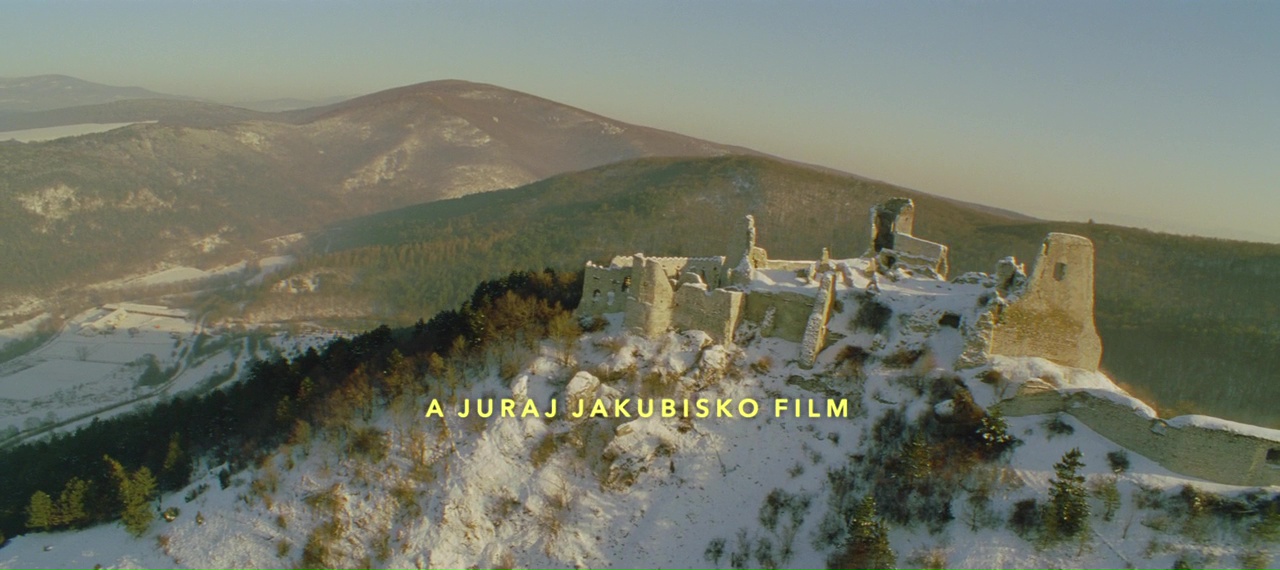
Čachtice Castle has appeared in The Mystery of the Carpathian Castle (1981), Dragonheart (1996) and Bathory (2008). The ruined fortress and surrounding hills were used extensively in the Czechoslovak fantasy comedy The Mystery of the Carpathian Castle, while Dragonheart featured the medieval ruins in its opening sword-training sequence. Bathory, a historical drama about Elizabeth Báthory, includes aerial photography of the actual castle, although most scenes representing its sixteenth-century appearance were filmed at other castles and studio sets.
In The Mystery of the Carpathian Castle (1981), originally titled Tajemství hradu v Karpatech, Čachtice Castle was used to represent the mysterious residence of Baron Gorc of Gorceny (Miloš Kopecký). Directed by Oldřich Lipský and adapted from Jules Verne’s novel The Carpathian Castle, the film follows Count Felix Teleke of Tölökö (Michal Dočolomanský) and his servant Ignác (Vlastimil Brodský) as they investigate a supposedly haunted fortress in the Carpathian Mountains. Teleke believes that his former fiancée, the opera singer Salsa Verde (Evelyna Steimarová), is being held by Baron Gorc, whose castle contains elaborate mechanical inventions created by the eccentric scientist Orfanik (Rudolf Hrušínský). The production used Čachtice Castle as one of the principal exterior locations for the fictional fortress, with filming taking place in 1980. The ruined walls and surrounding limestone formations were incorporated into the setting, and parts of the castle were temporarily altered with constructed scenery.
Several scenes involving Teleke and Ignác were filmed on the slopes immediately surrounding the ruins. One identifiable sequence, approximately 22 minutes into the film, shows the two men walking beside the exposed limestone formations on the southern side of the castle hill. The rocky terrain visible behind them can still be identified at the location. Other scenes were filmed in the meadows and woodland to the south, where Teleke encounters the forester Vilja Dézi (Jan Hartl), who claims to have seen Salsa Verde inside the mysterious castle. During their investigations, the men move between the forest and the fortress, with the production using the surrounding landscape to connect the various fictional locations.
Another identifiable scene, approximately 30 minutes into the film, shows Teleke and Vilja hiding near the castle while waiting for darkness so that they can approach Gorc’s residence without being discovered. A small shelter was constructed specifically for this sequence, with the actual ruins of Čachtice Castle visible behind it. The structure was a temporary film set and was never part of the historical fortress. The filmmakers also modified the appearance of the ruins to create the fictional castle seen in the finished film. These additions explain some of the differences between the screen appearance of the location and its surviving medieval remains.
Čachtice Castle was not the only historic building used to portray Gorc’s fortress. Additional exterior material was filmed at Lietava Castle in Slovakia, while the entrance through which Teleke and Vilja enter the mysterious building was filmed at Kost Castle in the Czech Republic. Other scenes were shot around Valdštejn Castle, and the fictional village of Vyšné Vlkodlaky was created using the Wallachian Open Air Museum in Rožnov pod Radhoštěm. The castle interiors, including the elaborate machinery associated with Orfanik, were largely created at Barrandov Studios in Prague. The film therefore combines several real castles with specially constructed sets, even though they appear to form a single location within the story.
The production of The Mystery of the Carpathian Castle also became associated with an unusual incident involving the residents of Čachtice. Actor Michal Dočolomanský later recalled that some local people initially reacted with considerable hostility towards the film crew, reportedly throwing stones at the actors. The filmmakers eventually discovered that residents had previously been deceived by individuals posing as a film production company who claimed to be making a film about the legendary White Lady of Čachtice. The supposed production had collected money from local people before disappearing, leaving considerable resentment towards subsequent filmmakers. According to Dočolomanský, the misunderstanding was eventually resolved during the legitimate production.
In Dragonheart (1996), directed by Rob Cohen, Čachtice Castle appears during the film’s opening sequence as the ruined fortress where the knight Bowen (Dennis Quaid) trains the young Prince Einon (Lee Oakes) in swordsmanship. The sequence takes place before Einon becomes the tyrannical king portrayed by David Thewlis. Bowen instructs his pupil in the use of a sword while attempting to teach him the principles of the Old Code, a code of honour that demands courage, honesty and protection of the weak. The two characters practise their sword techniques within the ruined castle, with the exposed stone walls and surviving defensive structures visible around them. Bowen corrects Einon’s movements and stresses the importance of fighting with discipline rather than anger.
Their training is interrupted when they receive news of a peasant rebellion against Einon’s father, King Freyne. The prince is ordered to witness the fighting, and Bowen accompanies him, hoping that the experience will teach him the difference between defending a kingdom and abusing its people. The castle sequence establishes the relationship between Bowen and Einon before the prince’s near-fatal injury, his rescue by the dragon Draco and his eventual betrayal of the knightly ideals he has been taught. Čachtice Castle was used for the opening training location, rather than the later scenes involving the adult king and his royal stronghold.
Dragonheart was filmed extensively in Slovakia during 1994, and several other historic castles were used alongside Čachtice. The ruined fortress of Strečno Castle, overlooking the Váh River, provided the setting for King Einon’s rebuilt stronghold, while Spiš Castle was transformed into the legendary site of Avalon. The production also used the Slovak Paradise region for landscapes, cliffs and other exterior sequences. These locations represent different places within the fictional kingdom and should not be confused with the opening sword-training scene filmed at Čachtice.
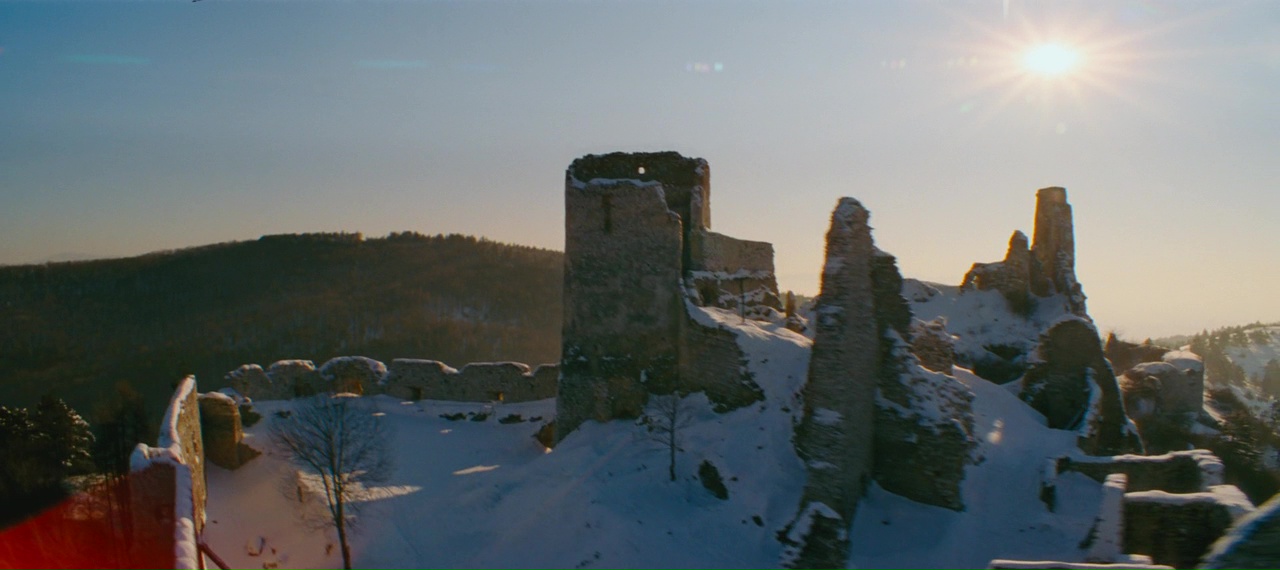
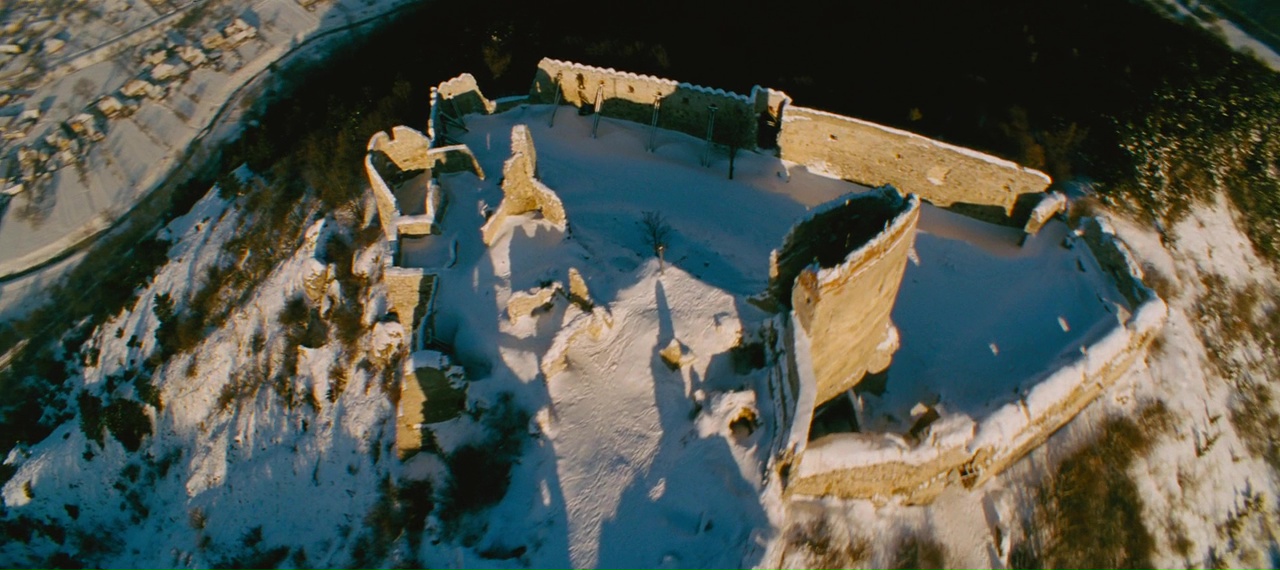
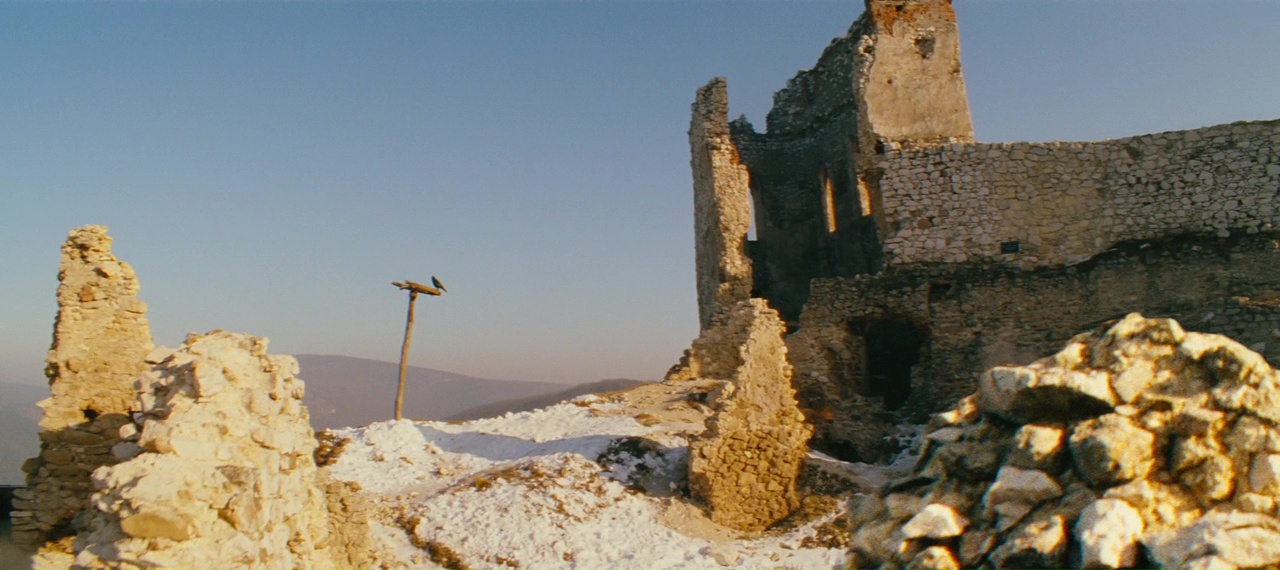
In Bathory (2008), directed by Juraj Jakubisko, the actual ruins of Čachtice Castle appear at the beginning of the film. The historical drama stars Anna Friel as Elizabeth Báthory and offers an alternative interpretation of the countess’s life, presenting her as a woman caught in political and religious struggles rather than simply accepting the popular legend of a sadistic mass murderer. The opening sequence includes aerial photography of the real castle in its present ruined condition, with the camera looking across the hilltop remains before the narrative moves into the sixteenth and seventeenth centuries. The winter landscape and broken walls establish the historical site associated with the countess’s imprisonment and death.
Although the story frequently returns to Báthory’s castle and residence, much of this material was filmed elsewhere. Točník Castle in the Czech Republic was used to represent sections of Čachtice Castle, including the underground rooms and the exterior of the countess’s residence seen during the opening minutes. The film’s location work also included Pernštejn Castle, Křivoklát Castle, Sovinec Castle, Buchlov Castle and several historic Czech residences. Doudleby nad Orlicí Castle provided important Renaissance interiors, courtyard scenes and garden sequences involving Anna Friel and other members of the cast. Additional interior sets were constructed at Koliba Studios in Bratislava, including chambers, corridors and underground spaces associated with the fictionalised version of Báthory’s household.
The distinction between the actual Čachtice ruins and the other filming locations is especially significant in Bathory. The opening aerial footage shows the authentic medieval site, but the subsequent scenes involving the countess, her servants and political opponents were largely filmed in buildings that could represent the castle as it might have appeared during her lifetime. In particular, Točník Castle is visible shortly after the opening aerial sequence, where its surviving masonry stands in for the historical residence. The film therefore combines the real location associated with Elizabeth Báthory with other historic buildings and reconstructed interiors to create its sixteenth-century setting.
Bathory (2008)
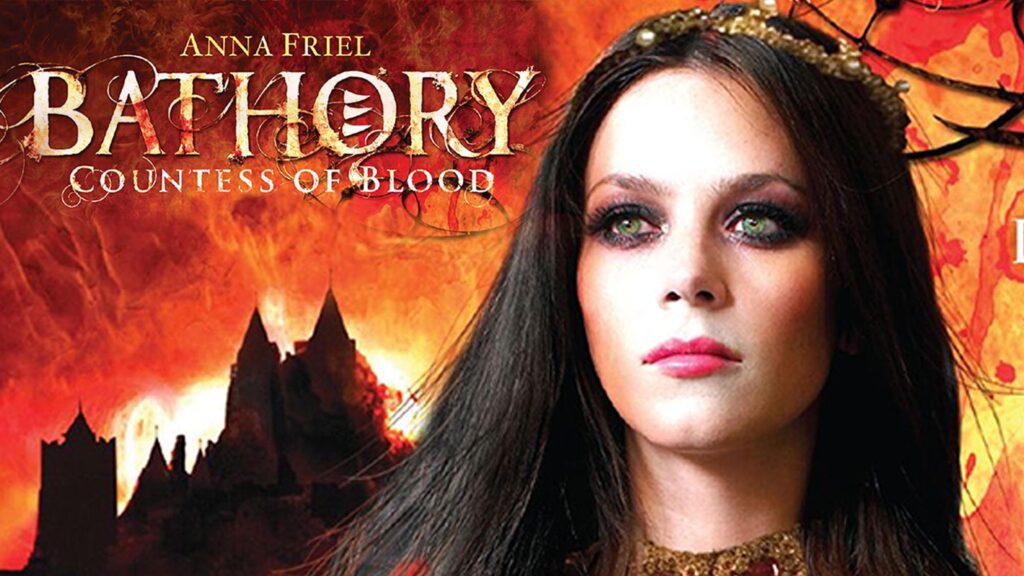
Bathory
Bathory (2008), directed by Juraj Jakubisko, was filmed across Central Europe, primarily in Slovakia, the Czech Republic, and Hungary.
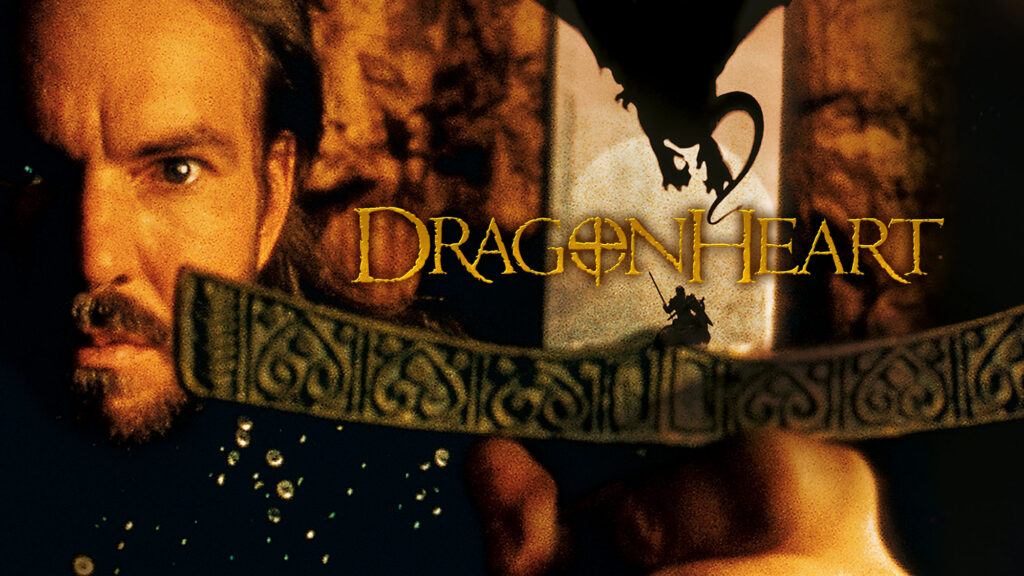
Dragonheart
Dragonheart was shot primarily in Slovakia, and its locations are a major reason why the medieval setting feels so convincing.
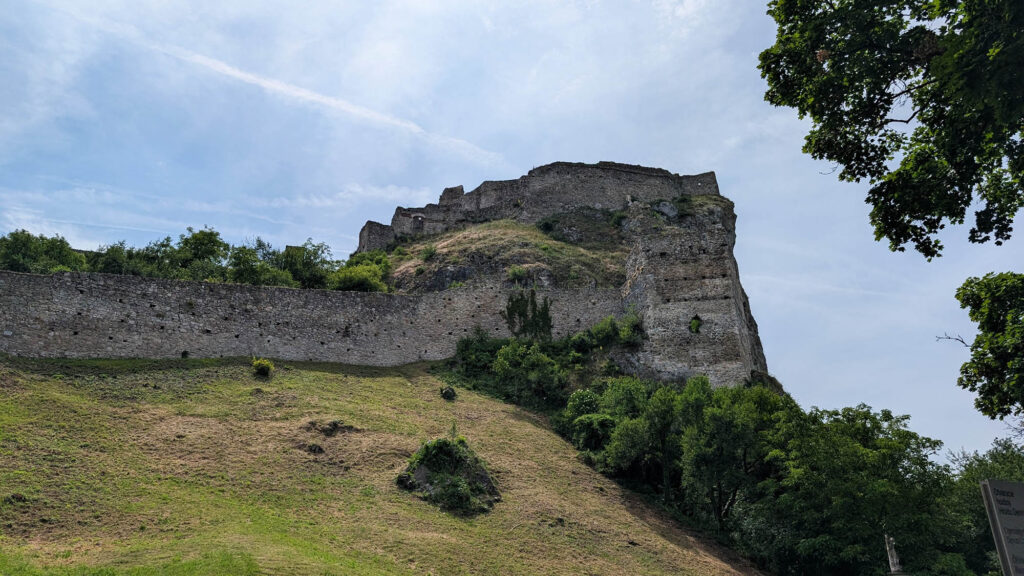
Devín Castle
In Kull the Conqueror (1997), Devín Castle is used as one of the film’s fortress locations.
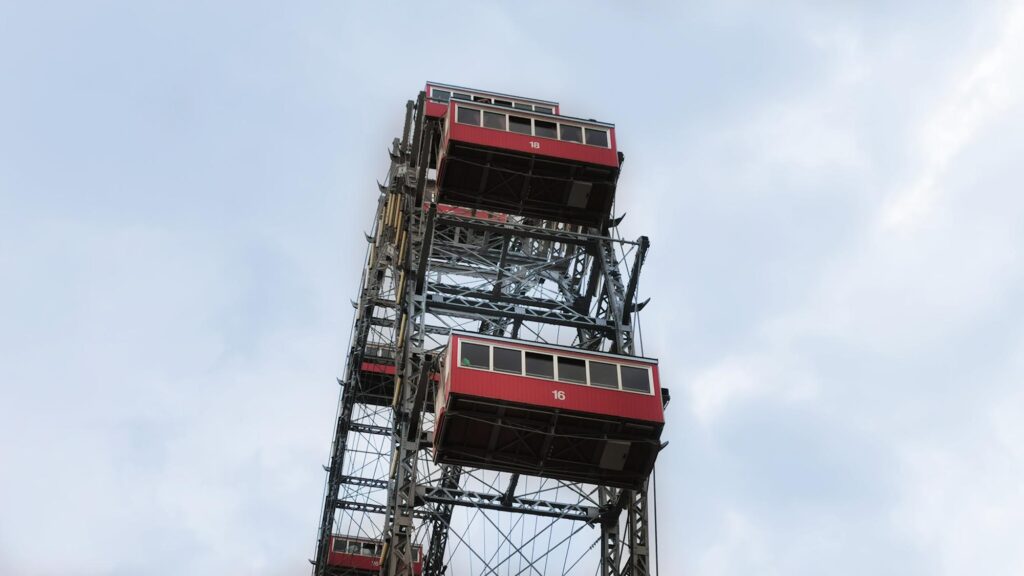
Wiener Riesenrad
Wiener Riesenrad has appeared in The Third Man (1949), Scorpio (1973), The Living Daylights (1987), Before Sunrise (1995), Woman in Gold (2015) and Sachertorte.
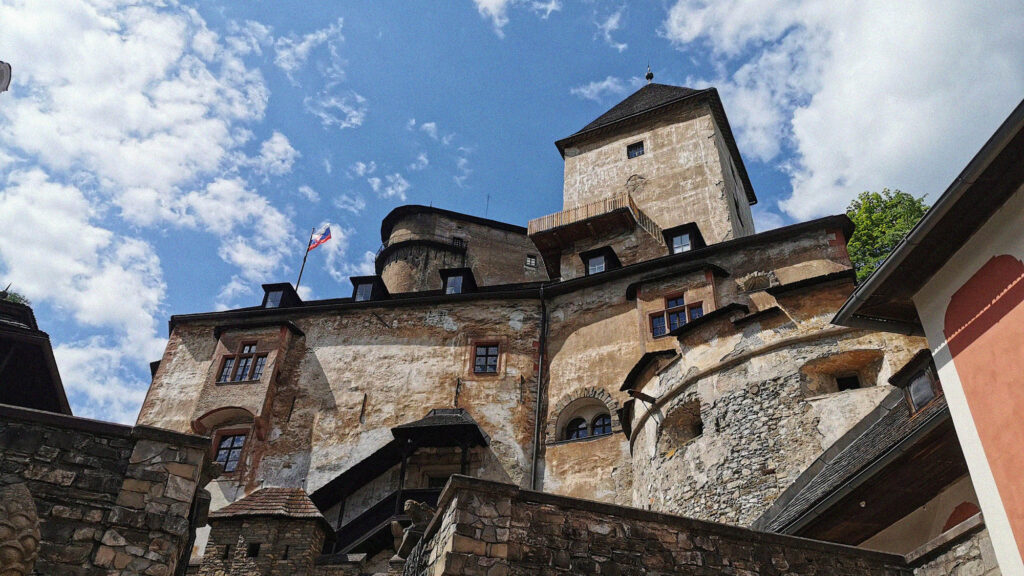
Orava Castle
Orava Castle appears in Nosferatu: A Symphony of Horror (1922), Dragonheart: A New Beginning (2000), and Dracula (2020).
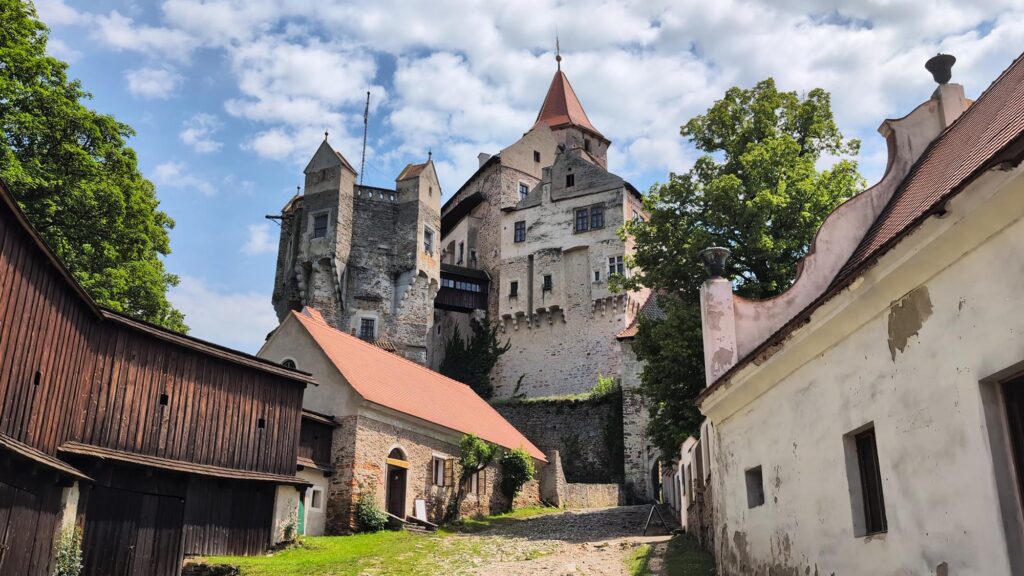
Pernštejn Castle
Pernštejn Castle has been used in Werner Herzog’s Nosferatu: Phantom der Nacht, Nosferatu, Van Helsing, Journey to the Christmas Star, Borgia and Wanted.
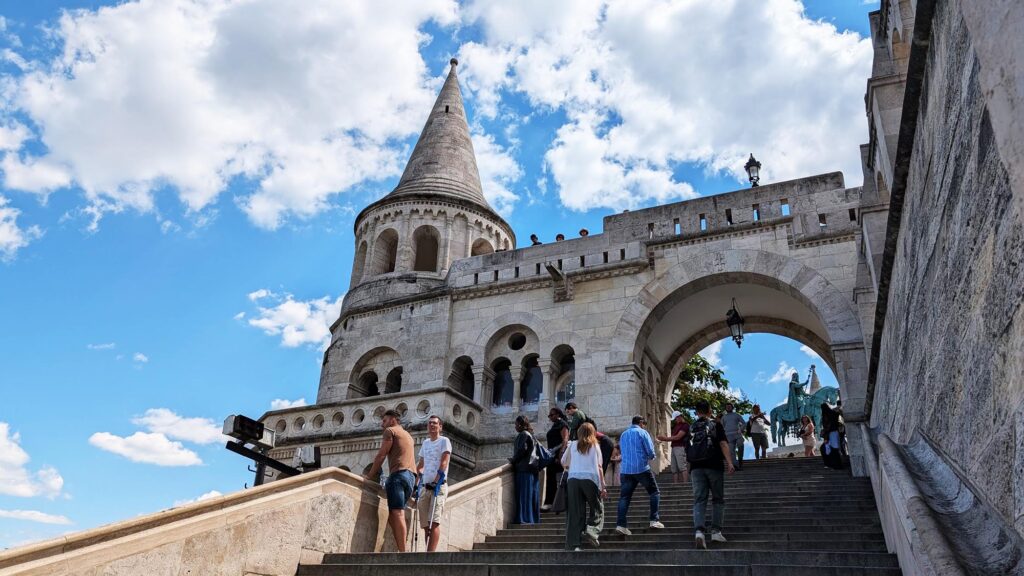
Fisherman’s Bastion
Fisherman’s Bastion has appeared in several international productions, including "I Spy" (2002), "Tinker Tailor Soldier Spy" (2011) and "Gemini Man" (2019).
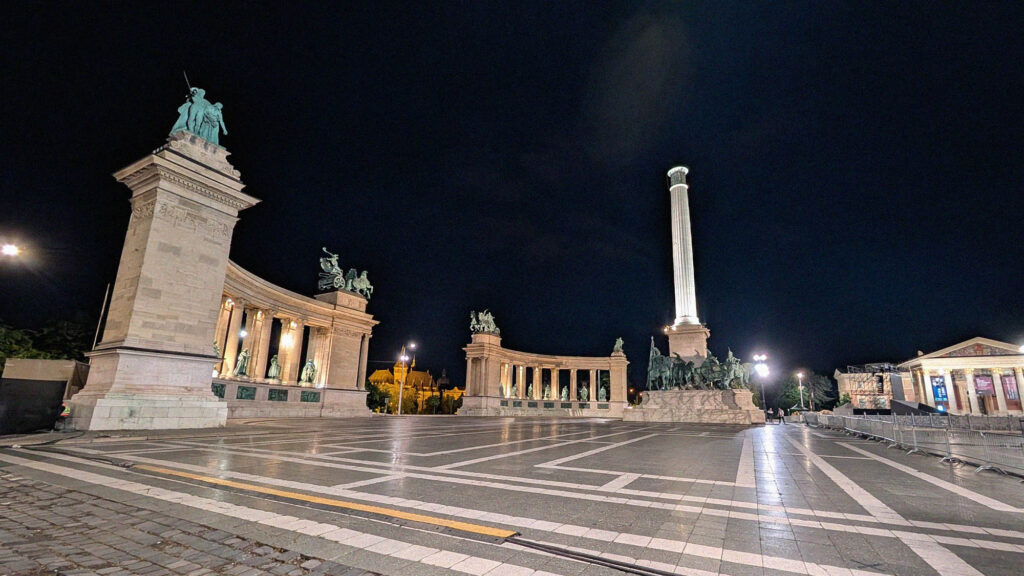
Heroes’ Square
Heroes’ Square appears in A Good Day to Die Hard (2013), Red Sparrow (2018), and Gemini Man (2019).
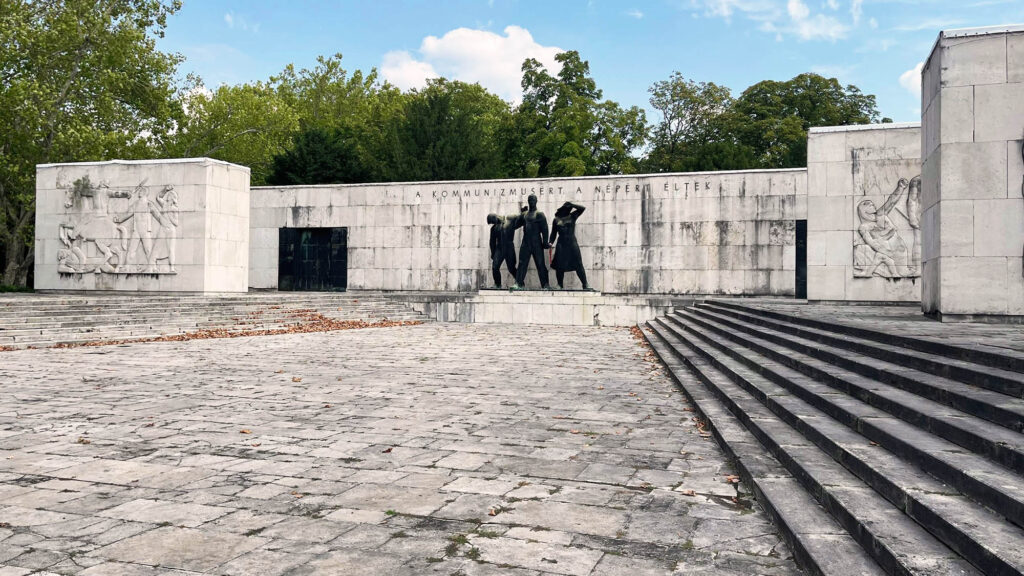
Kerepesi Cemetery
Kerepesi Cemetery appears in Dune: Part Two (2024), Red Sparrow (2018), and The Boy in the Striped Pajamas (2008).

Müpa Budapest
Müpa Budapest appears in The Martian (2015) and The Day of the Jackal (2024–). In both productions, Müpa is used as a modern institutional building.
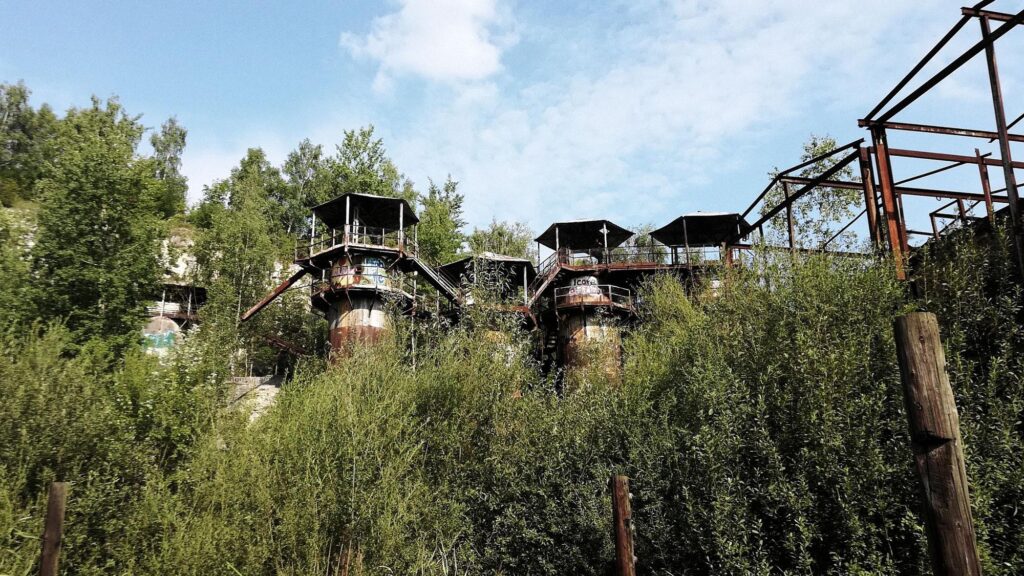
Liban Quarry
Liban Quarry is a historic limestone quarry in Kraków, Poland. It is also known as the filming location for the camp scenes in Schindler's List.