
Liban Quarry, known in Polish as Kamieniołom Liban, is a disused limestone quarry at 22 Za Torem Street, at the foot of Krakus Mound in the Podgórze district of Kraków, Poland. Its modern industrial history began in 1873, when entrepreneurs Bernard Liban and Max Ehrenpreis established the Liban & Ehrenpreis limeworks, extracting limestone from the Krzemionki hills for the production of building materials. The company introduced advanced lime-burning equipment, including ring kilns and Rumford kilns, and became one of the leading producers of construction materials in Kraków. A railway siding connecting the quarry to Podgórze-Bonarka station was completed in 1894, allowing stone and lime to be transported more efficiently. During the German occupation of Poland, the quarry was taken over by the Nazi authorities and became the site of a penal labour camp operated by the Baudienst, a compulsory labour organisation. Established in 1942, the camp held mainly Polish forced labourers, who were subjected to brutal treatment, inadequate food and exhausting work extracting stone and producing lime. Approximately 2,000 prisoners passed through the camp during its existence. During its evacuation on the night of 21–22 July 1944, German personnel murdered around 20 prisoners who had remained behind, many of them too ill to escape. A memorial to the victims, incorporating a stained-glass work by Władysław Jastrzębski, was erected in 1948. Limestone extraction resumed after the war and continued until 1986, leaving behind substantial rock faces, abandoned industrial buildings, steel kilns and conveyor structures. The quarry gradually became overgrown, with vegetation and pools of water spreading across the former industrial floor. In 2022, the area was granted protected ecological status by the Kraków City Council. It is situated immediately beside the former site of the Płaszów concentration camp, although the two locations had separate functions during the German occupation.
Liban Quarry appears in Schindler’s List (1993), directed by Steven Spielberg. The abandoned limestone quarry was transformed into a reconstruction of the nearby Płaszów concentration camp, with barracks, watchtowers, fencing, roads and a replica of commandant Amon Göth’s residence. The location appears extensively in the scenes depicting daily life and forced labour inside the camp, including Göth’s shootings of prisoners from his balcony and Oskar Schindler’s visits to the commandant.
In Schindler’s List (1993), Liban Quarry represents the Płaszów concentration camp, where thousands of Jewish prisoners from Kraków and the surrounding region are imprisoned under the command of SS officer Amon Göth (Ralph Fiennes). The camp becomes central to the story after the liquidation of the Kraków Ghetto in March 1943, when Jewish residents are forced from their homes and transported to Płaszów. Oskar Schindler (Liam Neeson), a German industrialist who employs Jewish workers at his enamelware factory, develops a relationship with Göth in order to retain access to his workforce and protect selected prisoners from deportation and execution.
The production constructed an extensive replica of Płaszów inside the quarry, using the surviving limestone walls to enclose the fictional camp. Production designer Allan Starski and his team worked from historical plans and photographs to recreate the layout of the original installation, building 34 wooden barracks, seven watchtowers, perimeter fences and an entrance gate. The structures were arranged across the quarry floor, with rows of barracks separated by dirt roads and guarded passages. The surrounding cliffs helped conceal modern buildings and other features that would have been visible at the original Płaszów site. Large numbers of extras portraying Jewish prisoners and German guards were filmed moving through the camp, assembling outside the barracks and working under SS supervision. The quarry’s open floor provided the space required for the large exterior sequences, while the elevated areas above it were used for the commandant’s residence and the surrounding military buildings.
One of the most distinctive features of the reconstructed camp was the road paved with Jewish gravestones. During the occupation, the Nazis had desecrated Jewish cemeteries in Kraków and used actual matzevot, or Jewish headstones, as paving material at Płaszów. Spielberg’s production recreated this detail using concrete replicas, with inscriptions and Hebrew lettering moulded into the surfaces. The road is visible in the camp sequences as prisoners move through the guarded compound, with the uneven gravestones forming part of the route between the entrance and the barracks. Sections of this artificial roadway were left in place after filming and remain among the most recognisable surviving elements of the production. Unlike the gravestones desecrated by the Nazis during the war, those at Liban Quarry were constructed specifically for the film and were never taken from actual Jewish graves.
Above the camp, the filmmakers erected a replica of the villa occupied by Amon Göth, who commands Płaszów with extraordinary brutality. The reconstructed house included a projecting balcony overlooking the barracks and the prisoners working below. One of the film’s most disturbing sequences takes place here when Göth wakes in the morning, takes a rifle onto the balcony and begins shooting prisoners at random. Ralph Fiennes is shown looking down across the camp through the rifle sight before selecting and killing inmates who are carrying out their daily work. The sequence cuts between the balcony and the camp below, with the rows of fencing, barracks and exposed quarry landscape visible from the elevated position. The arrangement of the set allowed the production to film both the commandant’s viewpoint and the prisoners’ reactions within the same constructed environment.
The villa also appears during Schindler’s visits to Göth, including their conversation about power and the ability to spare a person’s life. Sitting together on the balcony, Schindler attempts to persuade the commandant that showing mercy can be a greater demonstration of authority than carrying out an execution. The discussion forms part of Schindler’s efforts to influence Göth’s treatment of the prisoners and secure better conditions for the Jews working in his factory. The reconstructed villa stood above the quarry rather than at the location of Göth’s actual residence, which survives elsewhere in Kraków. The film’s version was positioned to provide an unobstructed view of the camp below, making the commandant’s surveillance and shootings possible within a single geographical setting.
Additional buildings were constructed beside the villa, including a stable and garage. These appear in scenes involving Göth’s horses and the prisoners assigned to maintain his household. In one sequence, Göth approaches a frightened stable boy preparing his horse, with the surrounding buildings forming part of the commandant’s private compound. The production used the upper edge of the quarry to connect the villa, stables and access stairs to the main camp below. Parts of the metal stairway and traces of the reconstructed building foundations remained after filming, including the curved outline of the villa’s balcony.
The quarry also appears throughout the sequences showing Schindler’s increasingly frequent visits to Płaszów. He negotiates with Göth over the use of Jewish workers and attempts to secure the release or protection of prisoners whose lives are threatened by the commandant’s decisions. Itzhak Stern (Ben Kingsley), Schindler’s Jewish accountant and closest associate, becomes an essential figure in these efforts. The camp’s guarded entrance, rows of barracks and surrounding fences recur as the film follows Schindler’s growing involvement in the fate of the prisoners. The quarry setting is particularly prominent during the sections in which Göth’s arbitrary violence is contrasted with Schindler’s attempts to preserve his workers’ lives.
Not every scene set in Płaszów was necessarily filmed within the quarry, and several other locations were combined with it to create the complete wartime setting. The liquidation of the Kraków Ghetto, including the scenes involving the little girl in the red coat, was filmed primarily in the historic streets of Kazimierz and Podgórze. Schindler’s observation of the violence from horseback was filmed on a hill overlooking the former ghetto rather than at Liban Quarry. Likewise, the actual site of the Płaszów concentration camp, situated immediately beside the quarry, was not used for the reconstructed camp sequences. The production also used separate locations and sets for Schindler’s factory, the later Brünnlitz factory and Auschwitz-Birkenau.
Most of the temporary barracks, watchtowers and the reconstructed villa were removed after filming ended in 1993, but several traces of the production survived. These include sections of the artificial gravestone road, remnants of the perimeter fencing, concrete foundations and parts of the stairways leading towards the former villa set. The large rusting lime kilns and elevated industrial structures elsewhere in the quarry belong to its earlier industrial history rather than the film’s reconstructed concentration camp, although some of them can also be seen in the background of the finished film. Over the following decades, the surviving scenery became increasingly difficult to distinguish as trees, shrubs and standing water spread across the quarry floor.

Schindler’s List
Schindler's List was shot mainly in and around Kraków, Poland, using a combination of real historical locations, nearby stand-ins and large reconstructed sets.
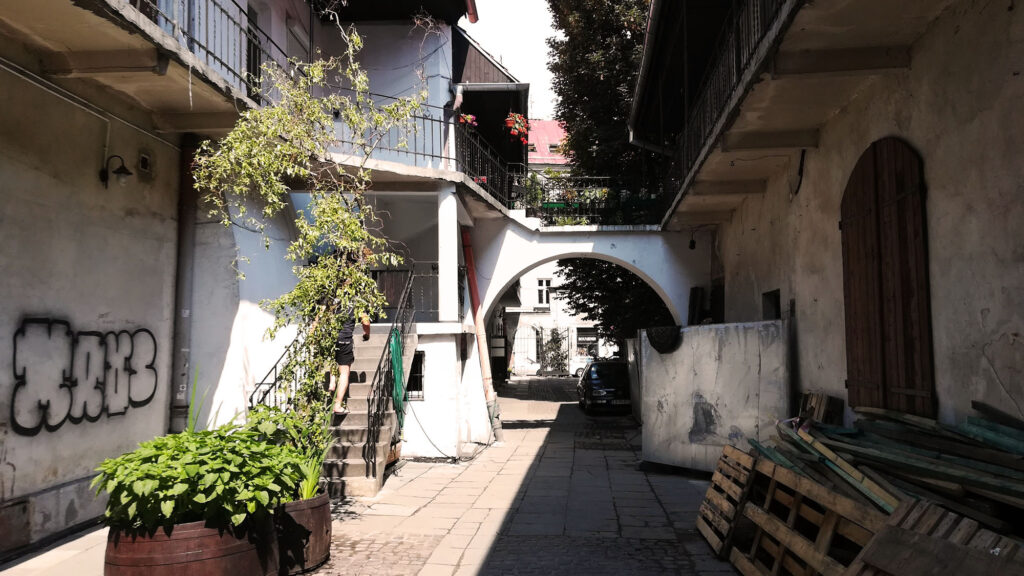
Schindler’s List Passage
The famous, narrow, and steep staircase where Mrs. Dresner hides from Nazis in Schindler's List is located at Józefa 12 in the Kazimierz district of Kraków.
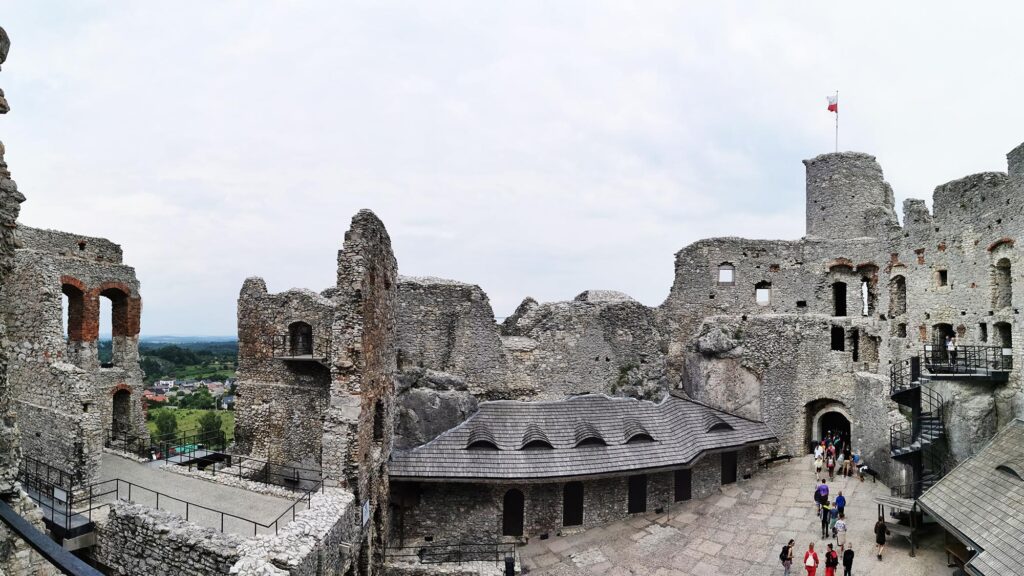
Ogrodzieniec Castle
Ogrodzieniec Castle has appeared in Janosik (1973–1974), The Knight (1980), The Revenge (2002), The Witcher (2019) and the Australian series Spellbinder (1995).
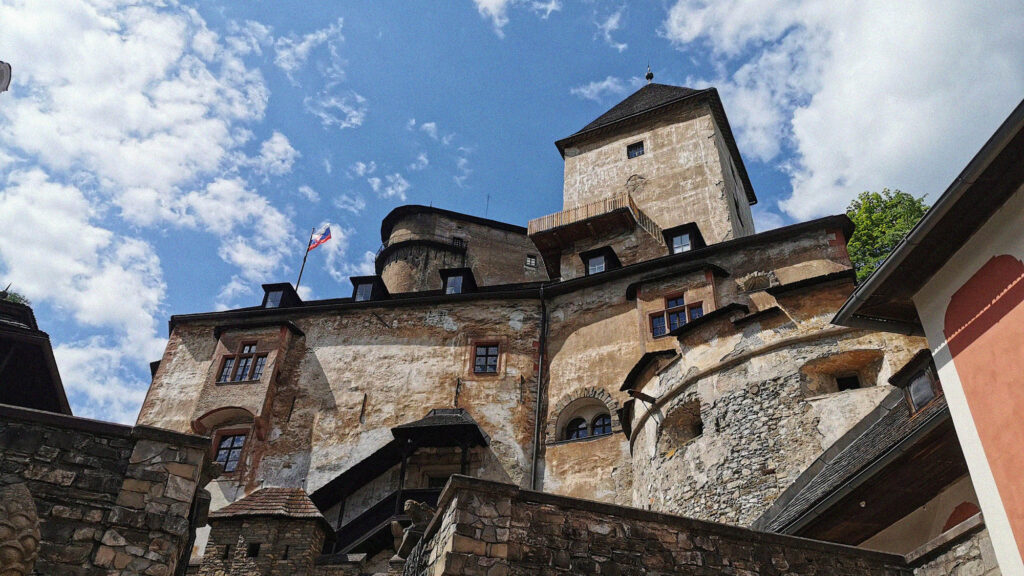
Orava Castle
Orava Castle appears in Nosferatu: A Symphony of Horror (1922), Dragonheart: A New Beginning (2000), and Dracula (2020).
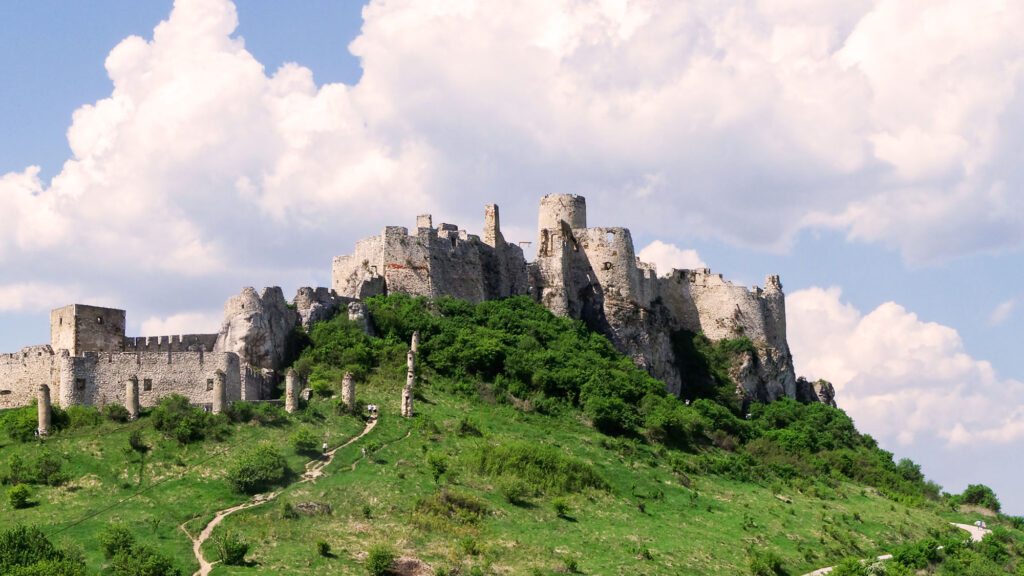
Spiš Castle
Spiš Castle is a vast medieval castle, and appears in Dragonheart (1996), Kull the Conqueror (1997), The Lion in Winter (2003) and The Last Legion (2007).
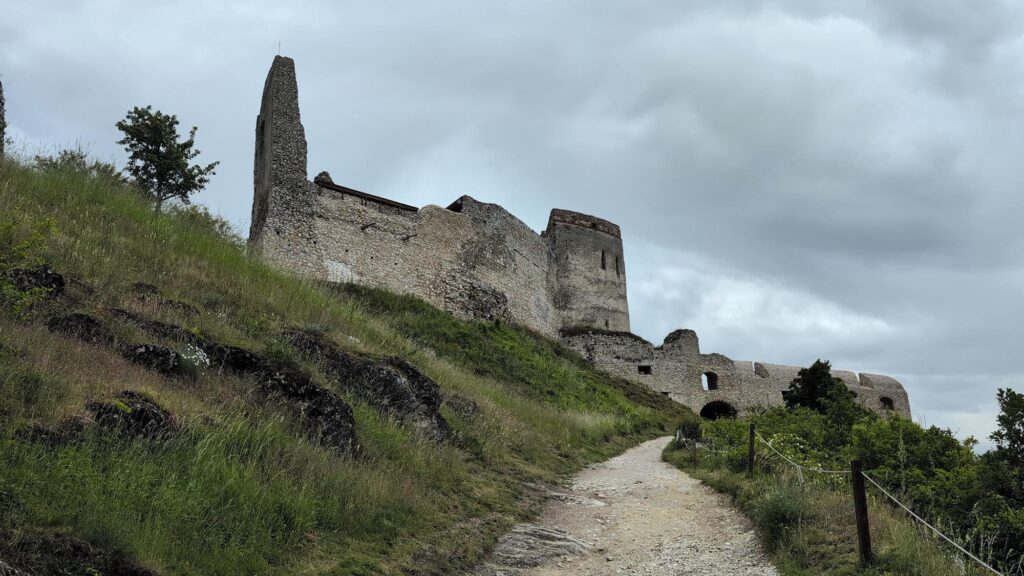
Čachtice Castle
Čachtice Castle has appeared in movies like The Mystery of the Carpathian Castle (1981), Dragonheart (1996) and Bathory (2008).
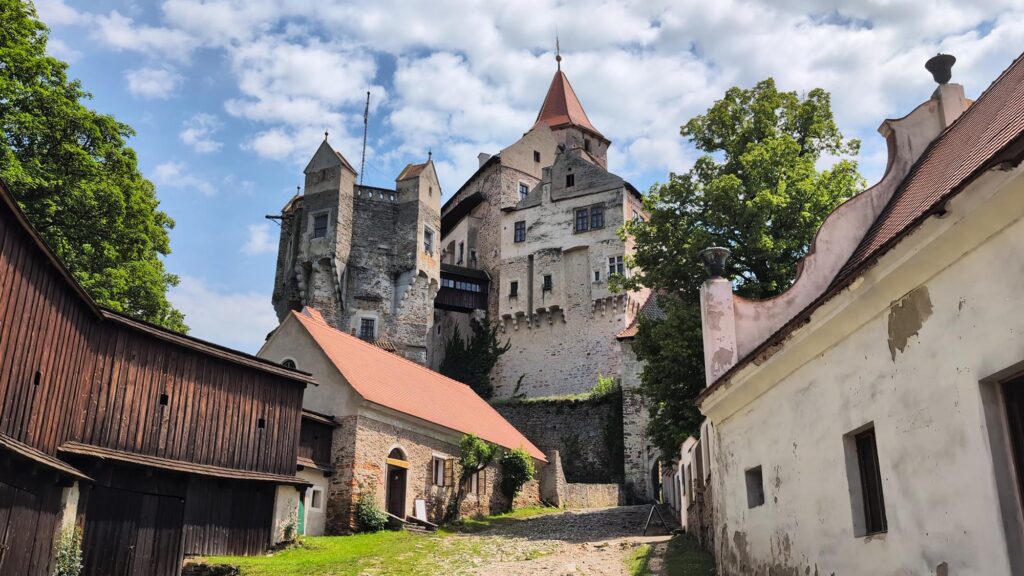
Pernštejn Castle
Pernštejn Castle has been used in Werner Herzog’s Nosferatu: Phantom der Nacht, Nosferatu, Van Helsing, Journey to the Christmas Star, Borgia and Wanted.
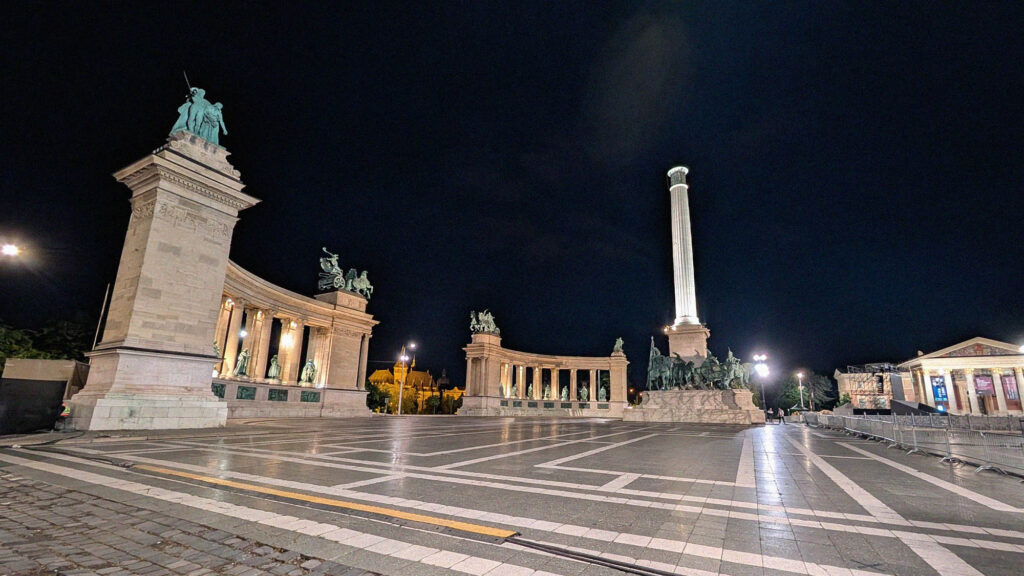
Heroes’ Square
Heroes’ Square appears in A Good Day to Die Hard (2013), Red Sparrow (2018), and Gemini Man (2019).
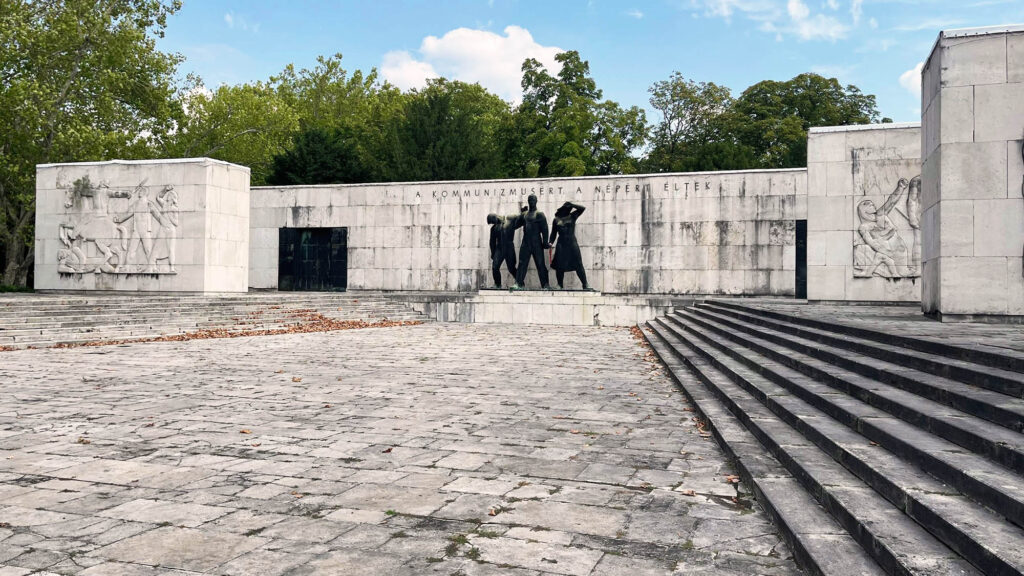
Kerepesi Cemetery
Kerepesi Cemetery appears in Dune: Part Two (2024), Red Sparrow (2018), and The Boy in the Striped Pajamas (2008).
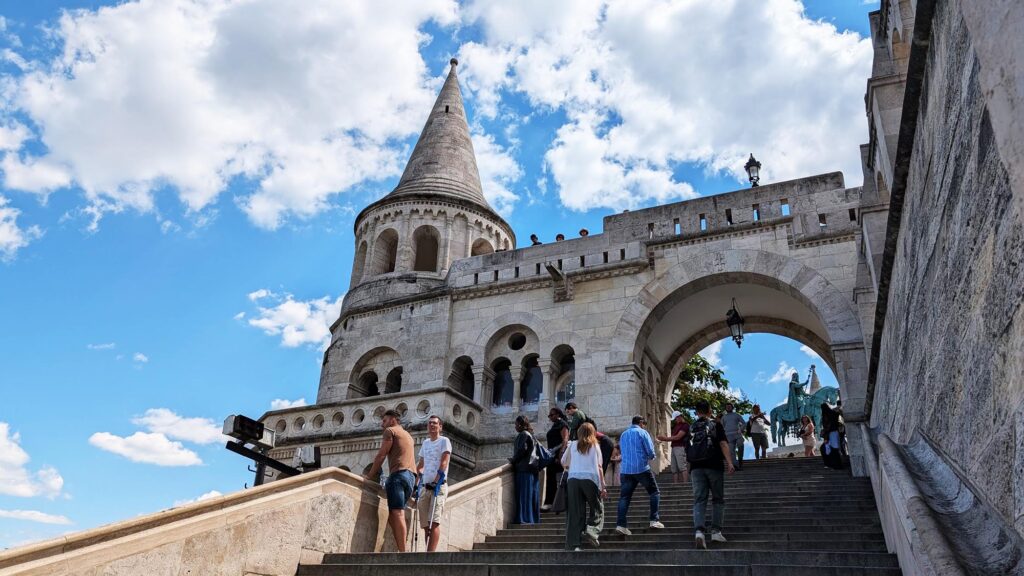
Fisherman’s Bastion
Fisherman’s Bastion has appeared in several international productions, including "I Spy" (2002), "Tinker Tailor Soldier Spy" (2011) and "Gemini Man" (2019).