
Kerepesi Cemetery, officially known as Fiumei Road National Graveyard (Fiumei úti sírkert), is a historic cemetery at 16–18 Fiumei út in the Józsefváros district of Budapest, Hungary. Established in 1847 and formally opened in 1849, it was originally intended as a public burial ground for the growing city of Pest. During the second half of the nineteenth century, it gradually became Hungary’s most prestigious cemetery, particularly after the burial of poet Mihály Vörösmarty in 1855 and the subsequent construction of monumental tombs for leading political figures. The cemetery was officially designated an honorary burial ground in 1885 and now contains the graves of numerous Hungarian statesmen, writers, artists and other prominent figures. Among its most important monuments are the mausoleums of Lajos Batthyány, Hungary’s first prime minister, Ferenc Deák, a leading figure in the Austro-Hungarian Compromise of 1867, and Lajos Kossuth, whose mausoleum was completed in 1909. The grounds cover approximately 56 hectares and include tree-lined avenues, elaborate sculptures, arcaded burial galleries and numerous family mausoleums. A contrasting section is the Pantheon of the Workers’ Movement, constructed during Hungary’s communist period. Its central mausoleum, designed by architect József Körner and inaugurated in 1959, is surrounded by monumental stone pylons and sculptures by Zoltán Olcsai-Kiss commemorating figures associated with the Hungarian socialist and communist movements. The cemetery was designated a National Memorial Site in 2013 and is administered by the National Heritage Institute.
Kerepesi Cemetery has appeared in The Witness (1969), We Never Die (1993), The Boy in the Striped Pyjamas (2008), Red Sparrow (2018) and Dune: Part Two (2024). The Witness features a communist official’s attempted suicide, while We Never Die includes a visit to a family grave. In The Boy in the Striped Pyjamas, the cemetery represents a Berlin burial ground during the funeral of Bruno’s grandmother. The monumental Pantheon of the Workers’ Movement was later used to represent Moscow’s Gorky Park in Red Sparrow and part of the imperial residence on Kaitain in Dune: Part Two.
In The Witness (1969), originally titled A tanú, Kerepesi Cemetery appears in a scene involving Comrade Árpád Virág (Lajos Őze), a powerful communist official whose attempts to manipulate an ordinary citizen form part of the film’s satire of Stalinist Hungary. Directed by Péter Bacsó, the film follows József Pelikán (Ferenc Kállai), a simple-minded but fundamentally decent dyke keeper who becomes entangled in the political machinery of the early 1950s. At the cemetery, Virág attempts to take his own life, and the sequence includes a monumental gravestone bearing his name. The grave features a sculptural representation of a loyal party official standing on its pedestal, reflecting the exaggerated personality cult surrounding the regime’s leading figures. The gravestone was a temporary prop constructed for the production rather than an actual burial monument. Completed in 1969, The Witness was banned by the Hungarian authorities because of its criticism of the communist dictatorship and did not receive an official public release until 1979.
In We Never Die (1993), originally titled Sose halunk meg, Kerepesi Cemetery appears in the opening section of Róbert Koltai’s comedy-drama. The film follows the childhood memories of Imre Tordai, whose eccentric uncle Gyula, played by Koltai himself, takes him on a journey through Hungary during the early 1960s. The story begins in the present, with the adult Imre (Gábor Máthé), now working as an actor, visiting the grave of his uncle Gyuszi at Kerepesi Cemetery. The visit introduces the film’s central flashback, in which Imre recalls the experiences and lessons he shared with his uncle many years earlier. The cemetery’s surroundings also appear in connection with Budapest’s former trotting racecourse, the Ügető, which stood immediately beside the burial ground on Kerepesi Road. The film shows Imre and Pucus (György Hunyadkürty), an old acquaintance of his uncle, looking towards the racecourse from beside the cemetery wall as horses are being exercised on the track. The racecourse was demolished following its closure in 2004, and the site is now occupied by a shopping centre. These scenes preserve views of the former racing facilities and their relationship to the historic cemetery.
In The Boy in the Striped Pyjamas (2008), directed by Mark Herman, Kerepesi Cemetery represents a burial ground in Berlin during the funeral of Nathalie (Sheila Hancock), the grandmother of eight-year-old Bruno (Asa Butterfield). Nathalie, who had openly disapproved of the Nazi regime and her son Ralf’s (David Thewlis) involvement in it, has been killed during an Allied bombing raid. Bruno and his family return to Berlin for the funeral, with the mourners proceeding along one of the cemetery’s broad, tree-lined avenues. Behind the procession stands Árkádsor, the monumental arcaded burial galleries built between 1904 and 1908, whose long rows of pale stone columns are clearly visible in the background. The ceremony itself takes place among the gravestones and monuments elsewhere in the cemetery, with a dark upright memorial and a larger white monument visible near the burial site. During the service, Bruno’s mother Elsa (Vera Farmiga) objects to a funeral wreath sent by Adolf Hitler, knowing that Nathalie would have rejected the gesture. Ralf insists that the wreath remain, further exposing the growing conflict between husband and wife over his loyalty to the Nazi regime.
In Red Sparrow (2018), directed by Francis Lawrence, the Pantheon of the Workers’ Movement is used for a sequence set in Moscow’s Gorky Park. CIA agent Nate Nash (Joel Edgerton) is attempting to meet a confidential Russian intelligence source known by the code name Marble, who has been supplying information to the Americans. Their clandestine meeting takes place at night, but Russian security officers have become suspicious of Nash’s activities, and the operation quickly becomes dangerous. Nash is forced to abandon the meeting and escape before his contact can be identified.
The sequence uses the monumental structures surrounding the Labor Movement Mausoleum, including its tall stone pylons and large bas-relief panels depicting figures from the history of the Hungarian workers’ movement. The carved reliefs and geometric arrangement of the memorial complex are visible as Nash moves through the area, with the cemetery representing a section of the Moscow park. The scene establishes the intelligence operation that later brings Nash into contact with Russian ballerina-turned-spy Dominika Egorova (Jennifer Lawrence), who is assigned to uncover the identity of his source. Budapest was used extensively to represent Moscow throughout the production, but the cemetery’s modernist memorial architecture is particularly recognisable in this sequence.
In Dune: Part Two (2024), directed by Denis Villeneuve, the Labor Movement Mausoleum appears as part of the imperial residence on Kaitain, the home planet of Emperor Shaddam IV (Christopher Walken). Following Paul Atreides’ (Timothée Chalamet) emergence as the leader of the Fremen rebellion on Arrakis, he sends a formal message to the Emperor bearing the seal of House Atreides. The message reveals that Paul, long believed dead following the destruction of his family, has survived and intends to challenge the Emperor’s authority. The Emperor receives the message within the grounds of his residence, with the monumental stone architecture of the Budapest mausoleum visible around him.
The scene was filmed at the Pantheon of the Workers’ Movement, where the rectangular stone structures and sculptural reliefs were incorporated into the architecture of the fictional imperial complex. The original mausoleum, built as a memorial to Hungary’s communist movement, provides a different architectural language from the more traditional palaces and ceremonial interiors associated with imperial courts. The production also used the Brion Tomb, designed by Carlo Scarpa in San Vito d’Altivole, Italy, for other scenes set on Kaitain, including the imperial gardens and the residence of Princess Irulan (Florence Pugh). The two locations represent different parts of the same fictional environment, with the Hungarian mausoleum appearing specifically during the delivery of Paul’s message.

Dune: Part Two
Dune: Part Two is a 2024 epic science-fiction film directed by Denis Villeneuve and the second half of his adaptation of Frank…
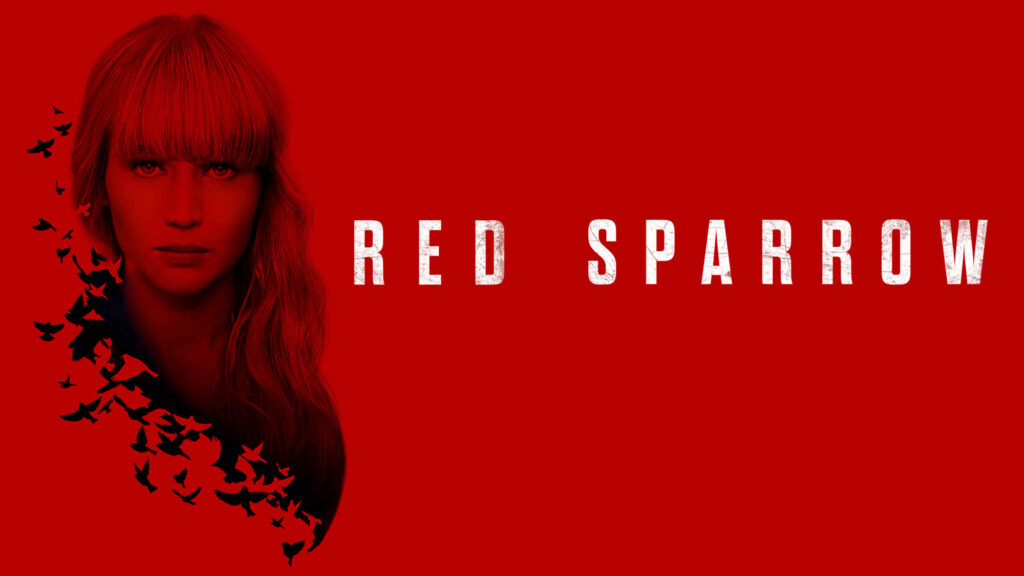
Red Sparrow
The film was shot across several European cities, with Budapest serving as the main production base and standing in for much of the story’s Russian world.
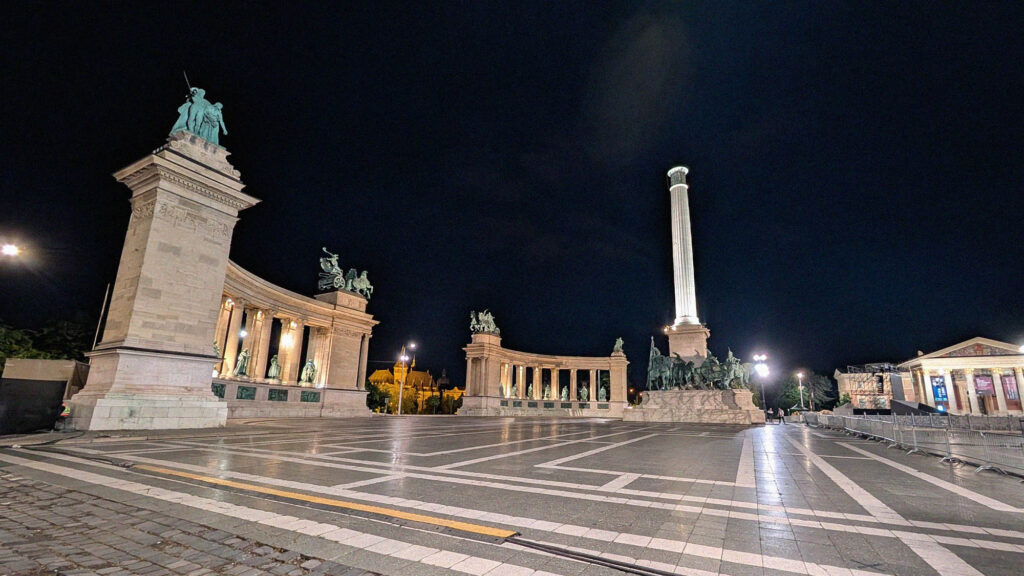
Heroes’ Square
Heroes’ Square appears in A Good Day to Die Hard (2013), Red Sparrow (2018), and Gemini Man (2019).

Müpa Budapest
Müpa Budapest appears in The Martian (2015) and The Day of the Jackal (2024–). In both productions, Müpa is used as a modern institutional building.
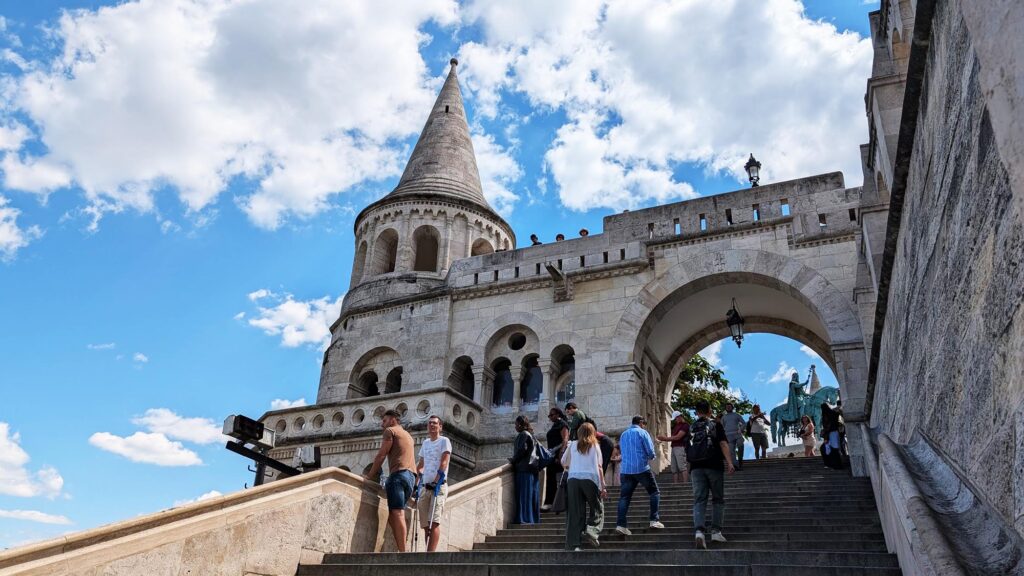
Fisherman’s Bastion
Fisherman’s Bastion has appeared in several international productions, including "I Spy" (2002), "Tinker Tailor Soldier Spy" (2011) and "Gemini Man" (2019).
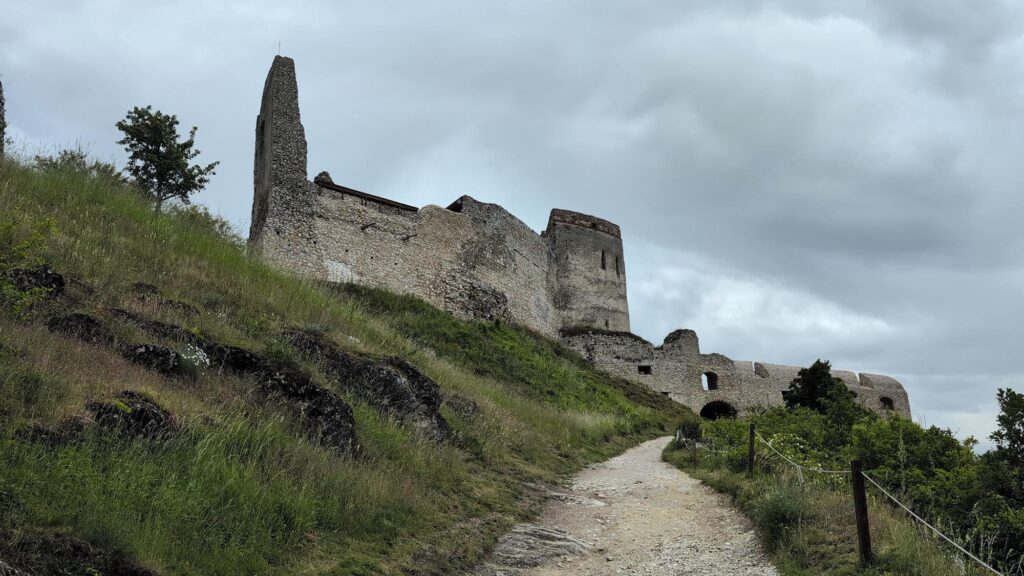
Čachtice Castle
Čachtice Castle has appeared in movies like The Mystery of the Carpathian Castle (1981), Dragonheart (1996) and Bathory (2008).
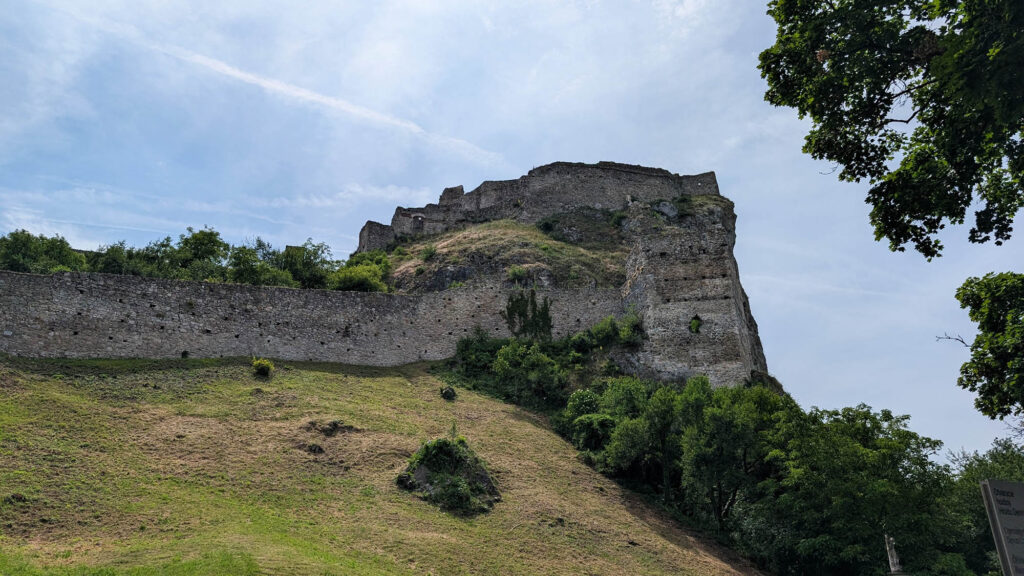
Devín Castle
In Kull the Conqueror (1997), Devín Castle is used as one of the film’s fortress locations.
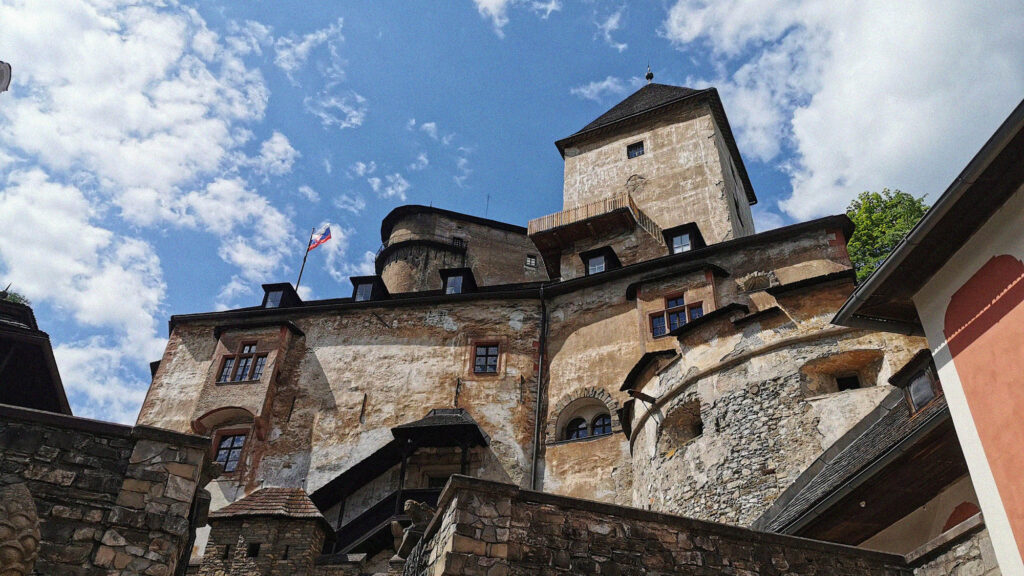
Orava Castle
Orava Castle appears in Nosferatu: A Symphony of Horror (1922), Dragonheart: A New Beginning (2000), and Dracula (2020).
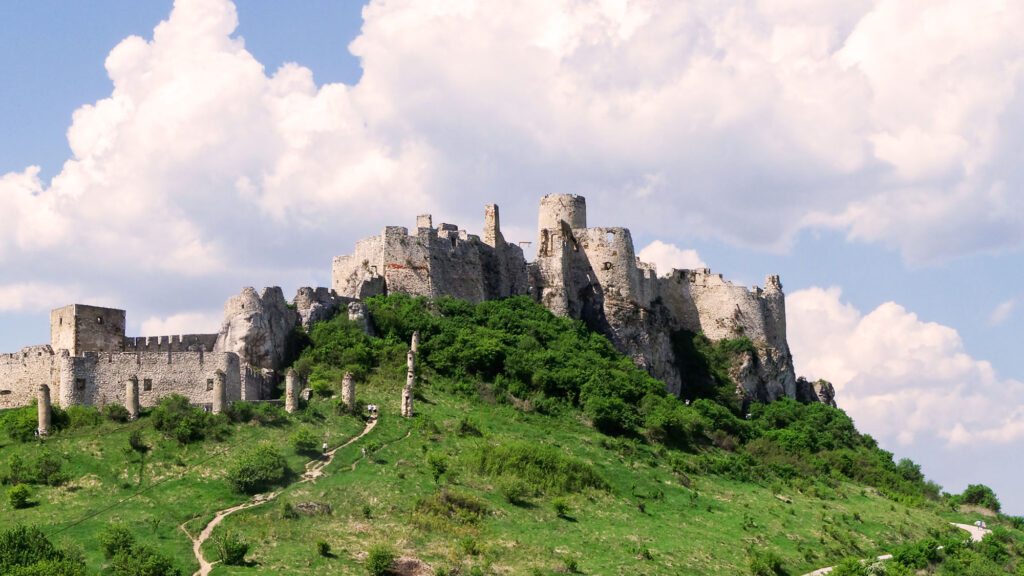
Spiš Castle
Spiš Castle is a vast medieval castle, and appears in Dragonheart (1996), Kull the Conqueror (1997), The Lion in Winter (2003) and The Last Legion (2007).
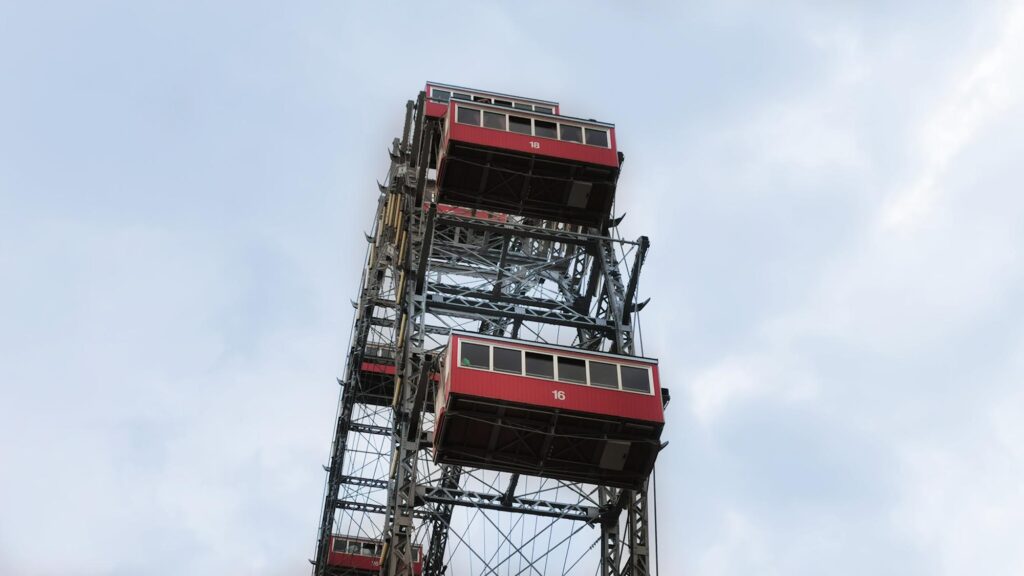
Wiener Riesenrad
Wiener Riesenrad has appeared in The Third Man (1949), Scorpio (1973), The Living Daylights (1987), Before Sunrise (1995), Woman in Gold (2015) and Sachertorte.
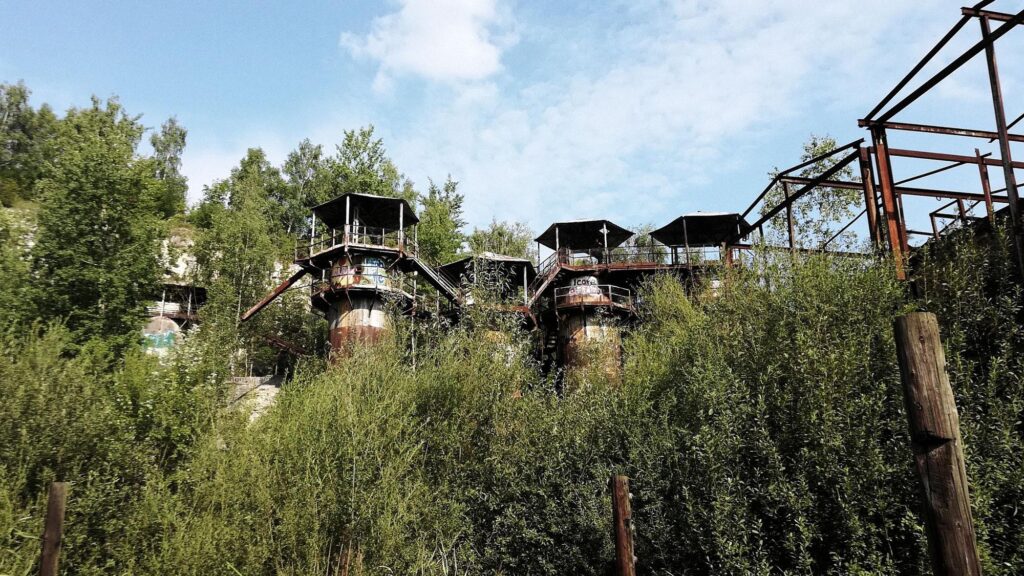
Liban Quarry
Liban Quarry is a historic limestone quarry in Kraków, Poland. It is also known as the filming location for the camp scenes in Schindler's List.