
Spiš Castle, known in Slovak as Spišský hrad, is a vast medieval fortress situated on a rocky hill above the town of Spišské Podhradie and the village of Žehra in eastern Slovakia. Covering approximately 41,000 square metres, it is one of the largest castle complexes in Central Europe, with massive stone fortifications, towers, courtyards and the remains of several residential palaces extending across the hilltop. The site was inhabited long before the construction of the medieval castle, with archaeological discoveries indicating human settlement during the Neolithic period and a fortified Celtic settlement during the first centuries BC and AD. Construction of the present stone fortress began around the turn of the twelfth and thirteenth centuries, when the region belonged to the Kingdom of Hungary. The original Romanesque stronghold served as a royal fortress and administrative centre for Spiš County, controlling important trading routes through the surrounding countryside. Its defences proved effective during the Mongol invasion of 1241, when much of the region was devastated but the castle survived. During the following centuries, successive Hungarian monarchs and noble families enlarged the fortress, adding defensive walls, residential buildings, towers and a chapel. The central circular keep was constructed during the thirteenth century, while the extensive lower courtyard and additional fortifications developed during the fourteenth and fifteenth centuries. In 1464, King Matthias Corvinus granted the property to the Zápolya family, who transformed parts of the medieval fortress into a more comfortable Gothic residence. The family was responsible for several important alterations, including the construction of new palace buildings and improvements to the Chapel of Saint Elisabeth. Ján Zápolya, who later became King of Hungary, was born at the castle in 1487. During the sixteenth century, the Thurzó family introduced further modifications in the Renaissance style, adapting the residential quarters and strengthening the fortifications against artillery. The Csáky family acquired the property during the seventeenth century, but gradually abandoned it in favour of more comfortable residences elsewhere in the region. By the eighteenth century, the castle was largely occupied by a small military garrison rather than serving as an aristocratic residence. A devastating fire in 1780 destroyed much of the complex, leaving its remaining structures exposed to the elements. The fortress subsequently deteriorated for almost two centuries, with local residents occasionally removing stones for construction elsewhere. Archaeological investigations and conservation work began during the twentieth century, particularly after the castle was declared a national cultural monument in 1961. Sections of the upper castle were stabilised and partially reconstructed, allowing the surviving medieval rooms, chapel, towers and courtyards to become part of the Spiš Museum. In 1993, Spiš Castle and the surrounding cultural monuments were inscribed on the UNESCO World Heritage List, later expanded to include the historic centre of Levoča. The castle’s surviving fortifications extend across several levels of the hill, with the circular keep rising above a network of ruined walls and open courtyards.
Spiš Castle has appeared in Dragonheart (1996), Kull the Conqueror (1997), The Lion in Winter (2003) and The Last Legion (2007). In Dragonheart, the ruined fortress represents Avalon, the legendary resting place of King Arthur, where the knight Bowen is reminded of the ideals he once followed. Kull the Conqueror uses the castle’s exterior fortifications during its sword-and-sorcery adventure, alongside other Slovak locations including Devín Castle and Červený Kameň Castle. In The Lion in Winter, the fortress represents the medieval stronghold of Chinon in France, where King Henry II gathers his family during Christmas 1183. The Last Legion also made use of the castle during filming in Slovakia in 2005, combining its medieval architecture with other locations in Slovakia and Tunisia. The productions were filmed over a period of more than a decade, with Spiš Castle providing a recurring location for historical dramas and fantasy adventures.
In Dragonheart (1996), the fantasy adventure directed by Rob Cohen, Spiš Castle represents Avalon, the legendary resting place of King Arthur and the Knights of the Round Table. The sequence takes place after Bowen, played by Dennis Quaid, has formed an unlikely partnership with Draco, the last surviving dragon, voiced by Sean Connery. Bowen was once a knight who believed deeply in the ideals of King Arthur, but his faith in honour and chivalry was destroyed when his former pupil, King Einon, played by David Thewlis, became a cruel and oppressive ruler. After years of hunting dragons, Bowen has discovered that Draco is not the enemy he imagined, and the two have begun travelling together. When Kara, played by Dina Meyer, attempts to persuade Bowen to help overthrow Einon, Draco carries them to Avalon, represented by the extensive ruins of Spiš Castle. Bowen is initially confused by their arrival, questioning why the dragon has brought them to what appears to be an abandoned fortress. Draco explains that they are standing at the resting place of King Arthur, whose legendary knights once followed the same code of honour that Bowen has abandoned. The ruined stone walls and open surroundings of Spiš Castle provide the setting as Bowen reluctantly confronts the ideals he once believed in.
During the sequence, Bowen hears the voice of King Arthur, performed by John Gielgud, reminding him of the principles of valour, virtue and truth. Brother Gilbert, played by Pete Postlethwaite, is inspired by the significance of the location, while Kara regards it as a favourable sign for the rebellion against Einon. Bowen remains sceptical, arguing that legends and noble intentions alone will not defeat the king. The conversation subsequently turns to Draco’s past and the mysterious connection between the dragon and Einon. Draco explains that dragons have their own spiritual existence beyond death and that he once hoped to earn his place among his ancestors by saving a dying human child. His attempt to restore harmony between humans and dragons went disastrously wrong when the child grew into the ruthless King Einon. Bowen finally realises that Draco sacrificed half his heart to save Einon’s life, explaining why the dragon and the king share a supernatural connection. The sequence uses Spiš Castle as the physical setting for this revelation and Bowen’s gradual return to the ideals of knighthood. Filming took place in Slovakia during 1994, with the production also using Čachtice Castle, Strečno Castle, the Dreveník nature reserve and several locations in the Slovak Paradise region. Unlike the fortress used for Einon’s royal residence, which was filmed at Strečno Castle, Spiš Castle specifically represents the ruins of Avalon.
In Kull the Conqueror (1997), the sword-and-sorcery adventure directed by John Nicolella and starring Kevin Sorbo, Spiš Castle was used for exterior filming during the production’s extensive work in Slovakia. Based on characters created by Robert E. Howard, the film follows Kull, a barbarian warrior who unexpectedly becomes ruler of the ancient kingdom of Valusia after defeating its dying king in combat. His accession to the throne provokes hostility from members of the royal court, particularly the ambitious General Taligaro, played by Thomas Ian Griffith. Kull subsequently becomes involved in a struggle against the resurrected sorceress Akivasha, played by Tia Carrere, who attempts to regain control of the kingdom. Spiš Castle was among several Slovak fortresses selected for the production, together with Devín Castle near Bratislava and Červený Kameň Castle near Pezinok. The exposed stone walls and extensive defensive structures at Spiš were used for exterior material, while the principal interior scenes were filmed at Koliba Film Studios in Bratislava. Production took place between August and October 1996, with additional filming in Croatia, particularly around the Kornati islands and the Adriatic coast. The Slovak locations supplied the castle exteriors and surrounding landscapes, while the studio facilities accommodated the royal interiors and other constructed sets.
In The Lion in Winter (2003), the historical television film directed by Andrei Konchalovsky, Spiš Castle represents Chinon Castle in France during the reign of King Henry II of England, played by Patrick Stewart. Set during Christmas 1183, the story centres on Henry’s attempts to determine which of his three surviving sons will inherit his kingdom, a dispute complicated by the political ambitions of his estranged wife, Eleanor of Aquitaine, played by Glenn Close. Henry has summoned Eleanor from imprisonment to join the royal Christmas court at Chinon, together with their sons Richard, Geoffrey and John. Also present is the young King Philip II of France, played by Jonathan Rhys Meyers, whose political interests are closely connected to the dispute over the English succession. Spiš Castle provides the exterior setting for the royal stronghold in which the family gathers, with the surviving medieval fortifications representing the imposing residence of one of Europe’s most powerful monarchs. The castle’s stone walls, towers and courtyards were used during location filming in Slovakia, while the interior scenes were largely photographed in Budapest, Hungary. The production therefore combines the real exterior of a Slovak medieval fortress with separately filmed rooms representing the royal chambers at Chinon. The film was based on James Goldman’s stage play, previously adapted for the cinema in 1968 with Peter O’Toole and Katharine Hepburn. Unlike that earlier production, which was filmed at locations in Ireland, Wales and France, the 2003 adaptation used Spiš Castle as its principal historic exterior. The production was filmed in 2003 and first broadcast in the United Kingdom in December of that year, before its American premiere on Showtime in May 2004.
In The Last Legion (2007), the historical fantasy adventure directed by Doug Lefler, Spiš Castle was among the principal Slovak locations used during filming in 2005. Set during the collapse of the Western Roman Empire in 476 AD, the film follows the young emperor Romulus Augustulus, played by Thomas Brodie-Sangster, after his overthrow by the Germanic commander Odoacer, played by Peter Mullan. Romulus is imprisoned on the island of Capri before being rescued by the loyal Roman commander Aurelius, played by Colin Firth, and a small group of surviving soldiers. Accompanied by the mysterious scholar Ambrosinus, played by Ben Kingsley, and the warrior Mira, played by Aishwarya Rai, the group journeys towards Britain in the hope of finding the remains of the legendary Ninth Legion. The film combines late-Roman history with the origins of Arthurian legend, eventually connecting Romulus and the sword of Julius Caesar with the future legend of King Arthur and Excalibur. Spiš Castle provided part of the production’s exterior fortress scenery, with its surviving stone fortifications and open courtyards used alongside other historic locations in Slovakia. The production also filmed at Červený Kameň Castle, while extensive work in Tunisia supplied additional landscapes and locations representing the late Roman world. Filming at Spiš Castle took place in 2005, approximately eleven years after the location had been used for Dragonheart. Both productions were associated with the De Laurentiis family, with Raffaella De Laurentiis producing Dragonheart and later helping develop The Last Legion. The film was released in 2007 after a lengthy post-production period.
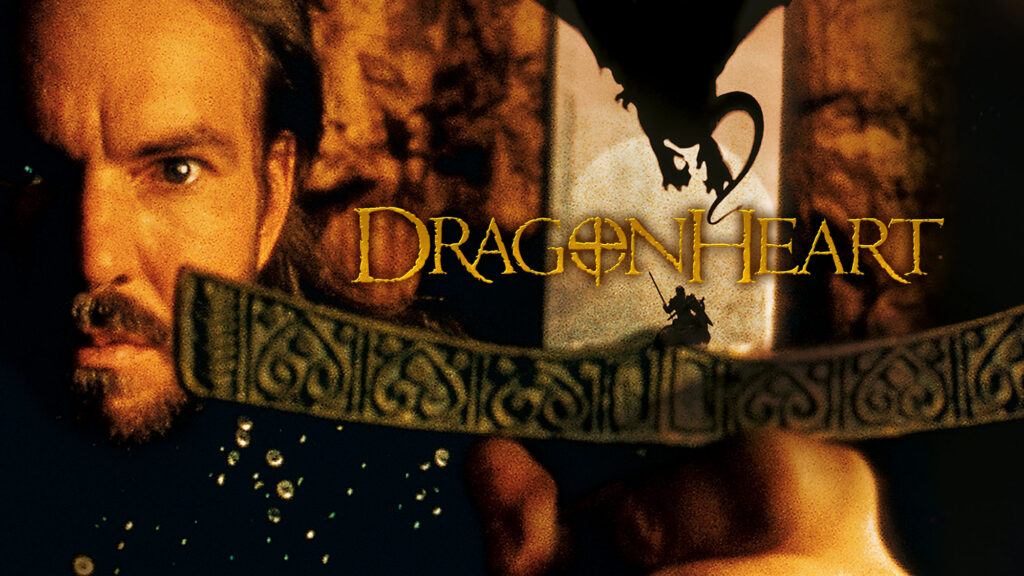
Dragonheart
Dragonheart was shot primarily in Slovakia, and its locations are a major reason why the medieval setting feels so convincing.

Kull the Conqueror
Kull the Conqueror was shot mainly in Slovakia and Croatia, and those real locations are a large part of why it has a more rugged visual feel.

The Last Legion
The Last Legion from 2007 was shot mainly in Tunisia and Slovakia, with additional production connected to the United Kingdom.
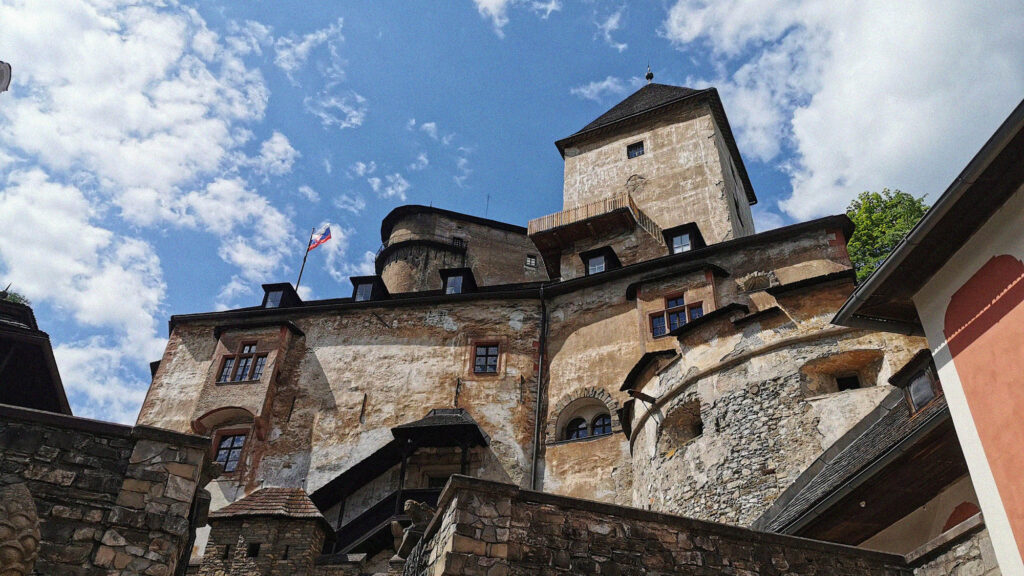
Orava Castle
Orava Castle appears in Nosferatu: A Symphony of Horror (1922), Dragonheart: A New Beginning (2000), and Dracula (2020).
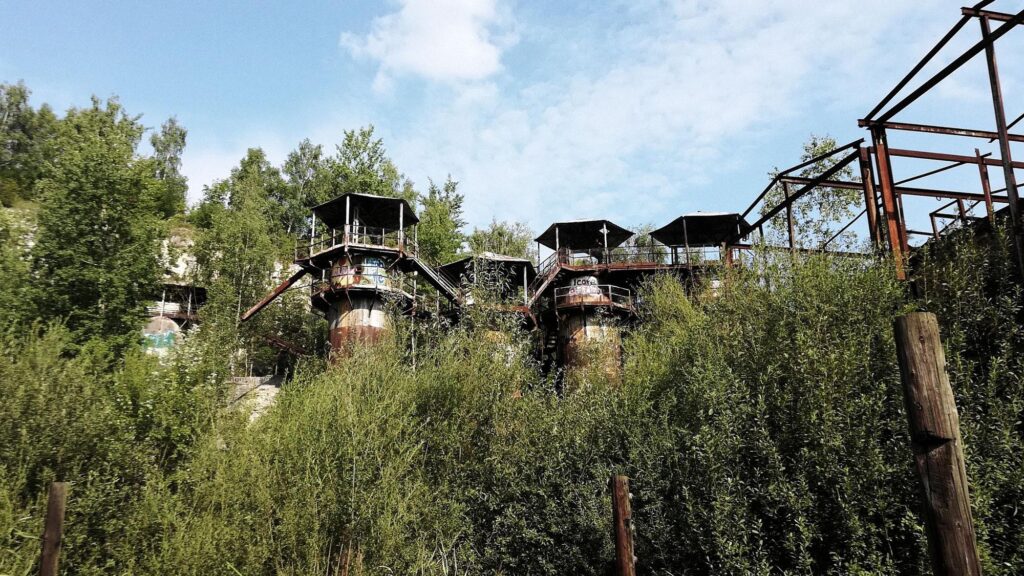
Liban Quarry
Liban Quarry is a historic limestone quarry in Kraków, Poland. It is also known as the filming location for the camp scenes in Schindler's List.
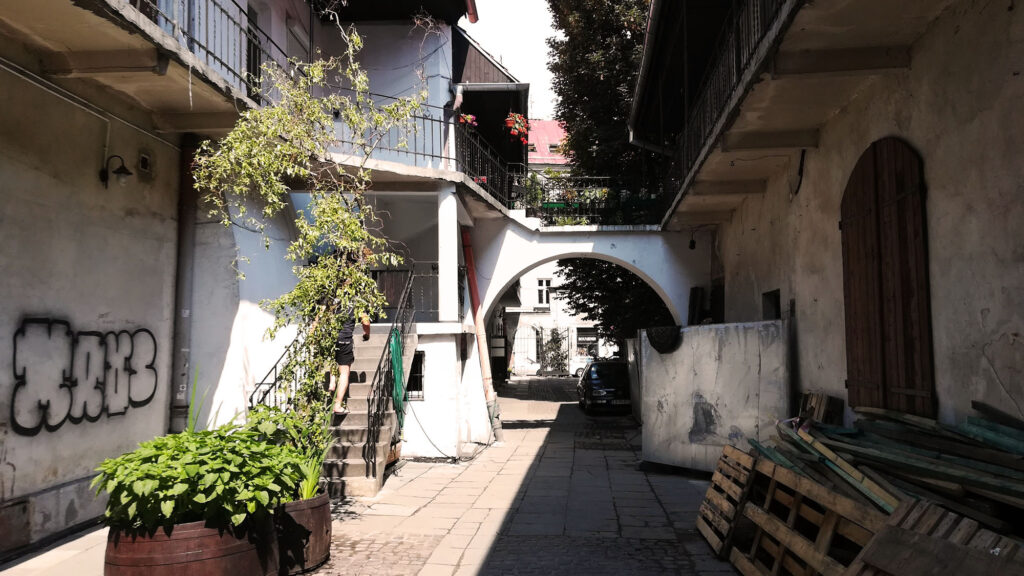
Schindler’s List Passage
The famous, narrow, and steep staircase where Mrs. Dresner hides from Nazis in Schindler's List is located at Józefa 12 in the Kazimierz district of Kraków.
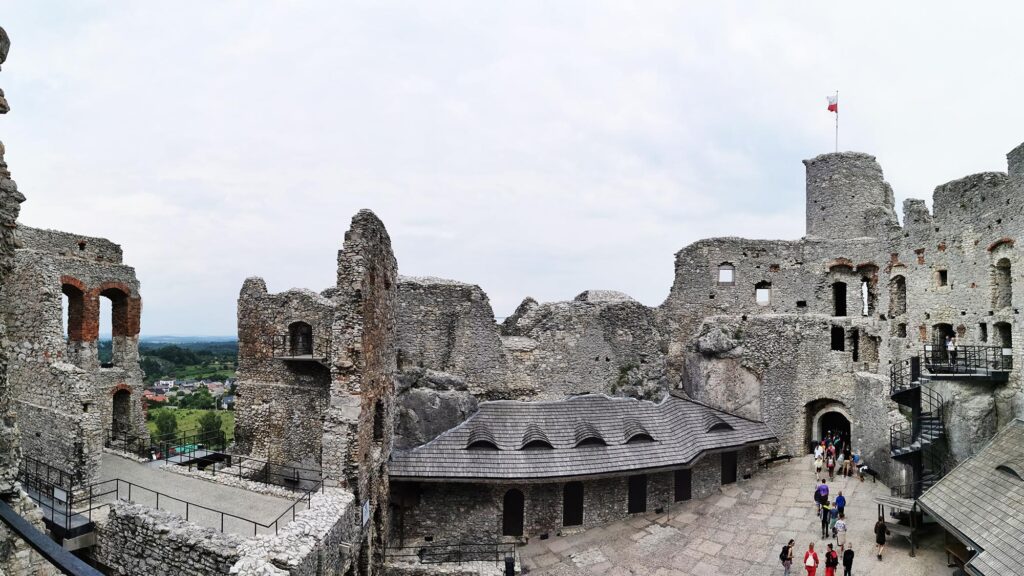
Ogrodzieniec Castle
Ogrodzieniec Castle has appeared in Janosik (1973–1974), The Knight (1980), The Revenge (2002), The Witcher (2019) and the Australian series Spellbinder (1995).
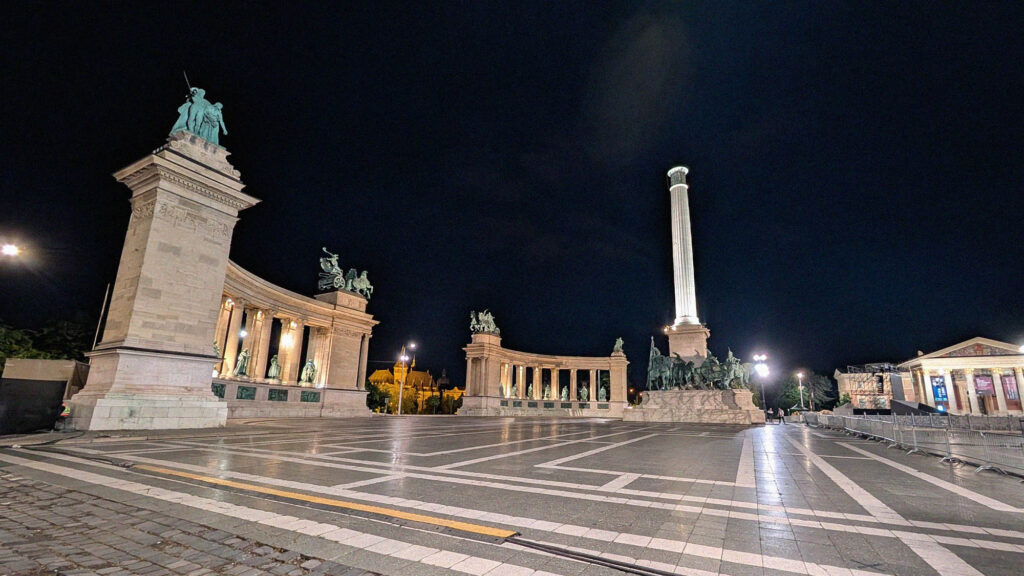
Heroes’ Square
Heroes’ Square appears in A Good Day to Die Hard (2013), Red Sparrow (2018), and Gemini Man (2019).
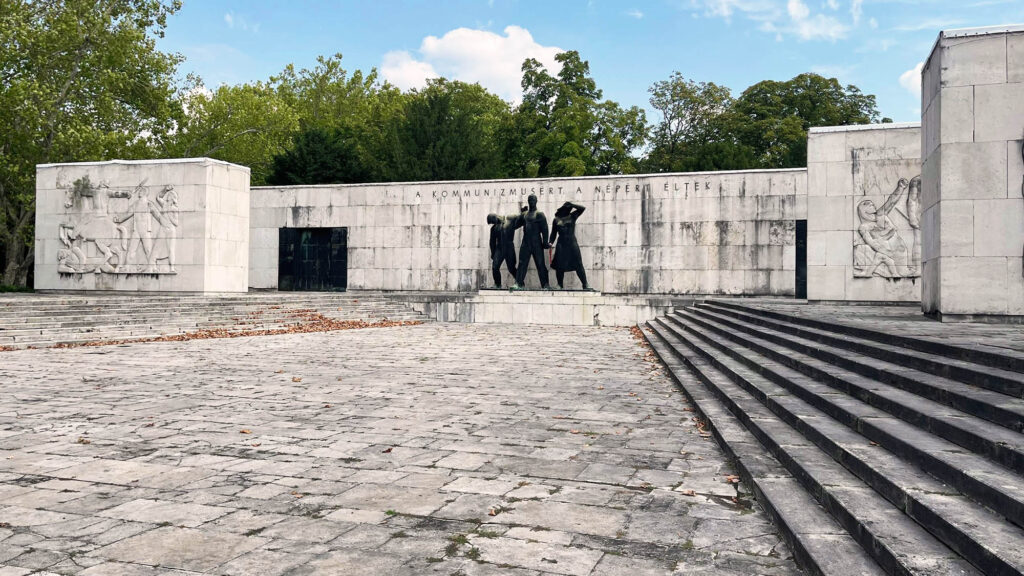
Kerepesi Cemetery
Kerepesi Cemetery appears in Dune: Part Two (2024), Red Sparrow (2018), and The Boy in the Striped Pajamas (2008).
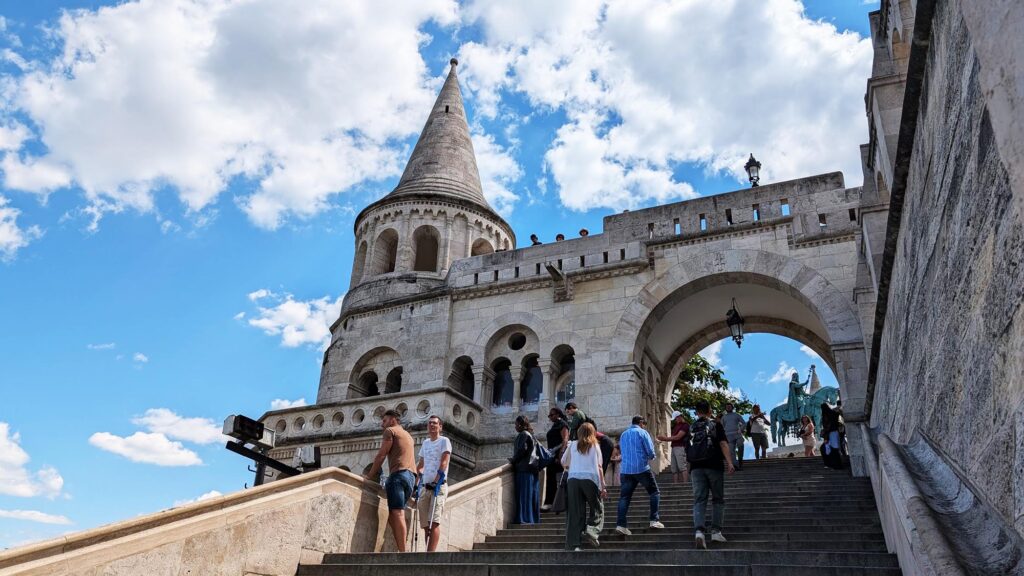
Fisherman’s Bastion
Fisherman’s Bastion has appeared in several international productions, including "I Spy" (2002), "Tinker Tailor Soldier Spy" (2011) and "Gemini Man" (2019).

Müpa Budapest
Müpa Budapest appears in The Martian (2015) and The Day of the Jackal (2024–). In both productions, Müpa is used as a modern institutional building.
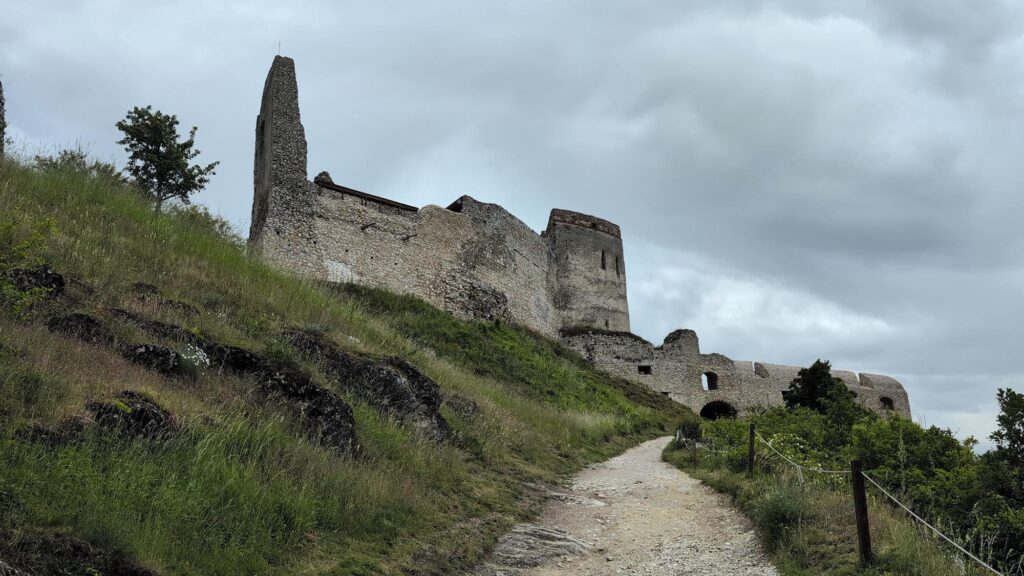
Čachtice Castle
Čachtice Castle has appeared in movies like The Mystery of the Carpathian Castle (1981), Dragonheart (1996) and Bathory (2008).