
Rigshospitalet is Denmark’s principal highly specialised hospital, located on Blegdamsvej in the Østerbro district of Copenhagen. Its history can be traced to the Royal Frederik’s Hospital, which opened in Bredgade in 1757 as Denmark’s first hospital established for the general treatment of patients. The institution moved to Blegdamsvej in 1910, passed into state ownership and was renamed Rigshospitalet, meaning the National Hospital or Hospital of the Realm. The original complex consisted of separate hospital pavilions intended to reduce the spread of infection. These were gradually replaced during a major reconstruction programme, culminating in the opening of the present central complex in 1970. Its sixteen-storey concrete ward block became one of Copenhagen’s most recognisable modern hospital buildings. Later additions include a rooftop helipad and the North Wing, which opened in 2020. Rigshospitalet is affiliated with the University of Copenhagen and functions both as a teaching hospital and as a national referral centre for treatments requiring specialised personnel and equipment.
Rigshospitalet has appeared in Komtessen (1961), The Marksman (1977), Winterborn (1978), The Kingdom (1994–2022), Charlot and Charlotte (1996), Stjerner uden hjerner (1997), Open Hearts (2002), The Killing (2007–2012), The Bridge (2011–2018) and Darkland (2017). Its former entrance, maternity wards, roof, basement corridors, lifts, exterior façades and surrounding roads have represented both fictional hospitals and Rigshospitalet itself. The building is most closely associated with Lars von Trier’s The Kingdom, whose Danish title, Riget, is taken from the common abbreviated name for the real hospital.
In Komtessen (1961), Rigshospitalet appears briefly as the local hospital used towards the end of the story. The film follows two seventeen-year-old girls, Maria and Betina, who discover that they were born on the same day and gradually uncover a connection between their families. During the film’s final section, a black Falck ambulance is shown driving through Rigshospitalet’s former main entrance as the story moves to the hospital following an accident. Only the exterior entrance was used, and the hospital is not identified as Rigshospitalet within the rural story.
In The Marksman (1977), originally released as Skytten, the roof of Rigshospitalet becomes one of the principal positions used by a politically motivated sniper. The thriller follows a fanatical marksman who interprets a journalist’s opposition to nuclear power as justification for a campaign of violence. He begins shooting selected people and threatens to continue until Denmark abandons its nuclear programme. In the film’s best-known sequence, the marksman lies on the roof of Rigshospitalet and aims across Fælledparken towards Idrætsparken, the former national football stadium. During an international match between Denmark and Poland, he shoots Danish player Allan Simonsen on the pitch. The elevated hospital roof provides the clear line of sight required by the story and later becomes central to the violent conclusion as the police close in on the gunman.
In Winterborn (1978), originally released as Vinterbørn, Rigshospitalet is not merely a background location but the principal environment of the film. The social drama follows a group of pregnant women admitted for observation because of medical complications. Although they differ in age, personality and social background, their shared uncertainty creates a temporary community within the maternity ward. The story concentrates particularly on Marie, a nursery-school teacher expecting a child with a Greenlandic musician, while also following the relationships, fears and domestic circumstances of the other patients. Filming took place in Rigshospitalet’s former maternity department on Tagensvej shortly after the unit had moved out. The vacated rooms, corridors, examination spaces and wards were still intact, allowing the production to work inside an authentic hospital department without disturbing active patients.
In The Kingdom (1994–2022), originally released as Riget, Rigshospitalet appears as itself and provides the foundation for the entire series. The story combines medical drama, black comedy and supernatural horror within a hospital built on ground where linen bleachers once worked beside the old ponds of Blegdammene. The psychic patient Sigrid Drusse has herself repeatedly admitted so that she can investigate the crying ghost of a murdered child, while the Swedish neurosurgeon Stig Helmer becomes increasingly enraged by Denmark, his colleagues and the hospital administration. Other storylines involve secret medical societies, stolen human remains, experimental operations, malpractice investigations, demonic pregnancies and a growing conflict between the rational medical institution and the supernatural forces beneath it.
For the first two seasons, released in 1994 and 1997, the production was allowed to film in the real hospital’s basements, service areas and lifts. These spaces appear as Drusse, her son Bulder and hospital porter Krogshøj move through the building in search of hidden rooms, archives and evidence of the hospital’s past. The medical wards and many offices were constructed inside industrial buildings in Taastrup, while additional underground passages were filmed at Garderhøjfortet. Exterior views of Rigshospitalet’s central block repeatedly establish the enormous institution above the haunted ground.
Rigshospitalet returned for the third season, The Kingdom Exodus, in 2022. Sleepwalker Karen Svensson arrives outside the hospital after watching the unresolved ending of the original series and becomes determined to complete Drusse’s investigation. The production filmed inside a temporarily empty hospital wing as well as in basement and service areas scheduled for renovation. The real entrance and high-rise exterior appear as Karen enters the Kingdom, while corridors and underground spaces surround her encounters with porter Balder, surgeon Helmer Junior and the hospital’s revived supernatural conflict. Other underground material was again filmed at Garderhøjfortet, meaning that the screen version of the hospital remains a combination of real Rigshospitalet locations, separate historic passages and constructed interiors.
In Charlot and Charlotte (1996), originally released as Charlot og Charlotte, Rigshospitalet is the institution from which the elderly Count Birksted escapes. The four-part road series follows the impulsive Charlot and the more restrained Charlotte after they meet in Copenhagen and begin travelling north through Denmark. Near the beginning of their journey, they encounter Birksted walking beside the road in hospital clothing. He has fled Rigshospitalet because he wants to return to his family property on Funen and die in familiar surroundings rather than remain in hospital. Charlot and Charlotte agree to take him with them, and his escape becomes one of the incidents that redirects their journey. Rigshospitalet supplies the hospital setting from which Birksted begins his attempt to return home, while Lykkesholm Castle represents his family estate.
In Stjerner uden hjerner (1997), Rigshospitalet is where Solveig is treated after being deliberately run down by members of the celebrity group at the centre of the comedy. Solveig had previously been involved with the famous Morten, but the group manipulated the media into portraying her as psychologically unstable. Their attempt to silence her culminates in her being struck by their red Alfa Romeo Spider and left seriously injured. She is subsequently shown at Rigshospitalet with extensive physical and emotional injuries. Television reporter Charlotte begins investigating the circumstances surrounding Solveig’s condition and gradually uncovers the behaviour of the supposedly glamorous celebrities. The hospital therefore provides both the aftermath of the attack and the starting point for the investigation that threatens the group’s public image.
In Open Hearts (2002), originally released as Elsker dig for evigt, Rigshospitalet provides the hospital environment in which the lives of the central characters become connected. Cecilie and Joachim are preparing to marry when Joachim is struck by a car driven by Marie and is paralysed from the neck down. He is taken to hospital, where his inability to accept his condition leads him to behave destructively and push Cecilie away. Marie’s husband, Niels, is a doctor at the hospital and begins speaking with Cecilie while keeping her informed about Joachim’s condition. Their conversations develop into an affair, placing both relationships under increasing pressure. Rigshospitalet’s corridors, patient areas and entrances contribute to the deliberately immediate Dogme-style presentation of Joachim’s treatment and the encounters between Cecilie and Niels.
In The Killing (2007–2012), originally released as Forbrydelsen, Rigshospitalet supplies exterior views of a Copenhagen hospital used during the series. The crime drama follows detective Sarah Lund through three long investigations involving murder, politics, business interests and the personal lives of the victims’ families. Rigshospitalet is used principally to establish the hospital before the story moves to patient rooms and treatment areas created elsewhere. Public location records do not identify the individual episode and patient storyline with enough precision to assign every interior hospital scene to the real building.
In the first season of The Bridge (2011–2018), originally released as Bron/Broen, Rigshospitalet appears in the parallel storyline involving the wealthy Swedish couple Göran and Charlotte Söringer. Göran is transported across the Øresund Bridge to Copenhagen for a heart transplant, but the ambulance is initially delayed when a bisected body is discovered on the Danish-Swedish border. At Rigshospitalet, doctors decide that Göran is temporarily too weak to undergo surgery, and the available donor heart is given to another patient. Charlotte attempts to use her wealth to influence the hospital, offering to finance a new CT scanner if another heart can be found in time. Göran eventually receives a transplant in the second episode, but after regaining consciousness he tells Charlotte that he intends to leave her and subsequently suffers a serious relapse. Unlike many productions that disguise the building as a fictional institution, the series explicitly identifies the location as Rigshospitalet.
In Darkland (2017), originally released as Underverden, Rigshospitalet represents the workplace of Zaid, a successful heart surgeon whose younger brother Yasin is fatally assaulted by members of Copenhagen’s criminal underworld. Zaid is performing surgery when he is informed that Yasin has been brought to the emergency department. He reaches his brother’s bedside but is told that nothing more can be done, and Yasin dies from his injuries. Zaid’s frustration with the police investigation eventually leads him to become a masked vigilante while continuing his work at the hospital. Later scenes show him treating a young cardiac patient and struggling to maintain his professional life as his campaign of revenge becomes increasingly violent. During the climax, the injured Zaid brings a boy with a gunshot wound to the hospital and hands him over to his colleagues. He then learns that his partner Stine has given birth in the same building and secretly moves through the hospital to see her and their child before surrendering to the police outside.
Hovs Hallar
Hovs Hallar has appeared in Salka Valka (1954), The Seventh Seal (1957), Hour of the Wolf (1968) and The Flight of the Eagle (1982).
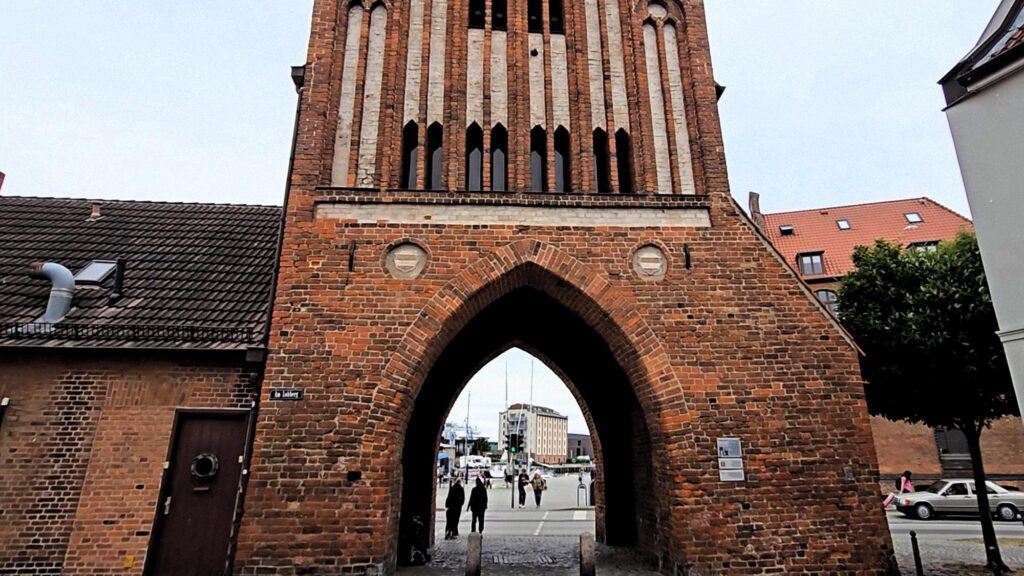
Wassertor
Wassertor appears in Nosferatu: A Symphony of Horror (1922). Wismar was used as the fictional town of Wisborg, and Wassertor is one of the real locations.
Swinemünder Brücke
Swinemünder Bridge is in Funeral in Berlin, Target, Judgment in Berlin, Die Frau vom Checkpoint Charlie, Das Wunder von Berlin, Weissensee and many more.
Teufelsberg
Teufelsberg is in Aufwind (1979), The Gamblers, We Are the Night, Allein gegen die Zeit, Covert Affairs, Manifesto, Berlin Station, You Are Wanted and more.
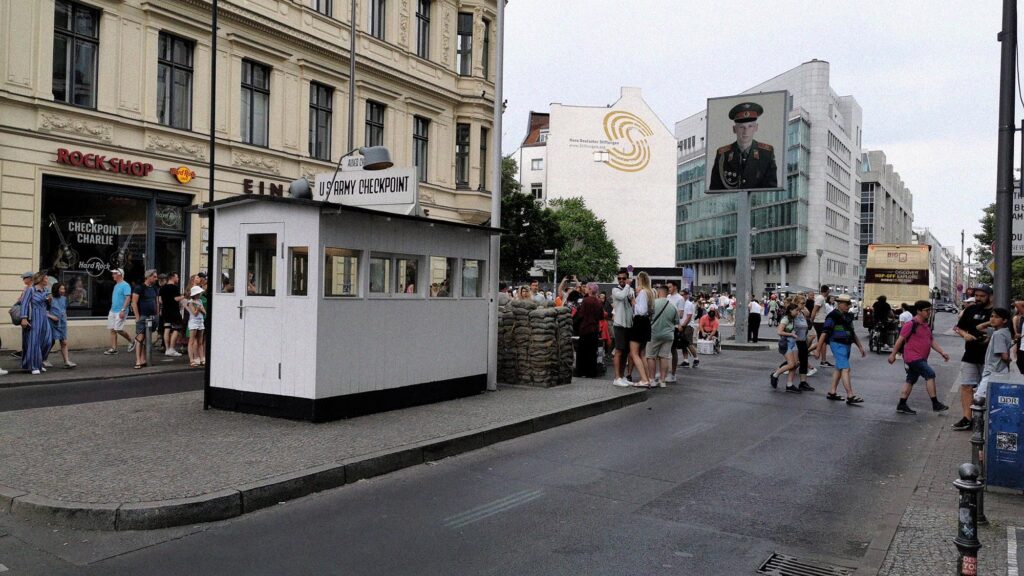
Checkpoint Charlie
Checkpoint Charlie are used in productions on the real site are Octopussy, Funeral in Berlin, and A Dandy in Aspic.
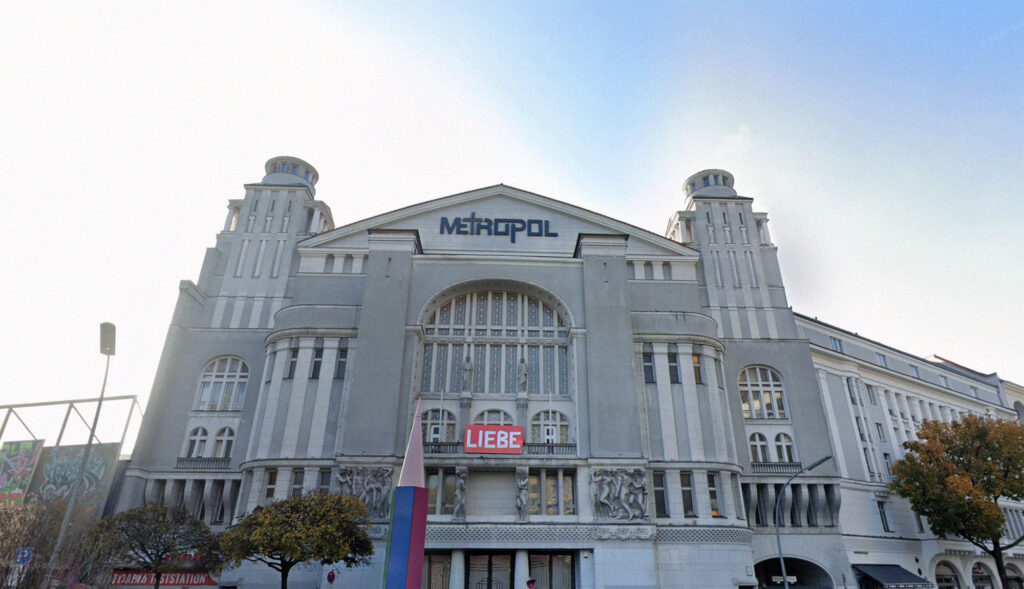
Metropol
Metropol has appeared in movies and series like The Invisible Dr. Mabuse (1962), Demons (1985), Deathline (1996) and Babylon Berlin (2017–).
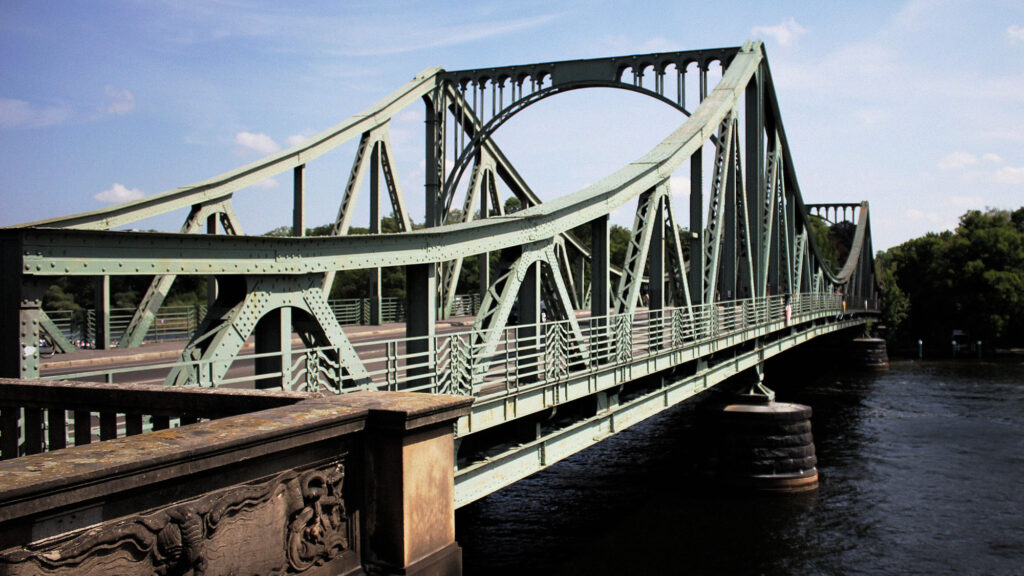
Glienicke Bridge
Glienicke Bridge has appeared in Under the Bridges, Hilde, Bridge of Spies, Kundschafter des Friedens and Havelland-Krimi: Hinter der Fassade.
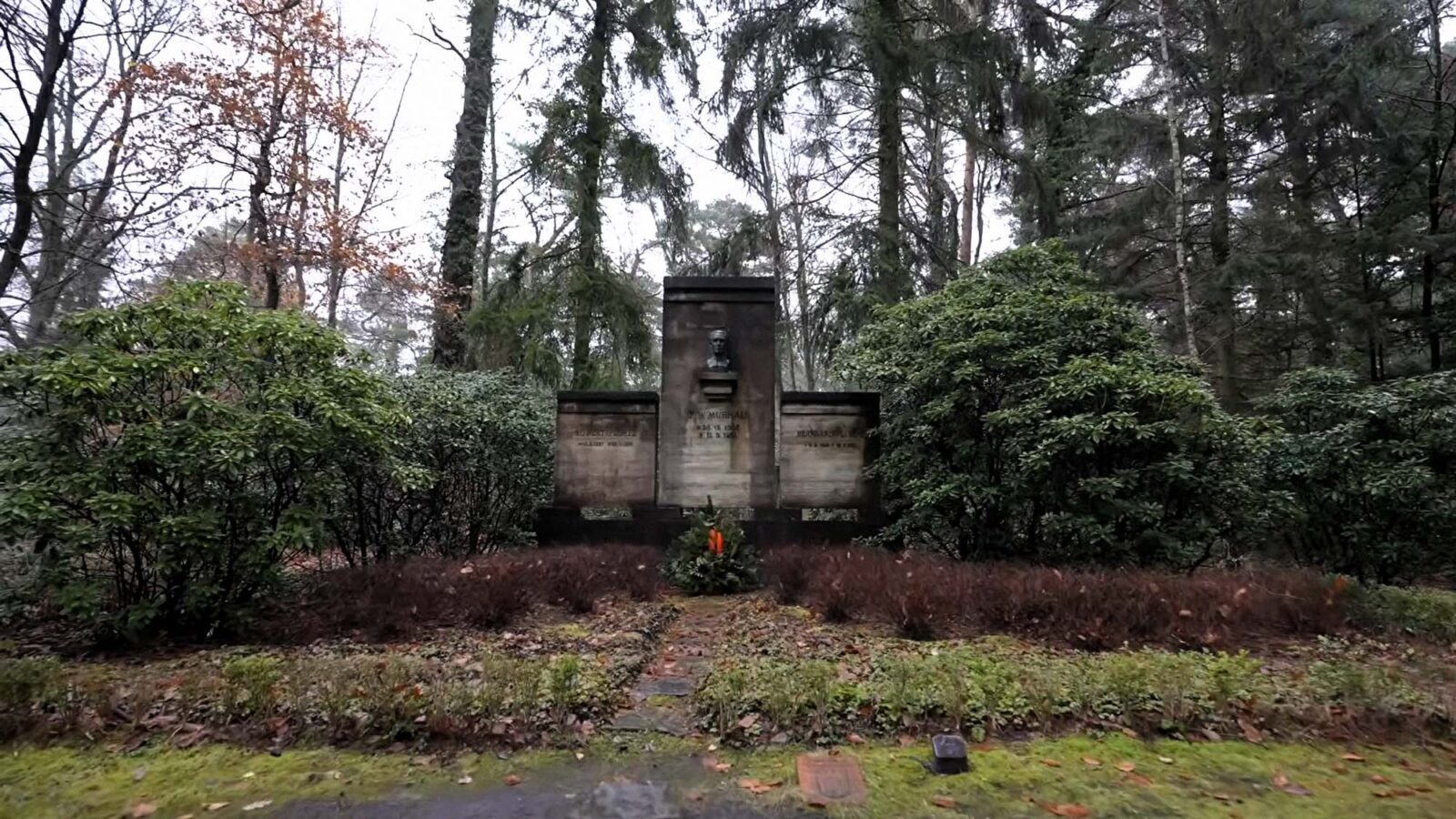
Südwestkirchhof Stahnsdorf
Südwestkirchhof Stahnsdorf is a large forest cemetery in Stahnsdorf, Brandenburg, immediately southwest of Berlin, Germany. The cemetery was created by the Protestant…
Phaeno Science Center
Phaeno Science Center has appeared in The International (2009), Helden – Wenn dein Land dich braucht (2013) and the television series Arcadia (2023).