
Hovs Hallar is a rugged coastal area at the northern end of the Bjäre Peninsula in Båstad Municipality, Skåne County, Sweden. It forms the westernmost extension of the Hallandsåsen ridge, where steep cliffs descend towards the sea between Båstad and Torekov. The coastline is characterised by reddish gneiss, detached rock pillars, cave-like formations, shingle beaches and fields of rounded stones shaped by the waves. Above the cliffs are open pastures dominated by juniper and low coastal vegetation. Hovs Hallar lies within Bjärekusten Nature Reserve, which protects both the rocky shoreline and the surrounding grazing landscape. In recognition of its importance to European cinema, the European Film Academy designated Hovs Hallar a Treasure of European Film Culture in 2017.
Hovs Hallar has appeared in Salka Valka (1954), The Seventh Seal (1957), Hour of the Wolf (1968) and The Flight of the Eagle (1982). Its cliffs, exposed fields, rocky beaches and open sea have represented the coast of Iceland, a plague-stricken medieval landscape, an isolated island inhabited by an increasingly disturbed artist and the Arctic departure point of S. A. Andrée’s attempted balloon expedition to the North Pole.
In Salka Valka (1954), Hovs Hallar represents part of the Icelandic coastline surrounding the fictional fishing village of Íseyri. The film, directed by Arne Mattsson and adapted from Halldór Laxness’s novel, follows Salka from childhood into adulthood as she and her mother, Sigurlína, struggle with poverty, exploitation and unstable relationships within the isolated community. Much of the location filming took place around Grindavík in Iceland, while the dramatic sequence surrounding Sigurlína’s death was filmed at Hovs Hallar. After Steinthór abandons her shortly before their planned marriage, the distraught Sigurlína disappears and is later found drowned on the shore. Hovs Hallar’s dark cliffs and stony coastline are used as a substitute for Iceland during this turning point in Salka’s life.
In The Seventh Seal (1957), originally released as Det sjunde inseglet, Hovs Hallar appears in both the opening and closing sequences. The film begins with the knight Antonius Block and his squire Jöns sleeping on the rocky beach after returning from the Crusades. Block washes at the water’s edge and attempts to pray before encountering Death, who has come to claim him. Hoping to delay the inevitable, the knight challenges Death to a game of chess played among the coastal rocks. The final image was also filmed at Hovs Hallar, where Jof sees Death leading Block and the other doomed travellers across the ridge in a silhouetted dance macabre. The shot was improvised when Ingmar Bergman noticed a distinctive storm cloud after filming had finished for the day. Several actors had already left, so crew members and tourists replaced them in the distant silhouette.
In Hour of the Wolf (1968), originally released as Vargtimmen, Hovs Hallar provides most of the exterior landscape surrounding the remote island home of artist Johan Borg and his pregnant wife Alma. A cottage was constructed near the coast for the production, with the cliffs, open fields and rocky shoreline creating the isolated environment in which Johan’s psychological condition deteriorates. The couple walk through the surrounding landscape and receive visits from the mysterious inhabitants of a nearby castle, while Johan gradually becomes unable to separate reality from his memories and hallucinations. The Hovs Hallar shoreline is particularly prominent when Johan fishes from the rocks and is approached by a boy who repeatedly provokes him. Johan attacks and kills the boy before pushing his body into the sea. The same harsh landscape continues through Alma’s search for Johan after he disappears among the island’s rocks and vegetation.
In The Flight of the Eagle (1982), originally released as Ingenjör Andrées luftfärd, Hovs Hallar represents Danskøya in Svalbard, the starting point of S. A. Andrée’s unsuccessful 1897 attempt to reach the North Pole by balloon. A large replica of the expedition’s wooden balloon house was constructed on the open ground above the coast, at the time described as the largest exterior set built for a Swedish film. The location is used during the preparations for departure and the climactic launch of the balloon Örnen, carrying Andrée, Nils Strindberg and Knut Frænkel. The replica balloon was actually launched from Hovs Hallar for the sequence, which was recorded simultaneously by several cameras as it moved out over the sea. Additional Arctic material was filmed in northern Sweden and Svalbard, but Hovs Hallar supplies the landscape for the expedition’s historically significant departure from Danskøya.
Rigshospitalet
Rigshospitalet appeared in Komtessen, The Marksman, Winterborn, The Kingdom, Charlot and Charlotte, Stjerner uden hjerner, Open Hearts, The Killing and more.
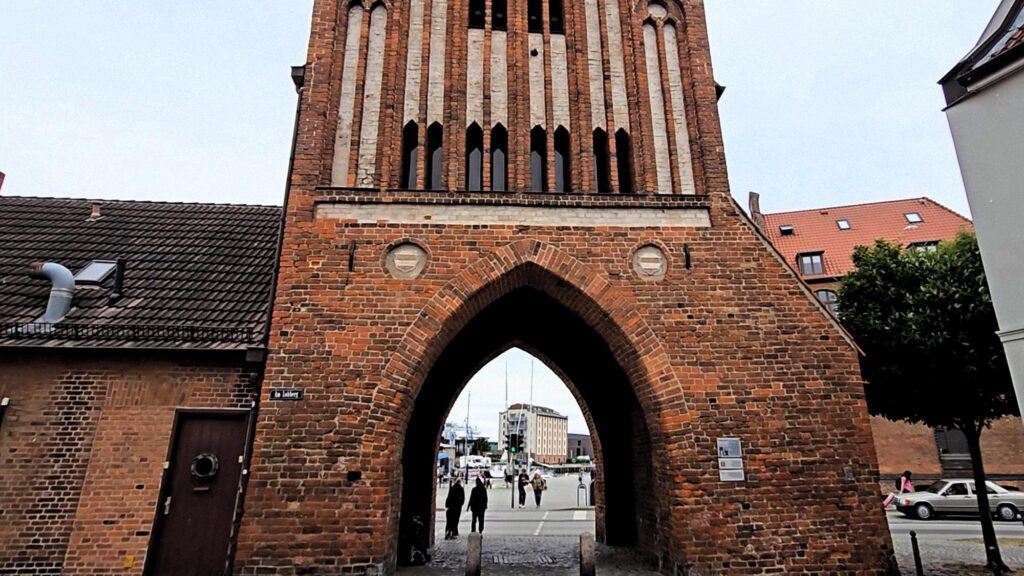
Wassertor
Wassertor appears in Nosferatu: A Symphony of Horror (1922). Wismar was used as the fictional town of Wisborg, and Wassertor is one of the real locations.
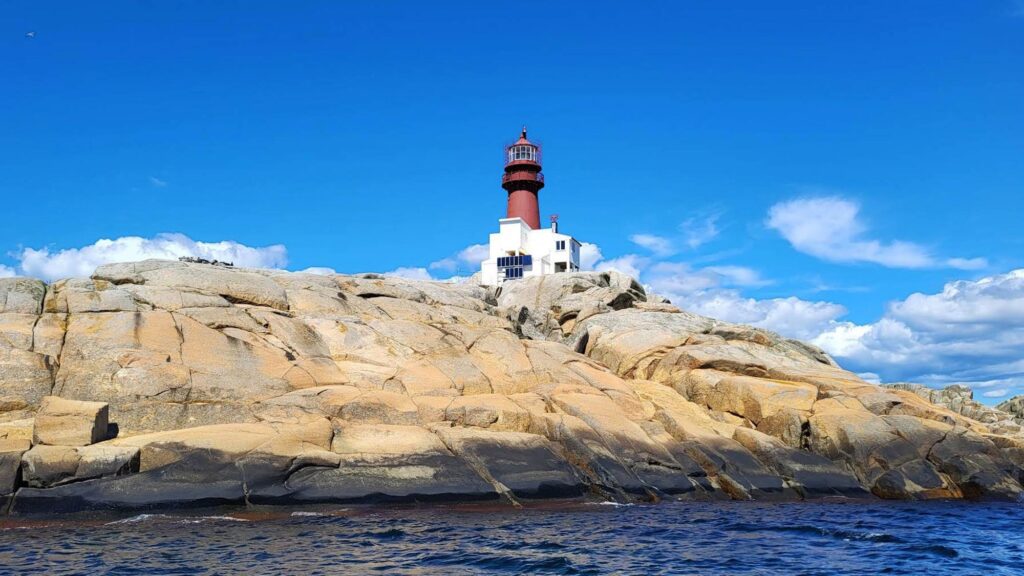
Svenner Lighthouse
Svenner Lighthouse was used in the Norwegian film "Høysommer" (1958). The film is closely tied to the coastal environment.
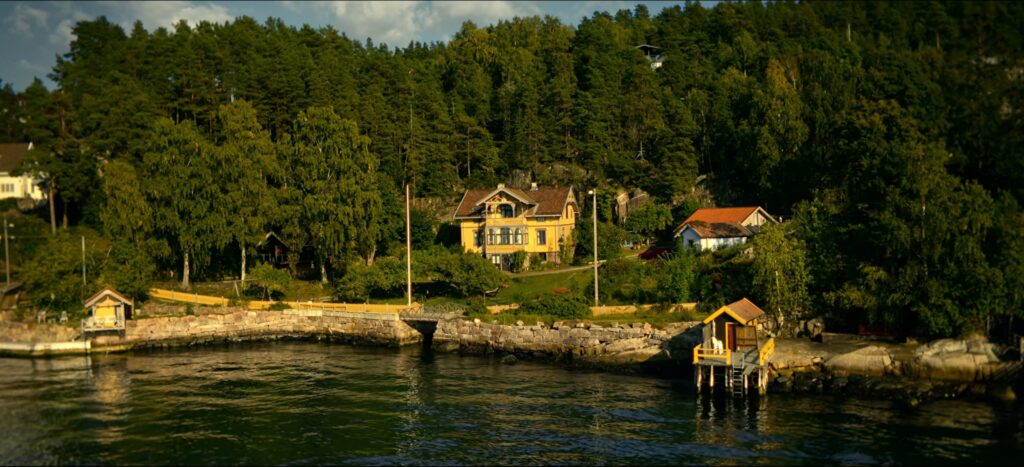
Gamle Bryggevei 19
Gamle Bryggevei 19 appears in Jo Nesbø’s Detective Hole (2026), where it is used as the home of Rakel Fauske and her son Oleg.
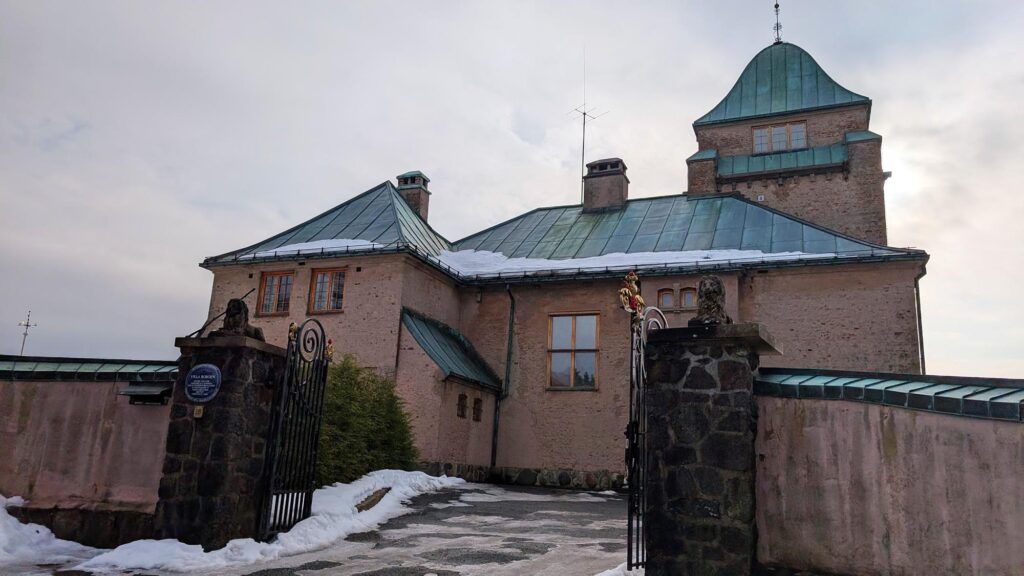
Villa Borgen
Villa Borgen is a protected manor villa at Sommerfrydveien 28 in the Bragernes district of Drammen. Situated on Bragernesåsen, with views over…
Villa Lilleborg
Villa Lilleborg is used In "Max Manus" (2008) near the beginning of the film, when the resistance group gathers at the house.
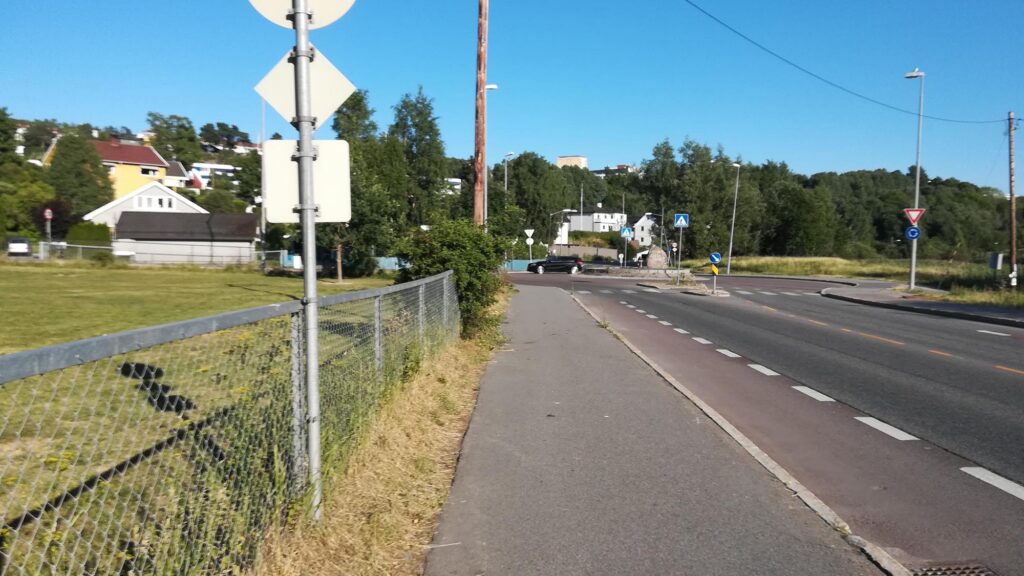
Østensjøveien
Østensjøveien in Oslo appears in the opening section of "Lasse & Geir", the 1976 Norwegian drama and cult film directed by Svend Wam.
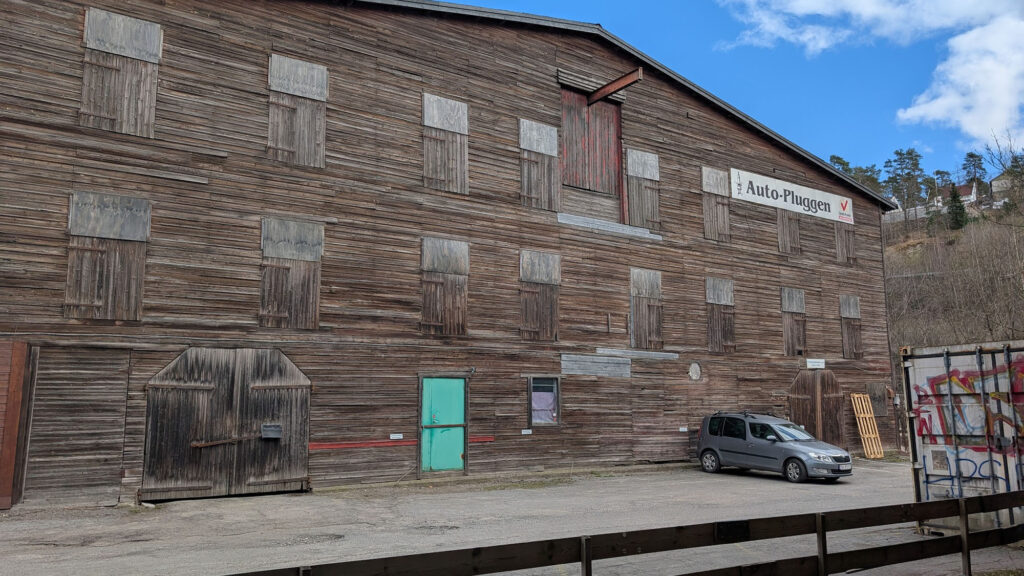
Autopluggen
In Jo Nesbø’s Detective Hole (2026), Autopluggen is used in the scene where Harry Hole stops under a bridge beside the run-down building and bribes a couple.
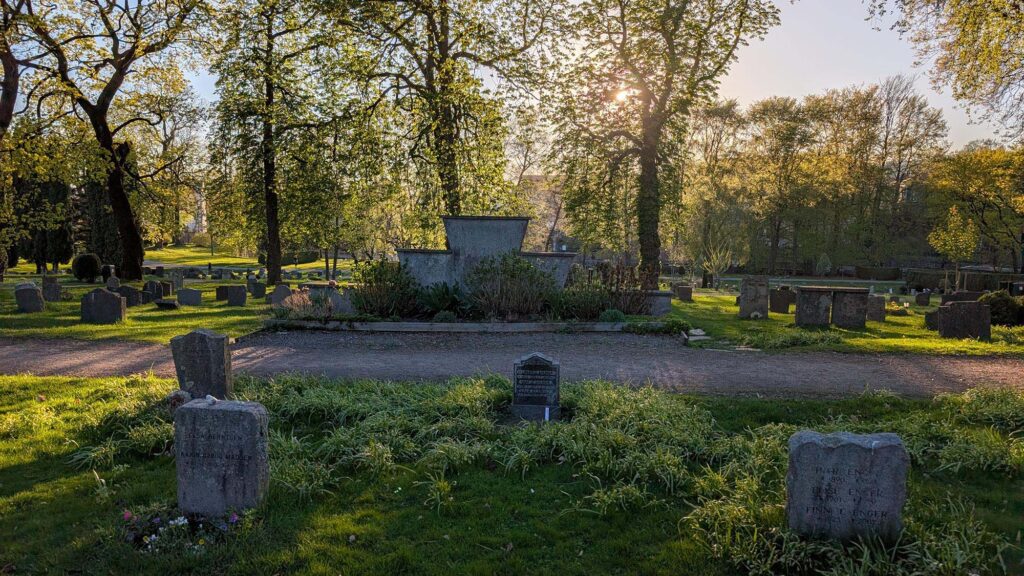
Gamlebyen gravlund
In Jo Nesbø’s Detective Hole (2026), Gamlebyen gravkapell in Gamlebyen gravlund is used for Ellen Gjelten’s funeral.