
Bendlerblock is a historic military and government complex on Stauffenbergstraße in Berlin’s Tiergarten district, close to the Landwehr Canal. The oldest part was built between 1911 and 1914 for the Imperial German Navy Office, with the main building facing the canal and an eastern wing on what was then Bendlerstraße. Further construction and expansion continued during the interwar period, and by 1938 the complex had largely acquired its present form. During the Second World War it housed important sections of the German military command, including the General Army Office under Friedrich Olbricht and later the headquarters of the Reserve Army. From 1943, Claus Schenk Graf von Stauffenberg worked here and became one of the central figures in the military conspiracy against Adolf Hitler. After Stauffenberg planted a bomb at Hitler’s Wolf’s Lair headquarters on 20 July 1944, he returned to the Bendlerblock, where the conspirators attempted to activate Operation Valkyrie and seize control of the government. The coup collapsed after it became clear that Hitler had survived. During the night, Stauffenberg, Friedrich Olbricht, Albrecht Mertz von Quirnheim and Werner von Haeften were executed by firing squad in the courtyard. Bendlerstraße was renamed Stauffenbergstraße in 1955, and the courtyard developed into a memorial to the resistance. The German Resistance Memorial Center now occupies the historic section of the complex, while most of the Bendlerblock has served as the Federal Ministry of Defence’s second official seat since 1993.
Bendlerblock has appeared in The Plot to Assassinate Hitler (1955), originally titled Der 20. Juli, Stauffenberg (2004) and Valkyrie (2008). All three productions deal directly with the 20 July plot, making Bendlerblock an unusual filming location that repeatedly portrays the very historical events that actually occurred there. The 1955 film used the real complex for exterior photography only a decade after the end of the war, while Stauffenberg and Valkyrie were both permitted to recreate the executions in the actual courtyard. Access for film productions is restricted because the courtyard is an active memorial site, and the decision to allow Valkyrie to film there generated considerable debate before permission was eventually granted.
In The Plot to Assassinate Hitler (1955), originally titled Der 20. Juli, Bendlerblock appears as itself during the reconstruction of the military conspiracy surrounding Claus Schenk Graf von Stauffenberg, played by Wolfgang Preiss. After surviving severe wounds in North Africa and becoming involved with the resistance, Stauffenberg joins the plans to assassinate Hitler and eventually carries the bomb into the Wolf’s Lair on 20 July 1944. Believing Hitler to be dead, he returns to Berlin, where the conspirators attempt to use Operation Valkyrie to take control of the state from their headquarters at Bendlerstraße. Authentic exterior footage was filmed at the real Bendlerblock, placing the actors outside the same military complex in which Stauffenberg and his fellow conspirators had worked only eleven years earlier. Much of the production was made at the CCC studios in Berlin-Spandau, so the surviving location photography is particularly notable as an early post-war screen record of Bendlerblock before the site had fully developed into the memorial complex seen today. The film was made by Falk Harnack, who had himself been involved in resistance against the Nazi regime, and received advice from Rudolf-Christoph von Gersdorff, one of the military officers connected to the conspiracy.
In Stauffenberg (2004), internationally released as Operation Valkyrie, Bendlerblock is used for the film’s final and most historically significant sequence. Sebastian Koch plays Claus von Stauffenberg, who returns to Berlin after the bombing at the Wolf’s Lair and joins Friedrich Olbricht, Albrecht Mertz von Quirnheim, Ludwig Beck and the other conspirators in attempting to put Operation Valkyrie into effect. As reports confirm that Hitler survived, military support for the coup collapses and the conspirators inside Bendlerblock are arrested. General Friedrich Fromm attempts to distance himself from the plot by ordering the immediate execution of Stauffenberg, Olbricht, Mertz von Quirnheim and Werner von Haeften. The four men are taken into the courtyard and shot by firing squad, with the sequence filmed at the actual place where the executions occurred during the night of 20–21 July 1944. While the interiors representing Bendlerblock were constructed in a studio in Cologne, director Jo Baier was allowed to film the execution scene at the historic courtyard for a single night. The result gives the conclusion an unusual physical connection to the events it reconstructs, with Koch standing in essentially the same location as the real Stauffenberg sixty years earlier.
In Valkyrie (2008), Bendlerblock again portrays itself as the headquarters from which the conspirators attempt to overthrow Hitler’s government. Tom Cruise’s Claus von Stauffenberg returns to Berlin after planting the bomb at the Wolf’s Lair and joins Friedrich Olbricht, Ludwig Beck, Albrecht Mertz von Quirnheim and the other officers as they try to activate Operation Valkyrie before confirmation of Hitler’s survival destroys their plan. Although many of the interior scenes representing Bendlerblock were filmed elsewhere, particularly at the former Tempelhof Airport, the production was permitted to use the real complex for one daytime scene and three night scenes. The courtyard can be seen as troops enter the headquarters during the collapse of the coup, and it becomes the setting for the film’s climax after General Fromm orders the conspirators executed. Stauffenberg, Olbricht, Mertz von Quirnheim and Haeften are taken outside into the courtyard and placed before a firing squad illuminated by vehicle headlights, recreating the executions at the location where they actually took place. Permission to film there was initially refused because of concerns about using a memorial site as a commercial film set, but the decision was later reversed. Before shooting the execution sequence, the cast and crew observed a moment of silence for the men killed there. Part of the footage was subsequently damaged during laboratory processing, forcing the production to obtain permission to return and film the courtyard sequence again.
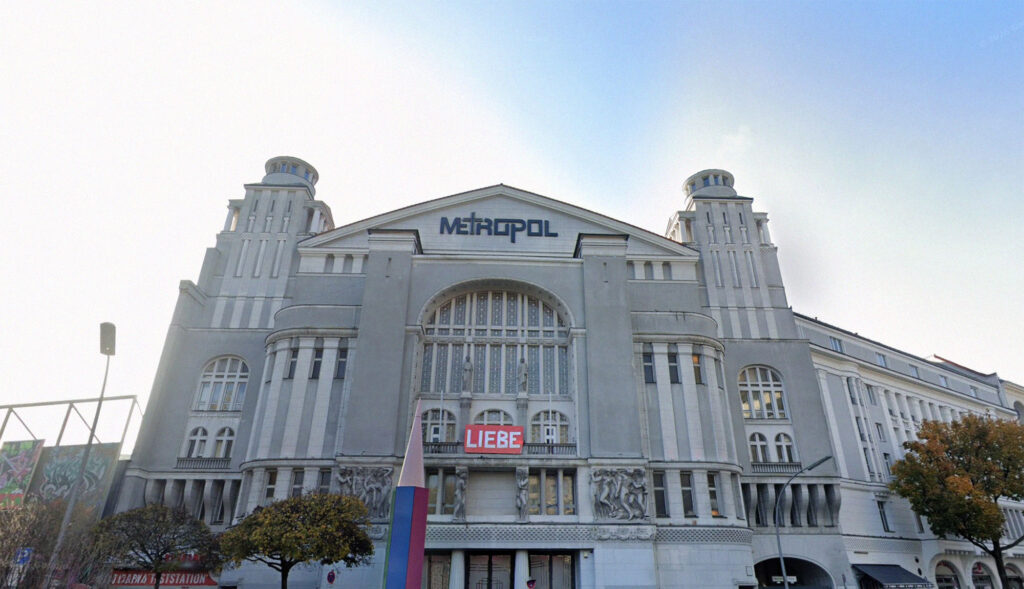
Metropol
Metropol has appeared in movies and series like The Invisible Dr. Mabuse (1962), Demons (1985), Deathline (1996) and Babylon Berlin (2017–).
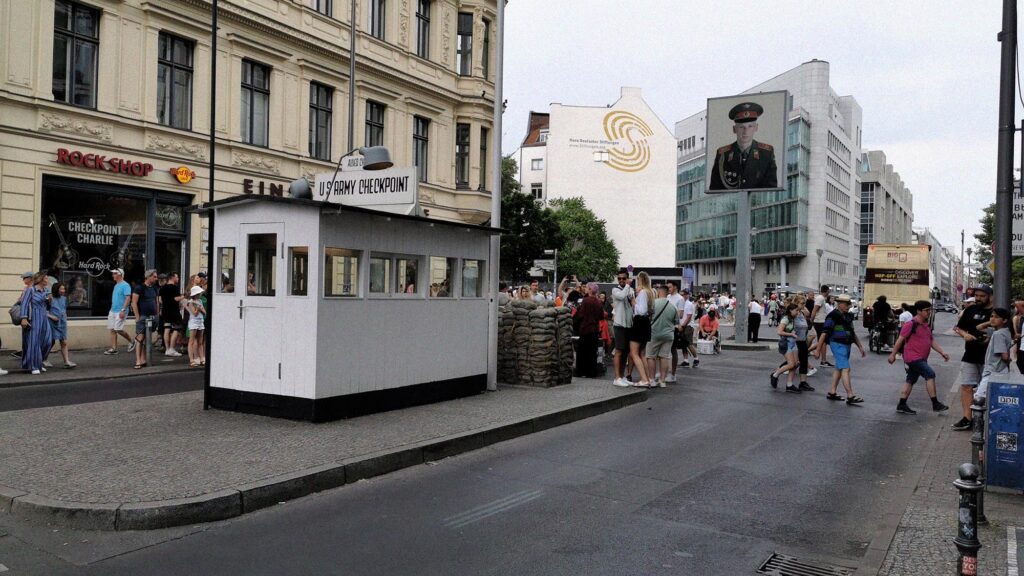
Checkpoint Charlie
Checkpoint Charlie are used in productions on the real site are Octopussy, Funeral in Berlin, and A Dandy in Aspic.
Swinemünder Brücke
Swinemünder Bridge is in Funeral in Berlin, Target, Judgment in Berlin, Die Frau vom Checkpoint Charlie, Das Wunder von Berlin, Weissensee and many more.
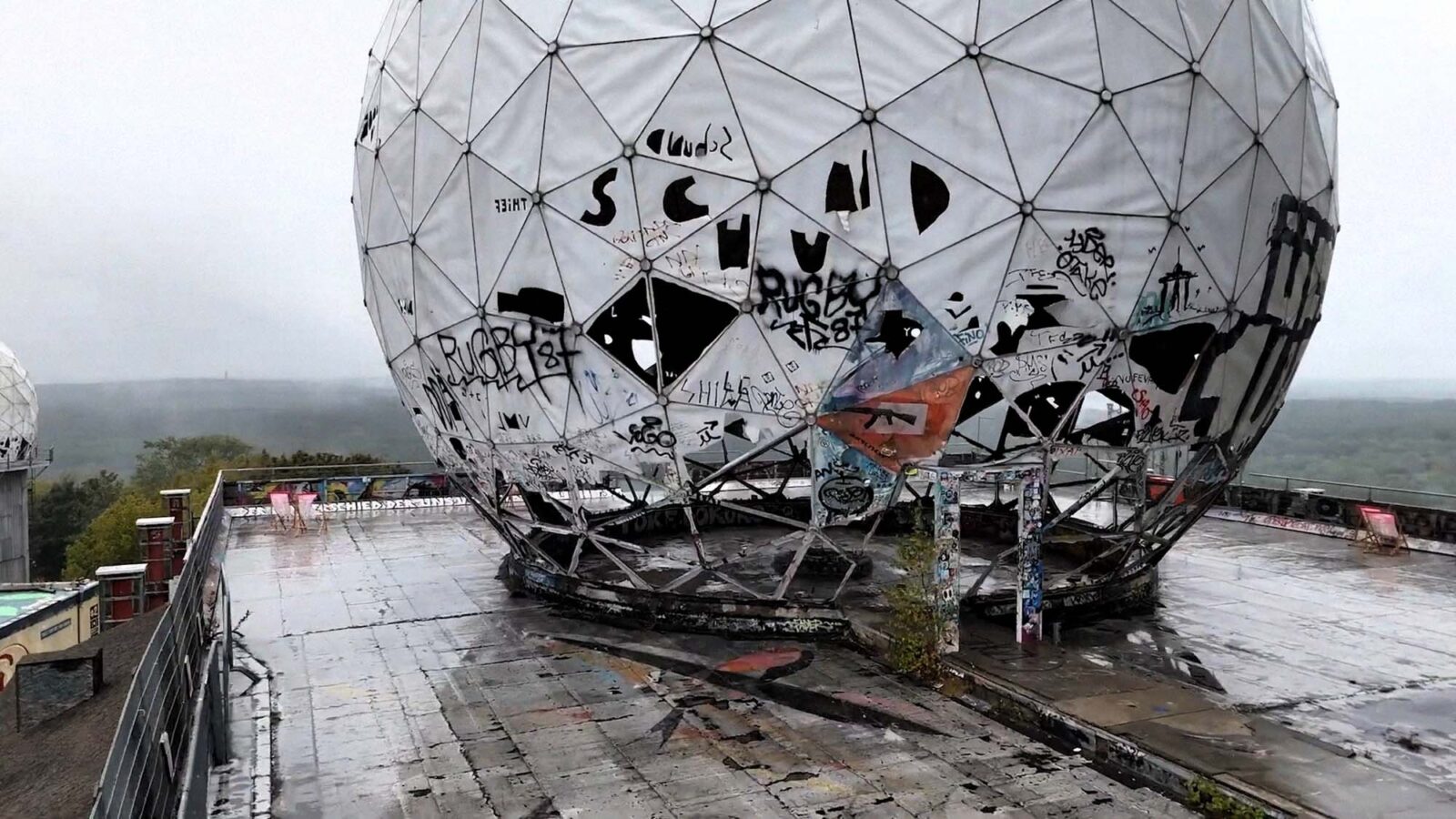
Teufelsberg
Teufelsberg is in Aufwind (1979), The Gamblers, We Are the Night, Allein gegen die Zeit, Covert Affairs, Manifesto, Berlin Station, You Are Wanted and more.
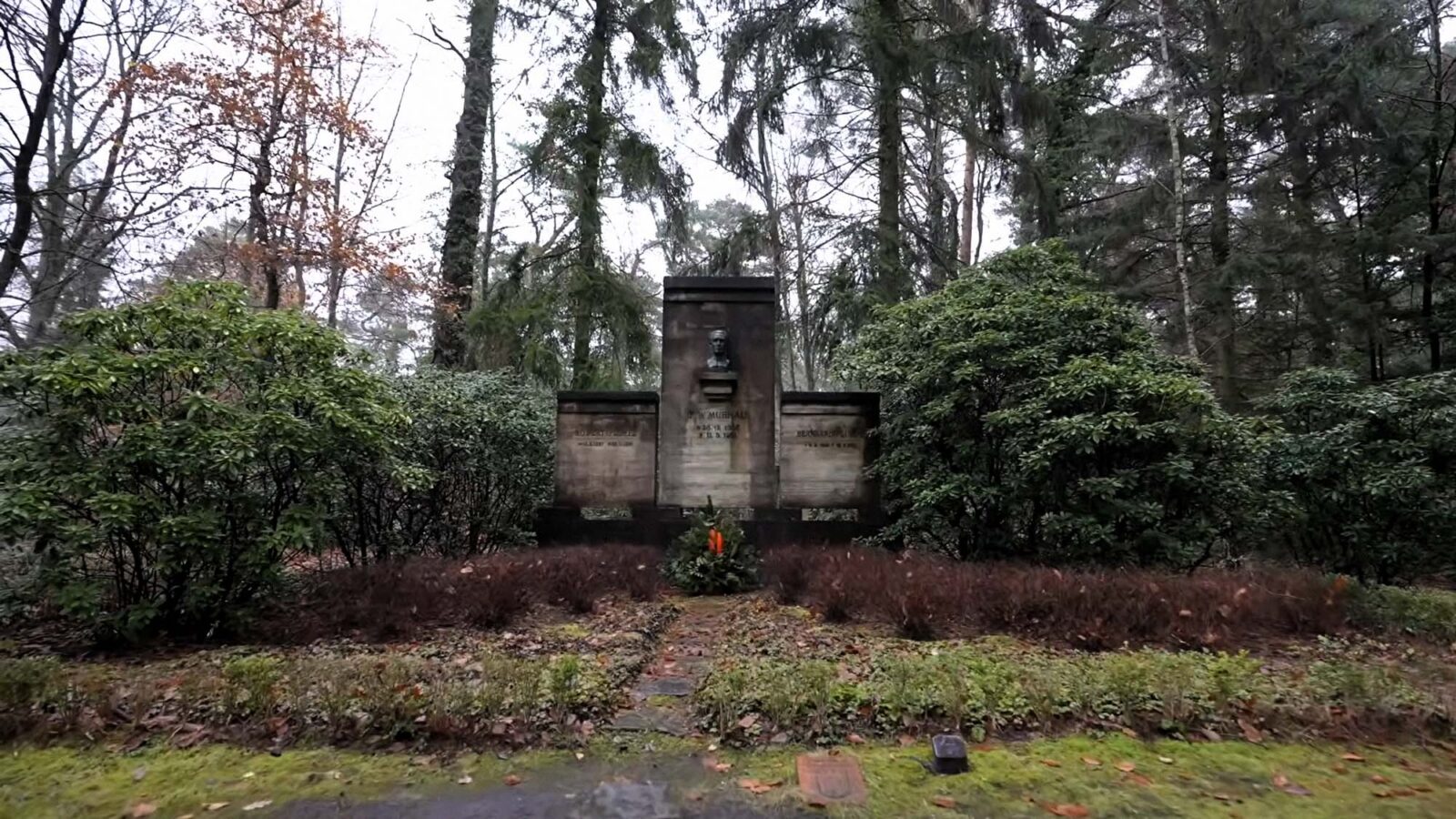
Südwestkirchhof Stahnsdorf
Südwestkirchhof Stahnsdorf is a large forest cemetery in Stahnsdorf, Brandenburg, immediately southwest of Berlin, Germany. The cemetery was created by the Protestant…
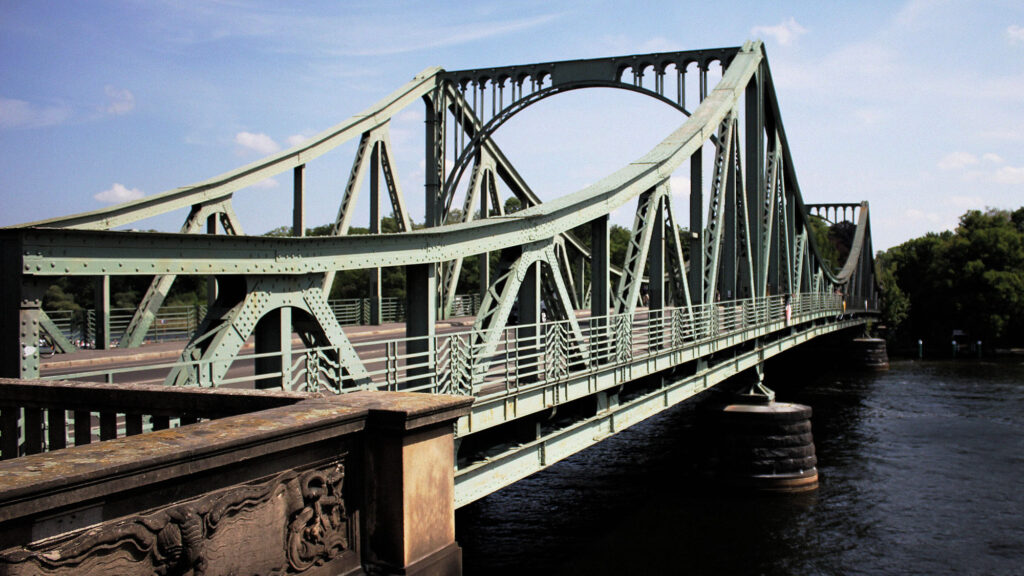
Glienicke Bridge
Glienicke Bridge has appeared in Under the Bridges, Hilde, Bridge of Spies, Kundschafter des Friedens and Havelland-Krimi: Hinter der Fassade.
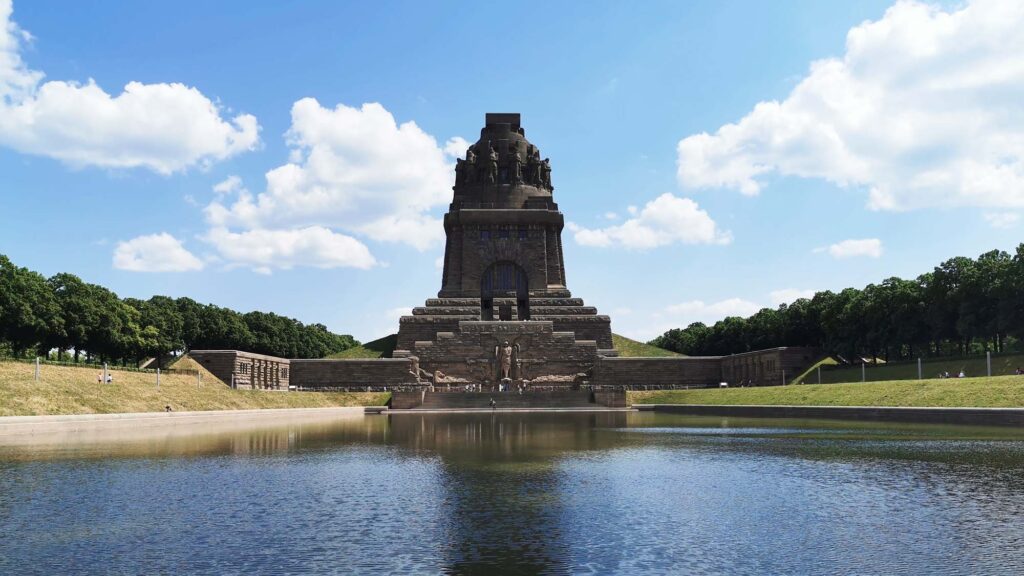
Monument to the Battle of the Nations
The Monument to the Battle of the Nations is in Schwarzer Samt, Das Monstrum, The Hunt for the Amber Room and The Hunger Games The Ballad of Songbirds & Snakes.
Phaeno Science Center
Phaeno Science Center has appeared in The International (2009), Helden – Wenn dein Land dich braucht (2013) and the television series Arcadia (2023).
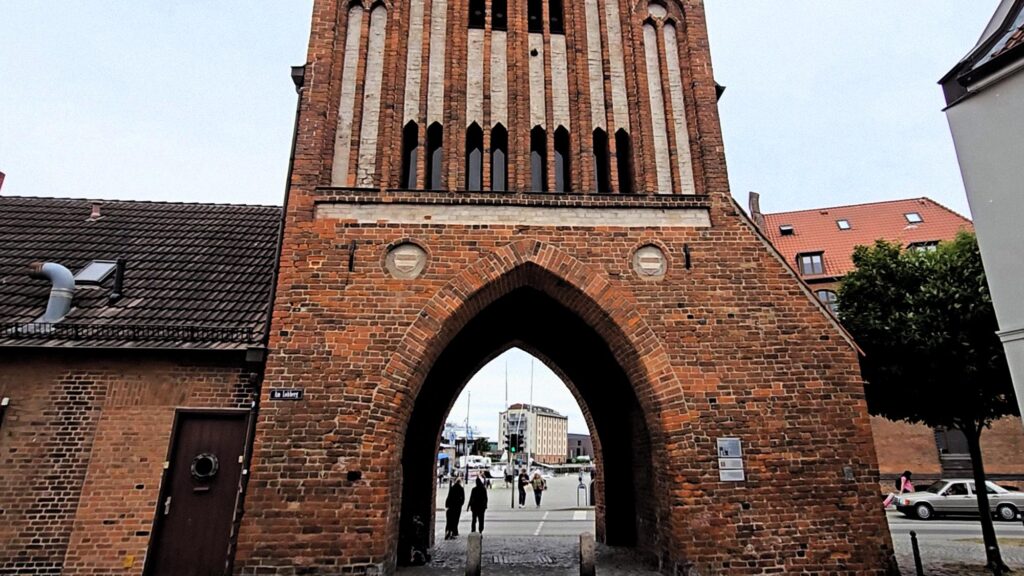
Wassertor
Wassertor appears in Nosferatu: A Symphony of Horror (1922). Wismar was used as the fictional town of Wisborg, and Wassertor is one of the real locations.