
Liechtenstein Palace, known in Czech as Lichtenštejnský palác, is a historic palace at U Sovových mlýnů 506/4 on Kampa Island in the Malá Strana district of Prague, Czech Republic. Situated directly beside the Vltava River, just south of Charles Bridge, the building is particularly recognisable for its long Neo-Renaissance façade rising directly from the riverbank. The history of the property dates to 1555, when the Grand Prior of the Knights of Malta transferred the land to Jiřík Velik of Šonov. Two houses subsequently occupied the site, but both were destroyed during the Thirty Years’ War. The present palace originated in 1697–1698, when František Helfried, Baron of Kaiserstein, commissioned the construction of a Baroque residence, probably designed by the Italian-born architect Giovanni Battista Alliprandi. The building was arranged around a courtyard on an unusual irregular hexagonal plan and originally featured two prominent towers with onion-shaped roofs. Its riverside position was particularly unusual, with a small landing and tunnel allowing boats to reach the palace directly from the Vltava. The surrounding gardens contained ornamental flowerbeds, fountains and terraces. During the eighteenth century, the property passed between several aristocratic families, including the Kolovrats, who acquired it in 1741. In 1831, it was purchased by Prince Johann I Joseph of Liechtenstein, who removed the two towers and placed his family’s coat of arms above the entrance. The Liechtenstein family retained the property until 1864, when it was acquired by the wealthy mill owner František Odkolek. He commissioned an extensive reconstruction, adding another storey and replacing much of the Baroque exterior with the Neo-Renaissance façade that survives today. The architect Karel Srnec was responsible for the alterations, although the original columned entrance portal and its stone balcony were retained. The City of Prague acquired the palace in 1895 and subsequently used it for various administrative purposes. During the Second World War, sections of the surrounding boundary walls were removed, and the former palace garden was later transformed into a public park. Between 1979 and 1991, the building underwent another major restoration to accommodate government functions, including the construction of an additional basement level and structural reinforcement of the riverside foundations. The severe floods of August 2002 caused considerable damage to the ground floor, requiring further repairs. The palace is now administered by the Czech government and is used for diplomatic receptions, official meetings and accommodation for visiting dignitaries.
Liechtenstein Palace appears in Mission: Impossible (1996), the American action thriller directed by Brian De Palma and starring Tom Cruise. The palace represents part of the American Embassy in Prague during the film’s opening espionage operation. Its northern entrance is used when Ethan Hunt and fellow agent Sarah Davies leave an embassy reception while following a Russian intelligence official suspected of stealing a confidential list of undercover American agents. The real palace was used for the exterior scenes, while the embassy’s grand reception hall and staircases were filmed inside Prague’s National Museum on Wenceslas Square.
In Mission: Impossible (1996), Liechtenstein Palace appears during the opening mission in Prague, when a team of operatives from the Impossible Missions Force, led by Jim Phelps, played by Jon Voight, attempts to intercept the theft of a highly classified CIA document. The operation takes place during an evening reception at the American Embassy, where Russian intelligence official Aleksandr Golitsyn, played by Marcel Iureș, is expected to steal a computer disk containing the identities of undercover agents. Ethan Hunt, played by Tom Cruise, and Sarah Davies, played by Kristin Scott Thomas, attend the reception in disguise while other members of the team monitor the building and prepare to follow Golitsyn. After obtaining the disk, Golitsyn makes his way towards an exit, prompting the agents to move into position outside. The film then cuts from the embassy interiors, photographed at Prague’s National Museum, to the northern side of Liechtenstein Palace on Kampa Island. Ethan and Sarah emerge through the palace’s wooden doors onto the narrow paved area beside the building. Golitsyn subsequently leaves through the same entrance, with Sarah continuing to follow him while Ethan coordinates the surveillance operation. The doorway and surrounding exterior are part of the actual palace, situated immediately south of Charles Bridge near Na Kampě. The production also filmed Jim Phelps outside the building as the agents move into their assigned positions. The operation quickly begins to unravel when the team’s communications and surveillance equipment malfunction. Ethan leaves the area and runs towards the steps leading up to Charles Bridge, where he attempts to reach Phelps. Meanwhile, Golitsyn continues along the nearby streets towards the river, followed by Sarah. Their pursuit leads to a gated passage on the northern side of Kampa, where both are attacked and fatally stabbed. Ethan eventually reaches Sarah but is unable to save her, discovering that the mission has been compromised and several members of his team have been killed. The scenes at Liechtenstein Palace were filmed during the production’s Prague shoot in 1995. Rather than using the palace’s principal entrance facing U Sovových mlýnů, De Palma concentrated on the smaller northern exit, which connects naturally with the streets and passages leading towards Charles Bridge. The film combines the palace exterior with the National Museum interiors to create the fictional American Embassy, even though the two buildings stand in entirely different parts of Prague. The original wooden doorway and the surrounding stonework remain recognisable, making the northern side of Liechtenstein Palace one of the identifiable locations from the film’s opening sequence.

Mission: Impossible
Mission: Impossible from 1996 was shot mainly in Prague and England, with additional work in London, Scotland and the United States.

Olšany Cemetery
Olšany Cemetery is in Ferat Vampire, Náhrdelník, From Hell, Bad Company, The League of Extraordinary Gentlemen, Hellboy, Van Helsing, Kriminálka Anděl and more.
Grandhotel Pupp
Grandhotel Pupp has appeared in Waiter, Scarper!, The Death of the Beautiful Deer, Shanghai Knights, Last Holiday, Casino Royale, La Vie en Rose and Nobel.

Pernštejn Castle
Pernštejn Castle has been used in Werner Herzog’s Nosferatu: Phantom der Nacht, Nosferatu, Van Helsing, Journey to the Christmas Star, Borgia and Wanted.
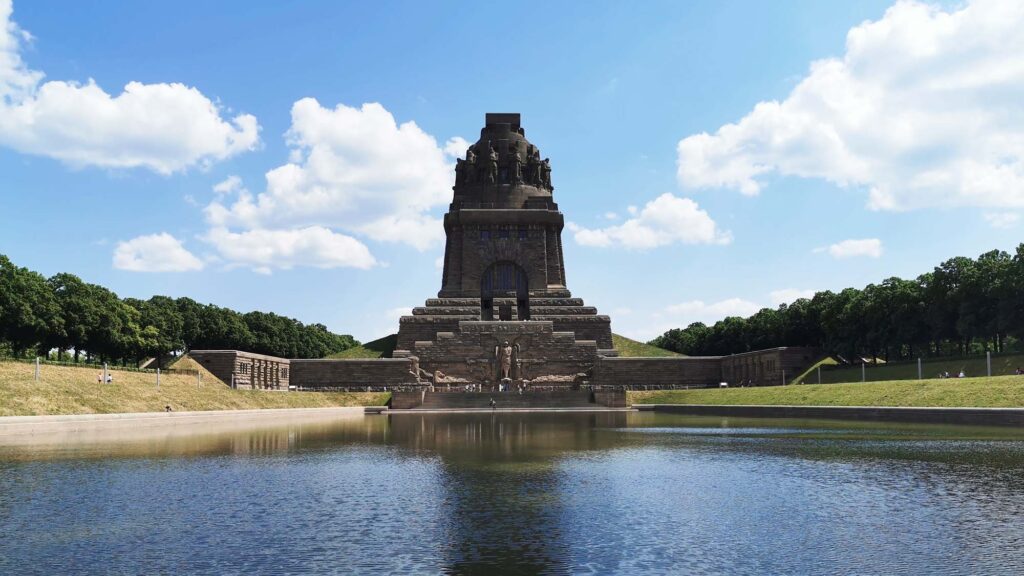
Monument to the Battle of the Nations
The Monument to the Battle of the Nations is in Schwarzer Samt, Das Monstrum, The Hunt for the Amber Room and The Hunger Games The Ballad of Songbirds & Snakes.

Wiener Riesenrad
Wiener Riesenrad has appeared in The Third Man (1949), Scorpio (1973), The Living Daylights (1987), Before Sunrise (1995), Woman in Gold (2015) and Sachertorte.
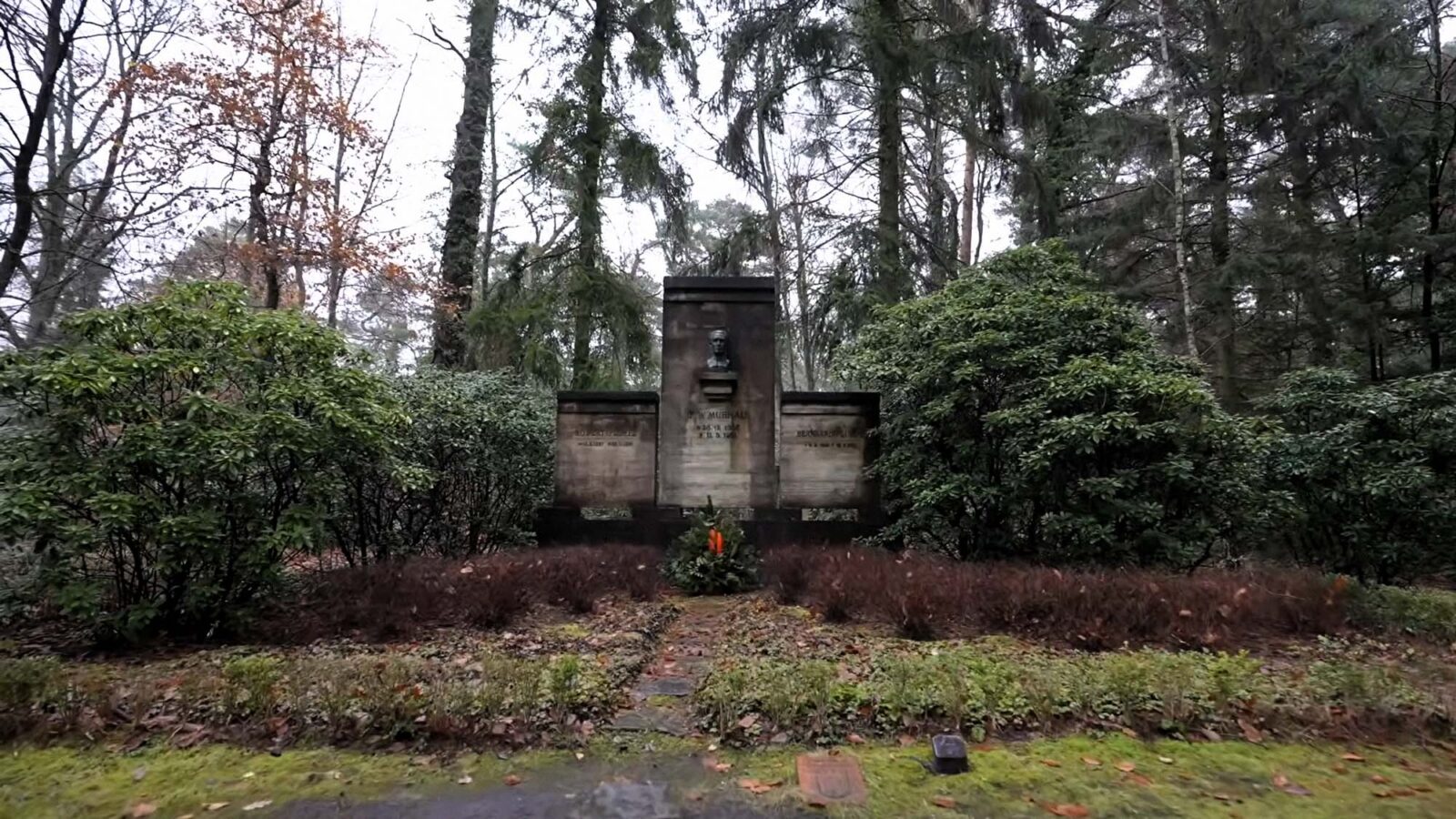
Südwestkirchhof Stahnsdorf
Südwestkirchhof Stahnsdorf is a large forest cemetery in Stahnsdorf, Brandenburg, immediately southwest of Berlin, Germany. The cemetery was created by the Protestant…
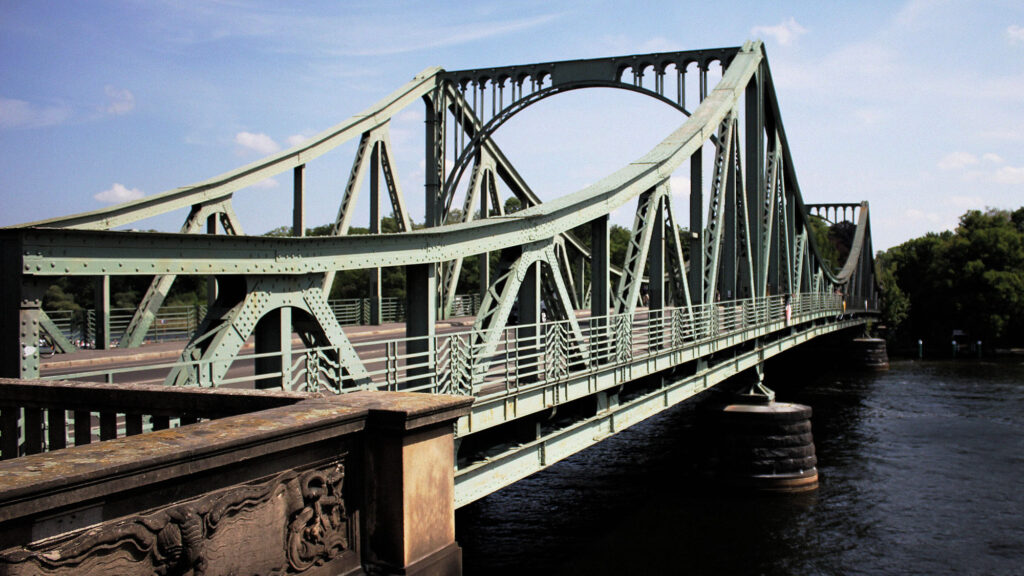
Glienicke Bridge
Glienicke Bridge has appeared in Under the Bridges, Hilde, Bridge of Spies, Kundschafter des Friedens and Havelland-Krimi: Hinter der Fassade.
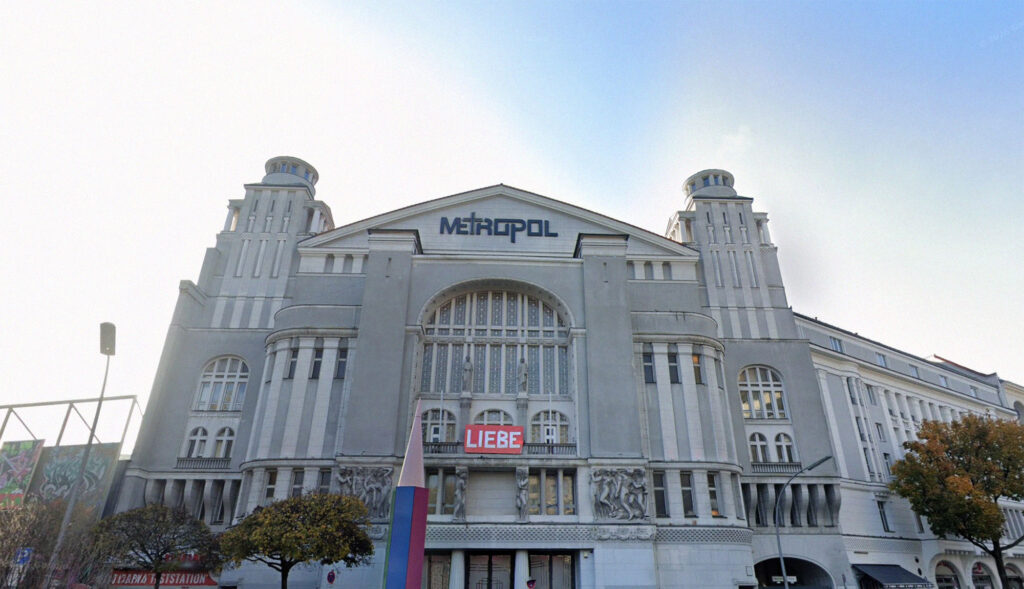
Metropol
Metropol has appeared in movies and series like The Invisible Dr. Mabuse (1962), Demons (1985), Deathline (1996) and Babylon Berlin (2017–).
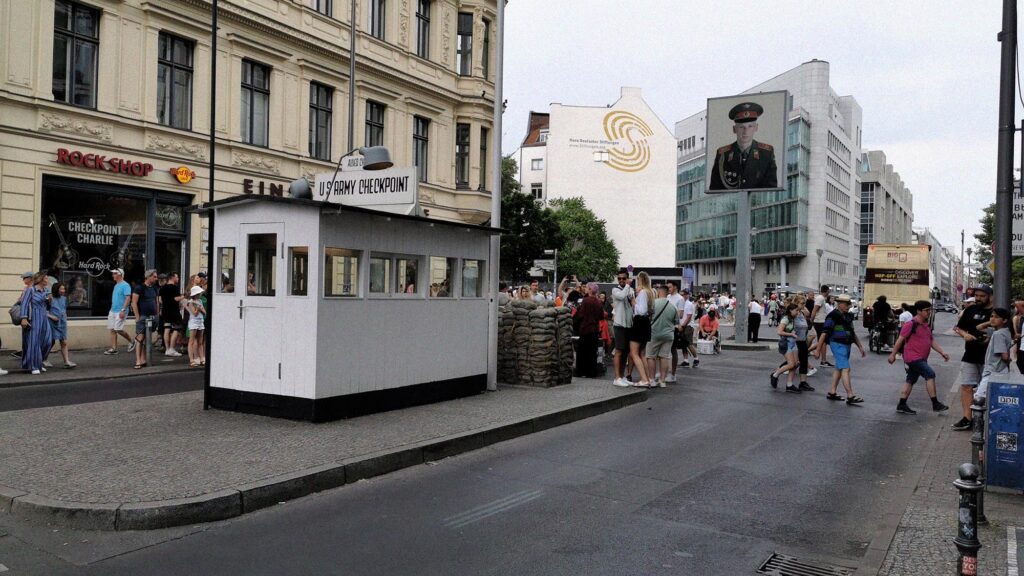
Checkpoint Charlie
Checkpoint Charlie are used in productions on the real site are Octopussy, Funeral in Berlin, and A Dandy in Aspic.