
Jo Nesbø’s Detective Hole is a Norwegian crime drama series released by Netflix on 26 March 2026, based primarily on The Devil’s Star and centred on Harry Hole, the troubled Oslo detective created by Jo Nesbø. Starring Tobias Santelmann as Harry and Joel Kinnaman as Tom Waaler, the series follows Hole as he investigates a string of ritualistic murders while also confronting corruption inside the police and his own self-destructive tendencies. Like the novels, it leans heavily into Nordic noir, but with a slightly broader, more action-driven scope than some earlier screen versions of Nesbø’s work.
This one is very closely tied to Oslo, and the city appears to have been used as a real dramatic environment rather than just a generic Scandinavian backdrop. Netflix confirmed that filming wrapped in Oslo in December 2024, while later coverage noted that the production used more than 100 locations across the city. Among the specifically identified places are Restaurant Schrøder, one of Harry Hole’s best-known haunts from the novels, and the Grønland area around Oslo Police Headquarters. His home is no longer in Sofies gate 5 as in the books, but at Fossheim borettslag close to Akerselva. Taken together, those locations suggest a series that moves through a recognisable mix of everyday Oslo streets, central institutions and neighbourhood spaces, which helps ground the story’s murders, corruption and emotional collapse in a very specific urban setting rather than an abstract noir landscape.
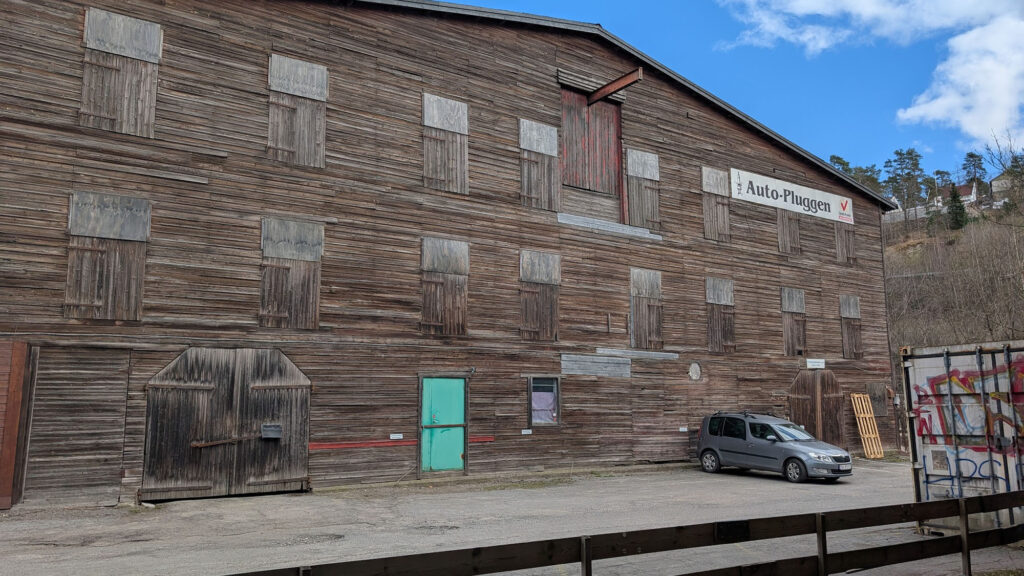
Autopluggen
In Jo Nesbø’s Detective Hole (2026), Autopluggen is used in the scene where Harry Hole stops under a bridge beside the run-down building and bribes a couple.
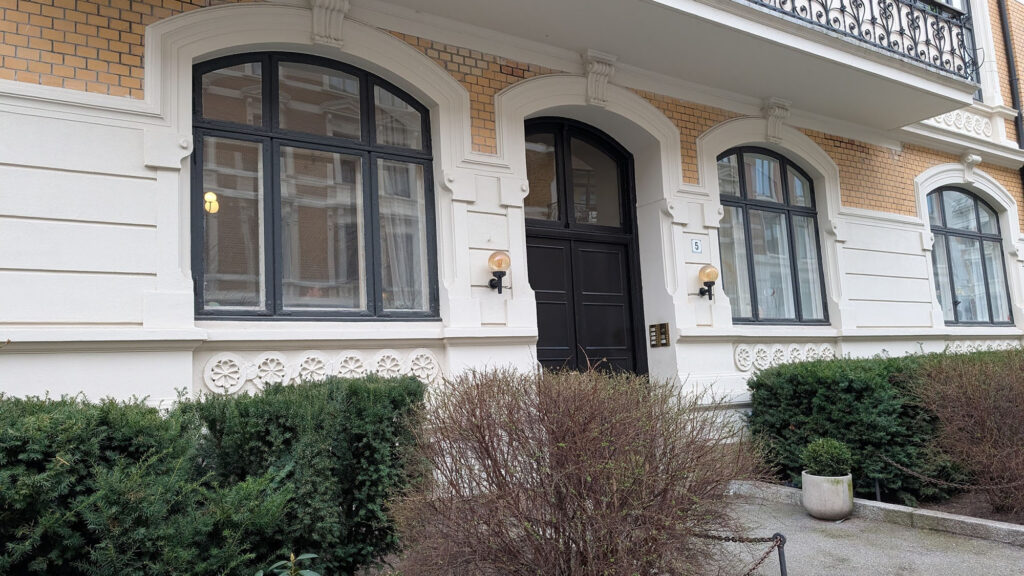
Behrens’ gate 5
In Jo Nesbø’s Detective Hole (2026), Behrens’ gate 5 is used for the scenes at Camilla Loen’s apartment, where she is found murdered.
Blå
Blå, a famous nightclub and venue in Oslo, has appeared in Elling (2001), Oslo, August 31st (2011) and Jo Nesbø’s Detective Hole (2026).
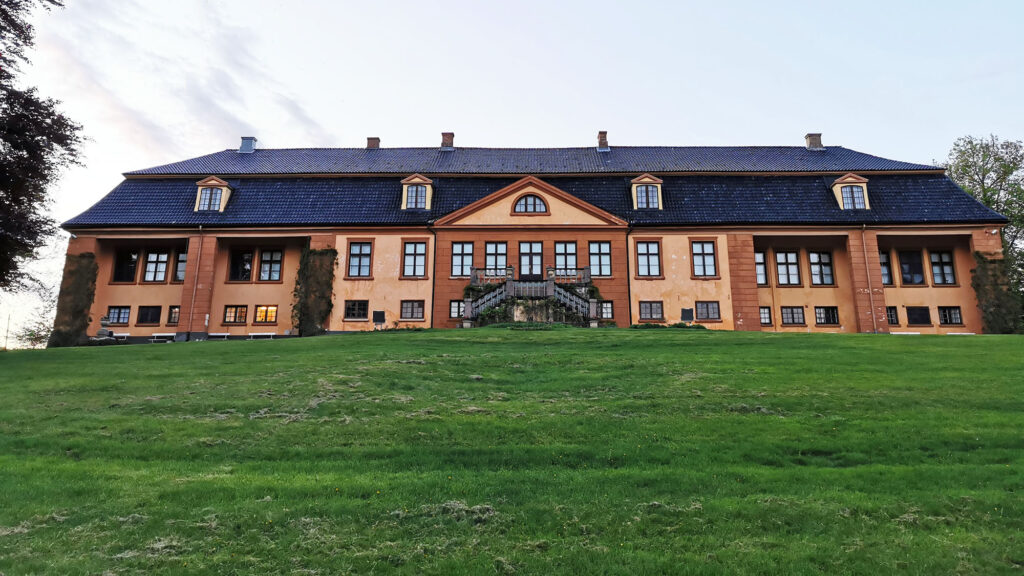
Bogstad Manor
In Jo Nesbø’s Detective Hole (2026), Bogstad Manor is used for the large garden party where many people from the police are gathered.
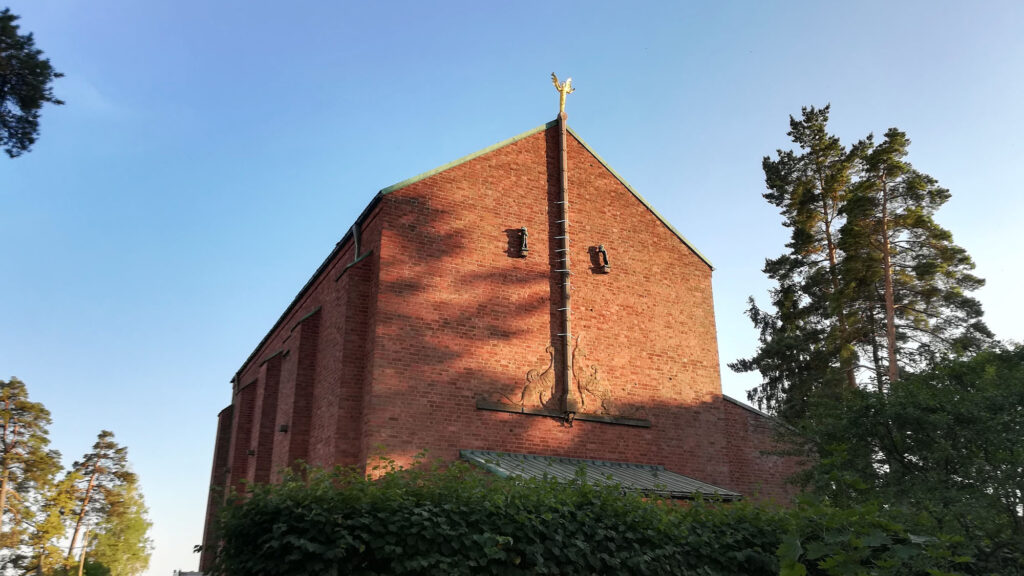
Emanuel Vigeland Museum
In Jo Nesbø’s Detective Hole (2026), Emanuel Vigeland Museum is used as a meeting place for powerful figures, including police, wearing cloaks and masks.
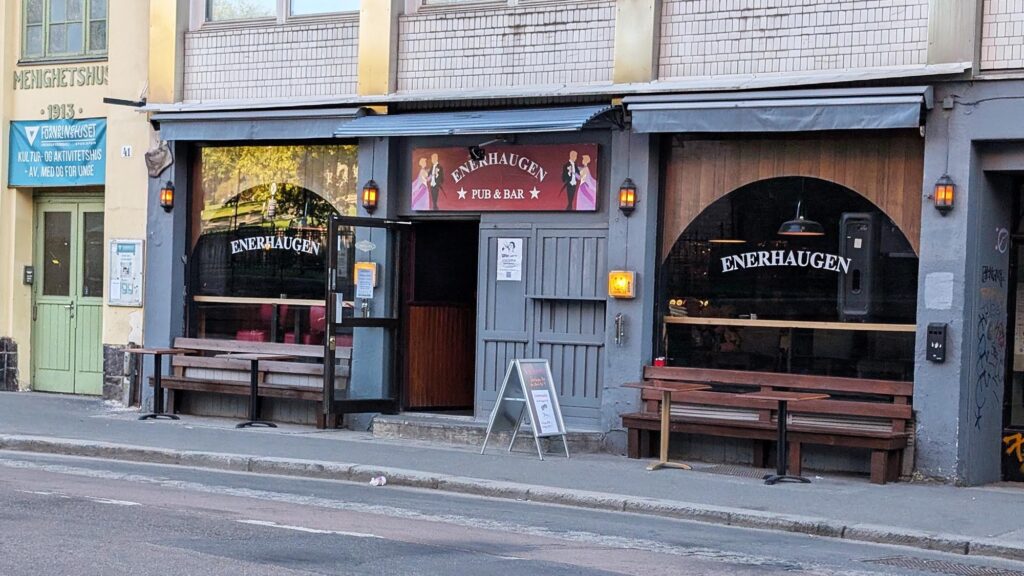
Enerhaugen Cafe
In Jo Nesbø’s Detective Hole (2026), Enerhaugen Cafe serves as the real-life location for Boxer Bar, the pub where police officers go for a beer after work.
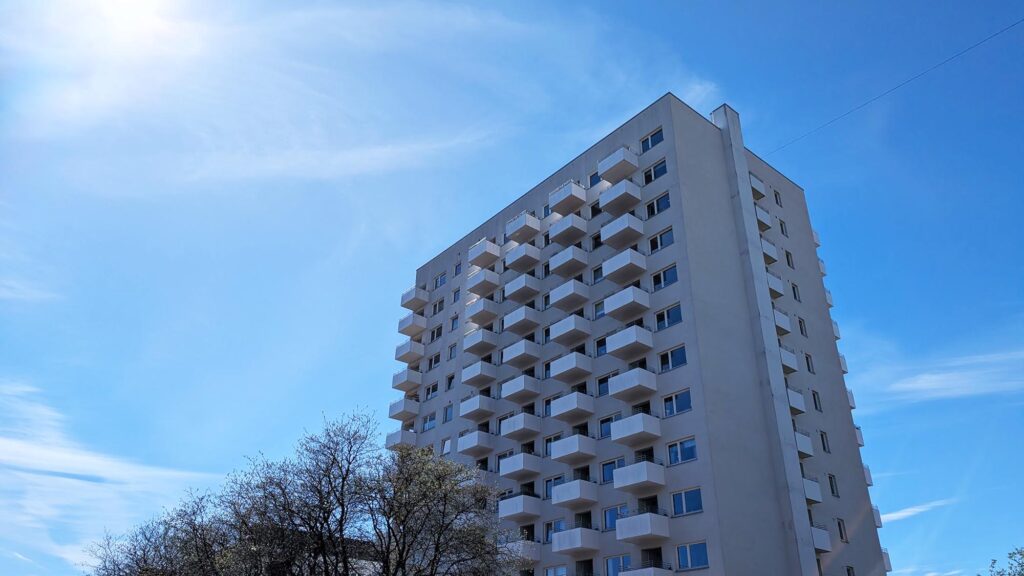
Fossheim Borettslag
Fossheim Borettslag at Thorvald Meyers gate 5 appears in Jo Nesbø’s Detective Hole (2026), where the building is used as Harry Hole’s apartment block.
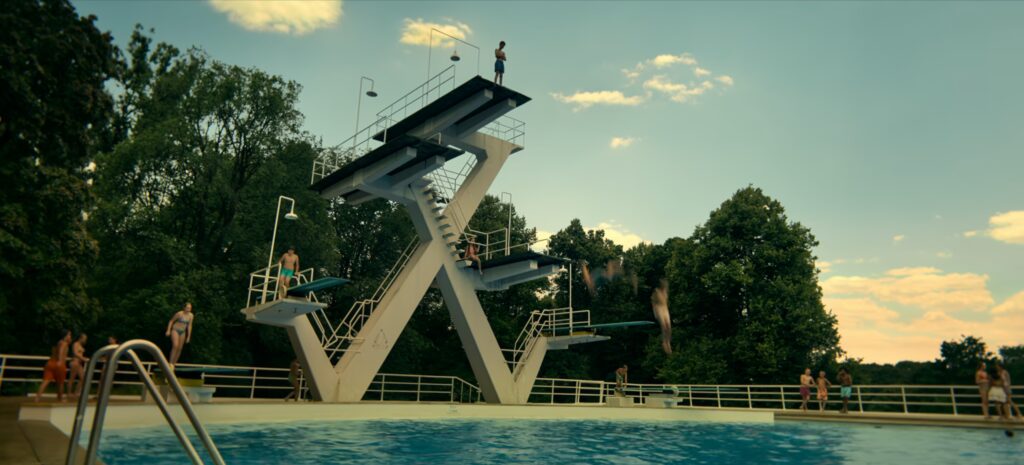
Frognerbadet
Frognerbadet is in Olsenbanden møter Kongen & Knekten, Frida: Straight from the Heart, Stuperen, Oslo, August 31st, Beatles, Hvite gutter and Detective Hole.
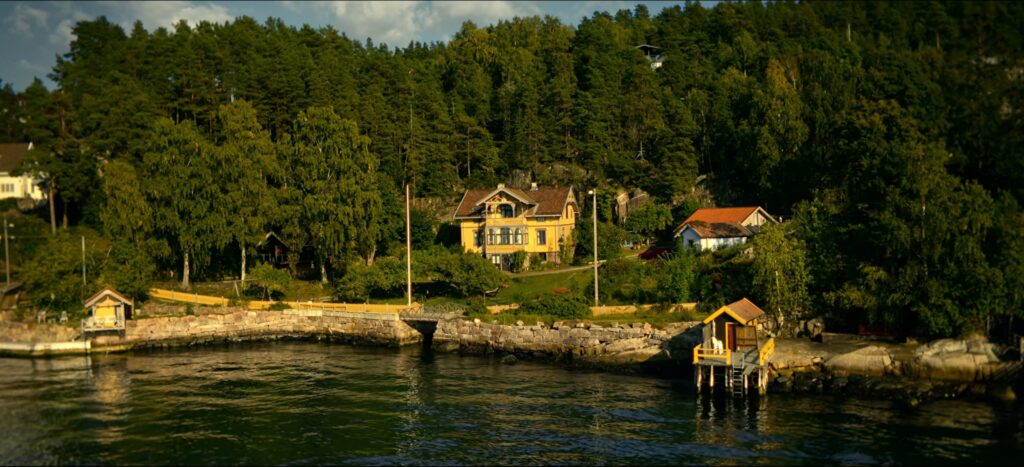
Gamle Bryggevei 19
Gamle Bryggevei 19 appears in Jo Nesbø’s Detective Hole (2026), where it is used as the home of Rakel Fauske and her son Oleg.
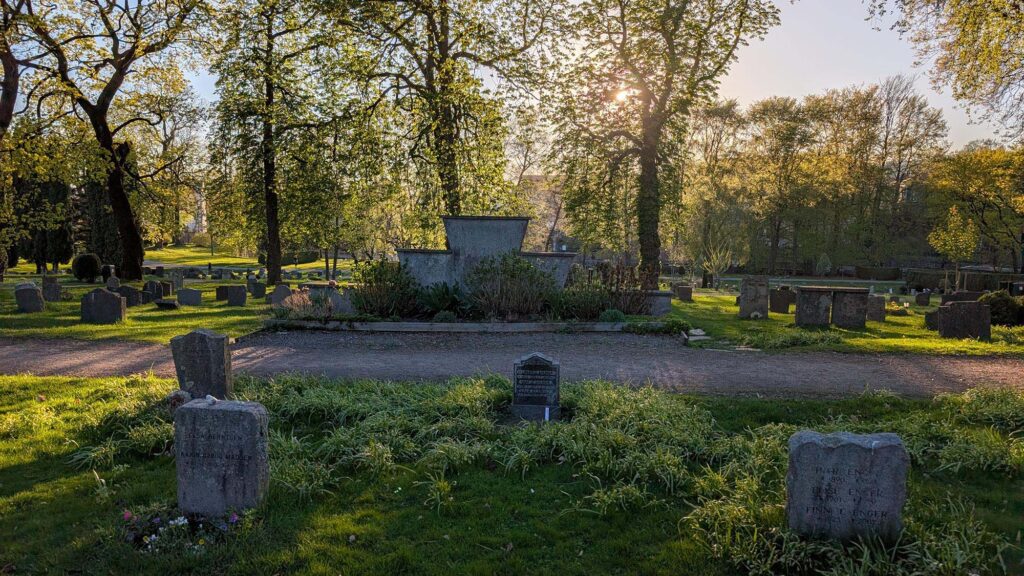
Gamlebyen gravlund
In Jo Nesbø’s Detective Hole (2026), Gamlebyen gravkapell in Gamlebyen gravlund is used for Ellen Gjelten’s funeral.
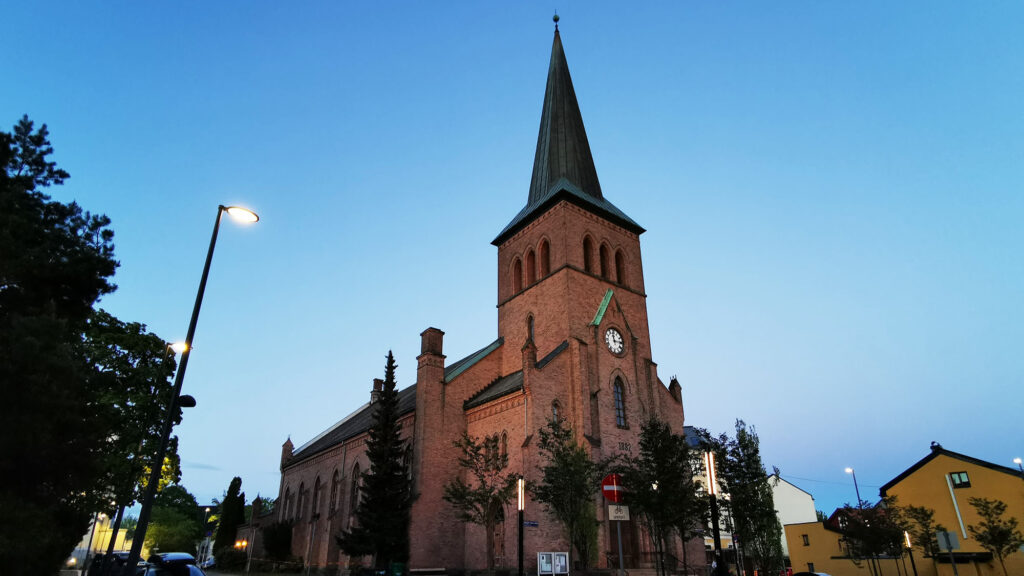
Kampen Church
Kampen Church appears in Jo Nesbø’s Detective Hole (2026), Olsenbanden for full musikk (1976), Mot i brøstet (1993–1997), and Hemmelighetene i B-by (1982–).
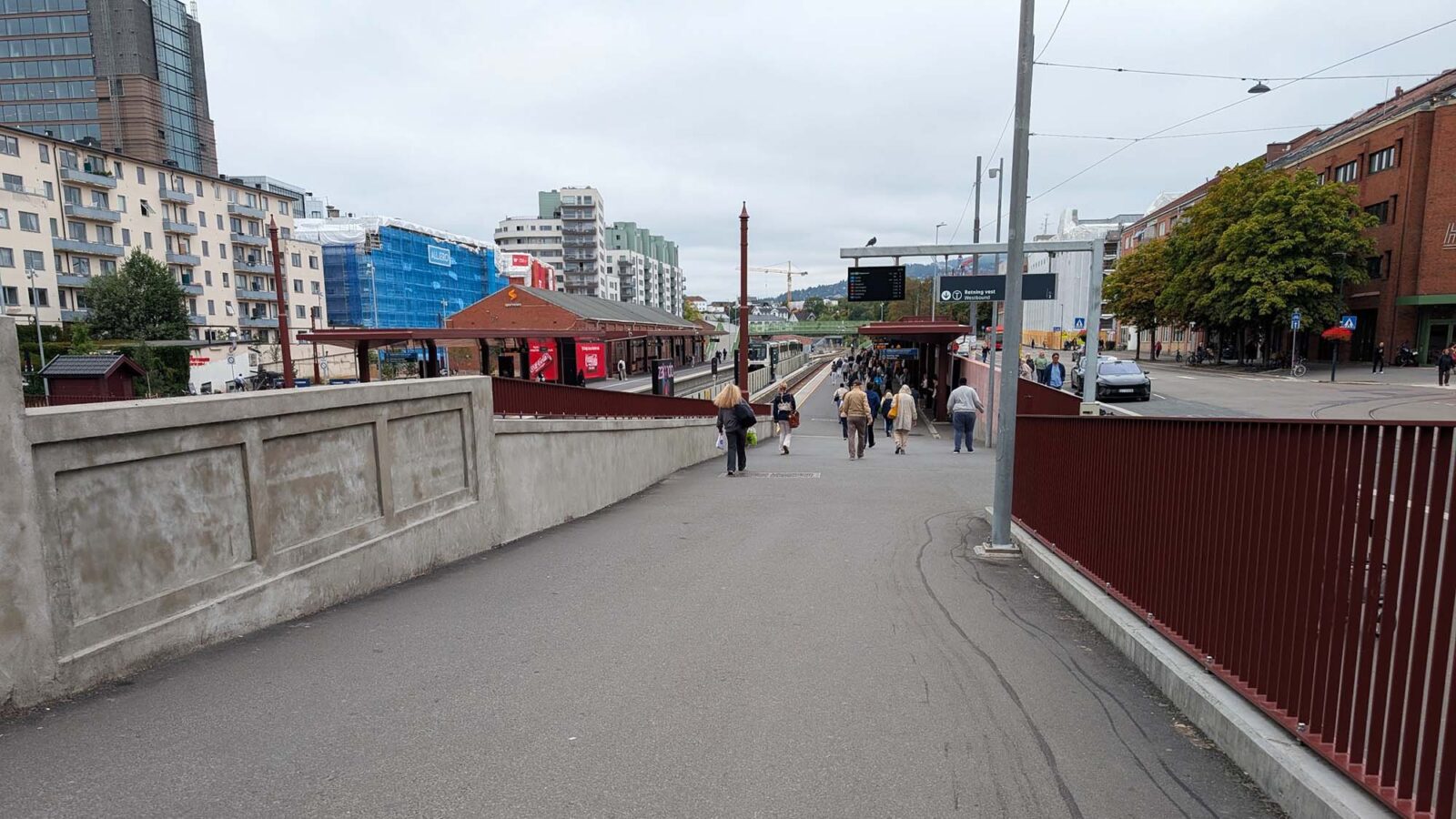
Majorstuen Station
Majorstuen Station appears in Jo Nesbø’s Detective Hole (2026), the Netflix adaptation of Nesbø’s Harry Hole universe, which was filmed extensively in Oslo.
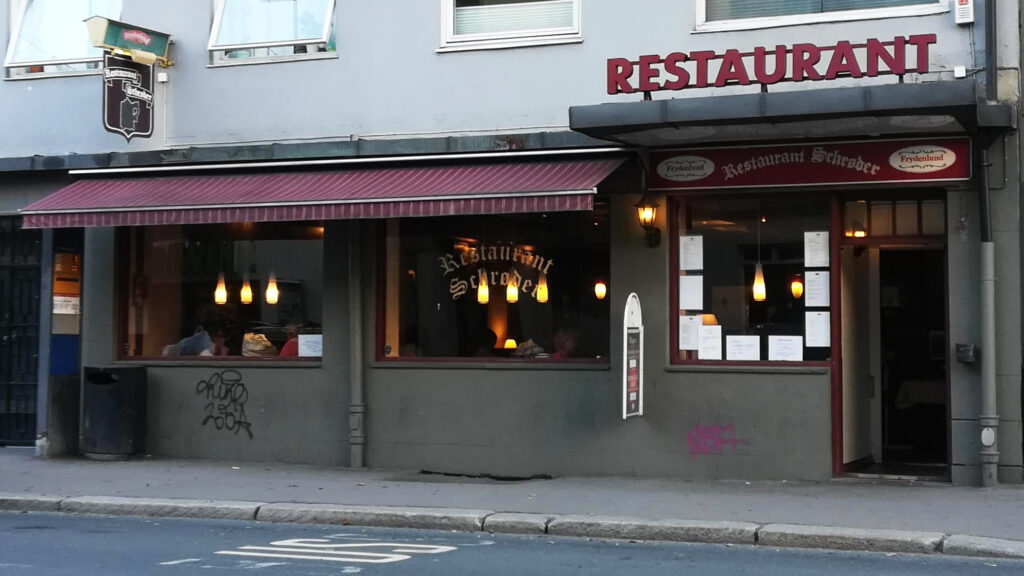
Restaurant Schrøder
Restaurant Schrøder appears in Jo Nesbø’s Detective Hole (2026) and The Snowman (2017). In both productions, the restaurant is used in by Harry Hole.
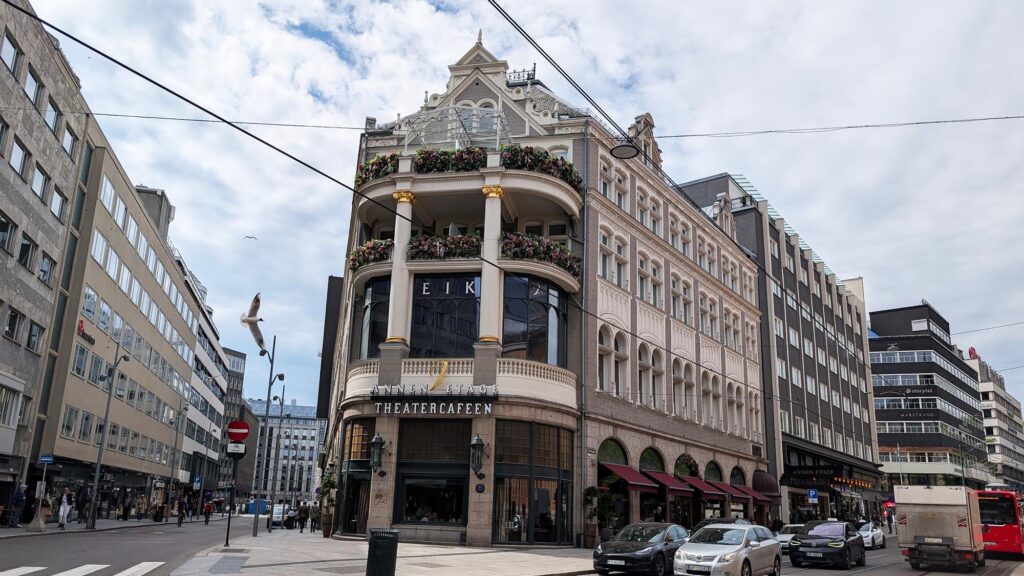
Theatercaféen
Theatercaféen appears in "Jo Nesbø’s Detective Hole" (2026), and is connected to a lunch that becomes very relevant to Harry Hole’s investigation.
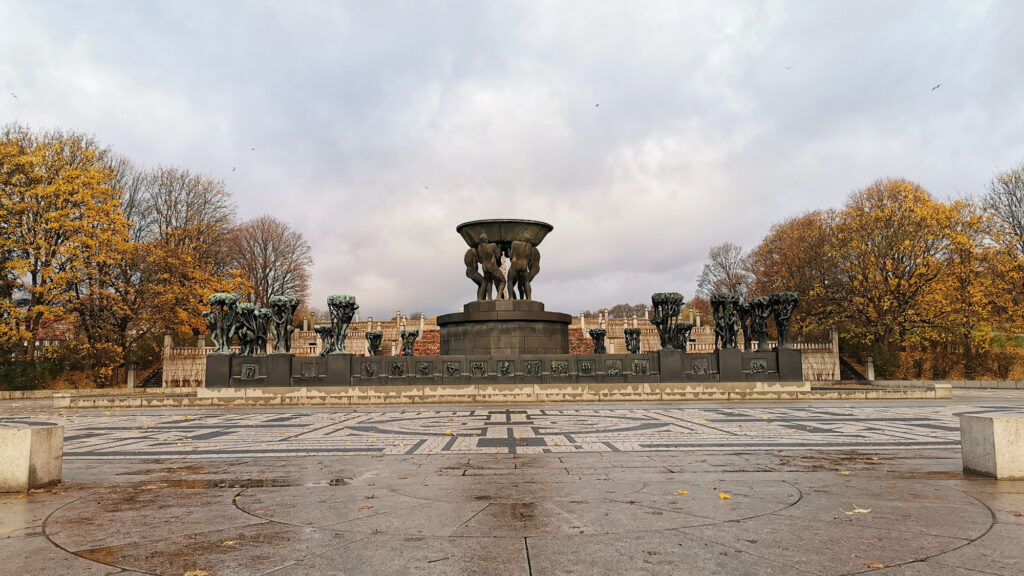
Vigeland Sculpture Park
Vigeland Sculpture Park appears in Jo Nesbø’s Detective Hole, The Snowman, Himmel og helvete, Oslo, 31. august, Elling, and many more.