
Kampen Church is a neo-Gothic brick church at Bøgata 1, overlooking Thorbjørn Egners plass in the Kampen neighbourhood of Oslo, Norway. Designed by architect Jacob Wilhelm Nordan, construction began in 1879 on a site cleared by a major fire the previous year. The church was consecrated on 29 November 1882 by Bishop Carl Peter Parelius Essendrop, originally accommodating around 800 worshippers. Its red-brick exterior, pointed-arch windows and tall western tower with a slender spire make it one of the most prominent landmarks on Oslo’s east side. The interior features an altarpiece by Axel Ender depicting the women at Christ’s tomb, while the main entrance was decorated with symbols of the four Evangelists by Enevold Thømt in 1913. The church also contains stained-glass windows created by Peer Lorentz Dahl between 1989 and 1994. Its elevated position places it above two public squares, Thorbjørn Egners plass to the west and Kampens torg to the south, both surrounded by the neighbourhood’s historic residential buildings.
Kampen Church has appeared in Olsenbanden for full musikk (1976), Hemmelighetene i B-by (1982), Mot i brøstet (1993–1997) and Jo Nesbø’s Detective Hole (2026). The church is used for Basse and Gry’s wedding in Olsenbanden for full musikk and for Henry and Elna’s marriage in the final episode of Mot i brøstet. The adjoining square appears as part of the fictional town centre in Hemmelighetene i B-by, while Jo Nesbø’s Detective Hole features aerial footage of the church and its surrounding neighbourhood at night.
In Olsenbanden for full musikk (1976), directed by Knut Bohwim, Kampen Church appears near the end of the film during the wedding of Basse Jensen (Pål Johannessen) and his pregnant girlfriend Gry (Ellen Waaler). Basse is the son of Kjell Jensen (Carsten Byhring) and Valborg Jensen (Aud Schønemann), whose financial troubles have once again become entangled with Egon Olsen’s (Arve Opsahl) latest criminal scheme. The wedding brings the family and the Olsen Gang together at Kampen Church, using the real neighbourhood church close to the family’s familiar home in Ullensakergata. Following the ceremony, the newlyweds prepare to leave for their honeymoon, but their departure becomes involved in another mishap when Gry accidentally exchanges a suitcase with Egon’s money. She also drops the valuable Ming vase that the gang had planned to return for a substantial reward. The church sequence forms part of the film’s closing events, bringing the family’s wedding celebrations into Egon’s latest unsuccessful attempt to secure his fortune.
In Hemmelighetene i B-by (1982), the thirteen-part musical mystery series created by Tramteatret, the area around Kampen Church represents part of the fictional town of B-by. The series follows former secret agent Ernst Bernt (Magne Bruteig), the young Kameliadamen (Anne Nyutstumo) and a collection of eccentric townspeople caught up in a mysterious criminal conspiracy. The square beside the church provides one of the recurring outdoor settings, with the distinctive building at Normannsgata 44 forming part of the fictional town centre. This building appears in the opening and closing sequences throughout the series, while the surrounding streets and square were used for additional exterior filming. The church and its neighbouring buildings place the fictional town within the actual historic streets of Kampen, where Tramteatret filmed during the summer of 1982.
In Mot i brøstet (1993–1997), Kampen Church appears in the series finale, Og alle levde lykkelig… – del 2, first broadcast on 8 December 1997. The episode includes the wedding of Henry Rasmus Pettersen (Arve Opsahl) and Elna Svendsen (Liv Thorsen), the mother of Henry’s housemate Nils (Sven Nordin). Their marriage concludes one of the sitcom’s recurring relationships, following years of romantic misunderstandings and domestic arguments. The ceremony takes place at Kampen Church, bringing the characters together for one of the series’ final scenes. The location also creates an unusual connection with Olsenbanden for full musikk, as Arve Opsahl returns to the same church where he had appeared as Egon Olsen during Basse and Gry’s wedding 21 years earlier.
In Jo Nesbø’s Detective Hole (2026), Kampen Church appears in aerial footage of Oslo at night. The camera looks down across the residential neighbourhood, where the church’s red-brick structure, steep roof and slender spire stand out among the surrounding buildings. The elevated position of the church makes it identifiable from above, with the adjoining streets and squares establishing the geography of Kampen. The footage forms part of the series’ wider nighttime views of Oslo, which are used between scenes involving detective Harry Hole (Tobias Santelmann) and his investigation into a serial killer.
Jo Nesbø’s Detective Hole (2026)


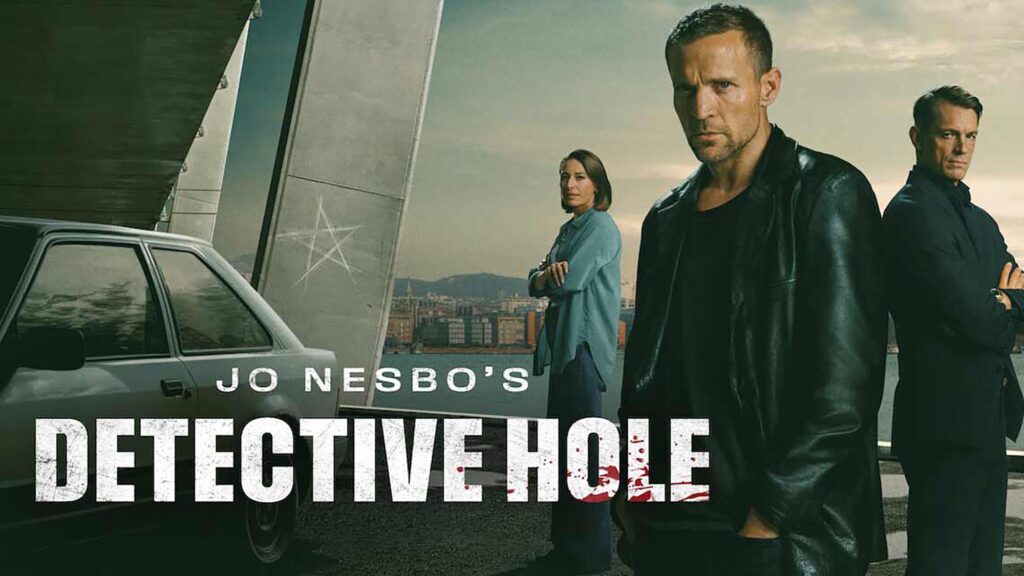
Jo Nesbo’s Detective Hole
Jo Nesbø’s Detective Hole is very closely tied to Oslo, and the city appears to have been used as a real dramatic environment rather than just a generic Scandinavian backdrop.
Farine
Farine has appeared in Olsenbanden, Olsenbanden og Dynamitt-Harry, Olsenbanden tar gull, Hemmelighetene i B-by, Lyckliga gatan and Hos Martin.
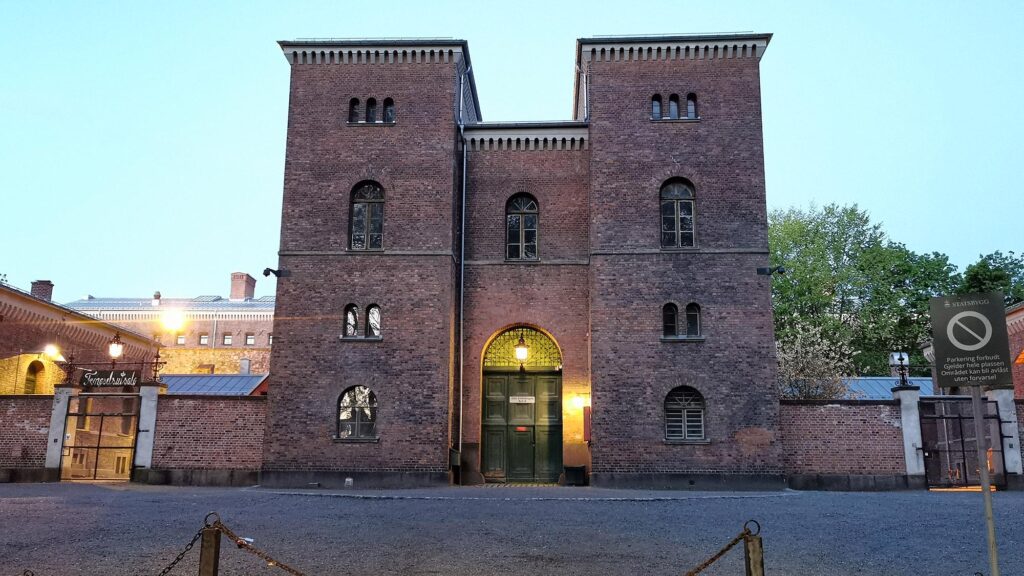
Botsen
Botsen is best known from the "Olsenbanden" film series, where it appears as the prison Egon Olsen is released from at the start of many of the films.

Neseblod Records
Neseblod Records appears briefly in Lords of Chaos (2018), the biographical crime drama directed by Jonas Åkerlund about the early Norwegian black metal scene.
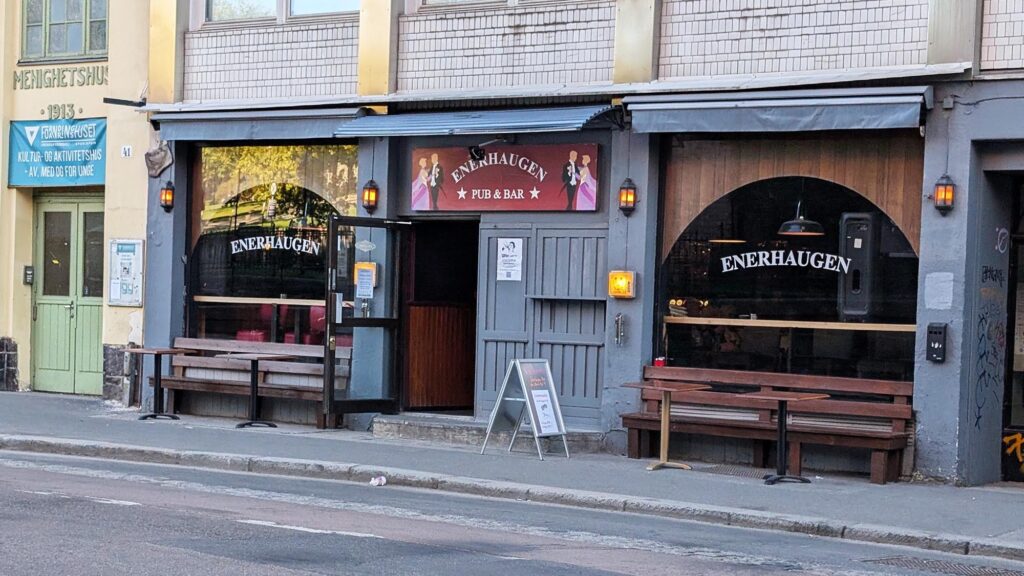
Enerhaugen Cafe
In Jo Nesbø’s Detective Hole (2026), Enerhaugen Cafe serves as the real-life location for Boxer Bar, the pub where police officers go for a beer after work.
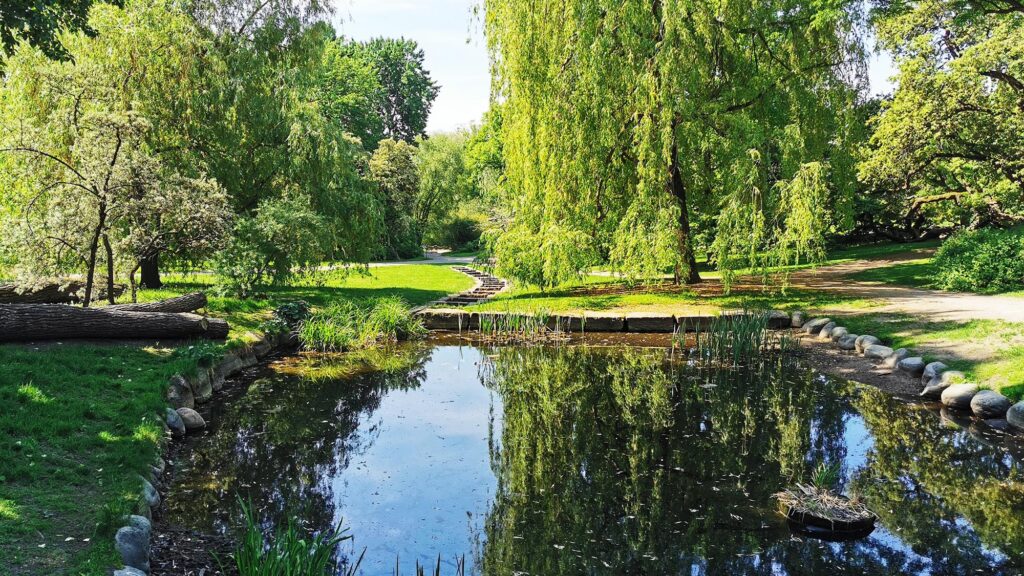
Botanical Garden Oslo
Botanical Garden is in the Norwegian movie About Tilla from 1963. Botanical Garden is used as one of the film’s central early locations.
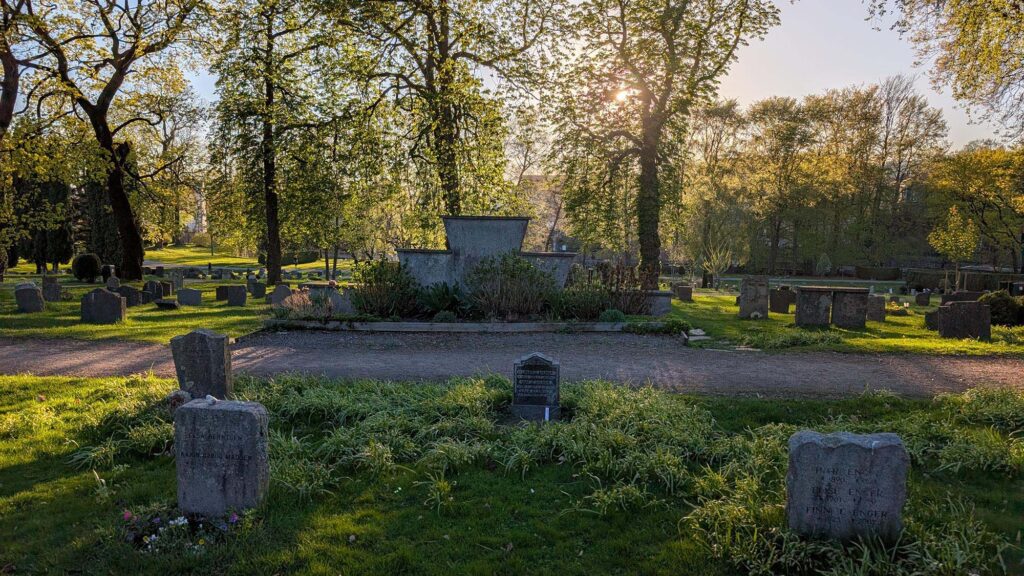
Gamlebyen gravlund
In Jo Nesbø’s Detective Hole (2026), Gamlebyen gravkapell in Gamlebyen gravlund is used for Ellen Gjelten’s funeral.
Radisson Blu Plaza Hotel
Radisson Blu Plaza Hotel has appeared in Skam (2015–2017), Stories from Norway (2018) and The Quake (2018).

Oslo Opera House
As a screen location, the Oslo Opera House has been used in Pax (2011), 22 July, The Snowman (2017), The Worst Person in the World (2021) and Tenet (2020).
Blå
Blå, a famous nightclub and venue in Oslo, has appeared in Elling (2001), Oslo, August 31st (2011) and Jo Nesbø’s Detective Hole (2026).