
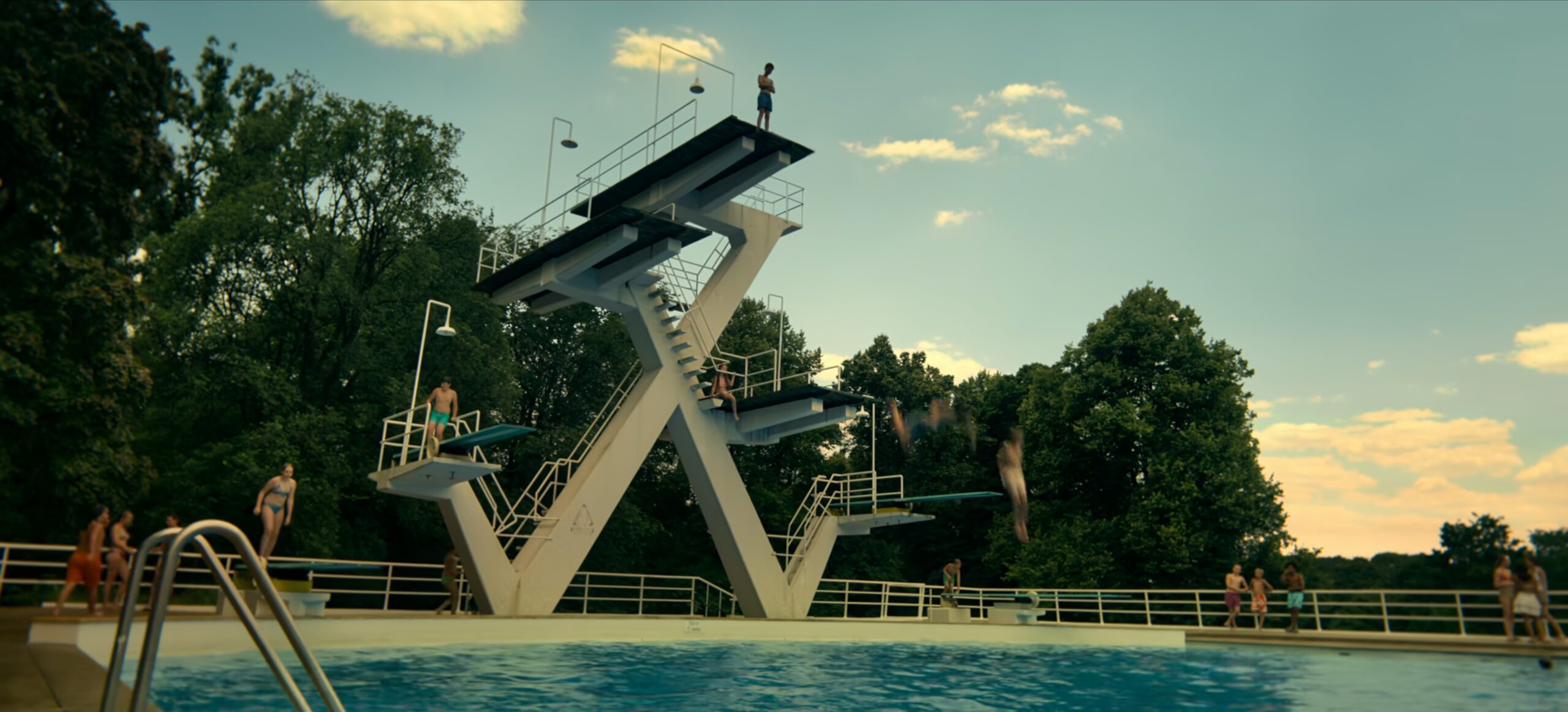
Frognerbadet is a large outdoor swimming complex at Middelthuns gate 28 beside Frogner Park in Oslo, Norway. Designed by the architectural firm Rinnan og Tveten, it opened in 1956 as part of the post-war development of public sports and recreation facilities in the Norwegian capital. The complex contains two 50-metre outdoor pools, a diving pool, children’s facilities, terraces and its distinctive diving tower, with platforms reaching ten metres above the water. The preserved modernist architecture and the tower have made Frognerbadet one of Oslo’s most recognisable recreational facilities. Beyond swimming, the complex has hosted sporting events and concerts; the Norwegian Wood music festival was held here from 1994 until 2017, apart from its 2016 edition, and Frognerbadet also became closely associated with the Norwegian sport of death diving.
Frognerbadet has appeared in Olsenbanden møter Kongen & Knekten (1974), Frida: Straight from the Heart (1991), Stuperen (1996), Oslo, August 31st (2011), Beatles (2014), Hvite gutter (2018–2022) and Jo Nesbø’s Detective Hole (2026). The location is frequently used for scenes involving the diving tower and after-hours swimming. Several productions have specifically built scenes around characters entering the closed swimming complex at night, making the pools and ten-metre platform recurring elements in Norwegian film and television.
In Olsenbanden møter Kongen & Knekten (1974), Frognerbadet becomes the hiding place for the four million kroner stolen by Egon Olsen, Benny and Kjell from a bank transport. After successfully carrying out the robbery, Egon decides that the money should be kept somewhere away from Kjell’s apartment and brings the suitcase to Frognerbadet, where it is left for safekeeping with the attendant. The gang also enjoys some of its temporary millionaire lifestyle around the swimming complex. While they are there, Jenny observes them and discovers where the money has been hidden. Later, Benny recognises her when she arrives at the Grand Hotel with Kongen and Knekten, prompting Egon to suspect that something has happened to their fortune. They return to Frognerbadet and discover that the suitcase has disappeared. The swimming complex is therefore directly connected to the theft that drives much of the remainder of the film.
In Frida: Straight from the Heart (1991), originally released as Frida – med hjertet i hånden, Frognerbadet is used for one of the film’s best-remembered summer sequences. Frida and Martin sneak into the swimming complex after closing time, and Martin climbs the diving tower before jumping from the ten-metre platform. Frida watches from below as he prepares for the jump, nervously hoping that he will not embarrass himself. The sequence uses the empty pools and diving tower to create the feeling of teenagers taking possession of a normally crowded public space after dark. The scene became closely associated with the film and helped establish nighttime trespassing at Frognerbadet as a recognisable motif in Norwegian popular culture.
In Stuperen (1996), Frognerbadet is the principal setting of the five-minute Norwegian short film. The story follows a blind girl and a deaf boy who meet at the swimming complex on a summer day. Despite the different ways in which they experience their surroundings and communicate with one another, an attraction develops between them. The film uses the pools and diving environment of Frognerbadet throughout its brief story, making the real swimming complex an integral part of the premise rather than simply an establishing location.
In Oslo, August 31st (2011), originally released as Oslo, 31. august, Frognerbadet appears late in Anders’ long day and night in Oslo. After buying heroin and continuing through the city with an old acquaintance and two young women, Anders joins them as they break into the closed swimming complex during the night. The others strip down and jump into the pool, enjoying an impulsive after-hours swim, while Anders remains outside the water and watches. The scene forms part of a prolonged nighttime passage through Oslo in which moments of youthful spontaneity and freedom contrast with Anders’ increasing isolation. After leaving Frognerbadet, the group continues through the city as morning approaches.
In Beatles (2014), Frognerbadet is an important part of the film’s recreation of Oslo during the 1960s. Based on Lars Saabye Christensen’s novel, the story follows Kim, Seb, Ola and Gunnar, four teenage friends who identify themselves with Paul McCartney, George Harrison, Ringo Starr and John Lennon while growing up during the height of Beatlemania. The swimming complex appears as one of the boys’ regular Oslo environments, and the ten-metre diving platform becomes part of Kim’s attempts to impress the people around him. His decision to jump from the tower reflects the same mixture of bravado, insecurity and desire for attention that also motivates the boys to form their own band. Frognerbadet was deliberately selected by the filmmakers as one of the recognisable Oslo landmarks needed to establish the story’s period setting.
In Hvite gutter (2018–2022), Frognerbadet is the main location of the sixth-season episode “Frognerbadet”, first released in 2021. Leo, Jens, Herman and Mathias return to the swimming complex after having been banned from the facility for ten years. Their ambitions for the day include performing a backflip from the ten-metre diving platform, setting a new record on the waterslide and meeting women. Much of the episode consequently takes place around the pools, diving tower and recreational areas of the real complex. Frognerbadet is not merely used as background but is written directly into the story, with the characters’ previous ban and their determination to reclaim their old status at the pool driving the episode.
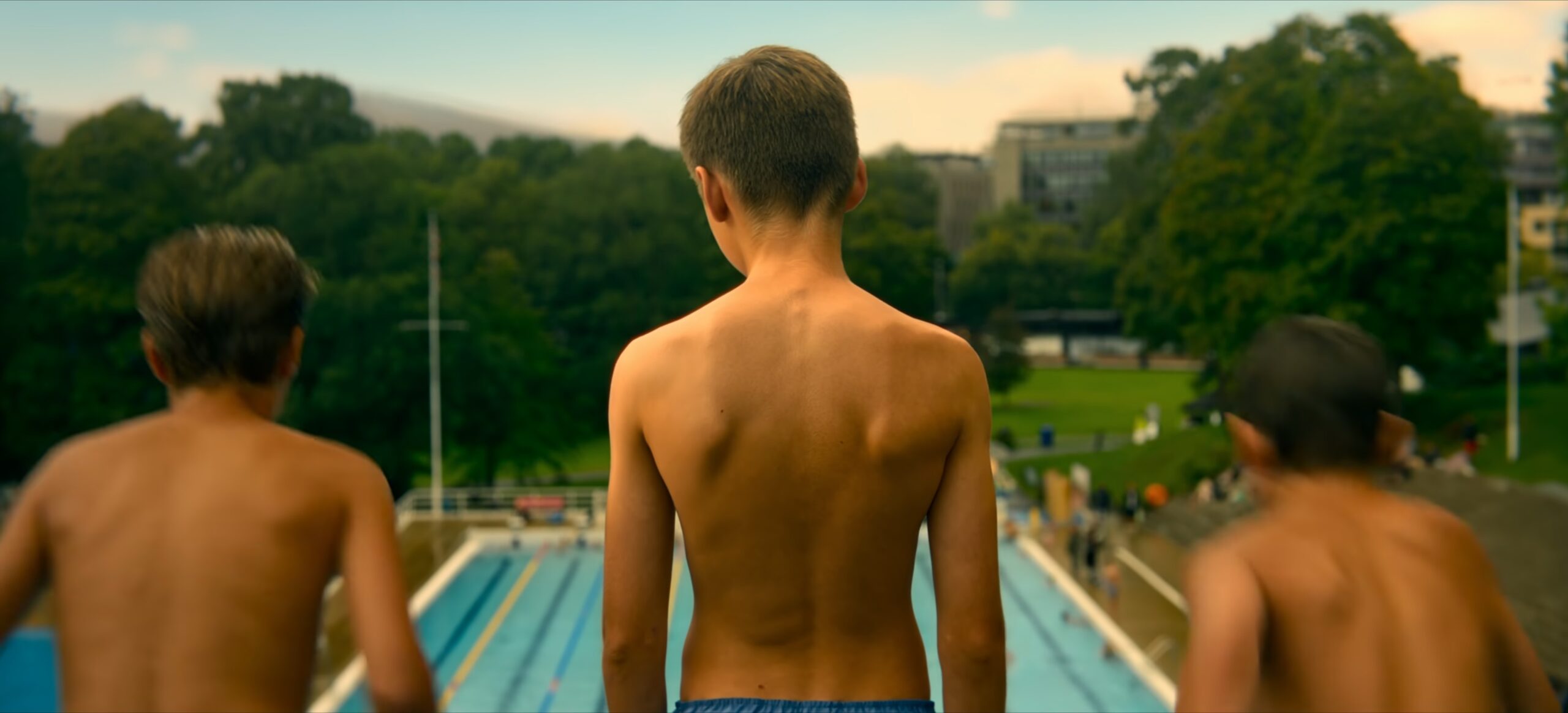
In Jo Nesbø’s Detective Hole (2026), Frognerbadet is used during a nighttime sequence involving Harry Hole and Rakel Fauke’s son Oleg. Harry takes Oleg into the closed swimming complex so that the boy can confront his fear of the ten-metre diving tower without other swimmers watching him. Oleg climbs to the highest platform while Harry remains below and encourages him to make the jump. The scene focuses less on Harry’s work as a detective than on his complicated but affectionate relationship with Rakel and her son, showing a more protective side of the character. Like Frida: Straight from the Heart and Oslo, August 31st before it, the series uses the empty Frognerbadet after normal opening hours, with the pools and distinctive ten-metre tower forming the centre of the sequence.
Jo Nesbø’s Detective Hole (2026)
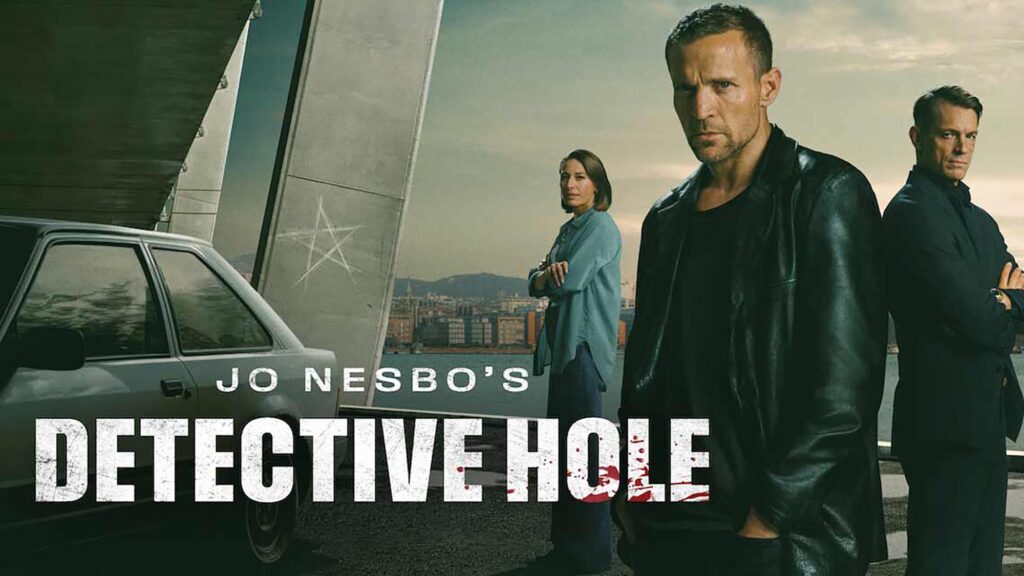
Jo Nesbo’s Detective Hole
Jo Nesbø’s Detective Hole is very closely tied to Oslo, and the city appears to have been used as a real dramatic environment rather than just a generic Scandinavian backdrop.
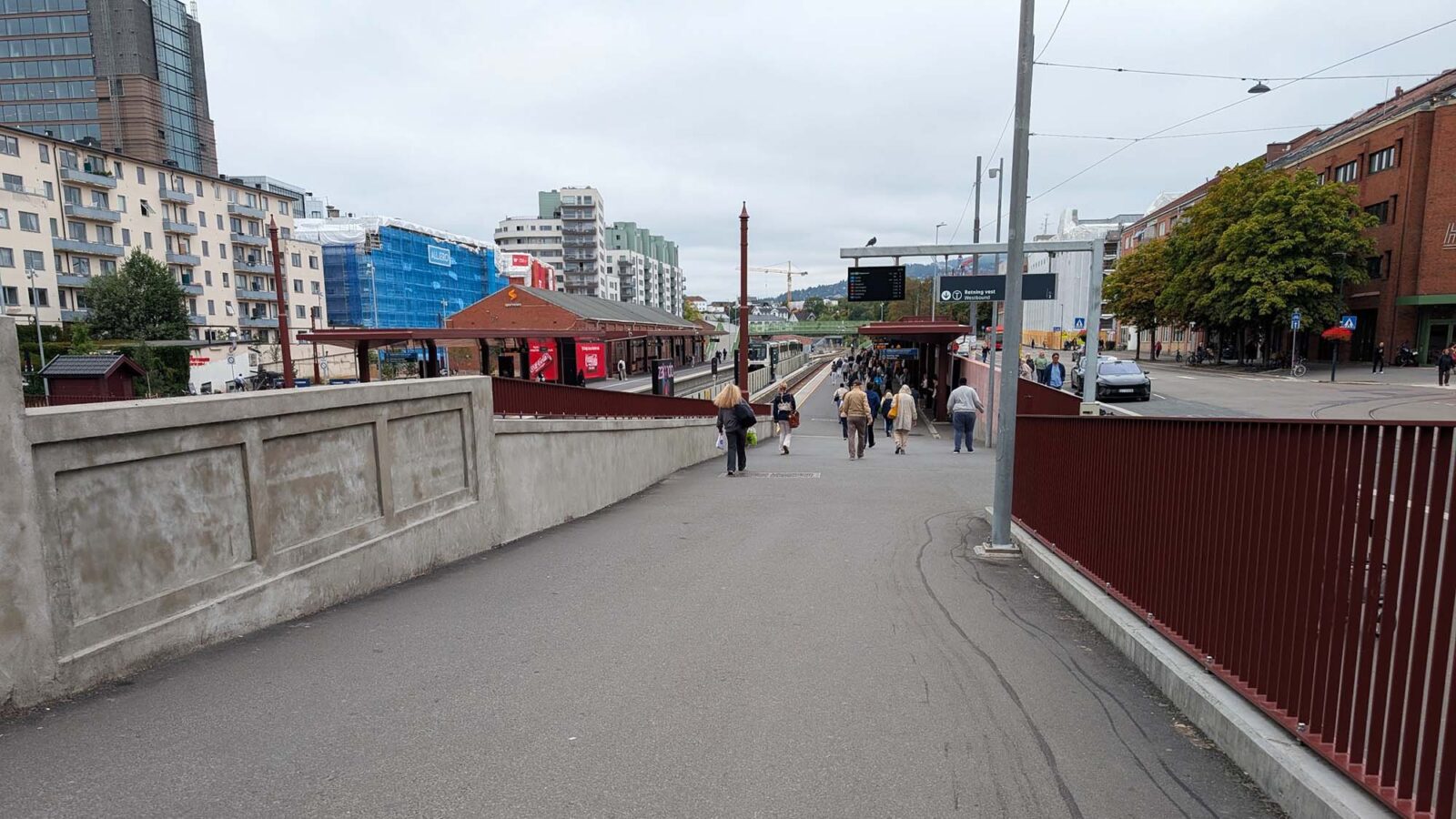
Majorstuen Station
Majorstuen Station appears in Jo Nesbø’s Detective Hole (2026), the Netflix adaptation of Nesbø’s Harry Hole universe, which was filmed extensively in Oslo.
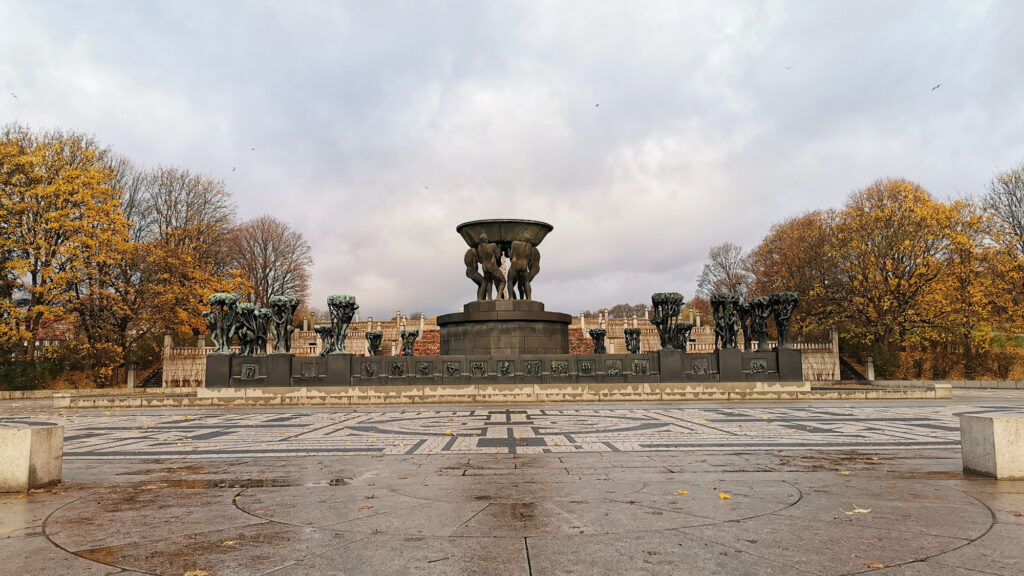
Vigeland Sculpture Park
Vigeland Sculpture Park appears in Jo Nesbø’s Detective Hole, The Snowman, Himmel og helvete, Oslo, 31. august, Elling, and many more.
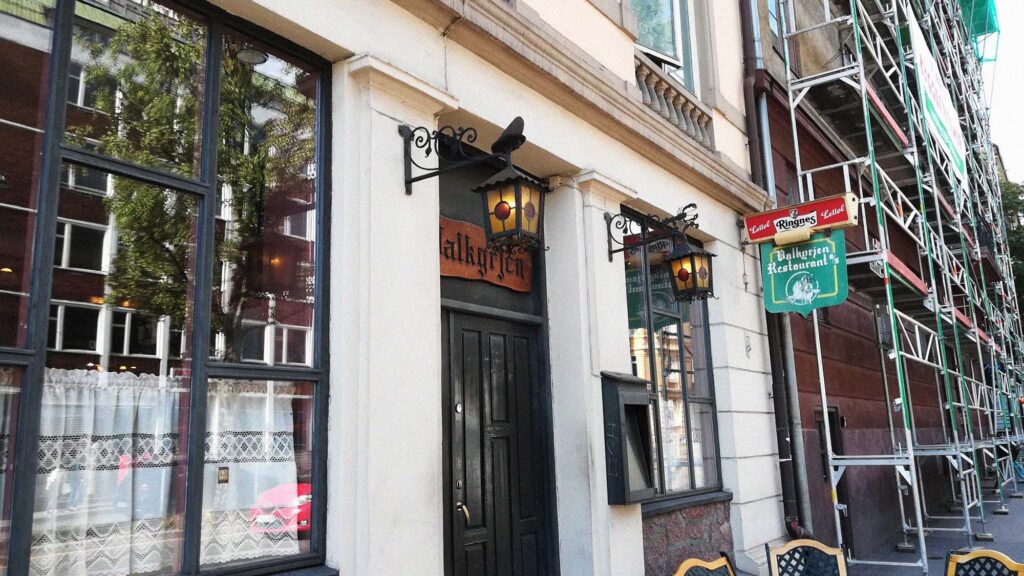
Valkyrien Restaurant
Valkyrien Restaurant has appeared in Elling (2001) and O’ Horten (2007). In both films, its old-fashioned interior is used as a familiar Oslo restaurant.
Havens Kolonial
In Max Manus, Havens Kolonial is used for the Plasskafeen. Gregers Gram and Edvard Tallaksen are seen coming from Hertzbergs gate before entering the café.

Lars Lillo-Stenberg House
Lars Lillo-Stenberg House is a private villa in Frogner, Oslo, known for its dragestil architecture. The house appears in Sentimental Value (2025).
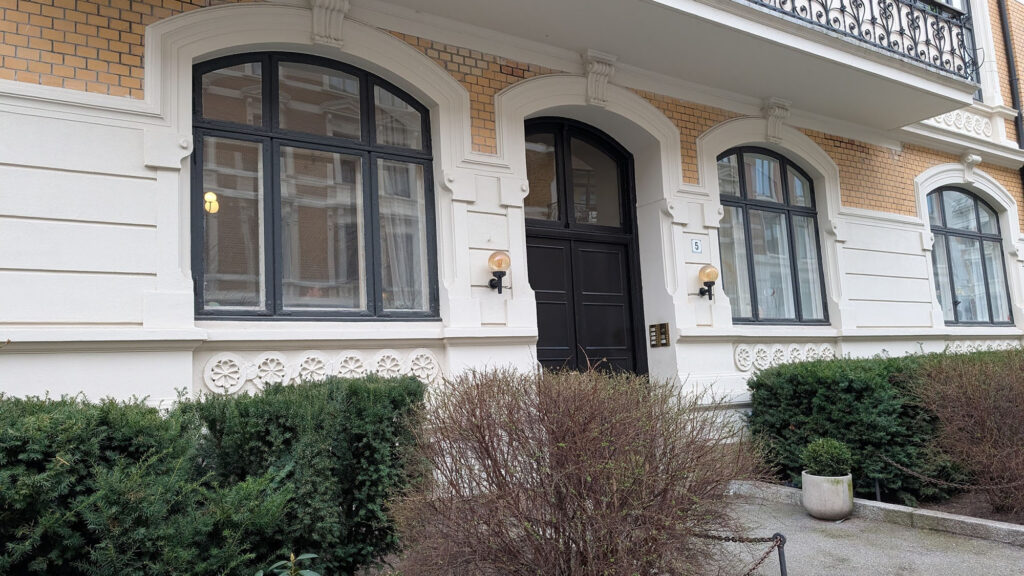
Behrens’ gate 5
In Jo Nesbø’s Detective Hole (2026), Behrens’ gate 5 is used for the scenes at Camilla Loen’s apartment, where she is found murdered.
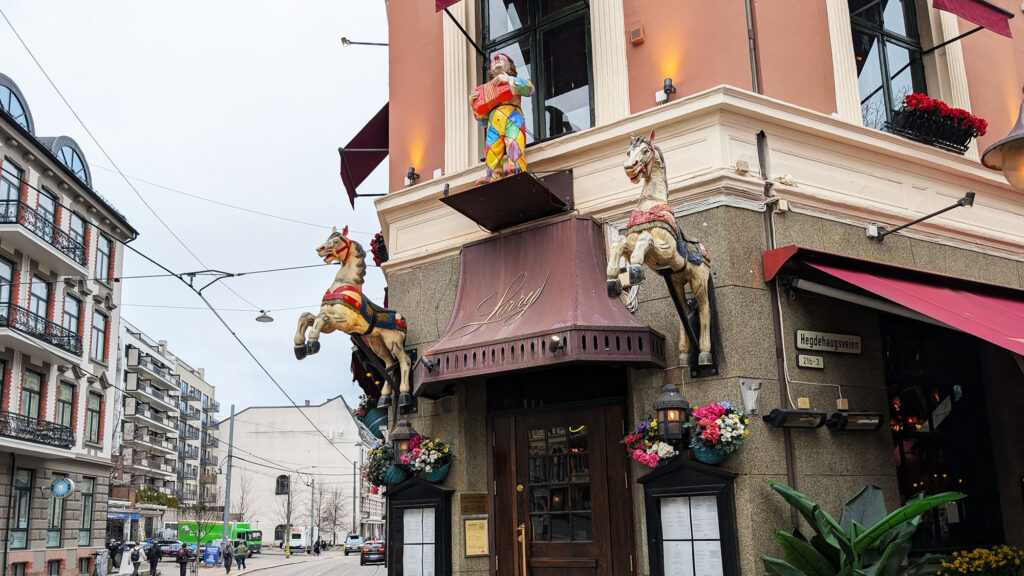
Lorry
Restaurant Lorry appears in Sentimental Value (2025). The restaurant is used as one of the film’s Oslo locations and forms part of its city setting.
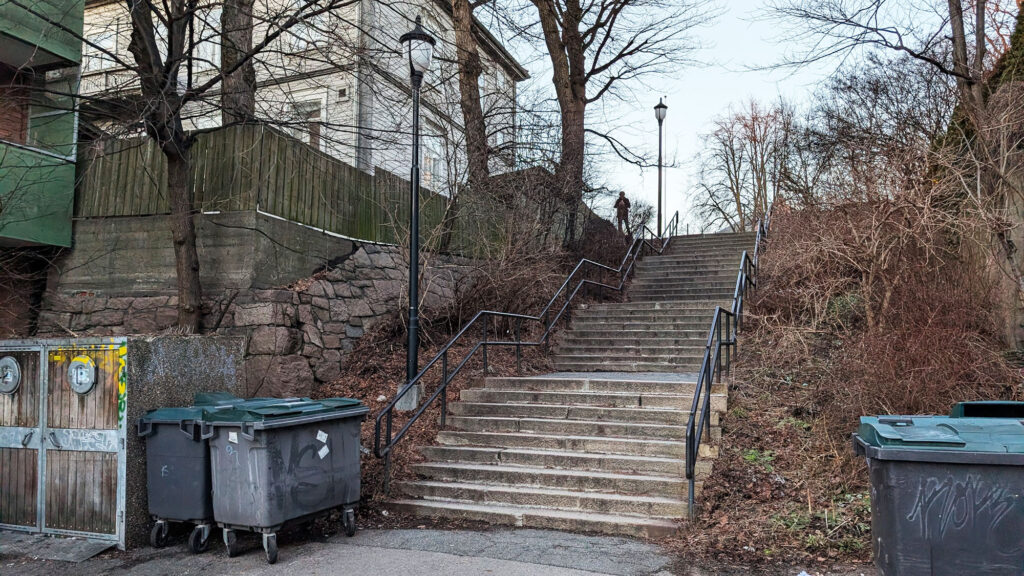
Wilhelms gate Steps
Wilhelms gate Steps appears in The Worst Person in the World (2021). The stairway is used in one of the film’s Oslo street sequences.
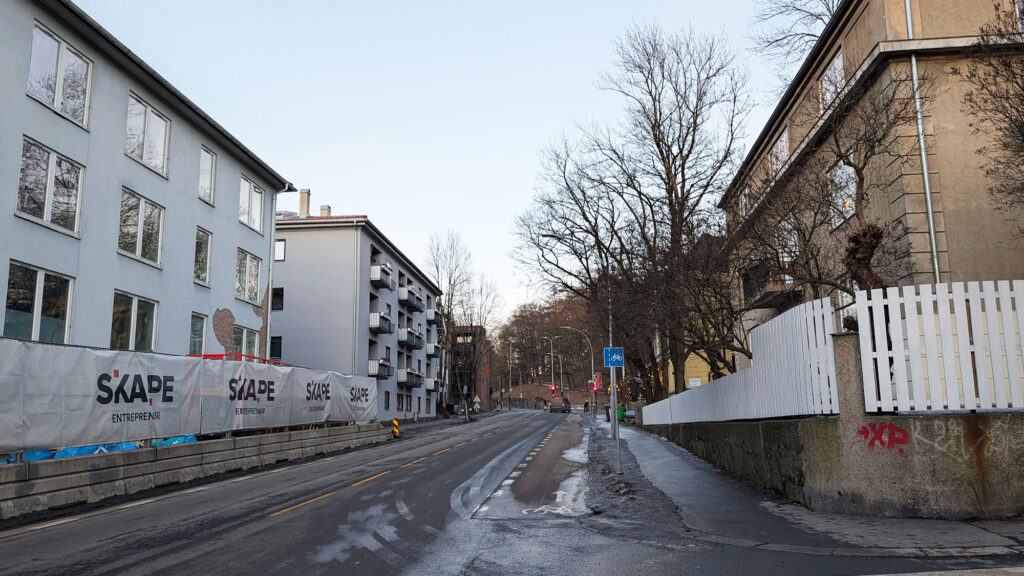
Louises gate
Louises gate appears in The Worst Person in the World (2021), where it is used in one of the film scenes. It is also the location used for the poster image