
York Railway Station is the main railway station in York, North Yorkshire. The present station was built between 1872 and 1877 and opened outside the city walls, replacing the earlier station inside the walls. It was designed for the North Eastern Railway by architects including Thomas Prosser, Benjamin Burley and William Peachey, and is a Grade II* listed building. The station is known for its long curved platforms, yellow-brick station buildings, wrought-iron train shed, footbridges and its position close to the historic centre of York. On screen, it is often used when a production needs a large Victorian railway station that can stand in for London or another period setting.
York Railway Station has appeared in Chariots of Fire (1981) and The Dresser (1983). In Chariots of Fire, the station stands in for both King’s Cross and London Victoria. In The Dresser, it is used as part of the travelling theatre company’s wartime journey. Harry Potter and the Philosopher’s Stone (2001) is sometimes incorrectly linked to York Railway Station because of the King’s Cross footbridge scenes. Those scenes were filmed at King’s Cross in London, using the former Handyside Bridge.
In Chariots of Fire (1981), York Railway Station appears in the railway scenes connected to the British athletes’ journey and return from the 1924 Olympics. The station stands in for King’s Cross in an earlier shot and later for London Victoria during the athletes’ return to England. The north bay of York station was used for the arrival scene, with period railway stock and locomotives from the National Collection placed on the platforms to create the 1920s setting.
In The Dresser (1983), York Railway Station appears during the travelling theatre company’s journey to its next performance. Sir, the ageing Shakespearean actor-manager, moves slowly and grandly through the station while Norman hurries ahead to keep the train from leaving without him. When the train begins to pull out, Sir commands it to stop, turning the platform into one of the film’s comic but revealing moments about his theatrical personality and the strain placed on the people around him.
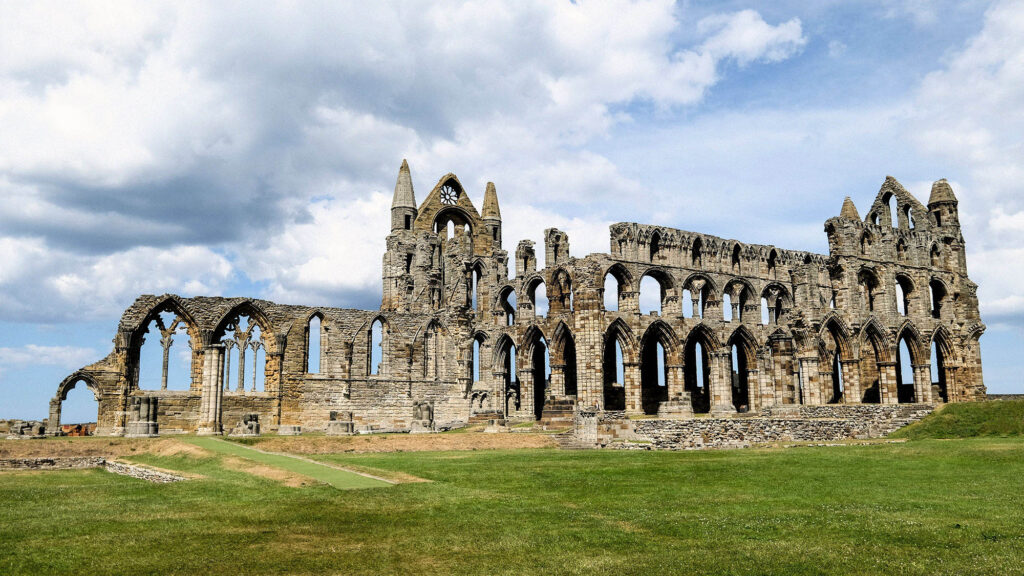
Whitby Abbey
Whitby Abbey appears in Dracula (2020) and Possession (2002). In the 2020 BBC/Netflix adaptation of Dracula, the abbey ruins were used directly on screen.
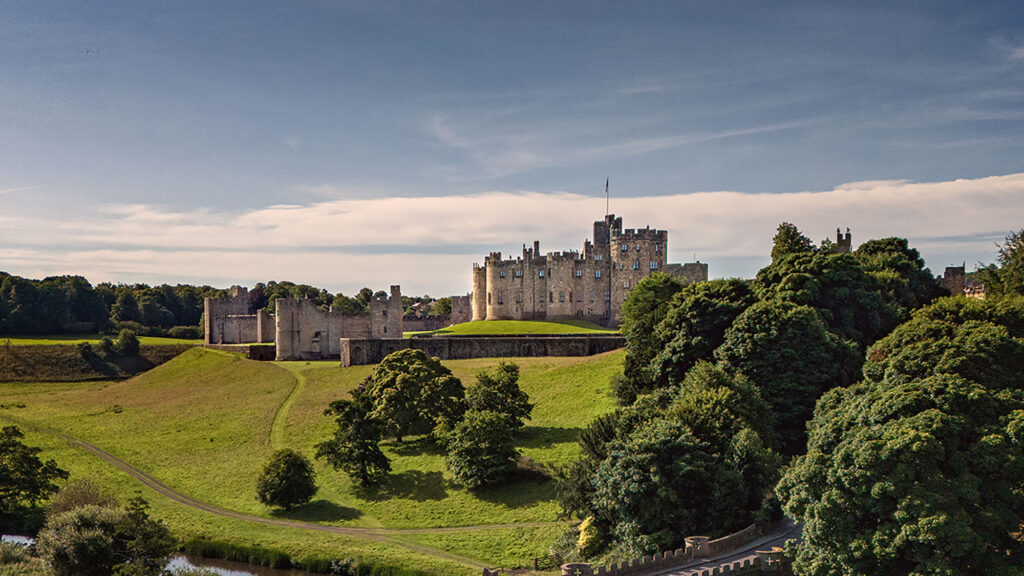
Alnwick Castle
Alnwick Castle has appeared in Harry Potter and the Philosopher’s Stone, Harry Potter and the Chamber of Secrets, Downton Abbey, Transformers and many more.
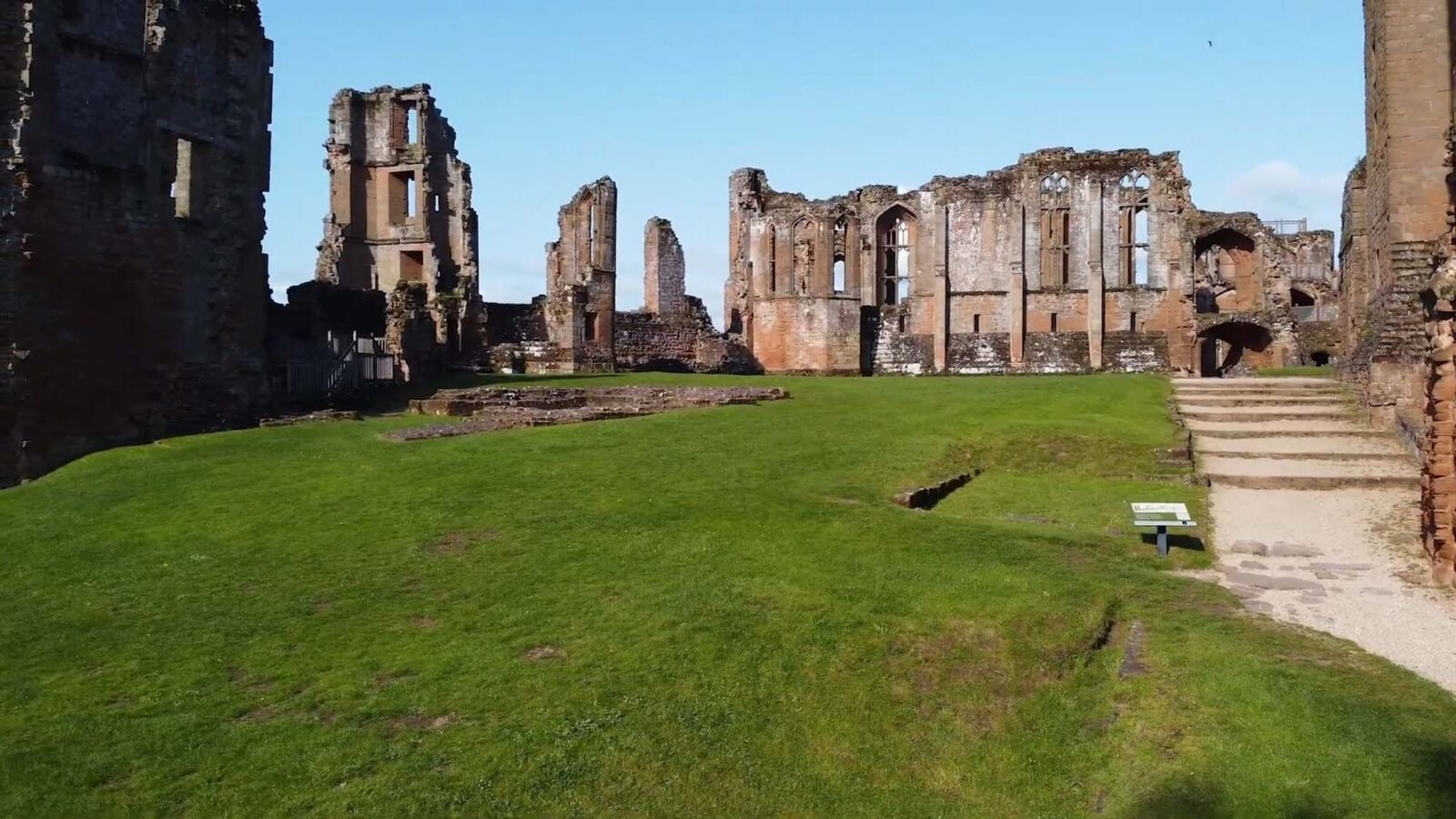
Kenilworth Castle
Kenilworth Castle, in Warwickshire, England, has appeared in When Knights Were Bold (1916), Kenilworth Castle and Amy Robsart (1926) and Father Brown (2013–).
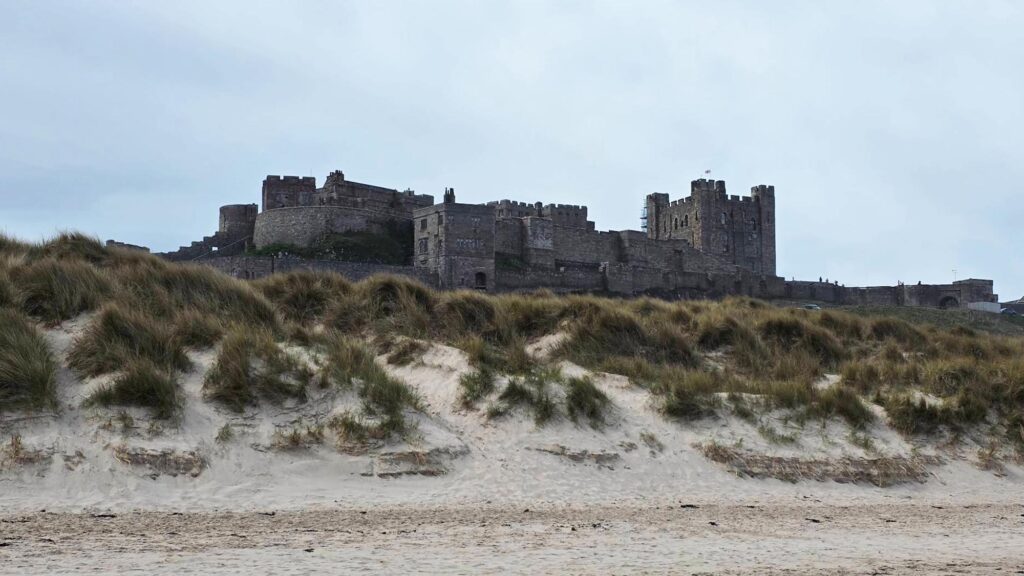
Bamburgh Castle
Bamburgh Castle is in Huntingtower, Becket, The Devils, Macbeth, Mary, Queen of Scots, The Tempest, Ivanhoe, Robin of Sherwood and many more.
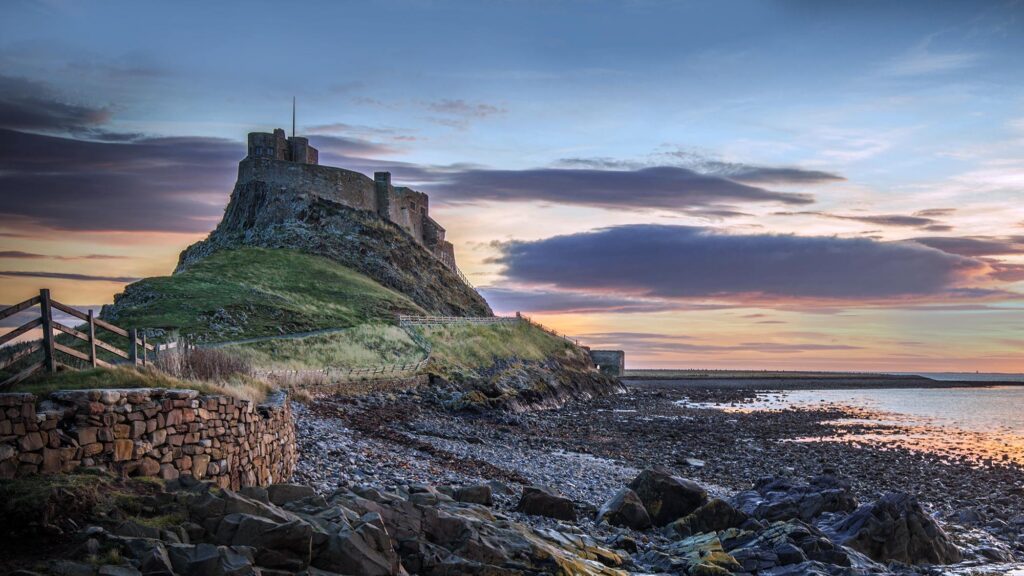
The Holy Island of Lindisfarne
The Holy Island of Lindisfarne has appeared in several films, including "Cul-de-sac" (1966), "Macbeth" (1971) and "28 Years Later" (2025).

Stowe School
Stowe School is in Indiana Jones and the Last Crusade, Inspector Morse, Jeeves and Wooster, The Avengers, Vanity Fair, The World Is Not Enough and many more.

The Falkland Arms
The Falkland Arms appears in MobLand (2025–). The series uses the real Great Tew pub as itself, with the name The Falkland Arms kept in the dialogue.
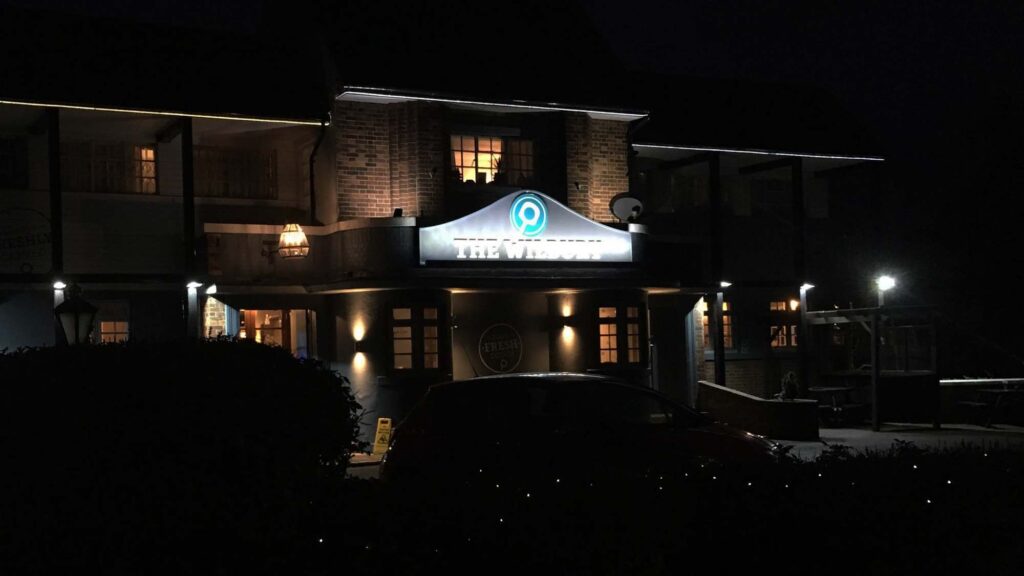
The Wilbury
The Wilbury has appeared in The World’s End (2013), where it was used as the fictional pub that gives the film its title and serves as the final destination.
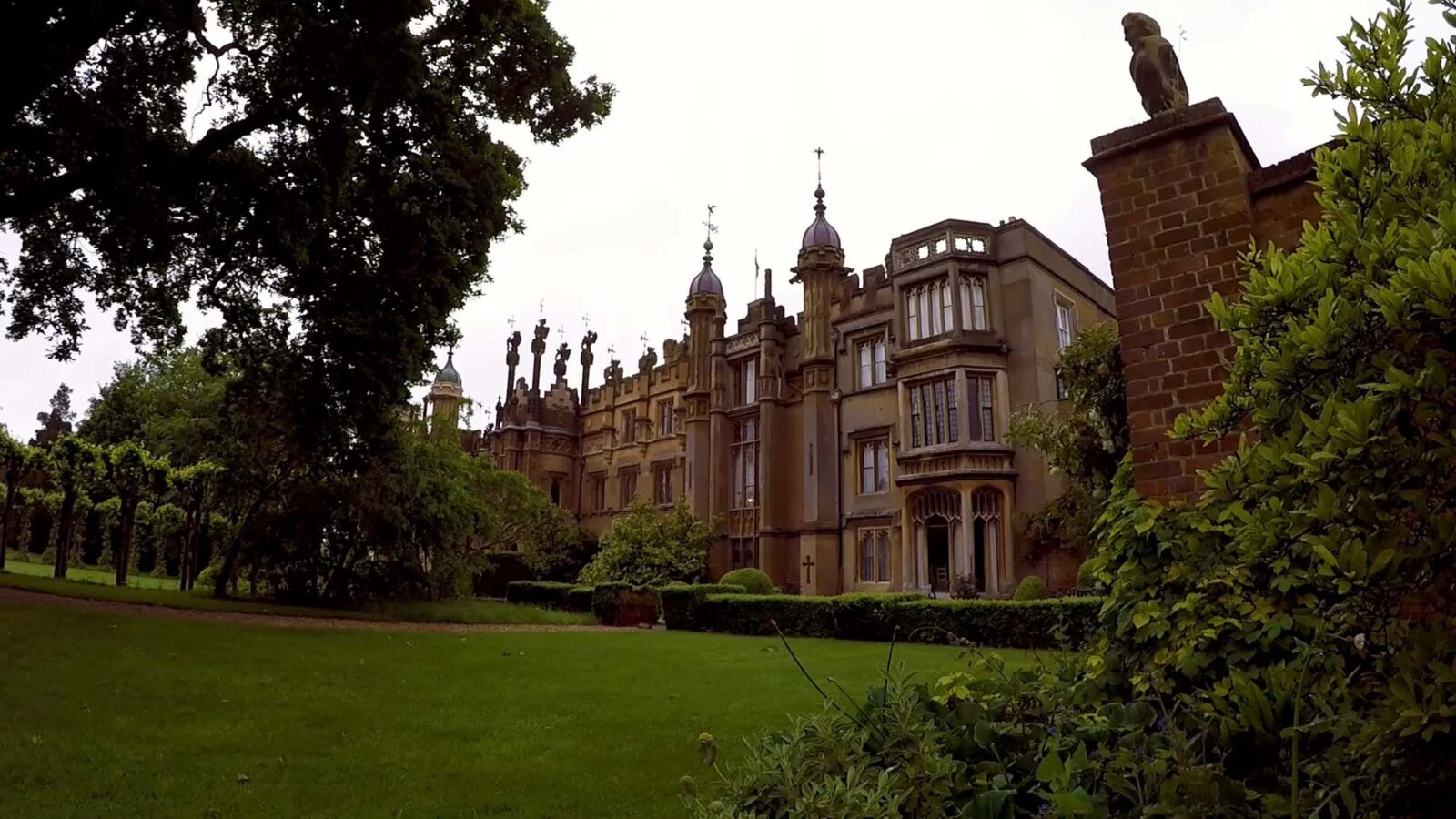
Knebworth House
Knebworth House appeared in The Great Muppet Caper, The Shooting Party, The Lair of the White Worm, Batman, The Wings of the Dove, and many more.