
The Holy Island of Lindisfarne off the coast of Northumberland is one of England’s most atmospheric tidal islands. Cut off from the mainland at high tide and reached by a causeway when the tide allows, the island has a strong sense of isolation that has made it especially effective on film. It is known for Lindisfarne Priory, its early Christian history, open coastal landscape and Lindisfarne Castle, a 16th-century fort later transformed into an Arts and Crafts-style residence by Sir Edwin Lutyens. The mix of religious history, windswept shoreline, castle, causeway and tidal danger gives the island a very distinctive screen identity.
The Holy Island of Lindisfarne has appeared in several films, including “Cul-de-sac” (1966), “Macbeth” (1971) and 28 Years Later (2025). Lindisfarne Castle is the most recognisable specific location in the older films, while the island itself, its causeway and its cut-off geography are central to the later post-apocalyptic setting. In all three films, Lindisfarne is used for its isolation, but the mood changes from absurdist psychological tension in “Cul-de-sac” (1966), to bleak medieval tragedy in “Macbeth” (1971), and finally to fortified survival in “28 Years Later” (2025).
In “Cul-de-sac” (1966), Roman Polanski uses Lindisfarne as the film’s main setting. The story follows two wounded gangsters who become stranded after their car breaks down on the causeway, before they take refuge at a remote castle inhabited by George and Teresa. Lindisfarne Castle appears as the fictional castle, while the island’s tidal isolation becomes essential to the film’s atmosphere. The incoming sea, empty landscape and inability to leave the island help create the film’s strange mixture of black comedy, menace and psychological breakdown. The BFI also highlights how the fast-moving tides at Lindisfarne are built directly into the premise of the film.
In “Macbeth” (1971), Lindisfarne Castle is used as Inverness, Macbeth’s castle. Roman Polanski’s version of Shakespeare’s tragedy uses the castle’s isolated position and harsh Northumberland landscape to create a bleak medieval world. The stone fortress, exposed coastline and windswept setting suit the film’s violent and fatalistic tone, making Lindisfarne feel far removed from any safe or settled civilisation.
In “28 Years Later” (2025), the Holy Island of Lindisfarne is used as a quarantined island community in Danny Boyle’s post-apocalyptic Britain. The real geography of the island is central to the story, especially the tidal causeway that connects it to the mainland only at low tide. This makes Lindisfarne feel like both a sanctuary and a trap, a place where survivors can build a closed-off society while still remaining vulnerable to what lies beyond the island.
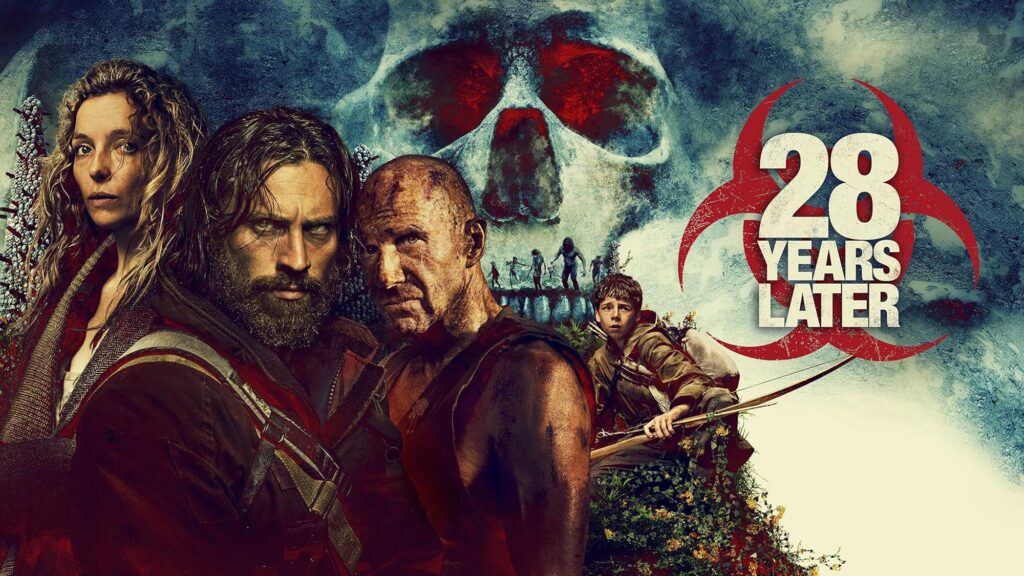
28 Years Later
28 Years Later was shot mainly in northern England, with Northumberland playing the central role in its visual identity.
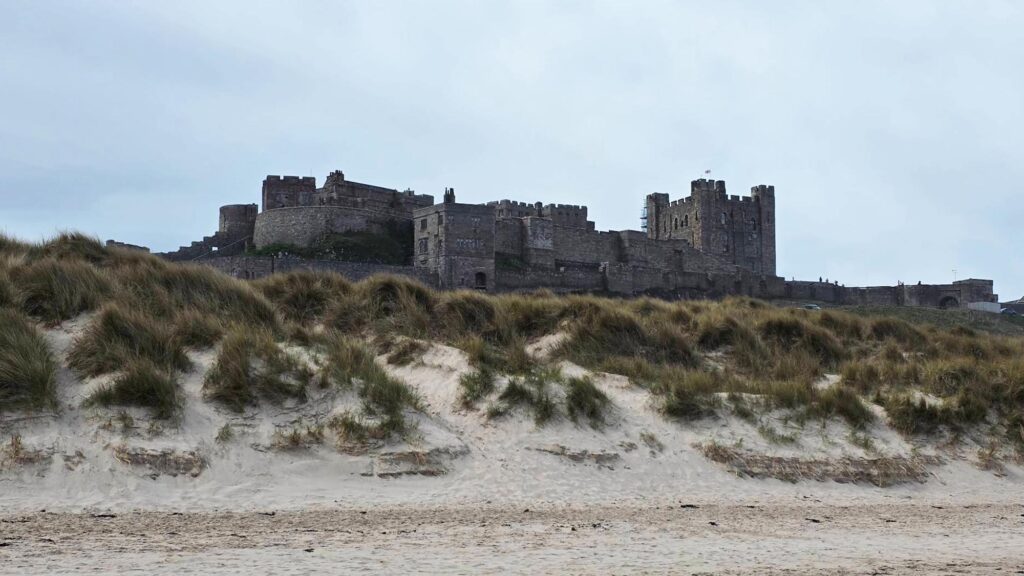
Bamburgh Castle
Bamburgh Castle is in Huntingtower, Becket, The Devils, Macbeth, Mary, Queen of Scots, The Tempest, Ivanhoe, Robin of Sherwood and many more.
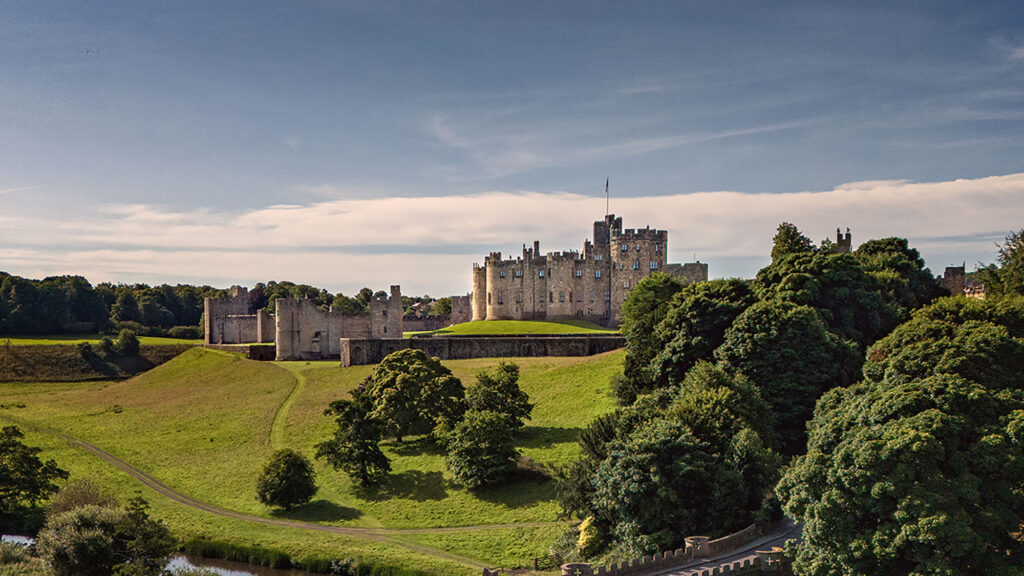
Alnwick Castle
Alnwick Castle has appeared in Harry Potter and the Philosopher’s Stone, Harry Potter and the Chamber of Secrets, Downton Abbey, Transformers and many more.

Gosford House
Gosford House has appeared in The Awakening (2011), Outlander (2014), The Princess Switch: Switched Again (2020), The Buccaneers (2023) and Frankenstein (2025).
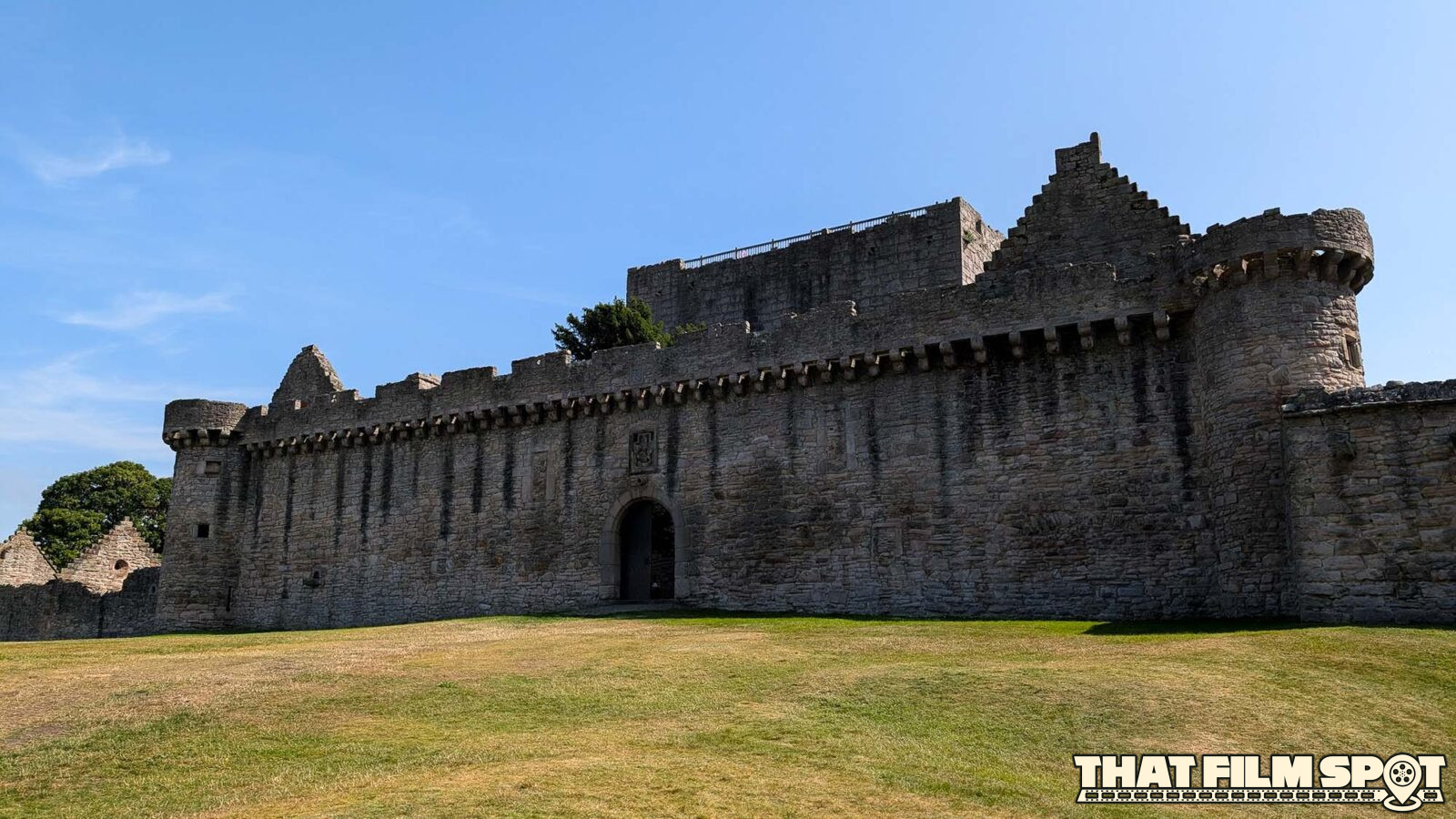
Craigmillar Castle
Craigmillar Castle has appeared in Outlander (2014), Outlaw King (2018) and other historical productions connected to Scotland’s medieval and early modern past.
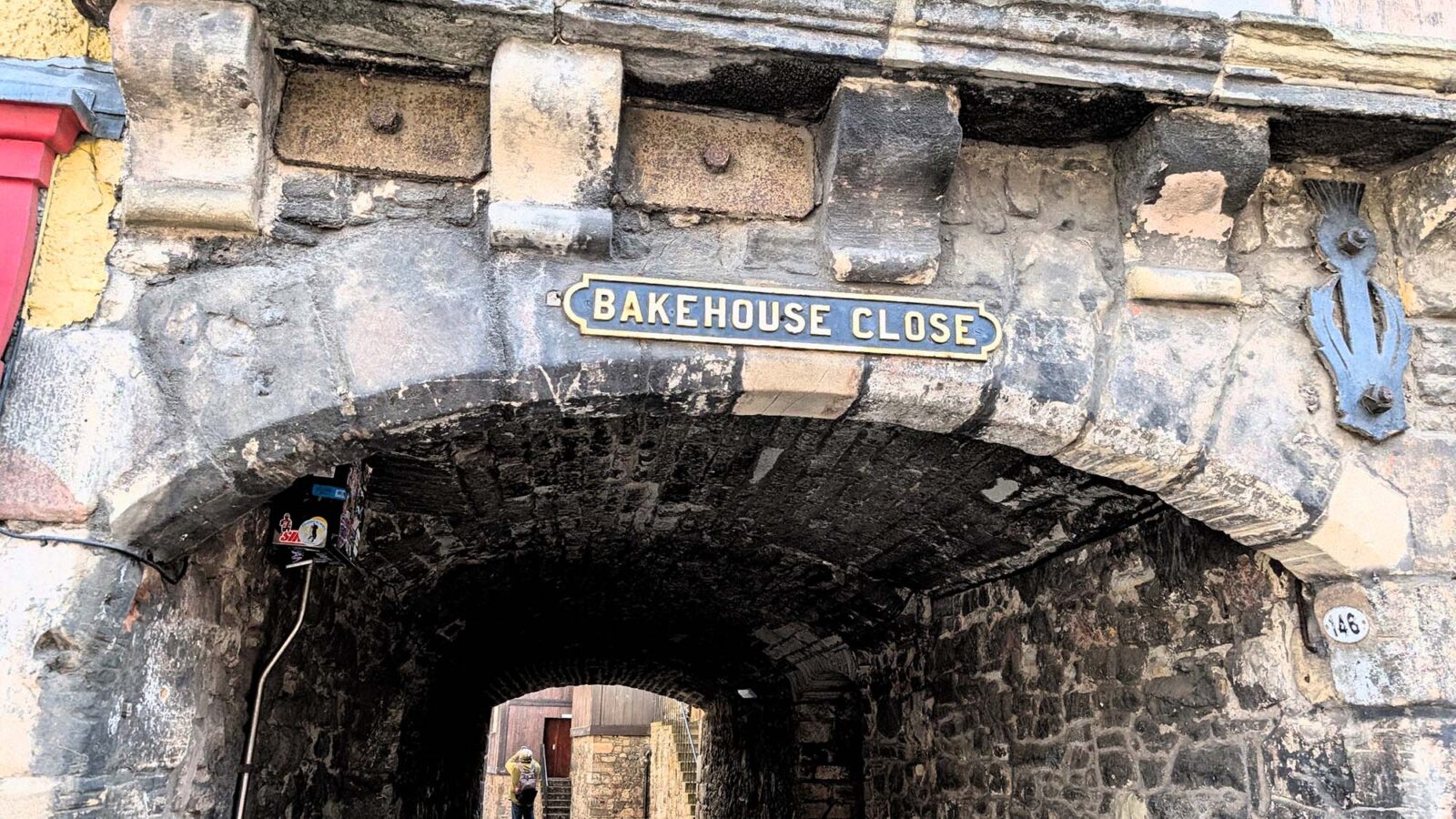
Bakehouse Close
Bakehouse Close, a historic close in Edinburgh, has appeared in The Adventures of Greyfriars Bobby (2005), Outlander (2014–) and Frankenstein (2025).
Dugald Stewart Monument
Dugald Stewart Monument has appeared in North & South (2004), One Day (2011), Mausam (2011), The Railway Man (2013) and Sunshine on Leith (2013).
St Giles’ Cathedral
St Giles’ Cathedral has appeared in Avengers: Infinity War (2018), and the area around the cathedral was also used for Frankenstein (2025).
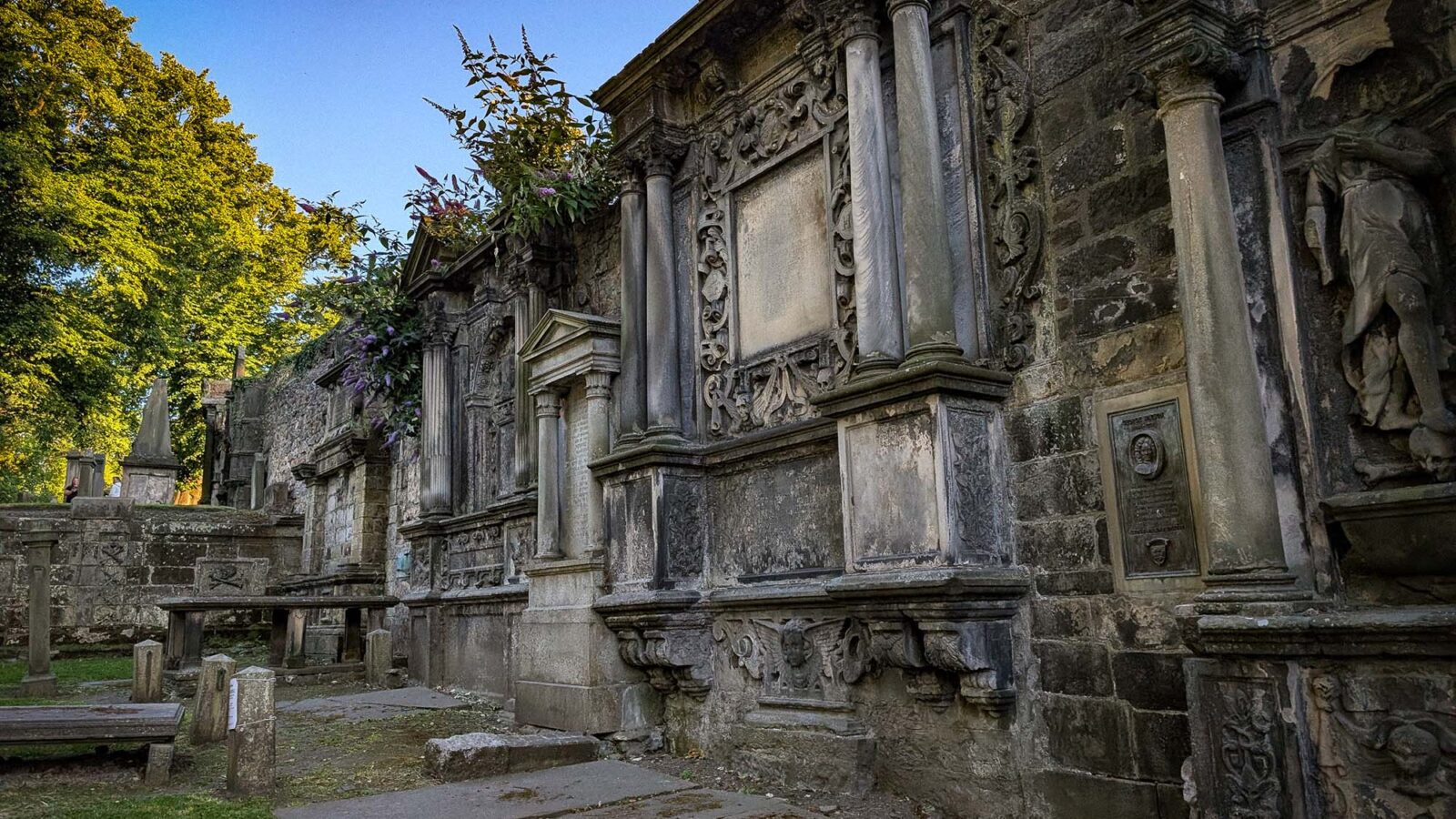
Greyfriars Kirkyard
Greyfriars Kirkyard has appeared in Greyfriars Bobby: The True Story of a Dog, The Prime of Miss Jean Brodie, Jude and The Adventures of Greyfriars Bobby.
Victoria Street
Victoria Street has appeared in F9: The Fast Saga (2021) and Eurovision Song Contest: The Story of Fire Saga (2020).