
Ludlow Castle is a ruined medieval fortress at Castle Square in Ludlow, Shropshire, standing on a rocky promontory overlooking the valleys of the River Teme and River Corve. The castle was probably founded around 1075, shortly after the Norman conquest of England, on land granted to Walter de Lacy, with his sons Roger and Hugh responsible for some of the earliest surviving structures. Initially an enclosure castle, it was strengthened and expanded over the following centuries, with its original gatehouse developed into the Great Tower during the twelfth century and an outer bailey added as the fortress grew. Among the most unusual surviving features is the circular Romanesque chapel of St Mary Magdalene, alongside the remains of the Great Hall, royal apartments, towers and extensive curtain walls. Ludlow became one of the most important strongholds of the Welsh Marches and later a major royal and administrative centre. The future Edward V lived here as Prince of Wales from 1473 until the death of his father Edward IV in 1483, while Prince Arthur, eldest son of Henry VII, established his household at Ludlow with his wife Catherine of Aragon and died at the castle in 1502. Princess Mary, the future Mary I, also spent periods here during the 1520s. For much of the sixteenth and seventeenth centuries the castle served as the headquarters of the Council of Wales and the Marches, effectively making Ludlow an administrative capital for Wales and the English border counties. John Milton’s masque Comus was first performed here in 1634. Ludlow remained a Royalist stronghold during the English Civil War before surrendering to Parliament in 1646, and after the final abolition of the Council in 1689 it was abandoned and gradually fell into ruin. The Earl of Powis leased the castle in 1771 and purchased it in 1811, and it remains part of the Powis Estate. Today the surviving complex is both a Grade I listed building and a Scheduled Monument.
Ludlow Castle has appeared in Faintheart (2008), Catherine Called Birdy (2022) and The Completely Made-Up Adventures of Dick Turpin (2024–2025). Faintheart (2008) leaves the castle recognisably in the modern world, using its grounds for the medieval battle re-enactments that dominate Richard’s life and for the film’s climactic confrontation. Catherine Called Birdy (2022) transforms the ruined interior into the fictional medieval town of Rutherford, filling the castle with stalls, townspeople and preparations for a public hanging. The Completely Made-Up Adventures of Dick Turpin (2024–2025) makes more conventional use of its defensive architecture, turning Ludlow into a castle and prison and using the grounds for hanging scenes.
In Faintheart (2008), Ludlow Castle is used extensively for the medieval battle re-enactments that have become an obsession for Richard, played by Eddie Marsan. Richard spends much of his free time dressing as a Viking and fighting mock battles with his fellow enthusiasts, a passion that has contributed to the breakdown of his marriage to Cath and embarrassed their son Martin. The castle grounds become particularly important during the film’s climax, when Richard joins a large public re-enactment battle between Vikings and Normans. What begins as staged combat turns personal when Cath’s new boyfriend Gary arrives and confronts him, leading Richard and Gary into a real fight among the costumed re-enactors. Martin tries to intervene, before Cath takes up a bow and arrow and forces Gary to retreat. The sequence brings together Richard’s eccentric hobby and the family conflict running through the film, while Ludlow Castle remains recognisably a modern historic site being used for a public re-enactment rather than pretending to be an intact medieval fortress.
In Catherine Called Birdy (2022), Ludlow Castle is transformed into Rutherford, a bustling medieval town visited by Catherine, known as Birdy. Her family home, Stonebridge Manor, was filmed primarily at nearby Stokesay Castle, while Ludlow serves a very different purpose. Early in the story Birdy begs her mother for permission to attend a public hanging in Rutherford, only to be forbidden from going. Much later, when she becomes increasingly desperate about being married to the much older Lord Murgaw, she disguises herself in a peasant’s clothes and runs away. She travels to Rutherford and passes through the crowded town on her way to seek help from her beloved Uncle George. For these scenes, Ludlow Castle’s ruined interior was extensively dressed as an inhabited thirteenth-century town preparing for a hanging, with food sellers, craftsmen, townspeople and other period details filling spaces that are normally open castle ruins. Rather than using Ludlow as another aristocratic residence, the production turns its walls and courtyards into a busy urban environment and creates one of the film’s clearest contrasts with the muddy rural world of Stonebridge.
In The Completely Made-Up Adventures of Dick Turpin (2024–2025), Ludlow Castle provides the series with its castle and hanging locations. The comedy stars Noel Fielding as a flamboyant and thoroughly fictionalised version of the eighteenth-century highwayman, whose adventures repeatedly bring him into conflict with criminal mastermind Jonathan Wilde and the secret organisation known as the Syndicate. Ludlow’s ruined fortifications are used for scenes involving imprisonment and execution, most significantly around Dick’s capture and death sentence. In the first-season finale, «Turpin Time» (2024), Dick has been imprisoned by the Syndicate and condemned to hang while his Essex Gang has fallen under the control of rival highwayman Tommy Silversides. Dick attempts to escape, reunite his gang and prevent his impending execution, with Ludlow Castle providing an appropriately formidable setting for the prison and gallows material. Other parts of the series were filmed principally in Kent, making Ludlow one of the relatively few major locations outside the county used to create Dick Turpin’s deliberately absurd eighteenth-century England.

Gloucester Cathedral
Gloucester Cathedral is in El libro de buen amor II, The Whistle Blower, The Choir, Shadow Run, Harry Potter and the Sorcerer’s Stone, and many more.
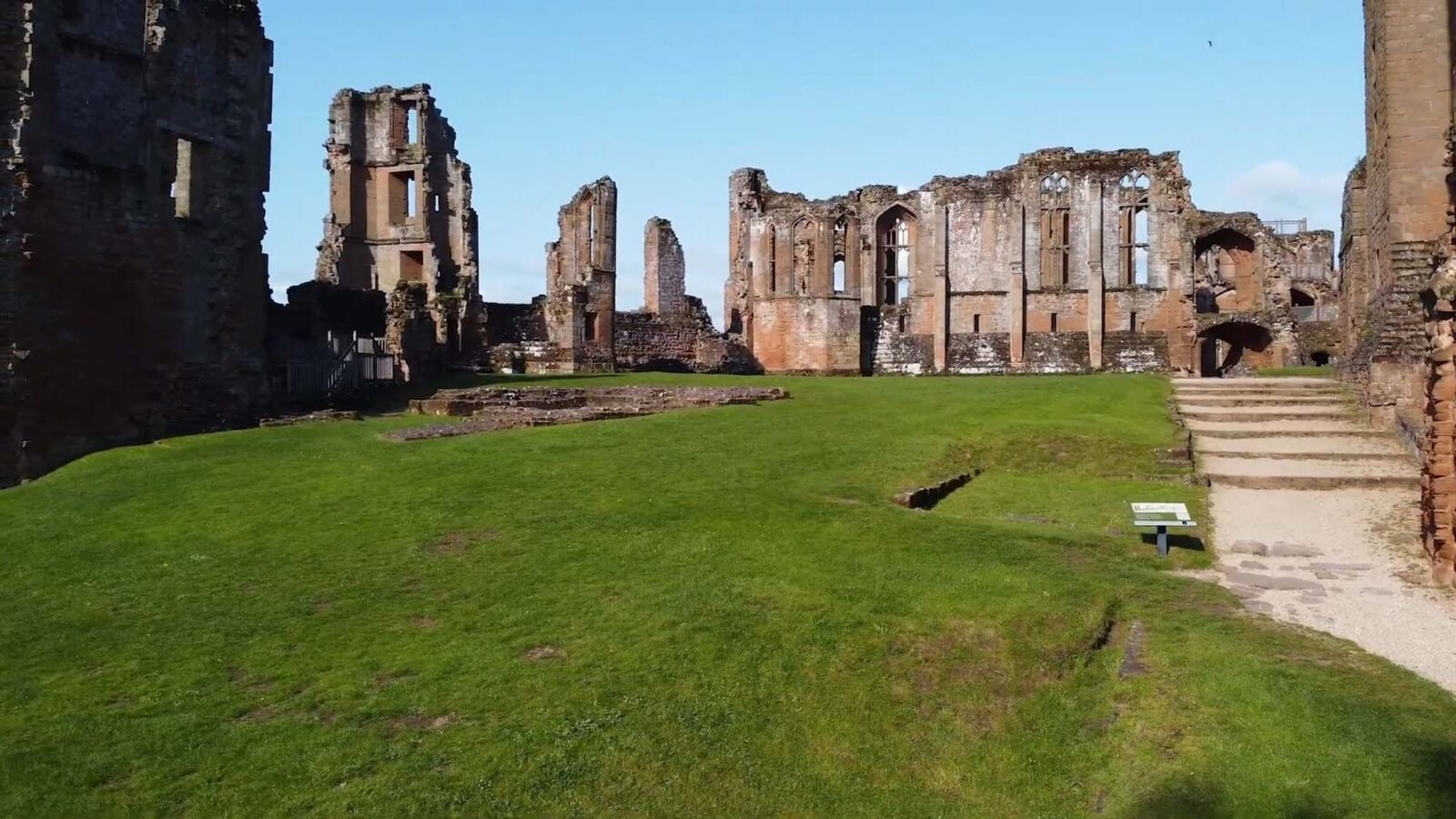
Kenilworth Castle
Kenilworth Castle, in Warwickshire, England, has appeared in When Knights Were Bold (1916), Kenilworth Castle and Amy Robsart (1926) and Father Brown (2013–).

The Falkland Arms
The Falkland Arms appears in MobLand (2025–). The series uses the real Great Tew pub as itself, with the name The Falkland Arms kept in the dialogue.
Blenheim Palace
Blenheim Palace is a monumental English Baroque country house in Woodstock, Oxfordshire, and the ancestral seat of the Dukes of Marlborough. It…

Stowe School
Stowe School is in Indiana Jones and the Last Crusade, Inspector Morse, Jeeves and Wooster, The Avengers, Vanity Fair, The World Is Not Enough and many more.
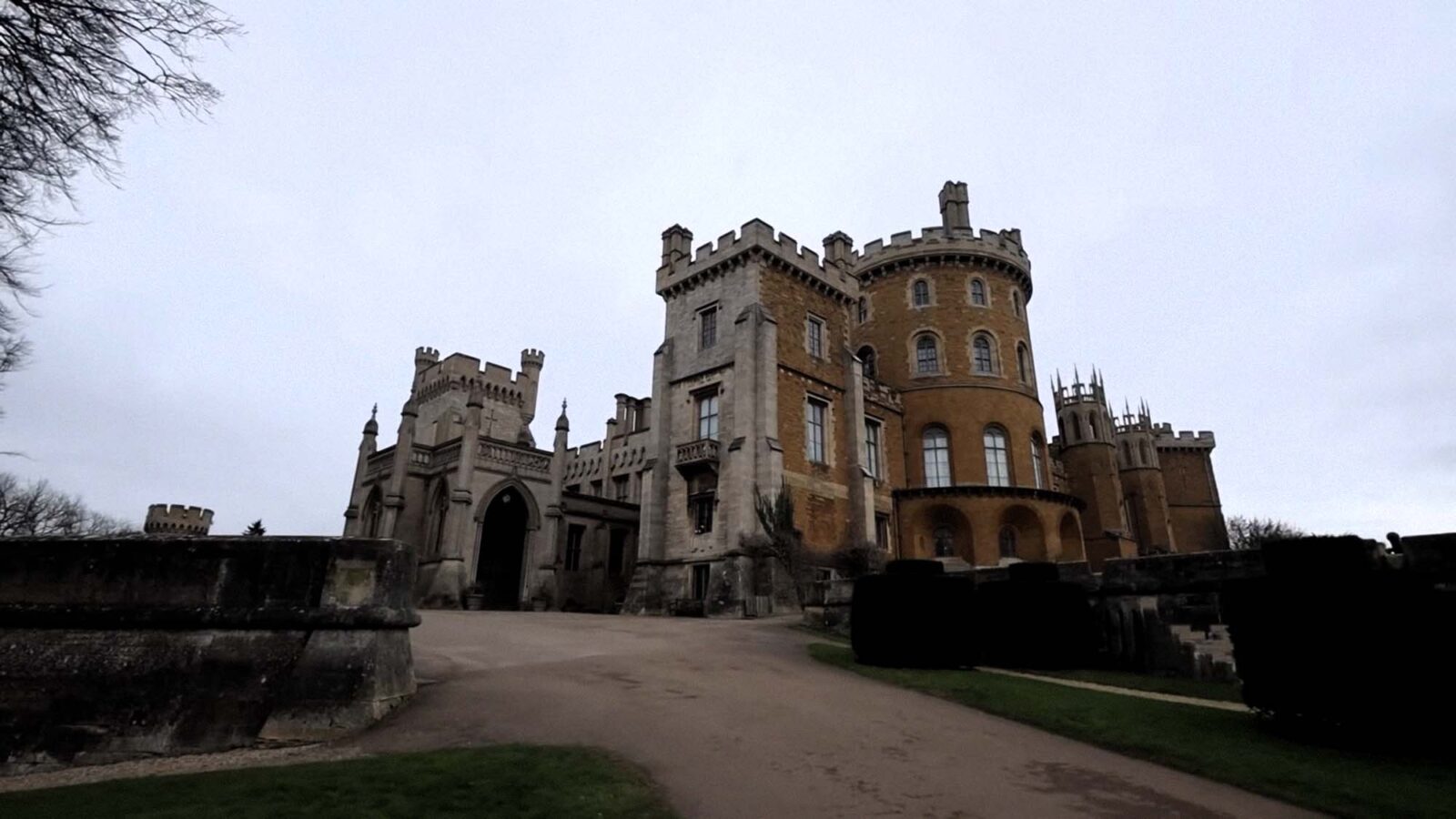
Belvoir Castle
Belvoir Castle is in Little Lord Fauntleroy, Young Sherlock Holmes, King Ralph, The Haunting, The Da Vinci Code, The Young Victoria, Victoria & Abdul +++.
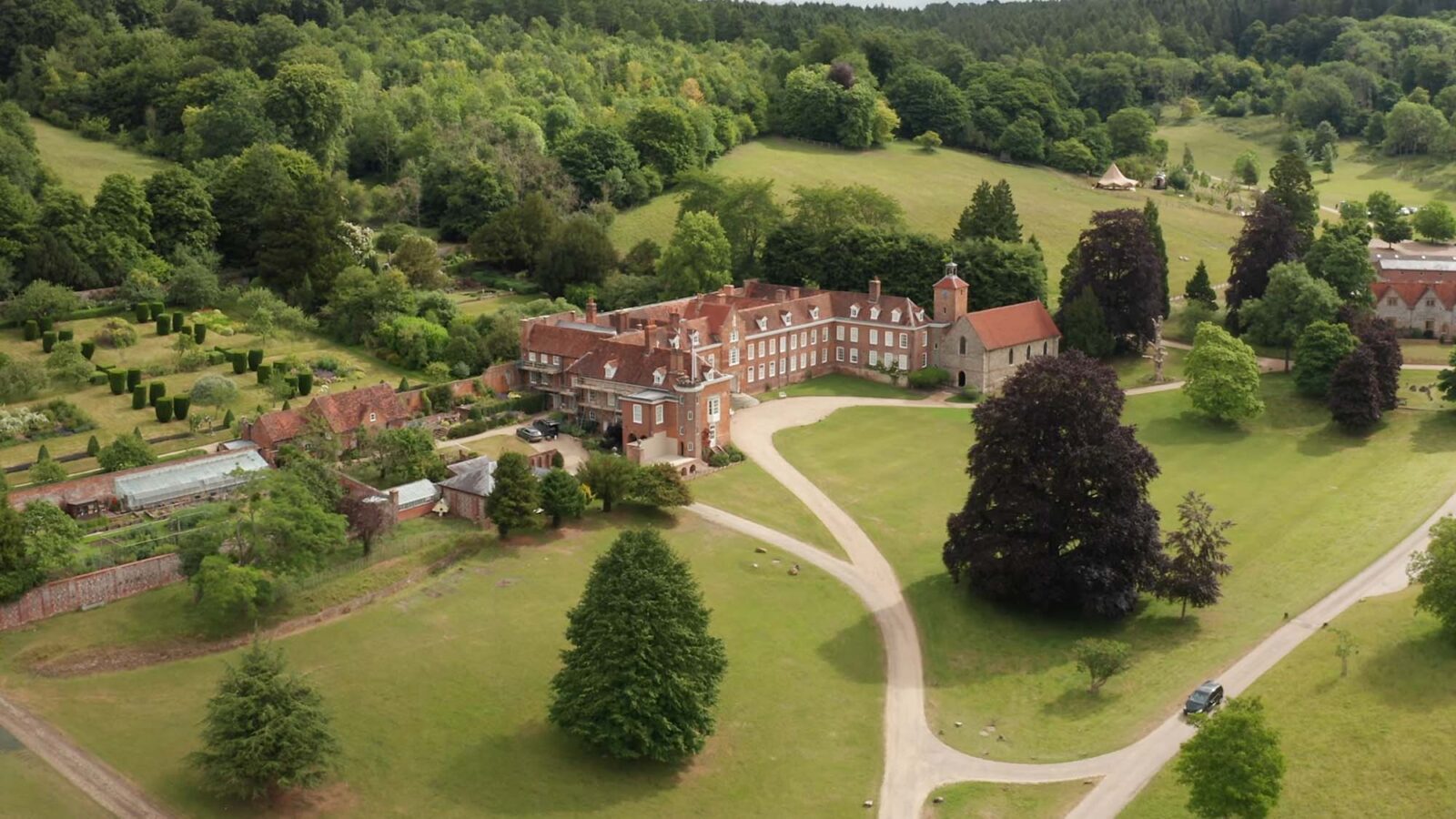
Stonor Park
Stonor Park is a historic country house and estate located in the Chiltern Hills near Henley-on-Thames in Oxfordshire, England. The estate has…
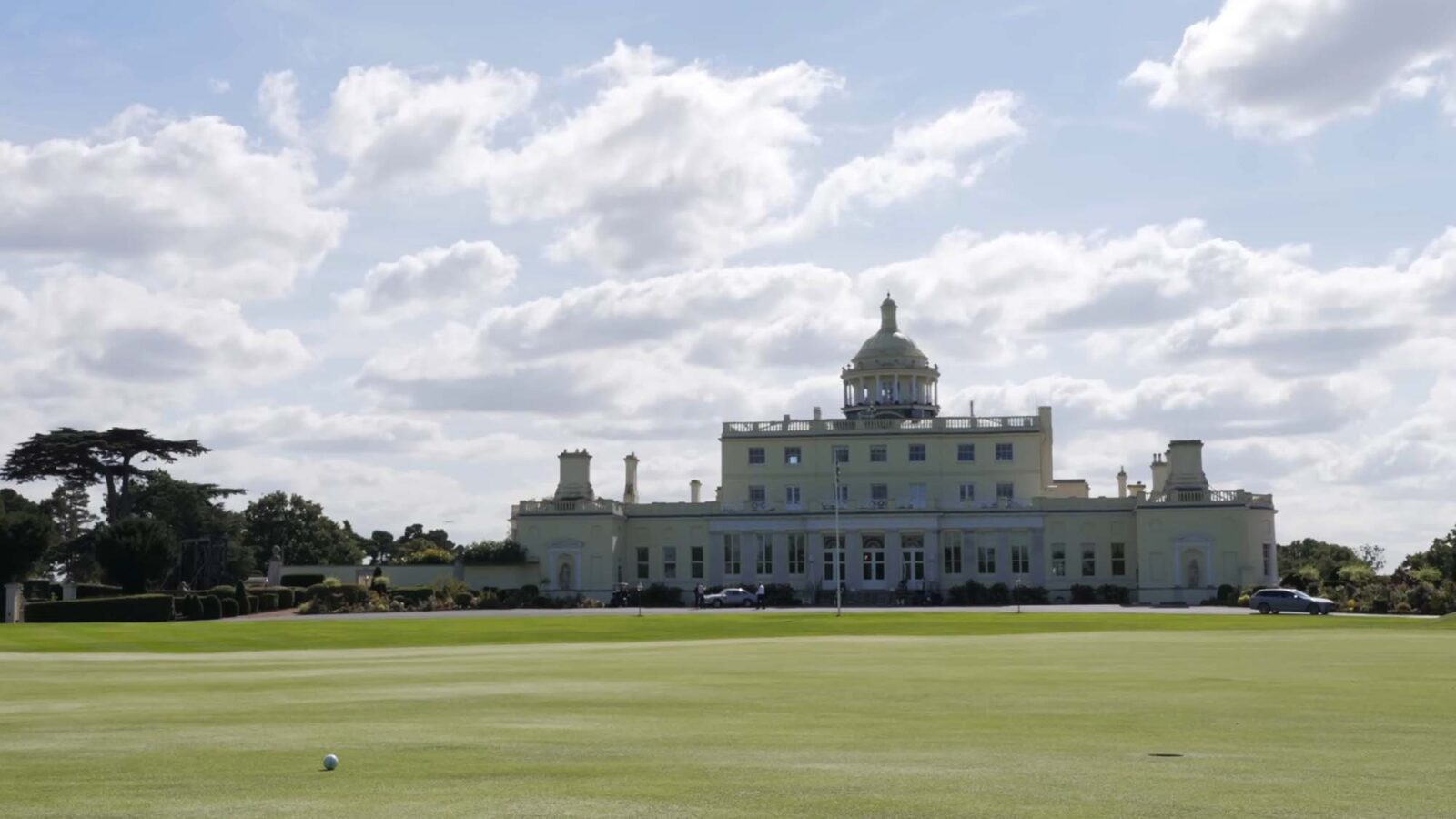
Stoke Park Golf Club
Stoke Park Golf Club is in Dead of Night, Goldfinger, The Professionals, Tomorrow Never Dies, Midsomer Murders, Bridget Jones's Diary, Wimbledon and many more.
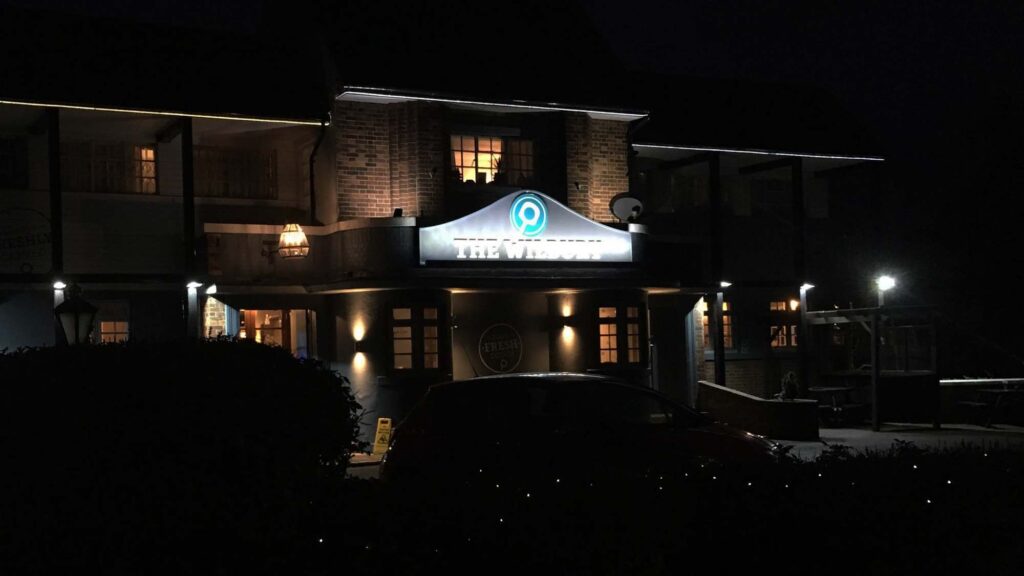
The Wilbury
The Wilbury has appeared in The World’s End (2013), where it was used as the fictional pub that gives the film its title and serves as the final destination.