
Blenheim Palace is a monumental English Baroque country house in Woodstock, Oxfordshire, and the ancestral seat of the Dukes of Marlborough. It was built between 1705 and 1722 as a national reward to John Churchill, 1st Duke of Marlborough, following his victory over French and Bavarian forces at the Battle of Blenheim in 1704. Sir John Vanbrugh designed the palace with Nicholas Hawksmoor, creating an unusually dramatic complex centred on the Great Court and surrounded by monumental gateways, towers and colonnades. During the 1760s, Lancelot “Capability” Brown transformed the surrounding park, damming the River Glyme to create the Great Lake and reshaping the formal landscape into the sweeping parkland seen today. Later additions include the Water Terraces and formal gardens. Winston Churchill was born at Blenheim Palace on 30 November 1874 while his parents were staying with his grandfather, the 7th Duke of Marlborough. The palace and its landscape were designated a UNESCO World Heritage Site in 1987. Its combination of enormous Baroque interiors, courtyards, bridges, gardens, lakes and extensive parkland has made Blenheim one of Britain’s most frequently used historic filming locations.
Blenheim Palace has appeared in Saraband for Dead Lovers (1948), Half a Sixpence (1967), Barry Lyndon (1975), History of the World, Part I (1981), Without a Clue (1988), Black Beauty (1994), Inspector Morse (1987–2000), Hamlet (1996), The Avengers (1998), Entrapment (1999), Kabhi Khushi Kabhie Gham (2001), The Libertine (2004), Harry Potter and the Order of the Phoenix (2007), Lewis (2006–2015), The Young Victoria (2009), Gulliver’s Travels (2010), A Little Chaos (2014), Cinderella (2015), Mission: Impossible – Rogue Nation (2015), The Royals (2015–2018), Spectre (2015), Fan (2016), The BFG (2016), Transformers: The Last Knight (2017), Dolittle (2020), Cinderella (2021), Endeavour (2012–2023), Queen Charlotte: A Bridgerton Story (2023), Napoleon (2023), Bridgerton (2020–), The Diplomat (2023–) and Heads of State (2025). The palace has represented everything from Elsinore and Versailles to Buckingham Palace, a Russian imperial residence and a fictional Italian palazzo, while other productions have allowed Blenheim to appear as itself. Different parts of the estate are repeatedly used independently, including the Great Court, Great Hall, Long Library, State Rooms, West Colonnades, Water Terraces, South Lawn, Grand Bridge, Italian Garden, Great Lake and wider parkland.
In Saraband for Dead Lovers (1948), Blenheim Palace was among the grand European locations used to create the seventeenth-century court of Hanover in Ealing Studios’ first Technicolor feature. The film tells the story of Sophia Dorothea of Celle and her ill-fated relationship with Count Philip Christoph von Königsmarck, with Blenheim’s formal architecture and Italian Garden helping establish the aristocratic world in which their affair takes place. The production was one of the earliest major feature films to use the palace and began a screen history that would continue for decades.
In Half a Sixpence (1967), Blenheim Palace becomes the grand home of Lady Botting during Arthur Kipps’s brief introduction to upper-class society after unexpectedly inheriting a fortune. Kipps and Helen Walsingham travel across the Grand Bridge and arrive at the imposing palace for dinner, where his lack of familiarity with aristocratic manners leaves him increasingly uncomfortable. The Saloon was used for the dining sequence, while the Great Hall and other parts of the palace also appear. Blenheim’s overwhelming scale helps underline how far Kipps has travelled from his former life as a poorly paid shop apprentice.
In Barry Lyndon (1975), Blenheim Palace appears during Barry’s life among the European aristocracy after his marriage to Lady Lyndon. Stanley Kubrick uses the Water Terraces for a carefully composed sequence in which Barry and Lady Lyndon walk through the formal gardens, photographed in the painterly style that characterises much of the film. Blenheim appears again during the outdoor birthday celebration for their young son Bryan, with tents and guests spread across the lawn and the palace rising in the distance. The two sequences use the estate not simply as a generic stately home but as part of Kubrick’s visual portrayal of wealth, privilege and the increasingly empty aristocratic life Barry has fought to enter.
In History of the World, Part I (1981), Blenheim Palace provides exterior palace material for Mel Brooks’s French Revolution segment. Brooks plays King Louis XVI, whose extravagant and casually cruel existence is contrasted with the poverty and growing anger of the French population. Blenheim was used to establish the royal environment surrounding Louis and his court, while much of the comedy inside was created at Shepperton Studios. The palace is therefore part of the film’s deliberately exaggerated version of pre-revolutionary France.
In Without a Clue (1988), Blenheim Palace becomes the Royal Mint during Sherlock Holmes and Doctor Watson’s investigation into the theft of printing plates used to produce five-pound notes. In this comic reversal of the Holmes story, Doctor Watson is the real detective while drunken actor Reginald Kincaid publicly plays the fictional Sherlock Holmes. The government calls on the pair after the printing plates disappear and a Mint employee goes missing, with both exterior and interior areas of Blenheim used to represent the institution at the centre of the counterfeiting plot.
In Black Beauty (1994), Blenheim Palace represents Earlshall Park, the estate of Lord and Lady Wexmire, where Black Beauty and Ginger are taken after leaving Birtwick Park. Their new circumstances initially appear privileged, but Lady Wexmire insists that the horses wear painfully restrictive bearing reins when pulling her carriage. Ginger eventually rebels against the treatment, while Beauty’s own fortunes continue to decline. Blenheim’s architecture and grounds provide the grand setting for this stage of Beauty’s life, visually contrasting the wealth of his owners with the poor treatment experienced by the animals in their care.
In Inspector Morse (1987–2000), Blenheim Palace appears prominently in the 1995 episode “The Way Through the Woods”. Morse reopens questions surrounding the disappearance of Karen Anderson after convicted serial killer Stephen Parnell claims before his death that he did not murder her. Witness George Daley, who had discovered Anderson’s abandoned bag during the original investigation, is subsequently found shot dead in the grounds of Blenheim Palace. The Walled Garden becomes a crime scene as Morse and Lewis investigate Daley’s murder and gradually uncover evidence that the original case was far more complicated than it first appeared.
In Hamlet (1996), Blenheim Palace provides the exterior of Elsinore Castle in Kenneth Branagh’s complete film adaptation of Shakespeare’s tragedy. The enormous north façade, courtyards and snow-covered grounds establish the scale and political power of the Danish royal court occupied by King Claudius, Queen Gertrude and Prince Hamlet. Branagh wanted Elsinore to feel like the centre of a country rather than an isolated medieval fortress, making Blenheim’s monumental architecture particularly suitable. Most of the lavish palace interiors were constructed at Shepperton Studios, while Blenheim supplies the unmistakable exterior identity of Elsinore.
In The Avengers (1998), Blenheim Palace becomes Hallucinogen Hall, the country estate of weather-controlling villain Sir August de Wynter. John Steed and Emma Peel investigate de Wynter after discovering his plan to manipulate Britain’s weather and hold the world to ransom. The imposing exterior of Blenheim establishes his extravagant residence, while other properties, including Syon House, were combined with it to create different areas of the fictional estate.
In Entrapment (1999), Blenheim Palace represents the fictional Bedford Palace, target of the first major robbery planned by insurance investigator Gin Baker and master thief Robert MacDougal. Gin persuades Mac that she can help him steal a valuable Chinese mask from the heavily protected palace, and the pair spend weeks preparing for the elaborate security system protecting it. Blenheim’s Great Court, Grand Bridge and palace exterior establish Bedford Palace, while the robbery itself combines location work with interiors and purpose-built sets elsewhere. The theft becomes the test that transforms Gin and Mac from suspicious adversaries into partners before they turn their attention to the much larger Millennium robbery in Kuala Lumpur.
In Kabhi Khushi Kabhie Gham (2001), Blenheim Palace appears during the British section of the story after Rohan Raichand travels to England in an attempt to reunite his estranged brother Rahul with their parents. The Great Court is used during the musical sequence “Deewana Hai Dekho”, with Rohan and Pooja surrounded by students and dancers against the monumental palace façade. Blenheim represents part of Pooja’s university environment and was particularly notable as one of the first major Indian productions to stage a large song sequence at the palace.
In The Libertine (2004), Blenheim Palace provides several locations associated with the royal court and aristocratic world inhabited by John Wilmot, 2nd Earl of Rochester. The production filmed in the Saloon, along the West Colonnades, on the South Lawn and around the Water Terraces. Johnny Depp’s Rochester moves through these grand surroundings while his relationship with King Charles II deteriorates and his increasingly self-destructive behaviour damages both his career and personal life. Rather than using a single façade, the film incorporates several distinct areas of Blenheim into its recreation of Restoration England.
In Harry Potter and the Order of the Phoenix (2007), the grounds of Blenheim Palace appear during Harry Potter’s discovery of one of Severus Snape’s most painful memories. During an Occlumency lesson, Harry sees the teenage Snape sitting beneath a large Cedar of Lebanon beside the Hogwarts lake before James Potter, Sirius Black and their friends begin humiliating him. James magically suspends Snape upside down while Lily Evans intervenes, revealing to Harry that his father was capable of behaviour very different from the heroic image he had grown up with. The real tree stands beside Blenheim’s Great Lake and has subsequently become closely associated with the scene.
In Lewis (2006–2015), Blenheim Palace appears in the 2009 episode “The Point of Vanishing” during the birthday celebration for Jessica Rattenbury. Lewis and Hathaway investigate the murder of a man found beaten to death in his bathtub and gradually become entangled with the Rattenbury family and their complicated history. Jessica’s birthday gathering takes place at Blenheim, using the palace to emphasise the affluent social world surrounding the family.
In The Young Victoria (2009), Blenheim Palace performs several royal functions. The East Front, Great Court and gardens are used as parts of Buckingham Palace, while interiors also represent the residence of Victoria’s uncle, King Leopold I of Belgium. The palace therefore appears during scenes connected with Victoria’s emergence as monarch and her developing relationship with Prince Albert. Blenheim is combined with several other historic properties, including Lancaster House, Belvoir Castle and Ham House, to create the various royal residences seen throughout the film.
In Gulliver’s Travels (2010), Blenheim Palace becomes the royal palace of Lilliput. After Lemuel Gulliver is shipwrecked and discovers a civilisation whose inhabitants are only a few inches tall, he becomes both a curiosity and an unlikely protector of the kingdom. The Great Court, South Lawn and Italian Garden are incorporated into the miniature royal world, with visual effects altering the scale so that Jack Black’s Gulliver towers over both the palace and its inhabitants. The enormous real architecture is particularly effective in reverse: what is already one of England’s largest houses becomes a comparatively tiny royal residence beside Gulliver.
In A Little Chaos (2014), Blenheim Palace is transformed into the Palace of Versailles during the construction of Louis XIV’s gardens. The First State Room becomes the king’s bedroom in the opening sequence, while the Great Hall was dressed with wooden scaffolding to suggest parts of Versailles still under construction. The Saloon becomes a formal dining room, and the colonnades are also used as Sabine De Barra becomes involved with royal landscape architect André Le Nôtre and enters the rigid social world surrounding the king. The production combines Blenheim with other English locations to create a Versailles that is partly finished palace and partly active building site.
In Cinderella (2015), Blenheim Palace provides part of the exterior of the royal palace where Prince Kit lives and where Ella attends the ball. Carriages cross the Grand Bridge and approach the monumental palace, while other views of Blenheim are combined with locations including the Old Royal Naval College and large sets at Pinewood Studios. The Grand Bridge is particularly recognisable during the journey to and from the ball, giving the fairy-tale palace a genuine sense of scale before Ella’s carriage, horses and elaborate disguise disappear when the magic ends at midnight.
In Mission: Impossible – Rogue Nation (2015), Blenheim Palace appears during Ethan Hunt’s plan to obtain the British prime minister’s biometric authorisation needed to open the encrypted file containing information about the Syndicate. A charity auction is staged in the Long Library, while the Great Court and Great Hall help establish the setting. William Brandt, CIA director Alan Hunley and MI6 chief Atlee escort the prime minister into the Green Writing Room for protection from Hunt. The apparent Atlee is actually Ethan wearing a mask, allowing him to secure the prime minister’s biometrics and force the real Atlee to admit that he secretly created the Syndicate before Solomon Lane took control of it.
In The Royals (2015–2018), Blenheim Palace serves as part of the royal residence occupied by the fictional British monarchy headed by Queen Helena. Both exterior and interior areas are used throughout the series as the palace in which Helena, King Simon and their children Liam and Eleanor live while dealing with scandals, relationships, political intrigue and disputes over succession. Although other stately homes and studio sets were also incorporated into the royal residence, Blenheim gives the fictional monarchy some of its most imposing courtyards and palace architecture.
In Spectre (2015), Blenheim Palace becomes the Palazzo Cadenza in Rome, where James Bond secretly infiltrates a meeting of the criminal organisation SPECTRE. Bond arrives in his Aston Martin DB10 and enters the Great Court, which was dressed and photographed to suggest an Italian palazzo. Inside the meeting, Bond first sees Franz Oberhauser, later revealed as Ernst Stavro Blofeld, and realises that the organisation is aware of his presence. He escapes in the Aston Martin, driving through Blenheim’s courtyards and narrow archways with Mr Hinx pursuing him in a Jaguar C-X75. The chase then continues through Rome, creating a seamless transition between Oxfordshire and Italy.
In Fan (2016), Blenheim Palace appears during Gaurav Chandna’s increasingly dangerous pursuit of Bollywood superstar Aryan Khanna, with Shah Rukh Khan playing both men. Gaurav follows Aryan to Britain and attempts to enter a prestigious event being held at the palace. After gatecrashing the gathering, he is recognised and pursued by security and police, turning Blenheim’s Great Court and surrounding areas into part of an extended chase. The sequence is particularly notable because Khan had previously filmed at the same palace for Kabhi Khushi Kabhie Gham (2001), although the two films use it for entirely different purposes.
In The BFG (2016), Blenheim Palace contributes to Buckingham Palace when Sophie and the Big Friendly Giant seek the help of Queen Elizabeth II. The Italian Garden and Great Court are used as part of the royal surroundings after Sophie convinces the Queen that child-eating giants are real and that something must be done to stop them. Digital effects integrate the enormous BFG into the palace environment, while other British locations and studio sets complete Buckingham Palace. Blenheim’s highly formal garden provides an appropriately ordered contrast to the chaotic world of the giants.
In Transformers: The Last Knight (2017), Blenheim Palace appears in two very different periods of the story. The South Lawn provides the backdrop to a modern polo match attended by Oxford professor Viviane Wembly, before she is drawn into Sir Edmund Burton’s explanation of the secret history linking the Transformers to Britain. The Great Court is later transformed for a Second World War flashback, covered with Nazi banners to represent Adolf Hitler’s headquarters during an alternative-history sequence in which Bumblebee and other Transformers are shown fighting alongside Allied forces.
In Dolittle (2020), Blenheim Palace stands in for Buckingham Palace after Queen Victoria falls seriously ill and Doctor John Dolittle is summoned to London. Having withdrawn from society after the death of his wife, Dolittle reluctantly leaves his estate and travels to the palace with his collection of animals. One of the most distinctive arrivals shows him approaching Buckingham Palace while riding the ostrich Plimpton. Blenheim’s Great Court and monumental façade establish the royal residence before the story sends Dolittle on a voyage to find the mythical fruit that can save the Queen.
In Cinderella (2021), Blenheim Palace contributes several interiors to the royal palace, most notably the Long Library. Princess Gwen, the intelligent younger sister of Prince Robert, is shown among the books in the library while pursuing the interests and political ideas largely ignored by her father, King Rowan. Robert finds her there as the film develops its parallel story about Gwen’s desire to be taken seriously as a potential ruler. Other parts of Blenheim, including the Great Hall and State Rooms, were also incorporated into the palace alongside locations such as Waddesdon Manor and Claydon House.
In Endeavour (2012–2023), Blenheim Palace appears at the very end of the series finale “Exeunt” (2023). After saying goodbye to Fred Thursday and confronting the end of an important period of his life, Endeavour Morse attends a dress rehearsal with the Oxford Scholars’ Choral Association at Blenheim Palace. The choir performs Fauré’s “In Paradisum”, creating a deliberate connection with both Inspector Morse and the character’s eventual fate. The location also completes a circle within the wider Morse television universe: Blenheim had previously been a murder scene in Inspector Morse’s “The Way Through the Woods” (1995), the first Morse episode written by Endeavour creator Russell Lewis.
In Queen Charlotte: A Bridgerton Story (2023), Blenheim Palace becomes Buckingham House, the royal residence of Charlotte and George. The production uses an unusually large portion of the property, including the Great Court, Great Hall, Saloon, State Rooms, Long Library, South Lawn, Italian Garden and Water Terraces. Carriages and guards fill the Great Court during royal arrivals, while the interior rooms form part of Charlotte’s increasingly elaborate court. Most memorably, the Water Terraces are transformed for the final ball in episode six, where the older Queen Charlotte and Lady Danbury reflect on the past while the younger Charlotte and George’s story reaches its emotional conclusion.
In Napoleon (2023), Blenheim Palace is repeatedly transformed into different European locations as Napoleon Bonaparte rises from ambitious military officer to emperor. Ridley Scott filmed at the palace for almost a month, using the Great Hall, Long Library, Saloon, State Rooms, courtyards and estate grounds. Different angles and redressing allow Blenheim to represent royal and imperial buildings in France, Italy and Russia, including versions of Versailles, the Tuileries and the Kremlin. Interiors become Napoleon and Joséphine’s bedrooms, dining rooms and reception spaces, while the estate is also incorporated into large outdoor sequences. Few productions have used as many separate parts of Blenheim within a single film.
In Bridgerton (2020–), Blenheim Palace appears during the third season as part of Queen Charlotte’s royal world. The Water Terraces are used for promenades by members of the ton, while the Great Hall, State Rooms and Long Library appear during palace scenes. In the season finale, “Into the Light” (2024), the Saloon becomes the setting for a particularly pointed chess game between Queen Charlotte and Lady Danbury. Their conversation turns the apparently leisurely game into another contest of information and influence, while the elaborate painted interior of the real Saloon provides one of the season’s most recognisable royal settings.
In The Diplomat (2023–), Blenheim Palace appears as itself in the second-season finale “Dreadnought” (2024). Prime Minister Nicol Trowbridge welcomes US Vice President Grace Penn to a formal diplomatic event at the palace, with guests arriving through the Great Court and gathering inside the Great Hall and State Rooms. Kate Wyler arrives already knowing that Penn secretly authorised the operation that caused the attack on HMS Courageous, turning the elegant reception into the setting for an increasingly dangerous political confrontation. The seated dinner itself was filmed at Wilton House, but Blenheim supplies the arrivals and mingling scenes and is explicitly identified by name in the episode.
In Heads of State (2025), Blenheim Palace once again becomes Buckingham Palace in the action comedy starring Idris Elba as British prime minister Sam Clarke and John Cena as US president Will Derringer. The State Rooms and Great Court are used during the film’s British government and royal-palace material, placing the two rival leaders within an appropriately grand official setting before they become targets of an international conspiracy and are forced to work together. The production continued Blenheim’s long screen history as a stand-in for Buckingham Palace, a role it had previously played in productions including The Young Victoria (2009), Dolittle (2020) and Queen Charlotte: A Bridgerton Story (2023).

The BFG
The BFG was produced around Vancouver, where much of the film’s studio and set work was created, while real locations in the UK were used for exterior.

The Falkland Arms
The Falkland Arms appears in MobLand (2025–). The series uses the real Great Tew pub as itself, with the name The Falkland Arms kept in the dialogue.

Stowe School
Stowe School is in Indiana Jones and the Last Crusade, Inspector Morse, Jeeves and Wooster, The Avengers, Vanity Fair, The World Is Not Enough and many more.
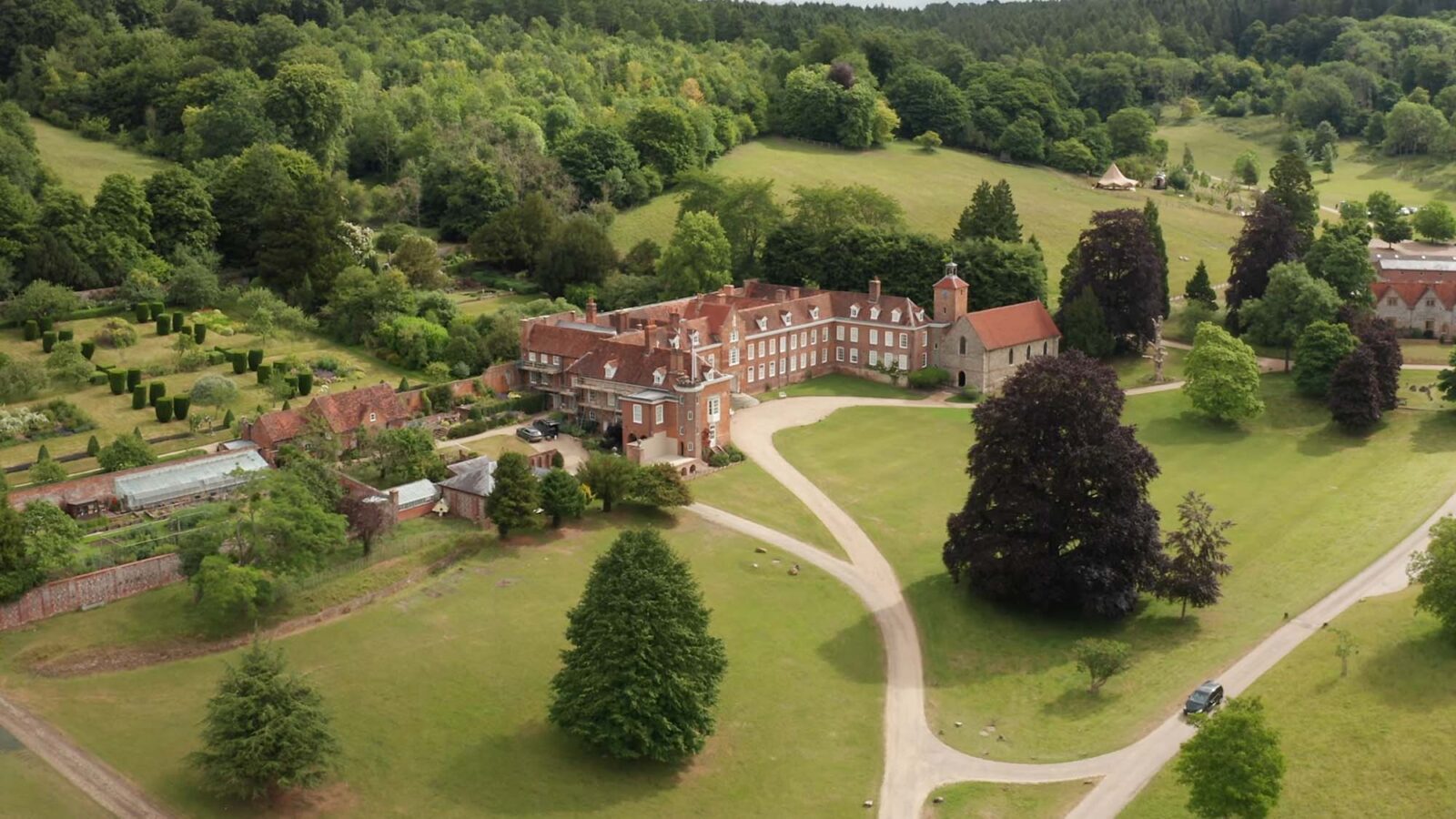
Stonor Park
Stonor Park is a historic country house and estate located in the Chiltern Hills near Henley-on-Thames in Oxfordshire, England. The estate has…
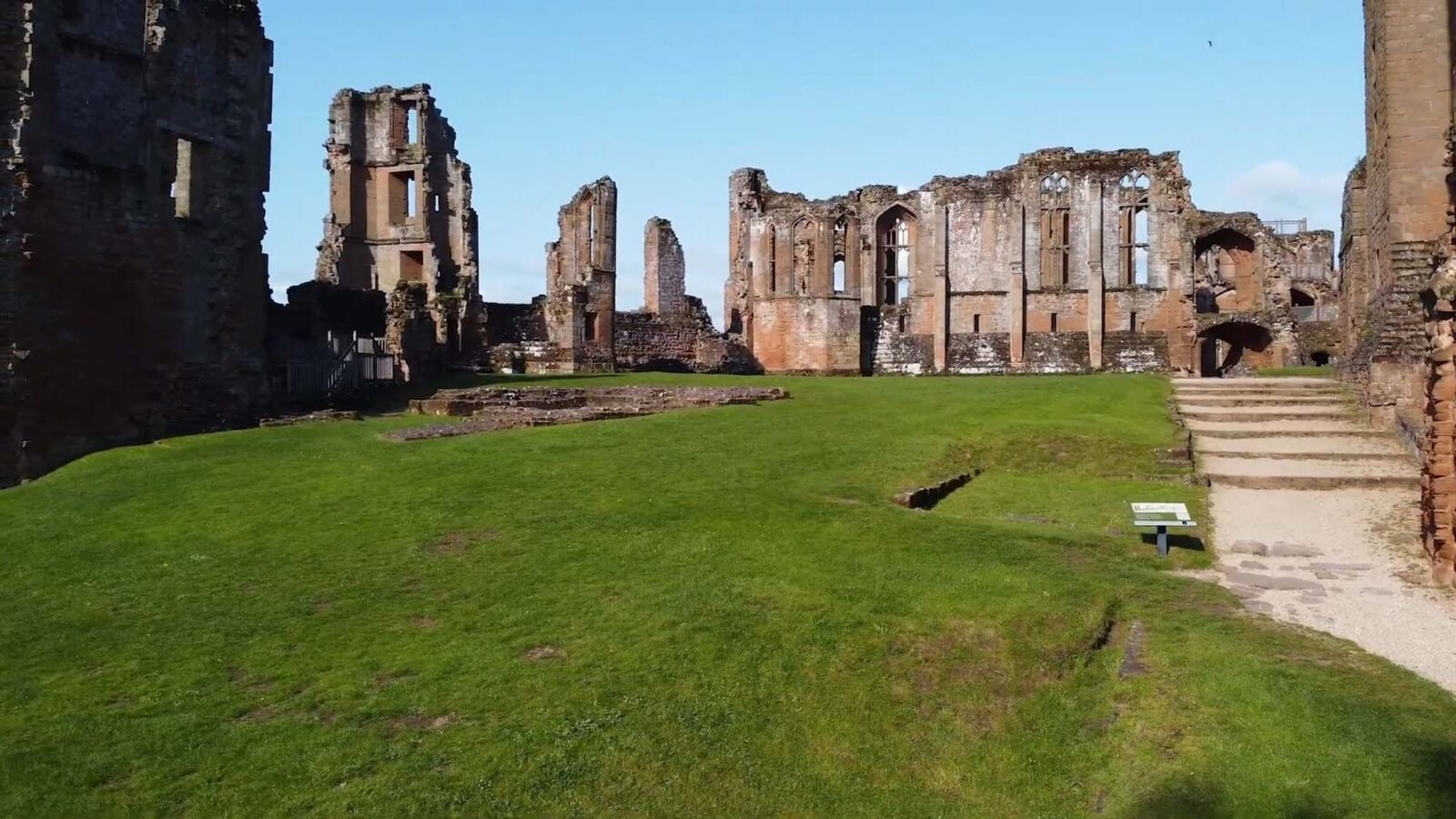
Kenilworth Castle
Kenilworth Castle, in Warwickshire, England, has appeared in When Knights Were Bold (1916), Kenilworth Castle and Amy Robsart (1926) and Father Brown (2013–).

Gloucester Cathedral
Gloucester Cathedral is in El libro de buen amor II, The Whistle Blower, The Choir, Shadow Run, Harry Potter and the Sorcerer’s Stone, and many more.
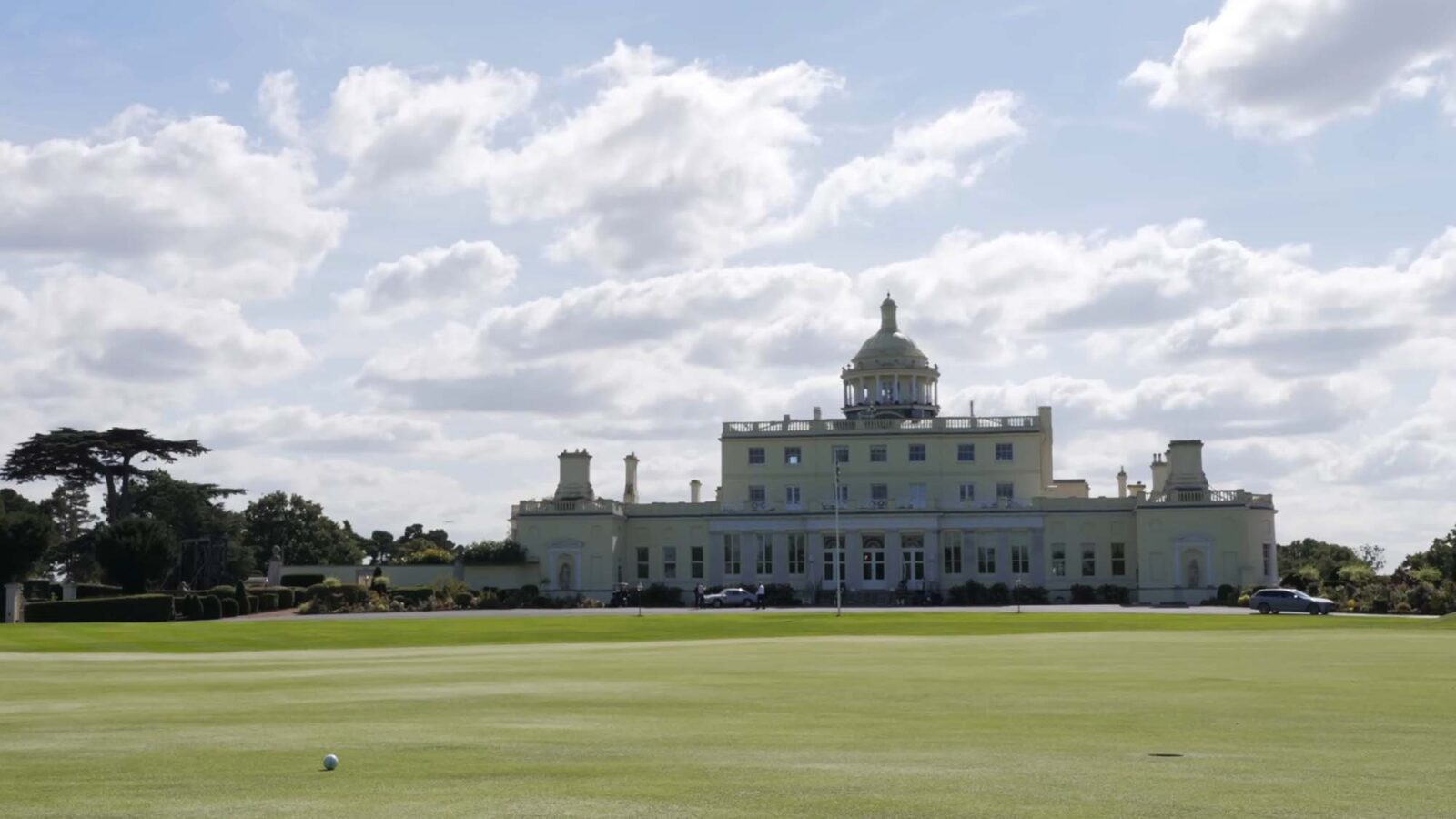
Stoke Park Golf Club
Stoke Park Golf Club is in Dead of Night, Goldfinger, The Professionals, Tomorrow Never Dies, Midsomer Murders, Bridget Jones's Diary, Wimbledon and many more.
Theatre Royal Windsor
Theatre Royal Windsor has appeared in The Critic (2024), Hamlet (2024) and Ludwig (2024–).
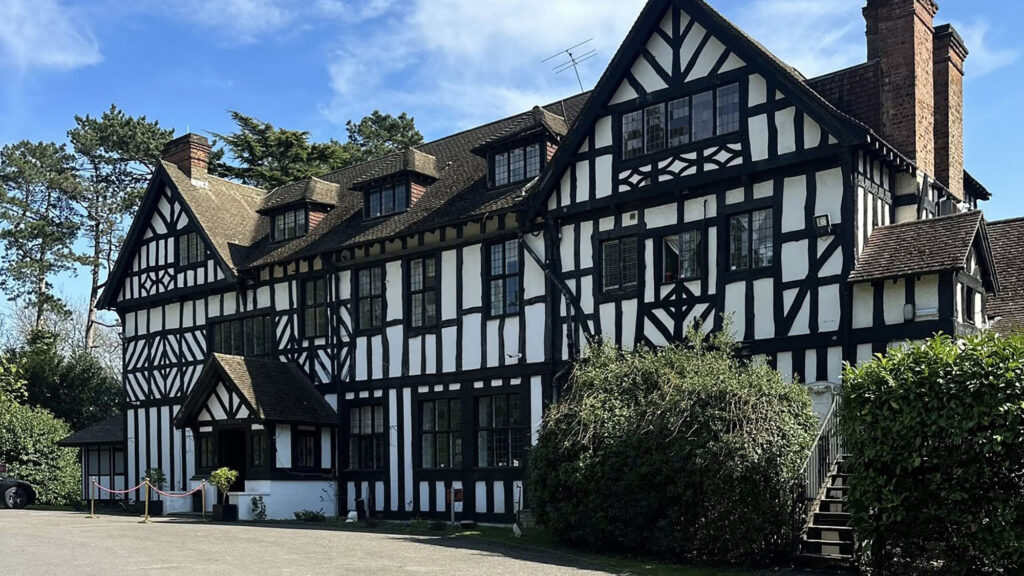
The Manor Elstree
The Manor Elstree has appeared in productions including School for Scoundrels, The Devil Rides Out, A Clockwork Orange, Stardust, Hot Fuzz, and many more.
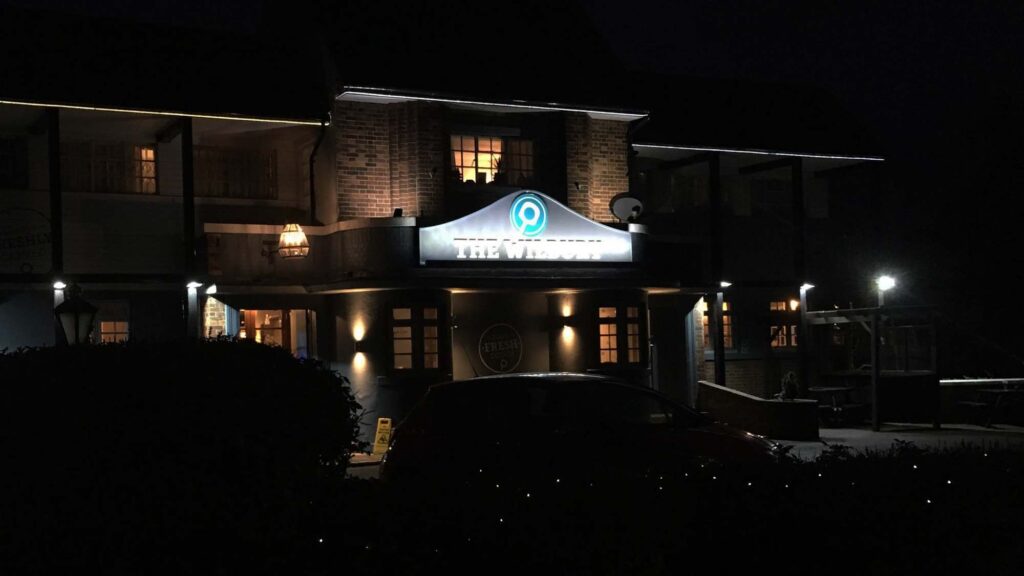
The Wilbury
The Wilbury has appeared in The World’s End (2013), where it was used as the fictional pub that gives the film its title and serves as the final destination.