
Marshall Point Lighthouse is an active lighthouse at the entrance to Port Clyde Harbor near the village of Port Clyde in St. George, Maine, United States. The light station was established in 1832 after Samuel Marshall sold four acres of land to the United States government for $120. Its original twenty-foot rubblestone tower used seven lard-oil lamps with reflectors to guide vessels into the harbour. The present cylindrical tower was constructed in 1858 at the water’s edge, with a lower section of granite blocks and an upper section of brick, and was fitted with a fifth-order Fresnel lens. A raised wooden walkway connects the tower across the rocky shoreline to the mainland. The original keeper’s house was destroyed by lightning in 1895 and replaced later that year by the surviving Colonial Revival building, which now contains the Marshall Point Lighthouse Museum. A 1,018-pound fog bell was installed in 1898 and replaced by a fog horn in 1969. The station was automated during the early 1970s, and an LED replaced the Fresnel light in 2018. Marshall Point Light Station was added to the National Register of Historic Places in 1988, and ownership of the station was transferred to the Town of St. George in 1998, while the United States Coast Guard continues to operate the navigational light.
Marshall Point Lighthouse has appeared in Forrest Gump (1994) and Thinner (1996). Its distinctive wooden walkway, lighthouse tower and surrounding grounds have represented the Atlantic endpoint of one of Forrest Gump’s cross-country runs and the isolated meeting place where Billy Halleck confronts the man responsible for the supernatural curse that is killing him.
In Forrest Gump (1994), Marshall Point Lighthouse appears during the period when Forrest begins running without any particular destination and eventually crosses the United States several times. After first reaching the Pacific Ocean at Santa Monica Pier in California, Forrest turns around and continues east. He eventually reaches the opposite coast at Marshall Point, running along the raised wooden walkway towards the lighthouse at the edge of the Atlantic. On reaching the end, he turns around and runs back along the same walkway, explaining in narration that after reaching another ocean he decided to turn around and keep going. The brief sequence was filmed at Marshall Point in 1993 and is edited together with locations across the United States to create Forrest’s multi-year journey. His run does not actually end at the lighthouse: he continues across the country again and eventually stops running on U.S. Route 163 near Monument Valley in Utah. The real tower, walkway and rocky shoreline remain readily recognisable from the film.
In Thinner (1996), Marshall Point Lighthouse is the setting for the crucial meeting between Billy Halleck and Tadzu Lempke near the end of the film. Billy has been cursed by Lempke after accidentally killing his daughter and escaping punishment, causing him to lose weight uncontrollably regardless of how much he eats. After Billy’s gangster associate Richie Ginelli violently pressures Lempke’s family, Richie orders them to have the old man meet Billy at a lighthouse. Richie drops the increasingly emaciated Billy at Marshall Point, where he sits on a bench overlooking the water and eventually falls asleep while waiting. Lempke arrives and agrees to help in order to protect his family, but explains that the curse cannot simply be removed. Instead, he cuts Billy’s already injured hand and mixes his blood into a strawberry pie, transferring the curse into it. Whoever eats the pie will die rapidly and horribly, while Billy will begin gaining weight again. Lempke urges Billy to eat the pie himself and “die clean”, but Billy refuses and takes it home with the intention of giving it to his wife, whom he suspects of having an affair. The grounds beside the lighthouse, the bench and Marshall Point’s distinctive white tower and wooden walkway are clearly visible throughout the sequence.
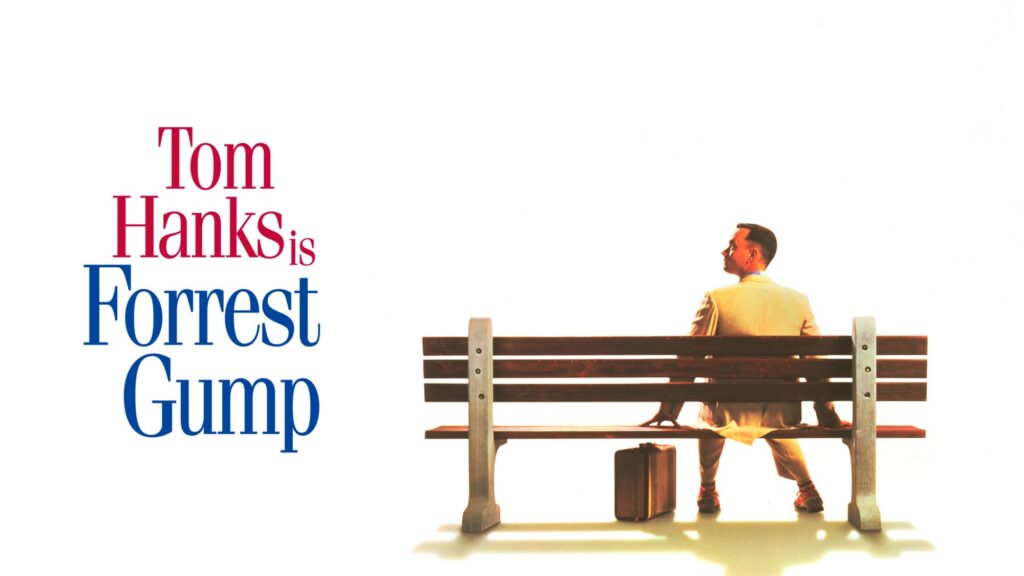
Forrest Gump
Forrest Gump was shot across several parts of the United States, but its strongest geographical identity comes from Georgia and South Carolina.
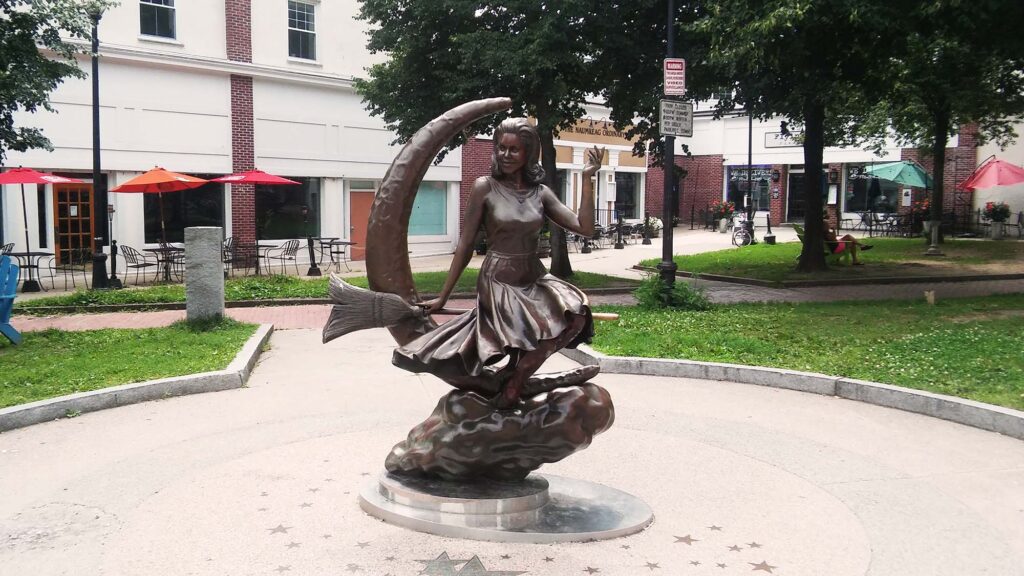
Bewitched Statue
The Bewitched Statue has appeared in the Rob Zombie movie The Lords of Salem (2012). The film uses it as part of its darker portrayal of modern Salem.
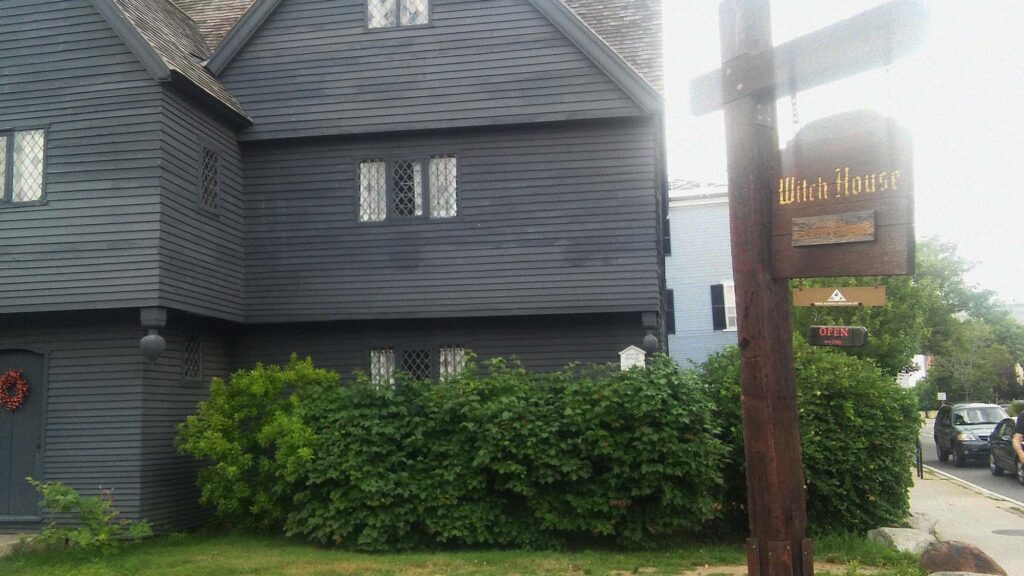
The Witch House at Salem
The Witch House has appeared in Bewitched (1964–1972), during the seventh-season episode “The Salem Saga” (1970). The house is one of several Salem landmarks.
Massachusetts General Hospital
Massachusetts General Hospital in Boston has appeared in The Carey Treatment (1972), Coma (1978) and Ted (2024–).
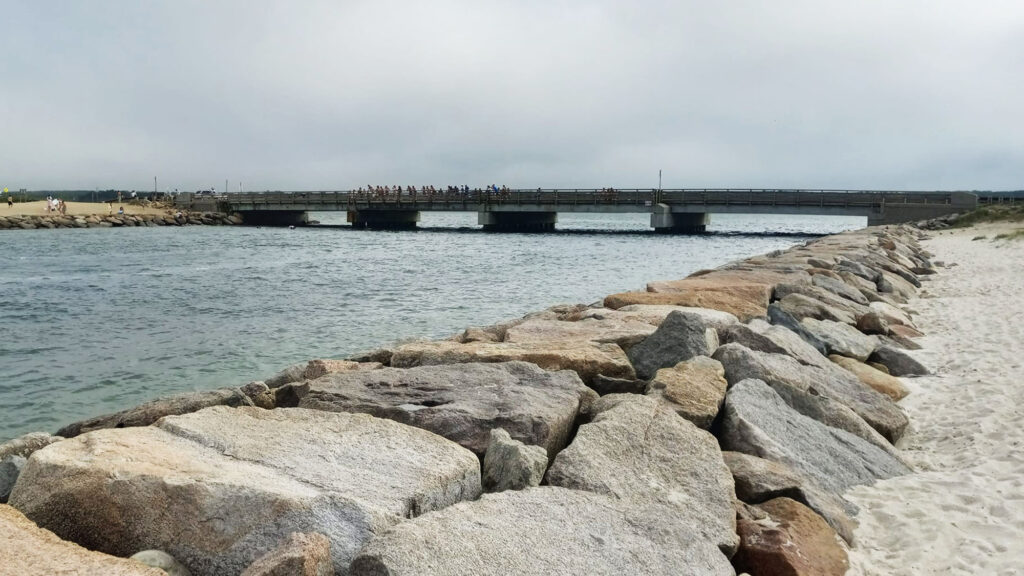
Jaws Bridge
Jaws Bridge appears in Jaws (1975), and is closely associated with the bridge, to the point that it is now better known by Jaws Bridge than by its formal one.
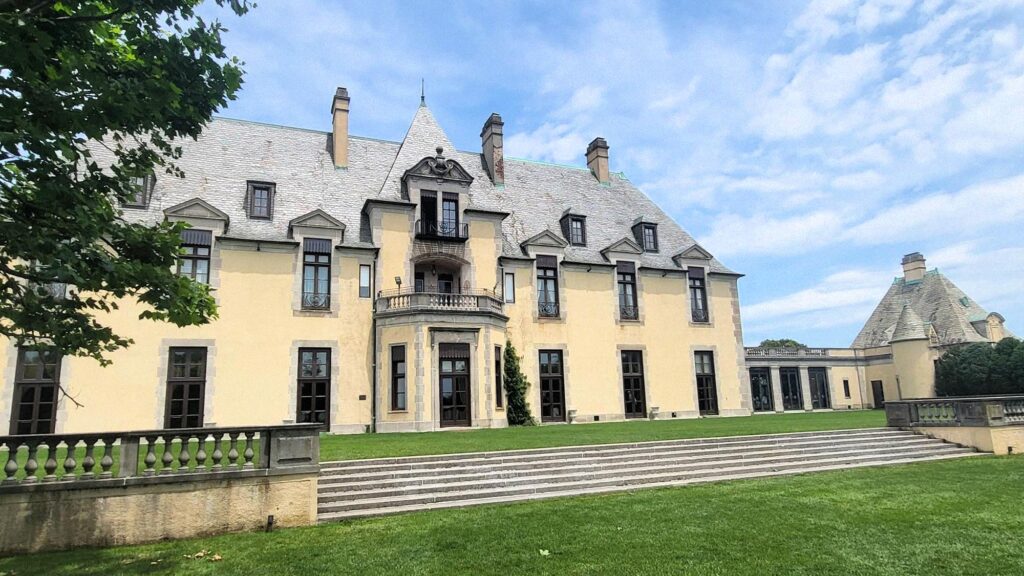
Oheka Castle
Oheka Castle has appeared in Citizen Kane, The Emperor’s Club, What Happens in Vegas, Gossip Girl, Royal Pains, Louie, The Americans, Madam Secretary and more.
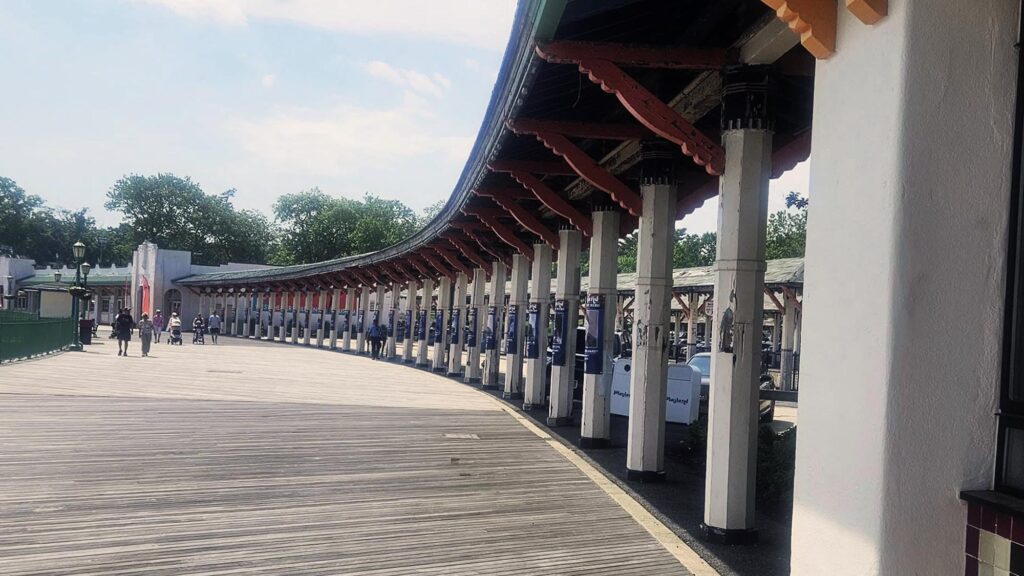
Playland Amusement Park
Playland Amusement Park has appeared in several films, including The Muppets Take Manhattan, Big, Fatal Attraction and Sweet and Lowdown.
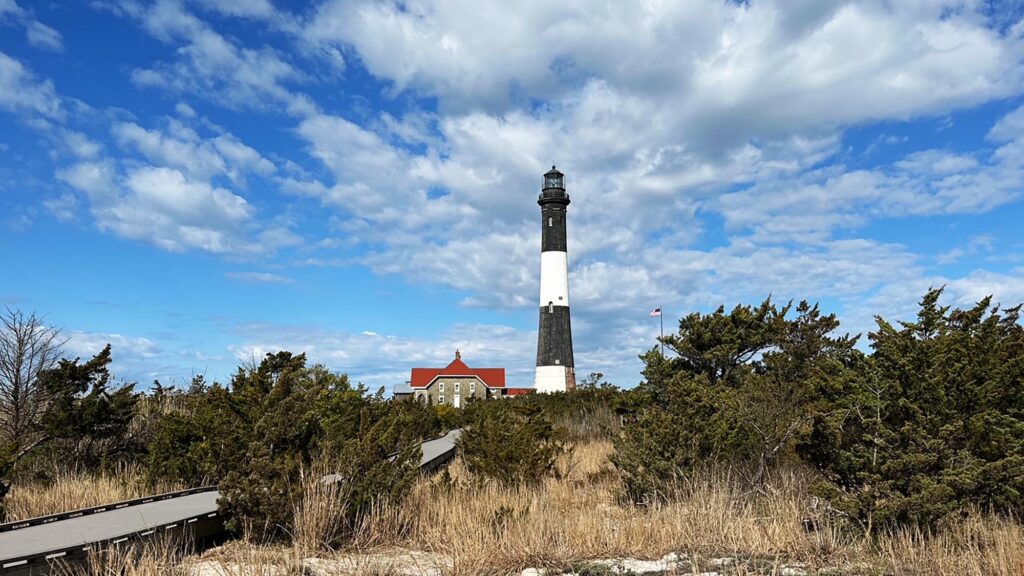
Fire Island Lighthouse
Fire Island Lighthouse has appeared in several productions, including "Men in Black II" (2002) and "What Happens in Vegas" (2008).
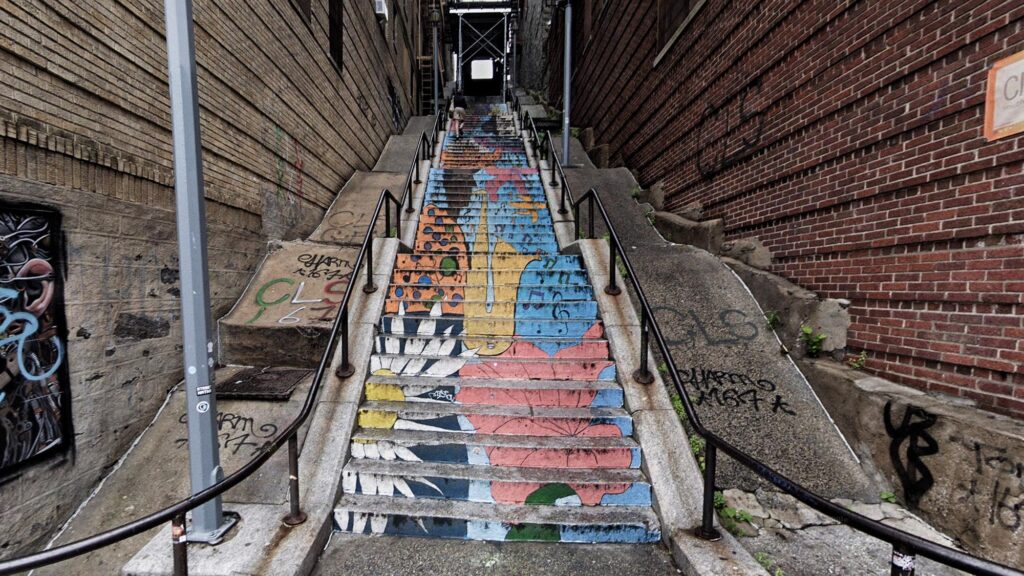
Joker Stairs
Joker Stairs appears in Joker (2019). The staircase is one of the film’s defining locations and associated with Arthur Fleck’s transformation into the Joker.
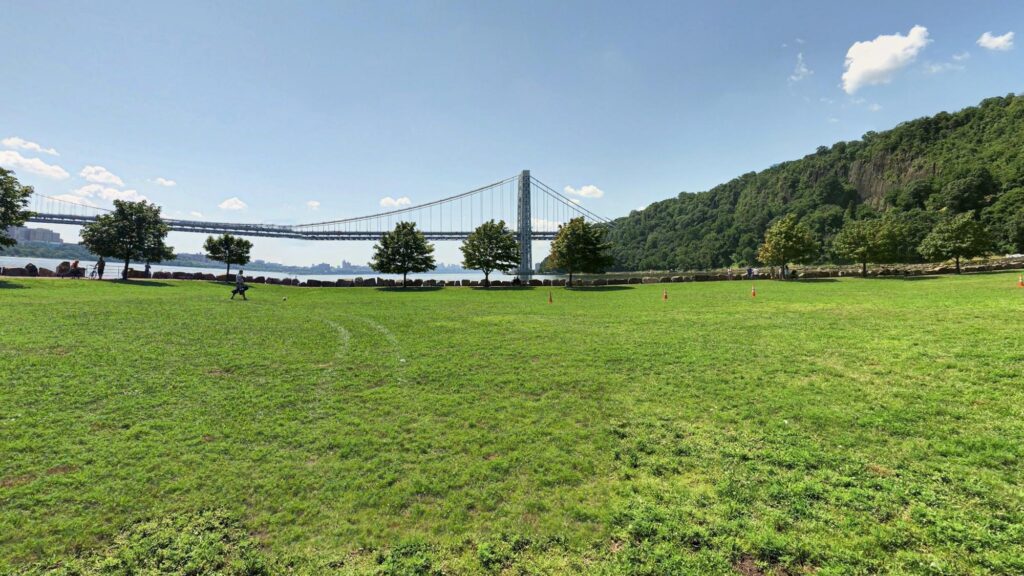
Ross Dock Picnic Area
Ross Dock Picnic Area is best known from "Big" (1988). The location also appears in "The Juror" (1996) and "World Trade Center" (2006).