
1847 Brenneriet is a nightclub, restaurant and event venue in central Lillehammer, Norway. It is located at Elvegata 19, in the same building complex as Bryggerikjelleren Restaurant, close to the centre of town. The venue is part of Lillehammer’s old brewery and nightlife environment, with several bars, a stage, restaurant spaces and event rooms. Its exterior and entrance area became one of the most recognisable modern Lillehammer locations on screen through its use in Lilyhammer.
1847 Brenneriet appears in Lilyhammer (2012–2014). In the series, the location is used for The Flamingo, the nightclub opened by Frank Tagliano after he enters witness protection and moves from New York to Lillehammer. The exterior of Brenneriet is used as the entrance to the fictional club, while the surrounding streets and neighbouring Bryggerikjelleren area place the bar within the real centre of Lillehammer.
In Lilyhammer (2012–2014), 1847 Brenneriet appears as The Flamingo, Frank Tagliano’s nightclub in Lillehammer. Frank, living under the name Giovanni “Johnny” Henriksen, starts the club after settling in Norway and gradually turns it into one of his main local bases. The bar becomes a meeting place for Frank, Torgeir, Roar and several other characters, and it is frequently connected to Frank’s attempts to mix old New York mafia habits with Norwegian small-town life. The real Brenneriet entrance gives the fictional Flamingo a central Lillehammer location, making the club feel like part of the town rather than a separate studio-built setting.
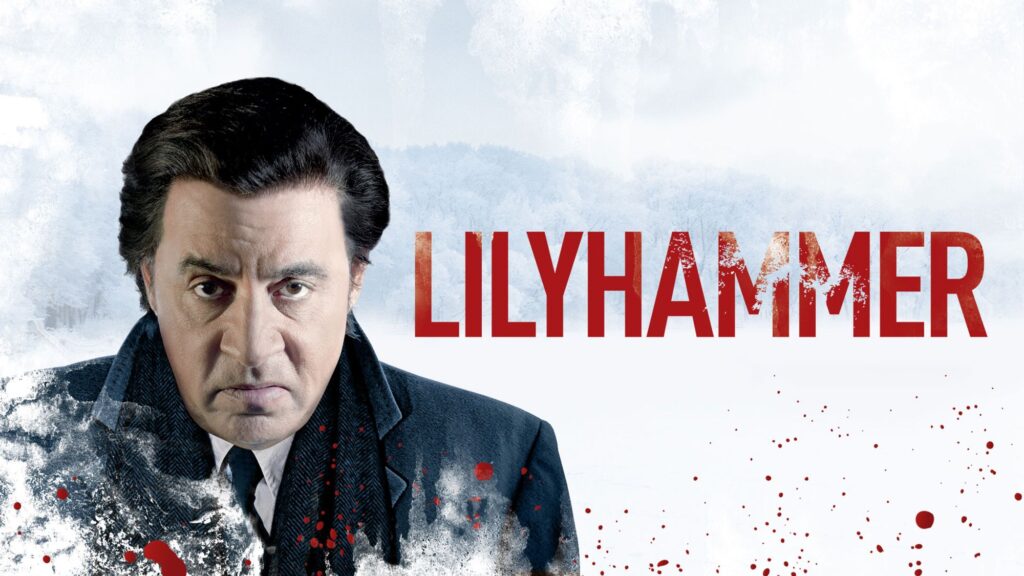
Lilyhammer
Lilyhammer was filmed mainly in Lillehammer, and the real town is central to the identity of the series. The production uses the city as a recognisable setting.
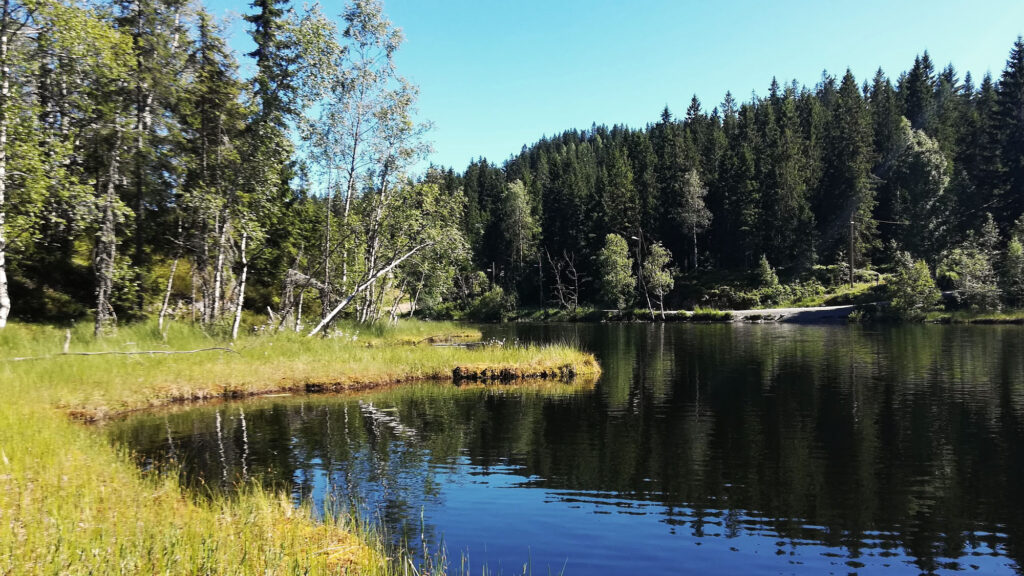
Skomakertjern
Skomakertjern appears in De dødes tjern (1958). The original film used three different lakes to represent the cursed lake from André Bjerke’s story.
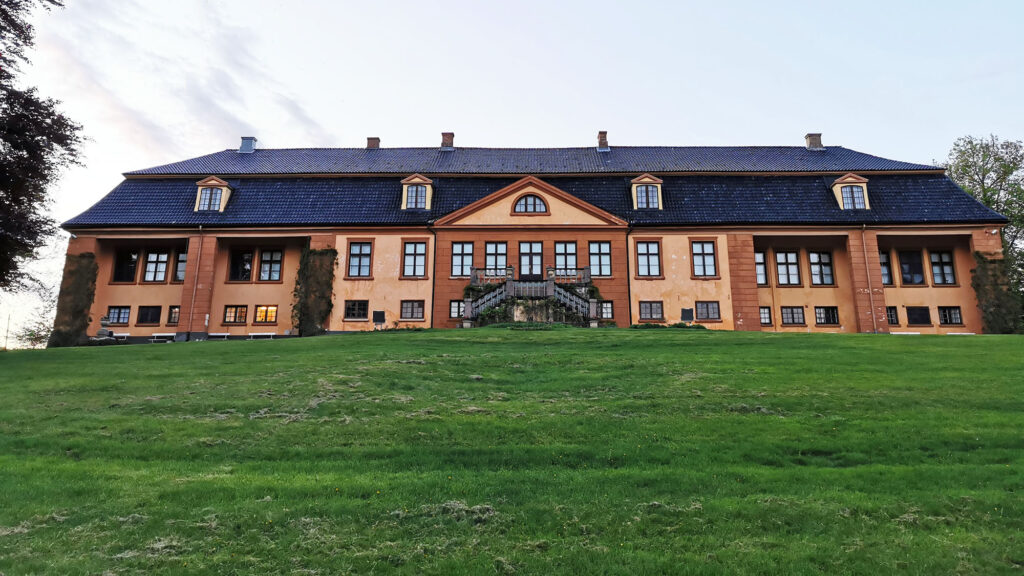
Bogstad Manor
In Jo Nesbø’s Detective Hole (2026), Bogstad Manor is used for the large garden party where many people from the police are gathered.
Exit Villa
Exit Villa is in Olsenbanden Junior, Taxi, Hjelp, vi er i filmbransjen, Tina & Bettina: The Movie, Mammon, Doctor Proctor’s Fart Powder, Hvite gutter and Exit.
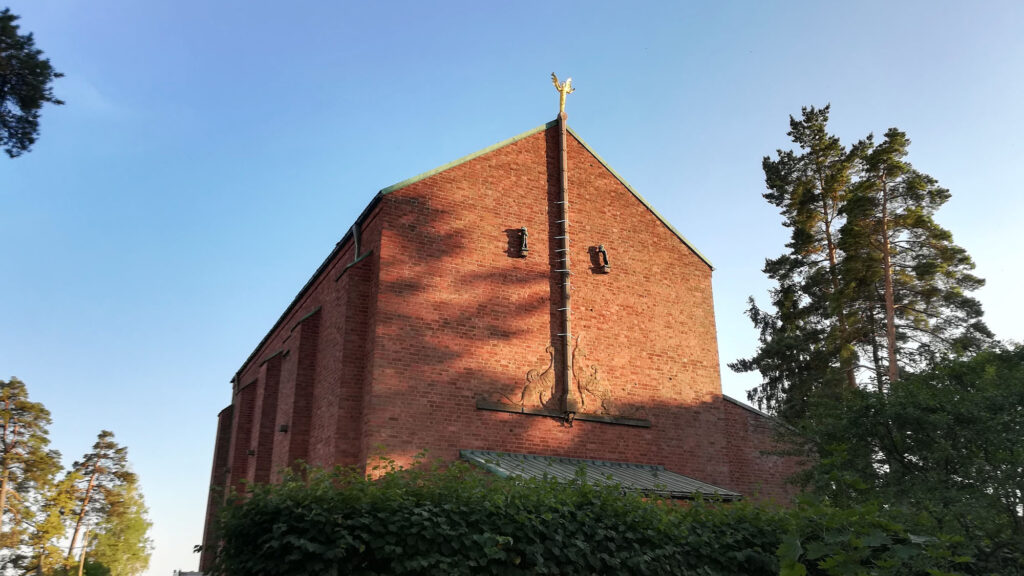
Emanuel Vigeland Museum
In Jo Nesbø’s Detective Hole (2026), Emanuel Vigeland Museum is used as a meeting place for powerful figures, including police, wearing cloaks and masks.

Hjemmets Kolonihager
Hjemmets Kolonihager is an allotment garden on Bjølsen in the Sagene borough of Oslo, Norway, situated between Bjølsenparken, Stavangergata, Kongsvingergata and Sarpsborggata.…
Havens Kolonial
In Max Manus, Havens Kolonial is used for the Plasskafeen. Gregers Gram and Edvard Tallaksen are seen coming from Hertzbergs gate before entering the café.
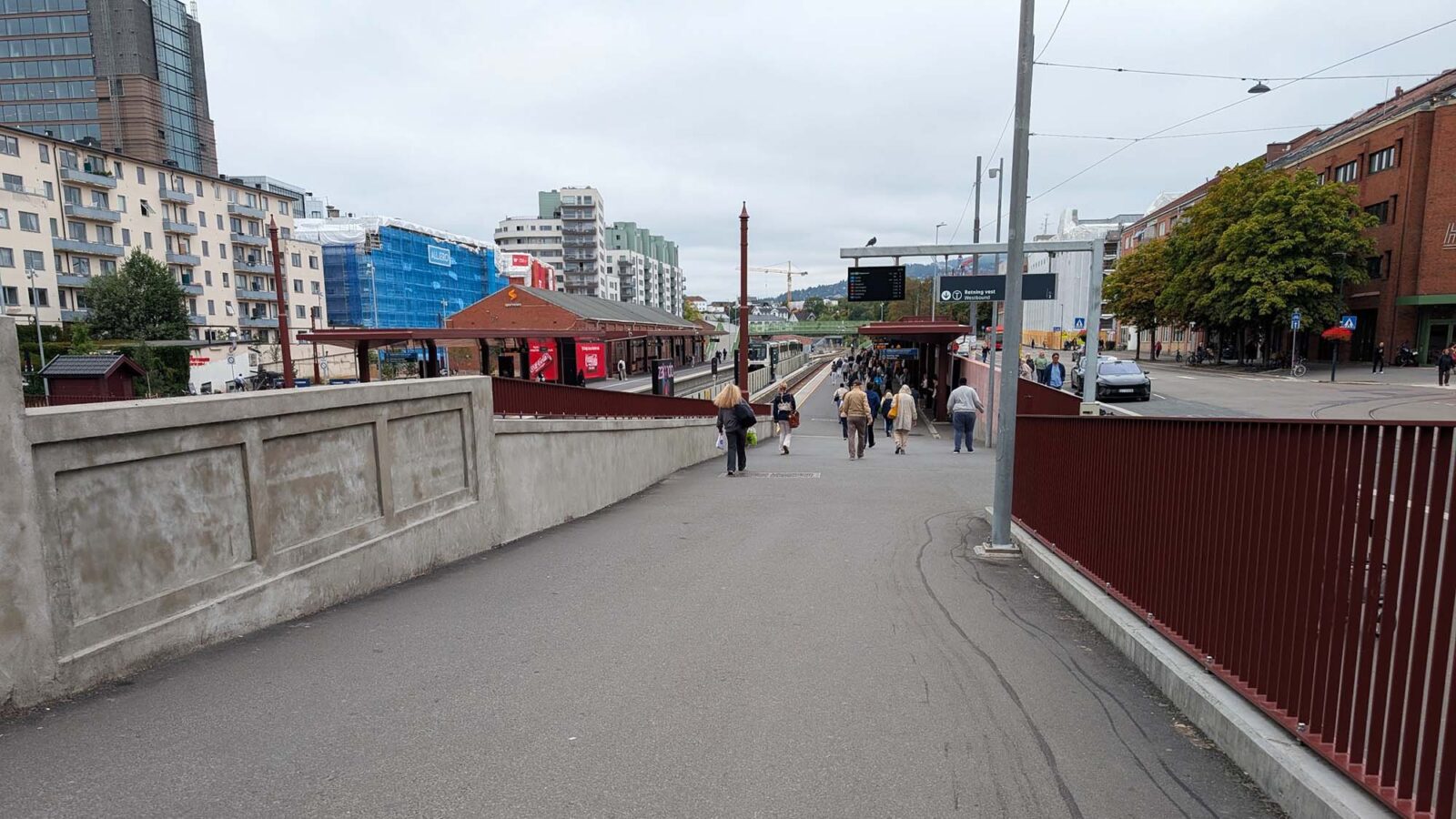
Majorstuen Station
Majorstuen Station appears in Jo Nesbø’s Detective Hole (2026), the Netflix adaptation of Nesbø’s Harry Hole universe, which was filmed extensively in Oslo.
Idioten
Idioten appears in Oslo, August 31st (2011). The park is used for one of the film’s most important conversations, in which Anders meets his old friend Thomas.
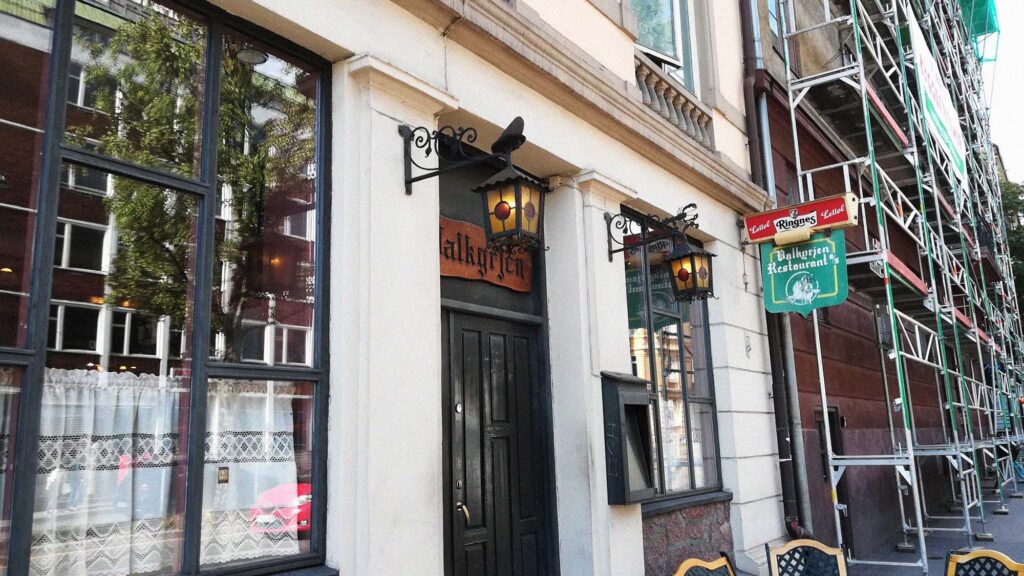
Valkyrien Restaurant
Valkyrien Restaurant has appeared in Elling (2001) and O’ Horten (2007). In both films, its old-fashioned interior is used as a familiar Oslo restaurant.