
Emanuel Vigeland Museum is an art museum and mausoleum at Grimelundsveien 8 in the Slemdal neighbourhood of Oslo, Norway. The building was constructed in 1926 by Norwegian artist Emanuel Vigeland (1875–1948), the younger brother of sculptor Gustav Vigeland, as a future exhibition space for his paintings and sculptures. During the 1940s, he transformed it into his own mausoleum, sealing the windows and covering the walls and barrel-vaulted ceiling with the monumental fresco cycle Vita (Life). Extending across approximately 800 square metres, the paintings depict human life from conception to death through hundreds of intertwined figures, with themes of sexuality, birth, religion and mortality. Vigeland named the building Tomba Emmanuelle, inspired by Italian Renaissance art and ancient burial chambers. Following his death in 1948, his ashes were placed in an urn above the unusually low entrance doorway. The museum opened to the public on 8 December 1959 and is also known for its unusual acoustics, with sounds reverberating for up to 20 seconds inside the enclosed chamber.
Emanuel Vigeland Museum has appeared in Høst (2015) and Jo Nesbø’s Detective Hole (2026). In Høst, two former theatre colleagues enter the mausoleum at night and explore its fresco-covered interior with flashlights. The museum has a more sinister role in Jo Nesbø’s Detective Hole, where the vaulted chamber serves as a secret meeting place for a masked organisation connected to corruption within the Oslo police.
In Høst (2015), also known as Autumn, directed by Jan Vardøen, Emanuel Vigeland Museum appears during a nighttime excursion involving ageing actor Jeppe Friele (Helge Jordal) and his old friend Jørn (Bjørn Sundquist). The two men break into the mausoleum and explore its dark interior, using flashlights to examine Vigeland’s paintings. As they move around the chamber, their beams of light reveal sections of Vita, including the intertwined human figures covering the walls and the enormous vaulted ceiling. The scene was filmed inside the actual mausoleum, with its original frescoes and enclosed architecture clearly visible. The two characters spend time studying the artwork and discussing what they see, with the visit forming one of several encounters with Oslo’s cultural landmarks throughout the film.
In Jo Nesbø’s Detective Hole (2026), Emanuel Vigeland Museum is used as the secret meeting place of a corrupt organisation whose members include senior figures within the police. The gatherings take place inside the actual mausoleum, where participants wearing dark masks and formal clothing assemble beneath the enormous barrel-vaulted ceiling. Vigeland’s original frescoes remain visible on the surrounding walls, with their depictions of naked human bodies providing the setting for the clandestine meetings. In the fourth episode, After They Are Dead, Before They Are Cold, Tom Waaler (Joel Kinnaman) is revealed to be connected to the masked organisation, which operates outside the law while maintaining influence within the police.
The mausoleum returns in the ninth and final episode, Duke Ellington’s Piano, during a brief scene following Waaler’s death. Two masked members of the organisation meet in the dark chamber to discuss what should happen now that their activities have been threatened. One asks how they should proceed, and the other responds that they must temporarily withdraw before returning with renewed strength. The leader then removes her mask, revealing herself to be Chief Superintendent Agnes Sjølid (Agnes Kittelsen), one of Harry Hole’s superiors in the Oslo police. The revelation establishes that the organisation extends beyond Waaler and that senior police officers remain involved. The scene was filmed within the mausoleum’s original vaulted hall, using its monumental frescoes as the setting for the final revelation about the corrupt network.
Jo Nesbø’s Detective Hole (2026)


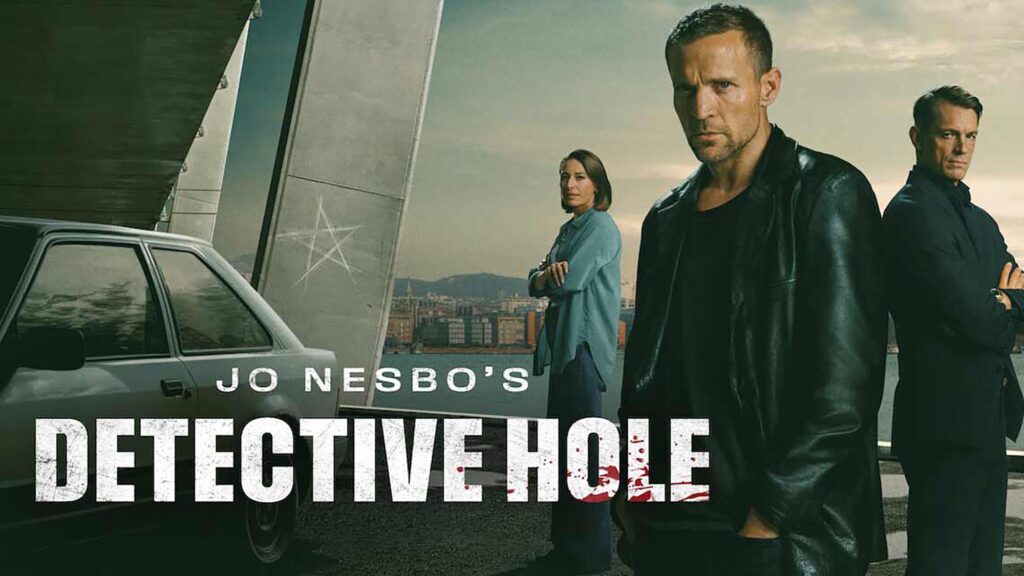
Jo Nesbo’s Detective Hole
Jo Nesbø’s Detective Hole is very closely tied to Oslo, and the city appears to have been used as a real dramatic environment rather than just a generic Scandinavian backdrop.
Exit Villa
Exit Villa is in Olsenbanden Junior, Taxi, Hjelp, vi er i filmbransjen, Tina & Bettina: The Movie, Mammon, Doctor Proctor’s Fart Powder, Hvite gutter and Exit.
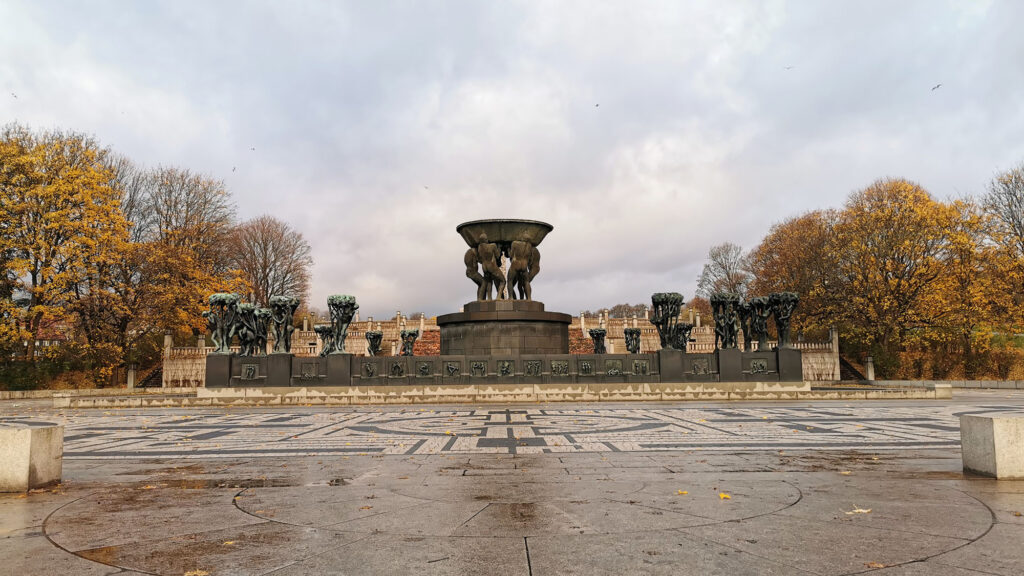
Vigeland Sculpture Park
Vigeland Sculpture Park appears in Jo Nesbø’s Detective Hole, The Snowman, Himmel og helvete, Oslo, 31. august, Elling, and many more.
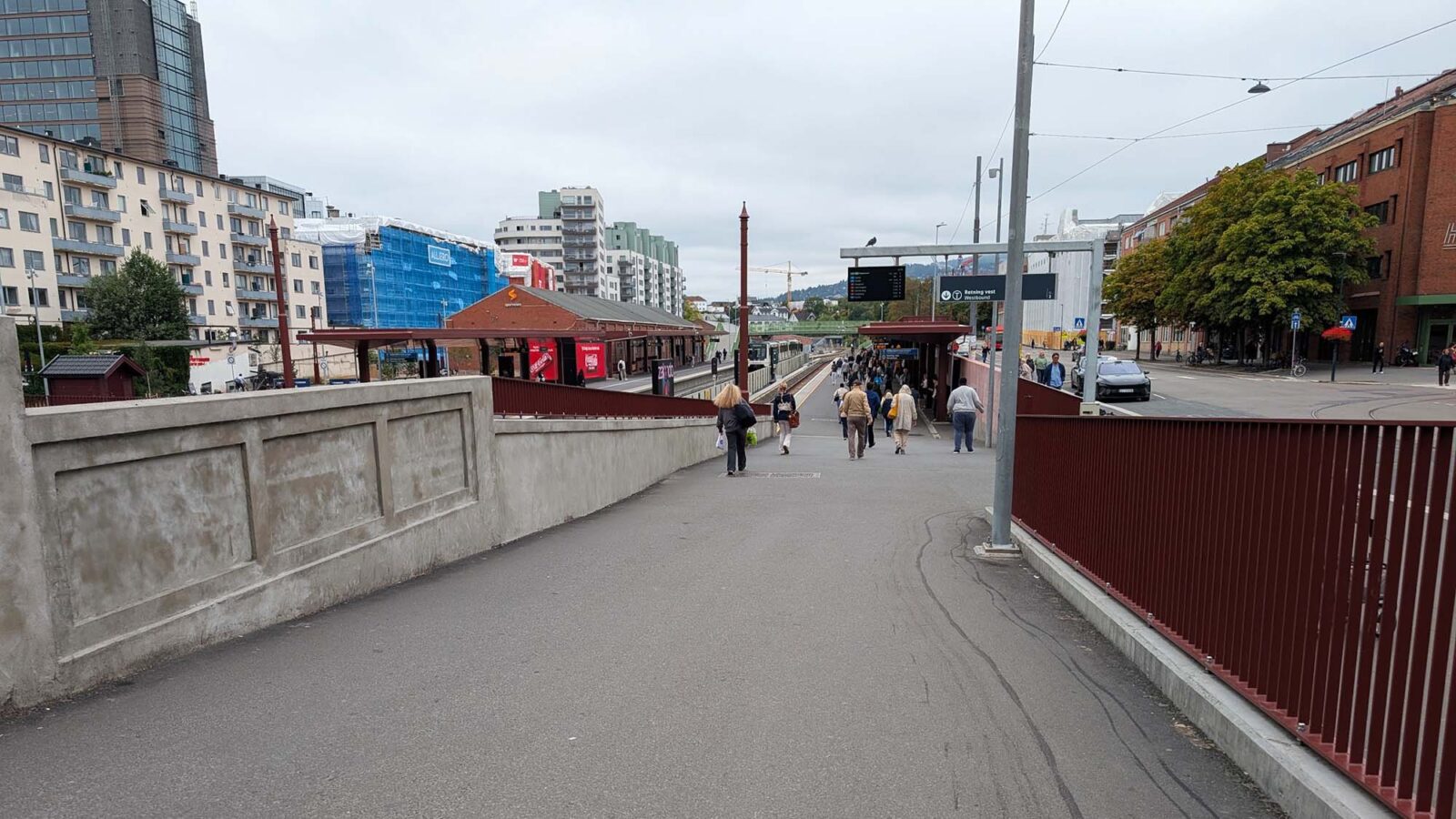
Majorstuen Station
Majorstuen Station appears in Jo Nesbø’s Detective Hole (2026), the Netflix adaptation of Nesbø’s Harry Hole universe, which was filmed extensively in Oslo.
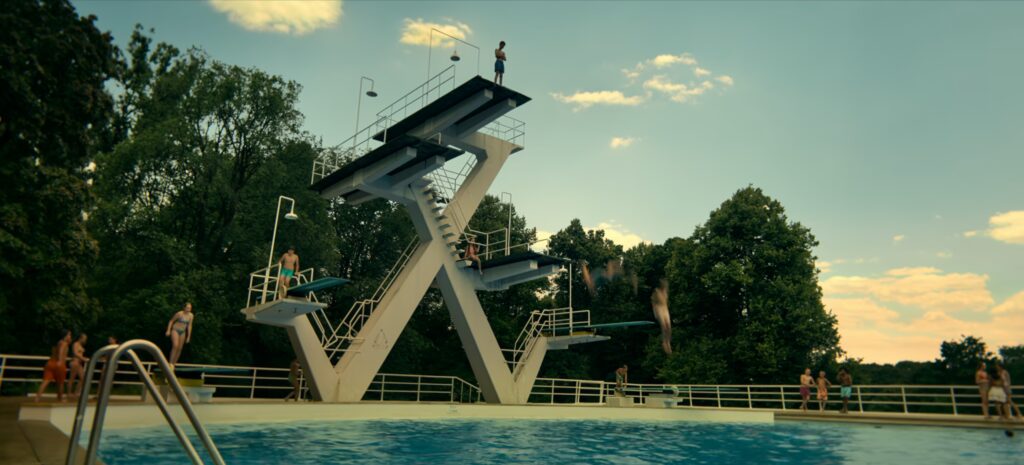
Frognerbadet
Frognerbadet is in Olsenbanden møter Kongen & Knekten, Frida: Straight from the Heart, Stuperen, Oslo, August 31st, Beatles, Hvite gutter and Detective Hole.

Holmenkollen Chapel
In Lords of Chaos (2018), Holmenkollen Chapel appears approximately one hour into the film, during the sequence depicting its destruction.
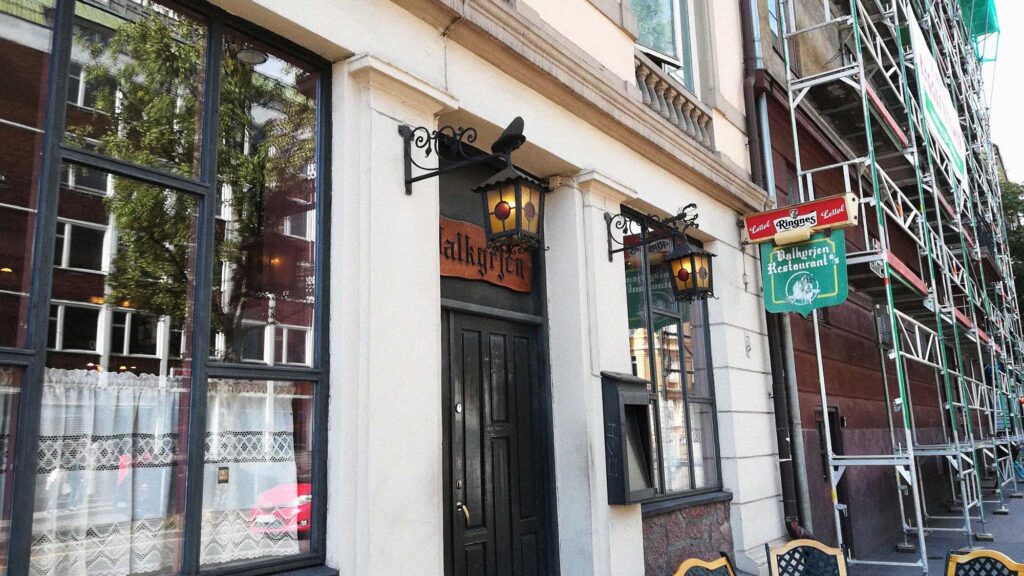
Valkyrien Restaurant
Valkyrien Restaurant has appeared in Elling (2001) and O’ Horten (2007). In both films, its old-fashioned interior is used as a familiar Oslo restaurant.
Havens Kolonial
In Max Manus, Havens Kolonial is used for the Plasskafeen. Gregers Gram and Edvard Tallaksen are seen coming from Hertzbergs gate before entering the café.
Ullevål Hospital
Ullevål Hospital has appeared in 22 July (2020) and The Worst Person in the World (2021), with both using the actual Oslo hospital for substantial sequences.
Idioten
Idioten appears in Oslo, August 31st (2011). The park is used for one of the film’s most important conversations, in which Anders meets his old friend Thomas.