
Checkpoint Charlie was the most famous border crossing between East and West Berlin during the Cold War, located at Friedrichstraße and Zimmerstraße. For decades it stood as one of the most visible symbols of a divided city, used by Allied personnel, diplomats, and foreign visitors moving between the American and Soviet sectors. Although the original checkpoint disappeared after German reunification, the site remains one of Berlin’s most recognisable historical landmarks, closely tied to the Berlin Wall, the 1961 tank standoff, and the wider tension between East and West.
As a film location, Checkpoint Charlie is especially associated with Cold War thrillers and spy films. Among the productions most closely linked to the real site are Funeral in Berlin (1966), Octopussy (1983) and A Dandy in Aspic. In each case, the location was used not simply as a Berlin backdrop, but as a place loaded with political danger, suspense, and the atmosphere of divided Europe.
In Funeral in Berlin, Checkpoint Charlie is used in one of the film’s most fitting locations, as Harry Palmer moves through a city shaped by espionage, surveillance, and uneasy borders. The checkpoint appears as part of Palmer’s movement between sectors, reinforcing the sense that Berlin itself is a maze of control, suspicion, and hidden agendas. It is exactly the kind of setting that suits the film’s colder, more cynical take on the spy genre.
In Octopussy (1983), Checkpoint Charlie appears when James Bond, posing as a businessman, crosses from West Berlin into the Eastern sector. The scene makes direct use of the checkpoint’s Cold War identity, turning a real border crossing into a classic Bond moment full of secrecy and quiet tension. Its presence helps ground the film in the political reality of divided Berlin, even within the series’ more glamorous and adventurous style.
In A Dandy in Aspic, Checkpoint Charlie appears in a driving scene in which the central character approaches the crossing in his red car, only to turn back. It is a brief but telling use of the location, capturing the psychological and political pressure that defined Berlin during the period. Rather than serving as a grand action setting, the checkpoint becomes a visual expression of division, hesitation, and entrapment.
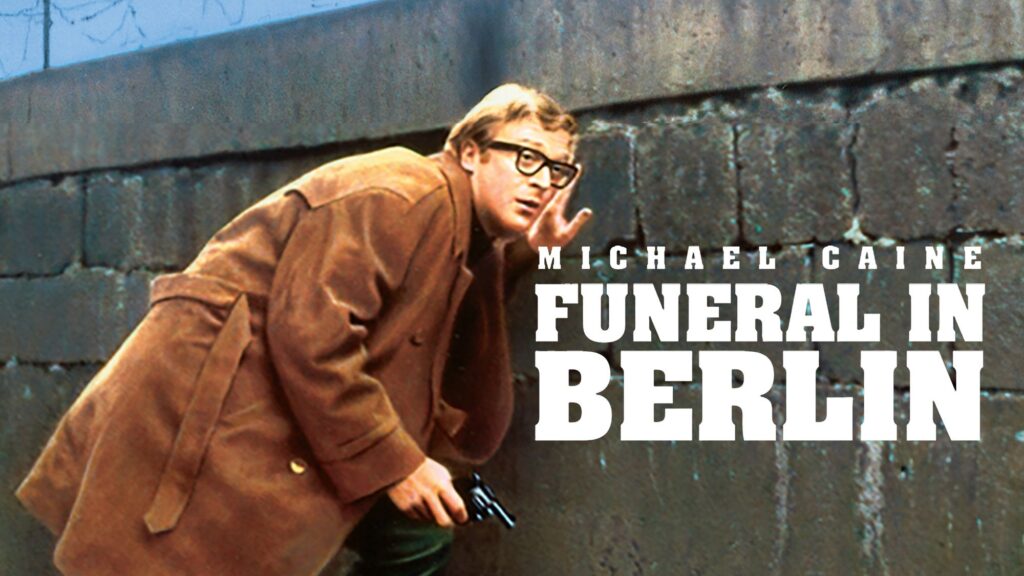
Funeral in Berlin
Funeral in Berlin was filmed partly on location in Berlin, giving the film a strong sense of real Cold War geography. Studio work was also used.
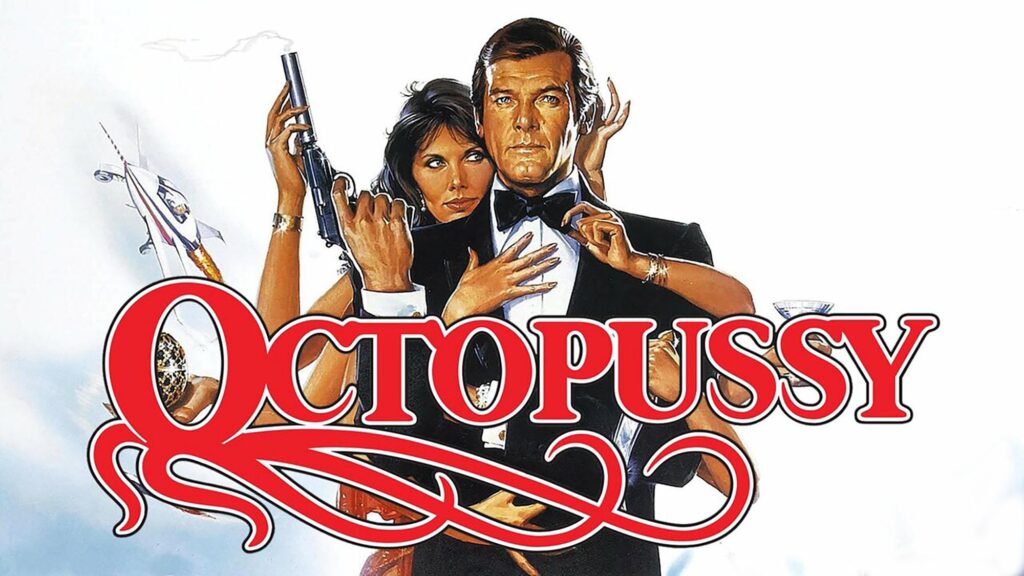
Octopussy
Octopussy (1983) was primarily filmed in Udaipur, India—featuring the Lake Palace Hotel, Monsoon Palace, and Jagdish Temple.
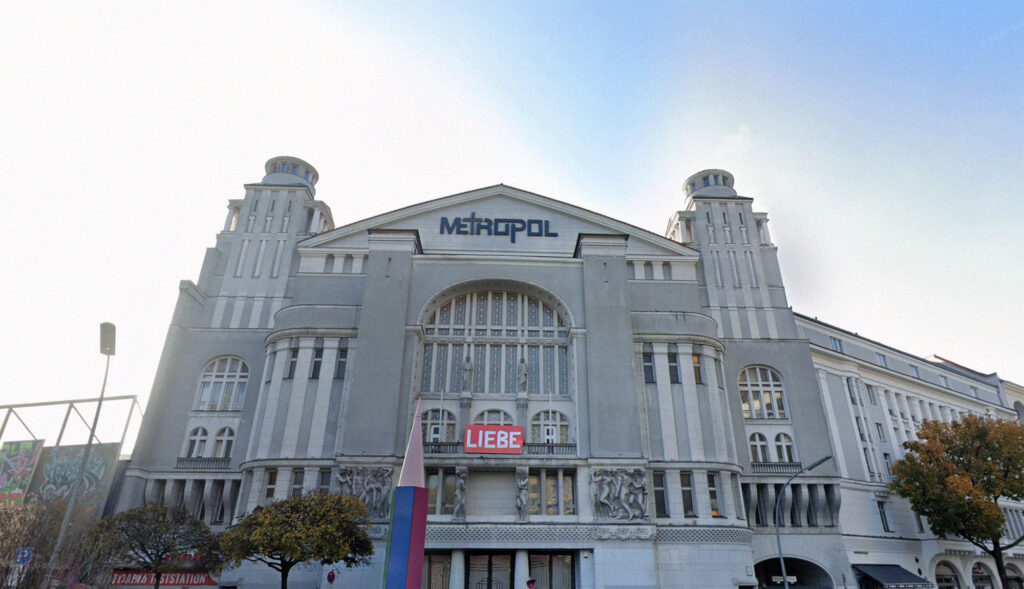
Metropol
Metropol has appeared in movies and series like The Invisible Dr. Mabuse (1962), Demons (1985), Deathline (1996) and Babylon Berlin (2017–).
Swinemünder Brücke
Swinemünder Bridge is in Funeral in Berlin, Target, Judgment in Berlin, Die Frau vom Checkpoint Charlie, Das Wunder von Berlin, Weissensee and many more.
Teufelsberg
Teufelsberg is in Aufwind (1979), The Gamblers, We Are the Night, Allein gegen die Zeit, Covert Affairs, Manifesto, Berlin Station, You Are Wanted and more.
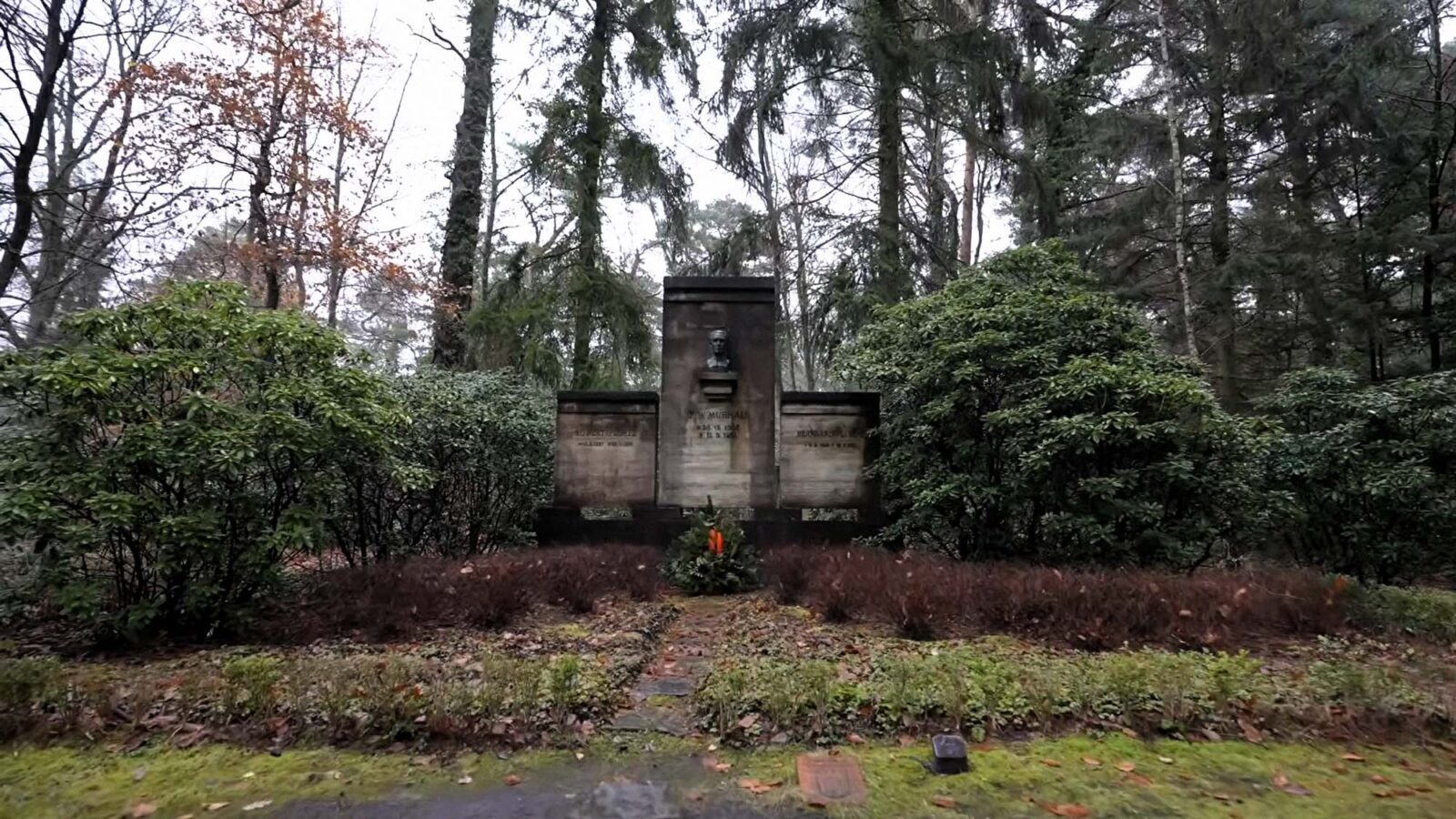
Südwestkirchhof Stahnsdorf
Südwestkirchhof Stahnsdorf is a large forest cemetery in Stahnsdorf, Brandenburg, immediately southwest of Berlin, Germany. The cemetery was created by the Protestant…
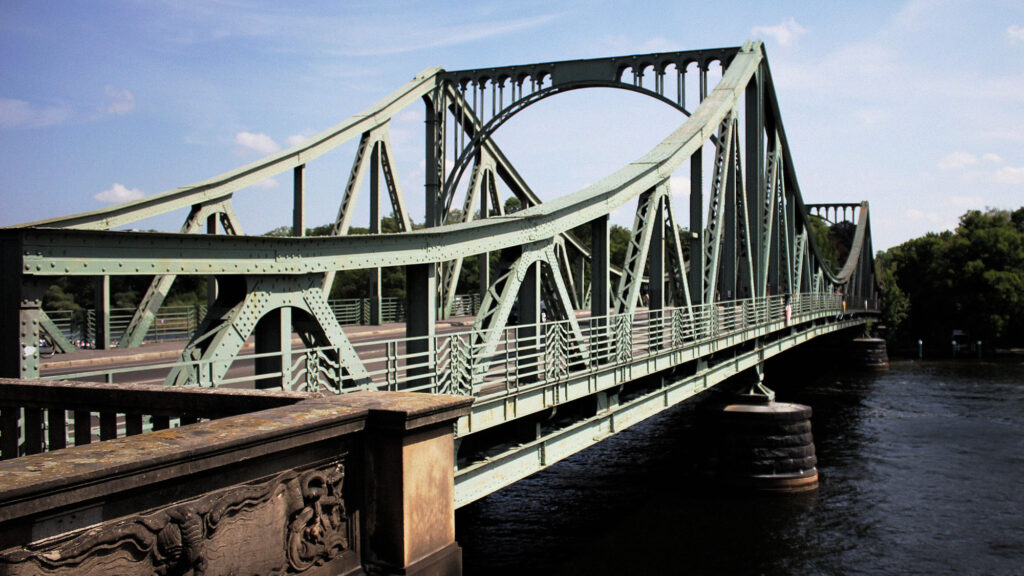
Glienicke Bridge
Glienicke Bridge has appeared in Under the Bridges, Hilde, Bridge of Spies, Kundschafter des Friedens and Havelland-Krimi: Hinter der Fassade.
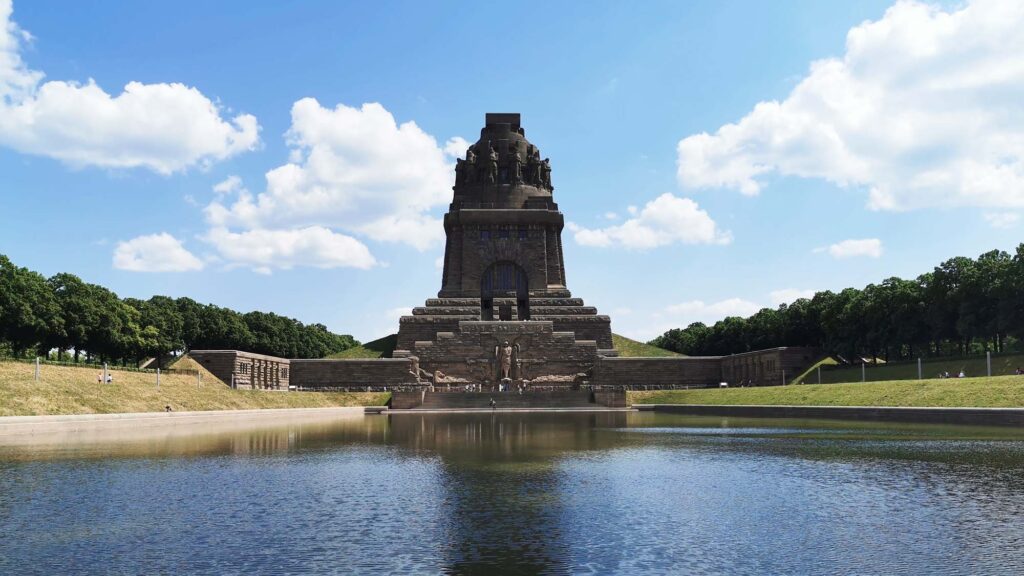
Monument to the Battle of the Nations
The Monument to the Battle of the Nations is in Schwarzer Samt, Das Monstrum, The Hunt for the Amber Room and The Hunger Games The Ballad of Songbirds & Snakes.
Phaeno Science Center
Phaeno Science Center has appeared in The International (2009), Helden – Wenn dein Land dich braucht (2013) and the television series Arcadia (2023).
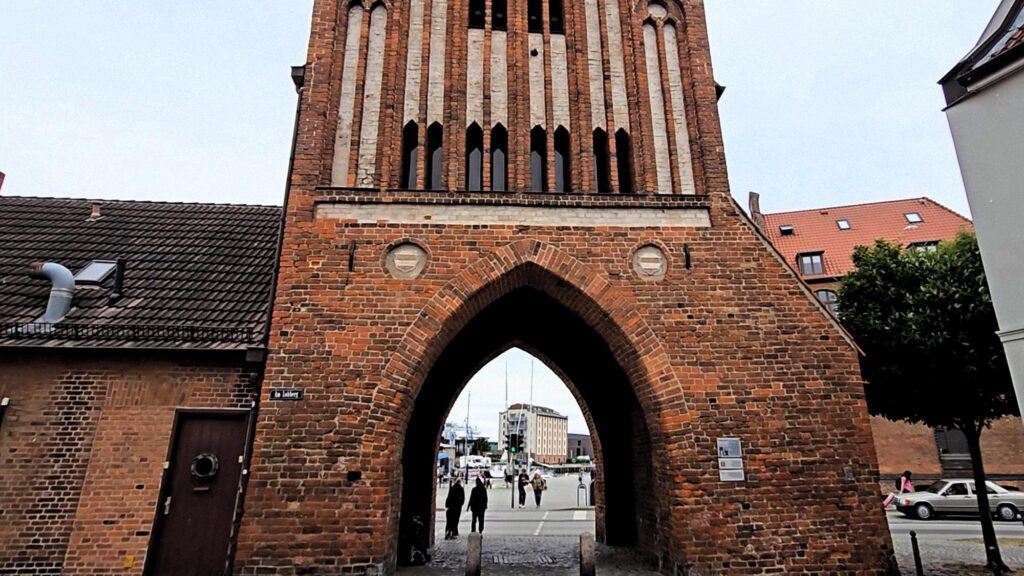
Wassertor
Wassertor appears in Nosferatu: A Symphony of Horror (1922). Wismar was used as the fictional town of Wisborg, and Wassertor is one of the real locations.
Grandhotel Pupp
Grandhotel Pupp has appeared in Waiter, Scarper!, The Death of the Beautiful Deer, Shanghai Knights, Last Holiday, Casino Royale, La Vie en Rose and Nobel.