
Game of Thrones (2011–2019) is an American-British fantasy television series created by David Benioff and D. B. Weiss for HBO, based on George R. R. Martin’s A Song of Ice and Fire novels. Set across the fictional continents of Westeros and Essos, the series follows rival noble families, political alliances and wars for control of the Iron Throne. Its large ensemble cast includes Sean Bean, Peter Dinklage, Lena Headey, Emilia Clarke, Kit Harington, Nikolaj Coster-Waldau, Maisie Williams and Sophie Turner. The series ran for eight seasons and became one of the most internationally successful television productions of its time.
Game of Thrones was filmed across Northern Ireland, Scotland, Malta, Croatia, Iceland, Morocco and Spain, with Northern Ireland serving as the principal production base throughout its eight seasons. The Paint Hall at Titanic Studios in Belfast housed major interior sets, including locations that could not be filmed inside historic buildings, while extensive outdoor filming took place across the Northern Irish countryside. Later seasons increasingly used locations in Spain, Croatia and Iceland, often combining genuine historic architecture and natural landscapes with digitally constructed castles, cities and fortifications.
One of the most important filming locations was Old Castle Ward, part of the Castle Ward estate near Strangford in County Down, Northern Ireland. Its historic farmyard was transformed into the courtyard of Winterfell, the ancestral home of House Stark, during the first season. The stone buildings and surrounding courtyard appear when King Robert Baratheon arrives with his royal party, while the adjacent archery range is used during scenes in which the Stark children practise with bows. The production constructed additional wooden structures and battlements around the farmyard, later extending Winterfell with digital effects. Other parts of the estate were used for Robb Stark’s military camp, the Whispering Wood and locations associated with the Twins. Castle Ward is now managed by the National Trust, and much of the original farmyard remains recognisable.
Before Castle Ward became Winterfell’s principal location, the production had filmed at Doune Castle near Stirling in Scotland. The fourteenth-century fortress was used during the original pilot episode, filmed in 2009, with its Great Hall and other interior areas representing the Stark family’s residence. Much of the pilot was subsequently reshot, and most Winterfell scenes were moved to Northern Ireland. However, some of the original material filmed at Doune was retained in the first broadcast episode, “Winter Is Coming” (2011). The Great Hall was later recreated as a studio set, allowing the production to continue using the same architectural style without returning to Scotland. Doune Castle is also well known for its appearances in Monty Python and the Holy Grail (1975) and Outlander (2014–2026).
Tollymore Forest Park, near Newcastle in County Down, provided several woodland locations during the first episode. The forest appears in the opening sequence, when members of the Night’s Watch encounter evidence of the White Walkers beyond the Wall. Another section was used when Ned Stark and his sons discover a dead direwolf and her surviving pups beside a woodland path. The park’s old stone bridges, mature trees and river valleys provided the natural surroundings without extensive alteration. Farther north, the Dark Hedges near Ballymoney were used for the Kingsroad in the second-season premiere, “The North Remembers” (2012). Arya Stark travels along the avenue disguised as a boy while escaping King’s Landing with Yoren and a group of Night’s Watch recruits. The distinctive beech trees were originally planted during the eighteenth century as an entrance avenue to Gracehill House.
Ballintoy Harbour on the County Antrim coast became part of Pyke and the Iron Islands. Its small harbour, stone buildings and rocky shoreline appear when Theon Greyjoy returns to his family in the second season, particularly during his arrival and subsequent baptism in the sea. The harbour was used again for the Ironborn storyline in later seasons, including the ritual involving Euron Greyjoy in “The Door” (2016). Other Northern Irish coastal locations supplied the surrounding cliffs and islands. Cushendun Caves, farther along the Antrim coast, were used for the scene in “Garden of Bones” (2012) in which Melisandre gives birth to a supernatural shadow creature while Davos Seaworth watches. Downhill Strand, beneath Mussenden Temple, represented the beach at Dragonstone where Melisandre burns the statues of the Seven in “The North Remembers” (2012).
Croatia became the principal filming location for King’s Landing from the second season onwards, with Dubrovnik’s medieval streets, fortified walls and waterfront providing the basis for the fictional capital. Fort Lovrijenac, a fortress standing on a high rock immediately west of Dubrovnik’s Old Town, was used for parts of the Red Keep. Its courtyard appears during King Joffrey’s name-day tournament in “The North Remembers” (2012), while its battlements and staircases were used for conversations involving Cersei, Tyrion, Littlefinger and other members of the royal court. The nearby city walls, Pile Gate and surrounding streets supplied additional King’s Landing locations. The palace gardens were filmed separately at Trsteno Arboretum, northwest of Dubrovnik, where the historic terraces, fountains and stone walkways appear during conversations involving the Tyrell family and other royal advisers.
One of Dubrovnik’s most recognisable locations is the Jesuit Stairs, the monumental Baroque staircase leading from Gundulić Square towards the Church of St Ignatius. The steps appear in the fifth-season finale, “Mother’s Mercy” (2015), during Cersei Lannister’s walk of atonement. Cersei emerges at the top of the staircase and descends towards the streets below, surrounded by members of the Faith Militant and a hostile crowd. The procession continues through several other streets in Dubrovnik’s Old Town. Lena Headey’s performance was combined with footage of body double Rebecca Van Cleave, who performed the nude walking sequence on location. The staircase, church façade and surrounding stone buildings remain recognisable.
Farther north along the Croatian coast, Diocletian’s Palace in Split was used for scenes set in Meereen, the city ruled by Daenerys Targaryen. The palace was constructed around the beginning of the fourth century for the Roman emperor Diocletian and today forms the historic centre of Split. Its underground chambers are especially recognisable in the series as the place where Daenerys confines her dragons after they become dangerous to the population. The ancient stone vaults and corridors provided the interiors, while streets and courtyards elsewhere in the palace complex were used for additional Meereen scenes. Other parts of the city, including the historic Peristyle, also appear during sequences connected to Daenerys and her followers.
Klis Fortress, situated on a rocky ridge northeast of Split, provided much of Meereen’s exterior architecture during seasons four and five. Its high stone walls and exposed hillside first appear prominently in “Breaker of Chains” (2014), when Daenerys and her army arrive outside the city. Digital effects extend the existing fortress into a much larger settlement, adding buildings, pyramids and surrounding terrain. In “Oathkeeper” (2014), the fortress walls appear during the aftermath of Daenerys’s conquest, when she orders the execution of 163 Great Masters. Klis returns in “The Mountain and the Viper” (2014), when Barristan Selmy receives evidence of Jorah Mormont’s former spying activities, and in “Mother’s Mercy” (2015), when Tyrion and Varys meet on the city walls after Daenerys has disappeared. The fortress and Diocletian’s Palace were therefore used together to create different parts of the same fictional city.
The Cathedral of St. James in Šibenik was used during the fifth season, when the historic Croatian city represented parts of Braavos. The cathedral appears in “The Dance of Dragons” (2015), with its monumental stone façade and adjoining square providing part of the architecture associated with the Iron Bank. The production digitally extended the building to create the much larger fictional structure seen on screen. Construction of the cathedral began in 1431, and the building is particularly notable for its combination of Gothic and Renaissance architecture. Other parts of Šibenik, including its historic streets and waterfront, were used for additional scenes in Braavos, while St. John’s Fortress contributed to the fighting-pit sequences set in Meereen.
Spain became increasingly important from the fifth season onwards. The Real Alcázar of Seville was used for the Water Gardens of Dorne, the residence of House Martell. Its historic gardens, ornamental pools, decorated courtyards and palace rooms appear during scenes involving Prince Doran Martell, Ellaria Sand, Myrcella Baratheon and Jaime Lannister. The production made particular use of the landscaped gardens and the elevated Galería del Grutesco overlooking the Mercury Pond. The Royal Alcázar is a UNESCO-listed palace complex containing architecture from several periods, including extensive Mudéjar decoration. The existing buildings and gardens supplied most of the setting without the need for large constructed exteriors.
The Alcazaba of Almería, a fortified palace overlooking the Andalusian city, was used as another part of Dorne during the sixth season. Its second enclosure represented the Water Gardens previously established at the Real Alcázar in Seville. The production decorated the pool, surrounding courtyard and porch of the Casa del Alcaide with additional vegetation, furniture and House Martell symbols. In the season premiere, “The Red Woman” (2016), Ellaria Sand confronts Prince Doran Martell beside the pool and kills him. The same location returns in “The Winds of Winter” (2016), when Olenna Tyrell meets Ellaria and the Sand Snakes before Varys arrives to discuss an alliance with Daenerys. The Alcazaba consequently represents the same fictional palace as the Real Alcázar despite the two monuments being situated in different Spanish cities.
Girona Cathedral in Catalonia became the Great Sept of Baelor in King’s Landing during the sixth season. The cathedral’s enormous staircase and Baroque façade appear in “Blood of My Blood” (2016), when Jaime Lannister arrives on horseback with Tyrell soldiers to confront the High Sparrow and prevent Margaery Tyrell’s planned walk of atonement. The High Sparrow stands near the top of the steps, facing Jaime and the assembled soldiers below. The production decorated the cathedral with symbols of the Faith of the Seven, while digital effects integrated the building into the larger city of King’s Landing. Girona also provided streets for Braavos and locations associated with Oldtown, but the cathedral staircase is one of its most clearly identifiable appearances.
San Juan de Gaztelugatxe, a small rocky island on the Basque coast near Bermeo, represented the approach to Dragonstone from the seventh season onwards. Its winding stone bridge and steep staircase appear when Daenerys returns to her ancestral home in “Dragonstone” (2017), accompanied by Tyrion, Missandei and her followers. The same approach appears during later arrivals and departures involving Jon Snow and other characters. The narrow island and staircase are genuine, but the enormous Targaryen castle was created digitally, replacing the small hermitage of St John the Baptist that actually stands at the summit. Other sections of the fictional Dragonstone coast were filmed separately at Itzurun Beach near Zumaia and Muriola Beach near Barrika.
Iceland supplied many of the series’ northern landscapes, particularly the territory beyond the Wall and the mountainous regions of the Vale. Þingvellir National Park was used during the fourth season, when its volcanic fissures and steep rock walls represented the narrow approach to the Bloody Gate, the fortress guarding the entrance to the Vale of Arryn. The location appears during the separate journeys of Sansa Stark and Petyr Baelish in “First of His Name” (2014), and Arya Stark and the Hound in “The Mountain and the Viper” (2014). The production used the natural rock passage near the Öxarárfoss trail, adding the fictional fortification digitally. Other Icelandic locations included Grjótagjá cave near Lake Mývatn, where Jon Snow and Ygritte share an intimate moment in “Kissed by Fire” (2013), and the surrounding lava fields and glaciers used for scenes beyond the Wall.
Malta provided many of the southern locations during the first season, before the production moved its principal King’s Landing filming to Croatia. The fortified city of Mdina represented parts of the capital, including the city gate and streets around Mesquita Square. Fort Manoel on Manoel Island was used for the Great Sept of Baelor, where Ned Stark is executed in “Baelor” (2011). Other Maltese palaces and fortifications supplied locations associated with the Red Keep and the city of Pentos. On the island of Gozo, the Azure Window at Dwejra appeared behind the wedding ceremony of Daenerys Targaryen and Khal Drogo in “Winter Is Coming” (2011). The enormous natural limestone arch collapsed during a storm in March 2017 and no longer exists.
Morocco was used extensively during the third season for Daenerys’s journey through Slaver’s Bay. The coastal fortifications of Essaouira represented Astapor, where she negotiates the purchase of the Unsullied from the city’s slave masters. The old ramparts and seafront bastions appear during her meetings with Kraznys mo Nakloz, while additional material involving Astapor’s destruction was filmed on constructed sets near Ouarzazate. The fortified settlement of Aït Ben Haddou, also near Ouarzazate, represented Yunkai. Its distinctive earthen towers and walls form the backdrop when Daenerys approaches the city and later emerges to meet the people she has freed in the third-season finale, “Mhysa” (2013). The production combined the historic buildings with digital additions and temporary structures to create a much larger fictional city.

Alcazaba of Almería
The Alcazaba of Almería is in Cleopatra, The Rat Patrol, Duffy, Patton, The Horsemen, Antony and Cleopatra, The Four Musketeers, The Wind and the Lion and more.
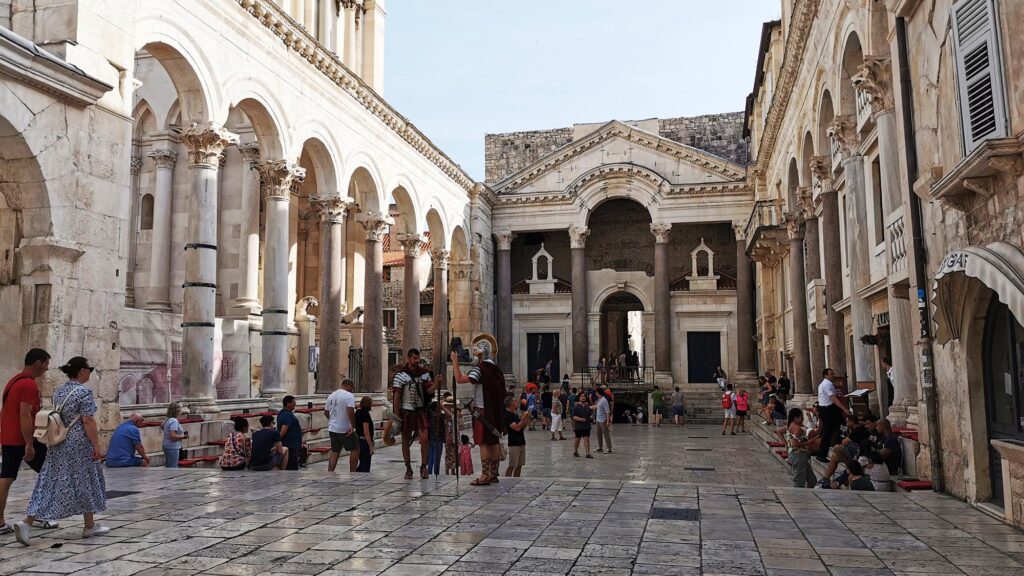
Diocletian’s Palace
Diocletian’s Palace has been used in several productions, most famously "Game of Thrones" (2011–2019) and the Netflix thriller "The Weekend Away" (2022).
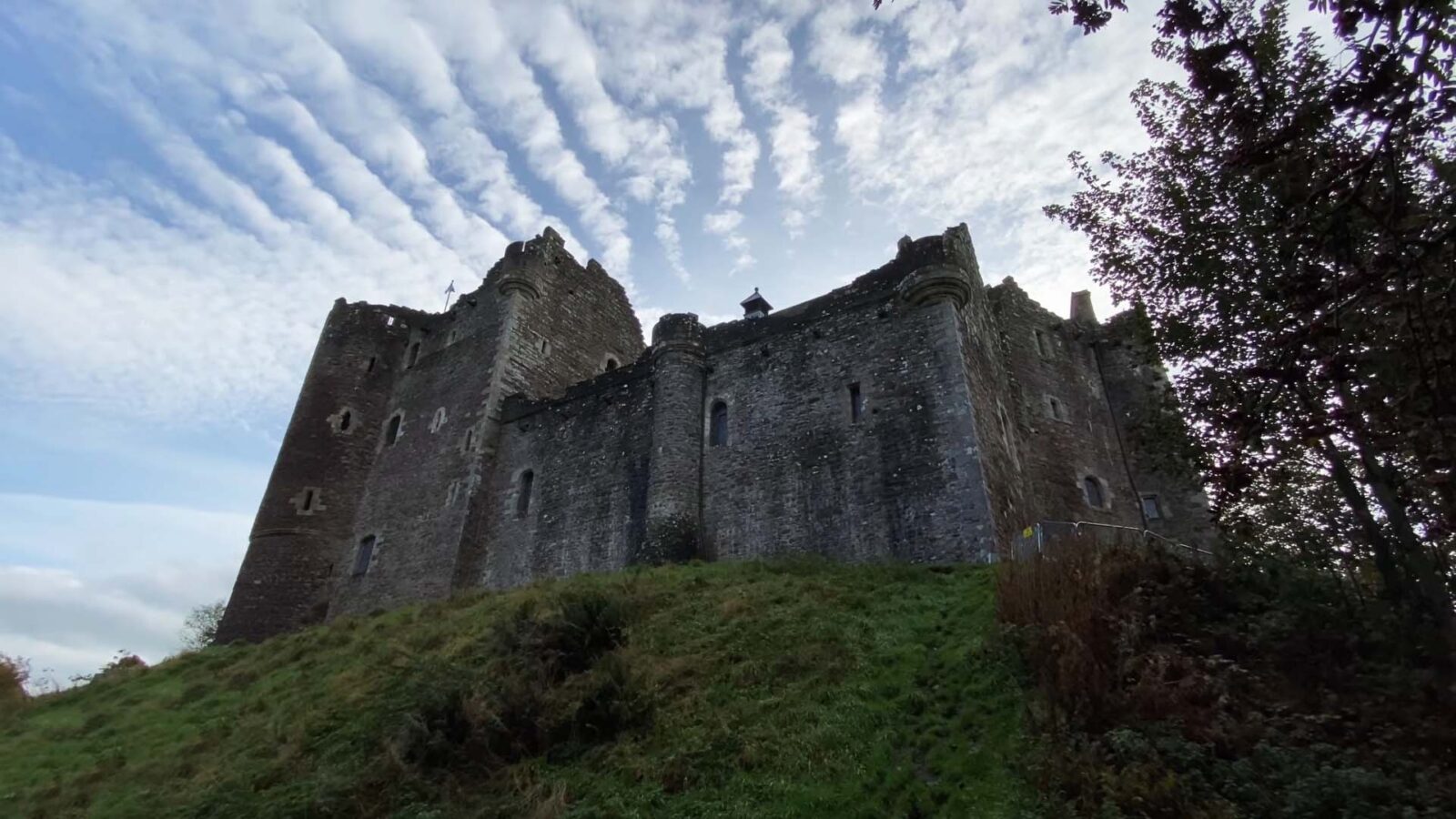
Doune Castle
Doune Castle has appeared in Monty Python and the Holy Grail (1975), Game of Thrones (2011–2019), Outlander (2014–2026) and Outlaw King (2018).
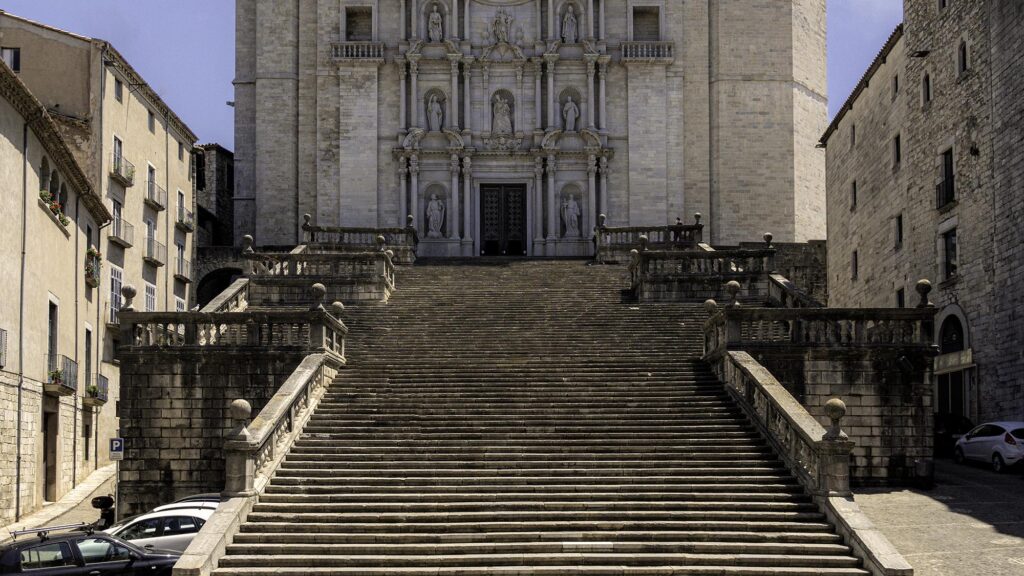
Girona Cathedral
Girona Cathedral is best known on screen from "Game of Thrones" (2011–2019), where it appears in season 6 as the Great Sept of Baelor in King’s Landing.
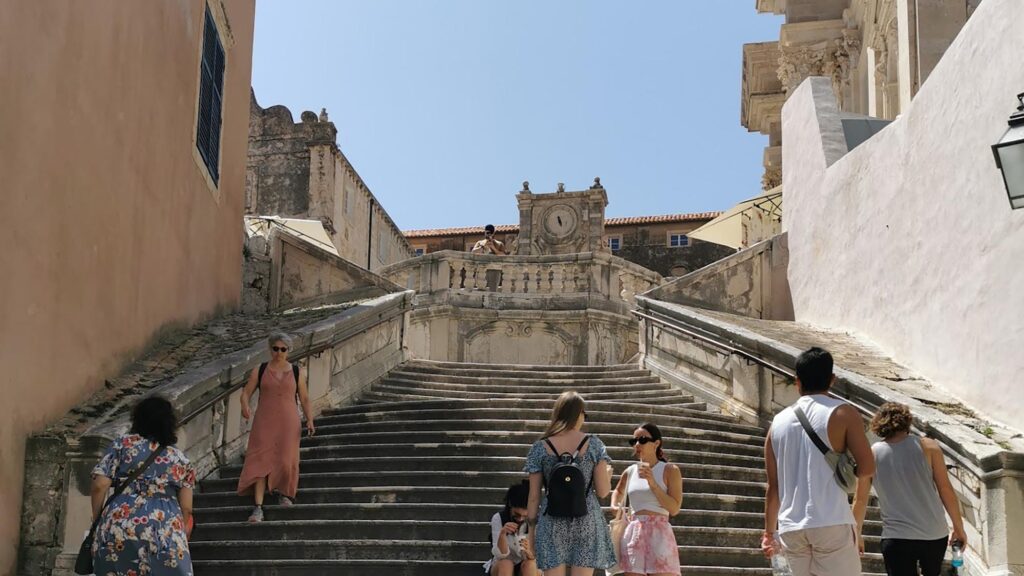
Jesuit Stairs
Jesuit Stairs is best known from Game of Thrones. The Jesuit Stairs were used in the Season 5 finale Mother’s Mercy during Cersei Lannister’s walk of atonement.

Klis Fortress
Klis Fortress, a historic stronghold northeast of Split in Croatia, has appeared in Eagle in a Cage (1971) and Game of Thrones (2011–2019).
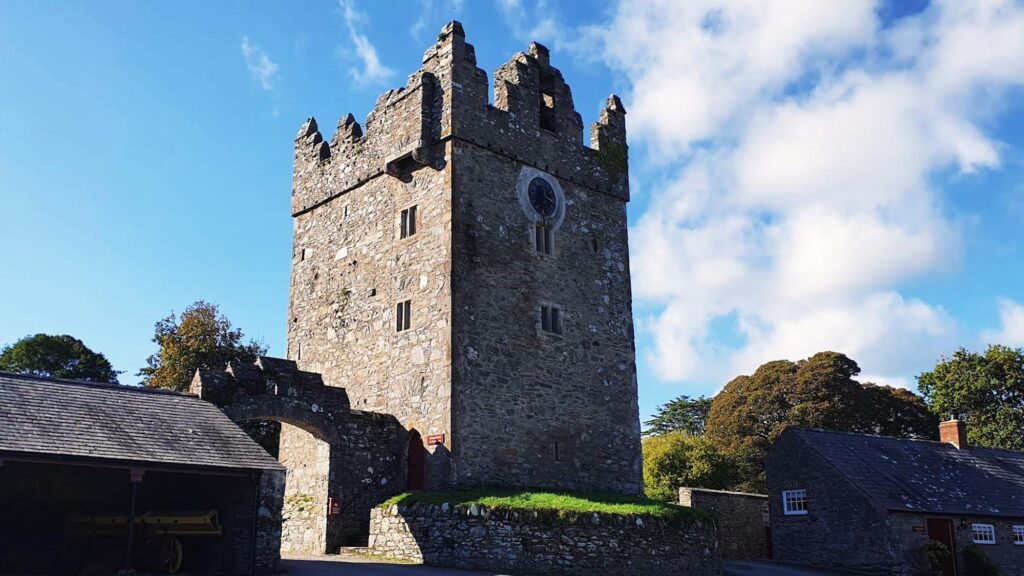
Old Castle Ward
Old Castle Ward and the surrounding estate are best known from Game of Thrones, where the historic farmyard and nearby areas stood in for Winterfell.
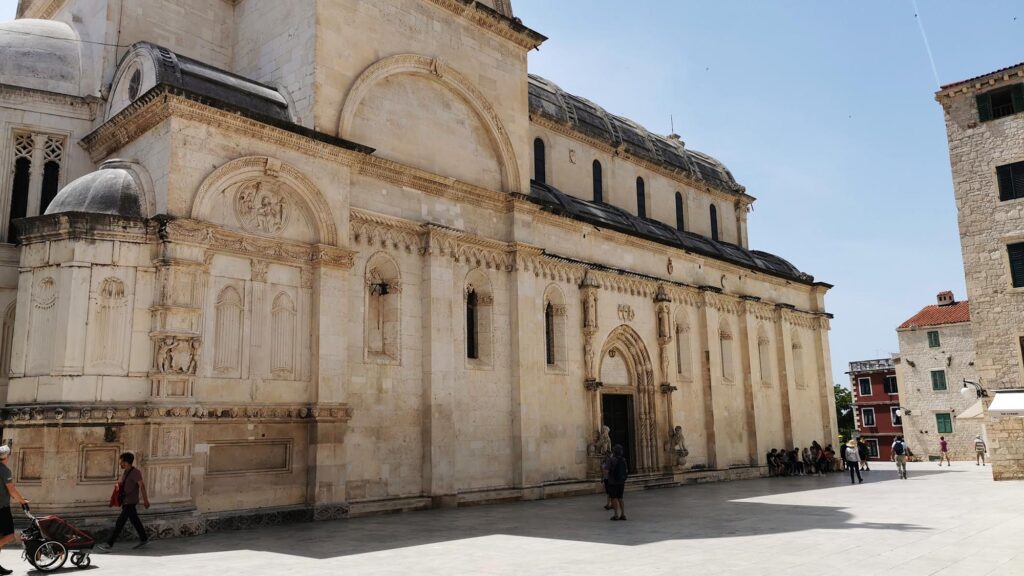
The Cathedral of St. James
The Cathedral of St. James appears in Game of Thrones, where Šibenik is used to represent parts of Braavos in season 5.
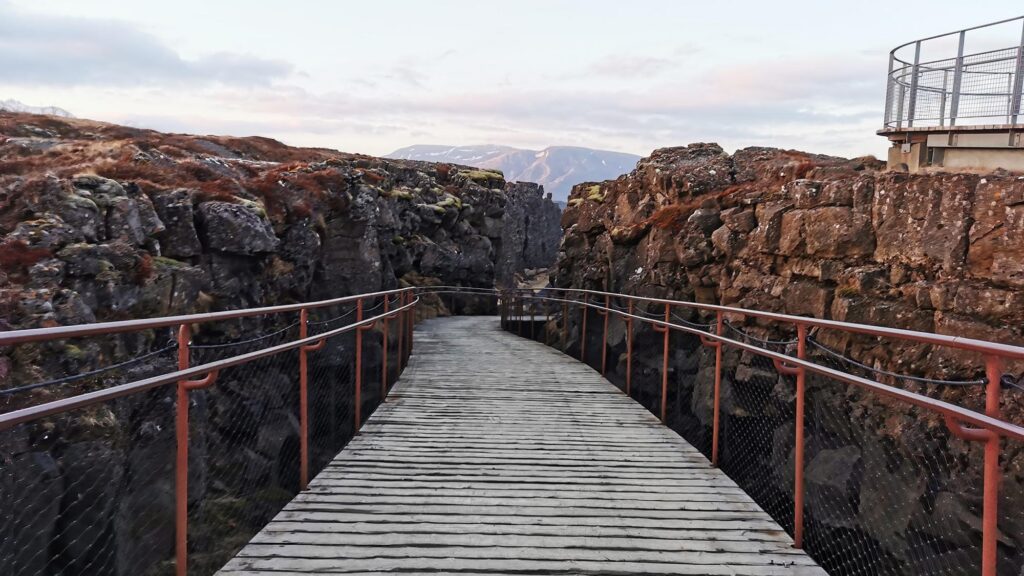
Þingvellir National Park
Þingvellir National Park appears in Game of Thrones. The park’s dramatic rifts and rocky paths are used for parts of the Vale and for terrain in the North.