
Game of Thrones (2011–2019) is an epic fantasy television series created for HBO by David Benioff and D. B. Weiss, based on George R. R. Martin’s A Song of Ice and Fire novels. Set across the fictional continents of Westeros and Essos, the series begins largely as a struggle between powerful noble families for control of the Iron Throne, but gradually expands into a much larger story involving civil war, political betrayal, ancient magic and the return of a supernatural enemy thought to have disappeared thousands of years earlier. The enormous ensemble cast includes Sean Bean, Peter Dinklage, Lena Headey, Emilia Clarke, Kit Harington, Nikolaj Coster-Waldau, Maisie Williams, Sophie Turner and many others whose characters frequently move between separate but interconnected storylines. Over eight seasons, Game of Thrones developed from an ambitious fantasy drama into one of the biggest television productions of its era, becoming particularly known for its willingness to kill major characters, its large-scale battles and a world that felt far more physically real than most television fantasy before it.
Game of Thrones (2011–2019) was filmed across Northern Ireland, Croatia, Iceland, Malta, Morocco and Spain, with Northern Ireland remaining the production’s main home throughout all eight seasons. Titanic Studios in Belfast housed many of the major interior sets, while Linen Mill Studios in Banbridge was also extensively used during the later seasons. Across the Northern Irish countryside, Castle Ward became Winterfell, Tollymore Forest Park supplied the Haunted Forest and the woodland where the Stark children discover the direwolf pups, and the Dark Hedges became the Kingsroad travelled by Arya Stark after her escape from King’s Landing. Ballintoy Harbour and its surrounding coastline were transformed into Pyke and the Iron Islands, Cushendun Caves provided the cove where Melisandre gives birth to the shadow creature, and Downhill Strand became part of Dragonstone, where she burns the statues of the Seven. Other Northern Irish locations included Larrybane Quarry, Inch Abbey, Fair Head and numerous valleys, forests and coastal stretches that were repeatedly reused as different parts of Westeros. During the first season, Malta provided several southern locations, with Mdina standing in for King’s Landing, Fort Manoel used for the Great Sept of Baelor and the now-collapsed Azure Window on Gozo appearing at the wedding of Daenerys Targaryen and Khal Drogo. From the second season onwards, Dubrovnik in Croatia took over as the principal real-world basis for King’s Landing. Its medieval walls, gates and streets appear throughout the series, with Fort Lovrijenac becoming part of the Red Keep and Trsteno Arboretum providing its palace gardens. Other Croatian locations included Lokrum, Split, Klis Fortress and Šibenik. Iceland supplied much of the frozen and volcanic world north of the Wall, including the landscapes around Lake Mývatn, Grjótagjá cave, Þingvellir and several glaciers and snowfields around Vatnajökull. Morocco was used when Daenerys’ storyline moved deeper into Essos, with the fortified town of Aït Ben Haddou and the coastal ramparts of Essaouira helping to create the slave cities of Yunkai and Astapor. Spain became increasingly important from the fifth season onwards and eventually represented several completely different regions of the fictional world. The Real Alcázar of Seville became the Water Gardens of Dorne, the bullring at Osuna was transformed into Daznak’s Pit in Meereen, Girona supplied streets and monumental architecture for Braavos and King’s Landing, and Cáceres was also used extensively for the capital. Later seasons brought in San Juan de Gaztelugatxe and the Basque coast as Dragonstone, the Roman amphitheatre at Itálica for the summit at the Dragonpit, and landscapes including the Bardenas Reales and Tabernas Desert for the Dothraki lands. The sheer number of real locations, often combined with large sets and extensive visual effects, is one of the reasons Westeros and Essos developed such a convincing sense of geography despite never existing outside the screen.

Alcazaba of Almería
The Alcazaba of Almería is in Cleopatra, The Rat Patrol, Duffy, Patton, The Horsemen, Antony and Cleopatra, The Four Musketeers, The Wind and the Lion and more.
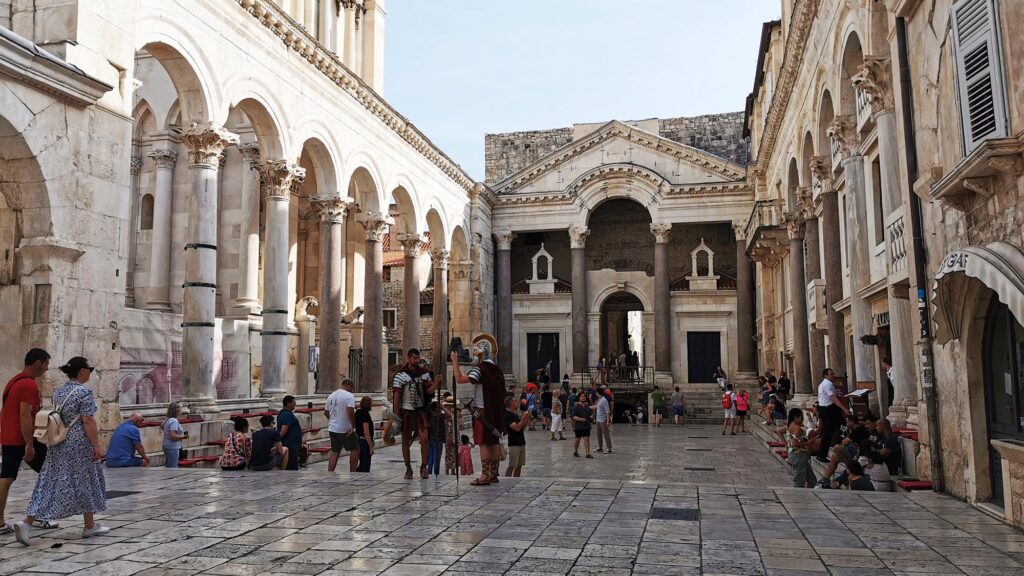
Diocletian’s Palace
Diocletian’s Palace has been used in several productions, most famously "Game of Thrones" (2011–2019) and the Netflix thriller "The Weekend Away" (2022).
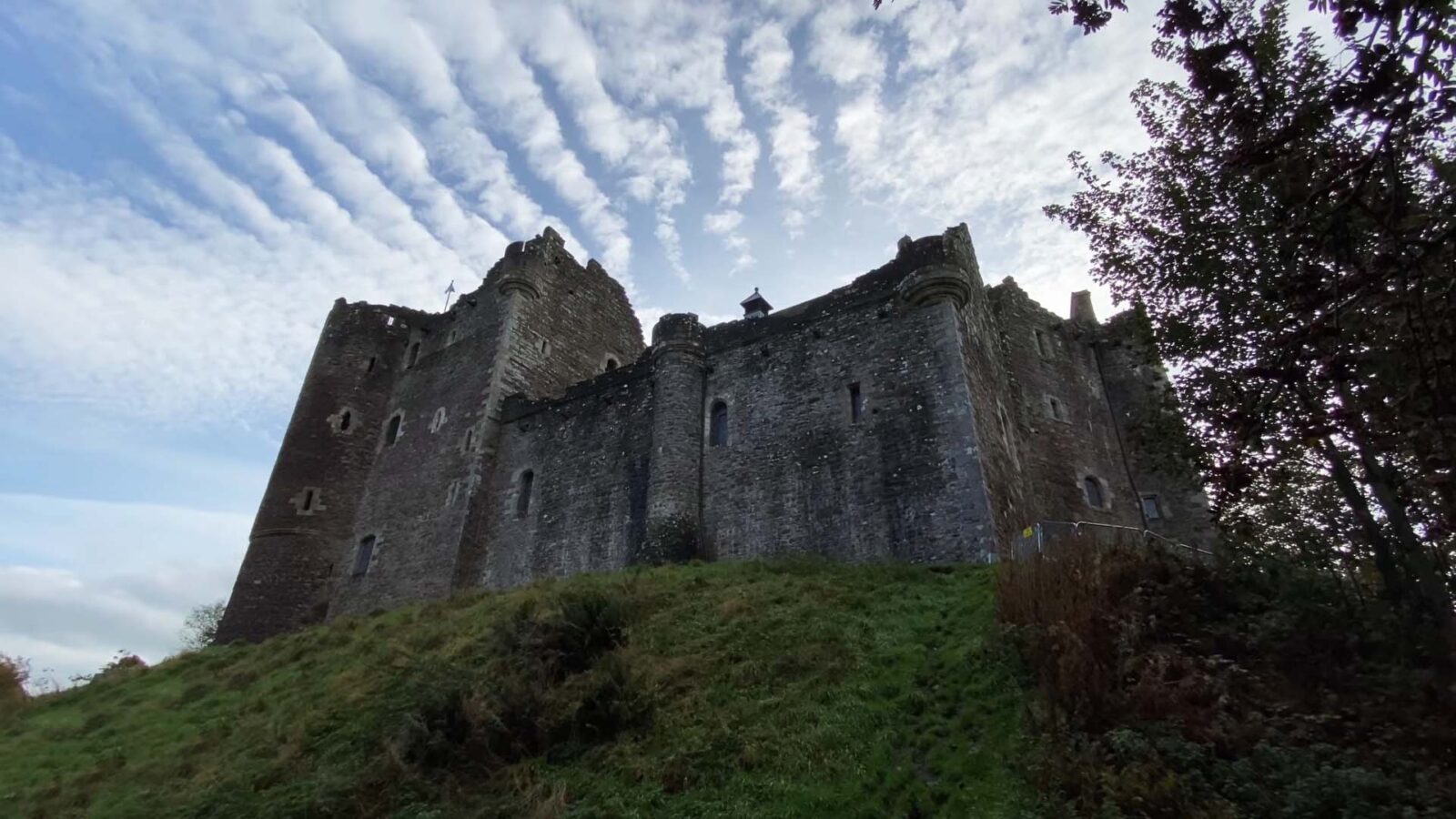
Doune Castle
Doune Castle has appeared in Monty Python and the Holy Grail (1975), Game of Thrones (2011–2019), Outlander (2014–2026) and Outlaw King (2018).
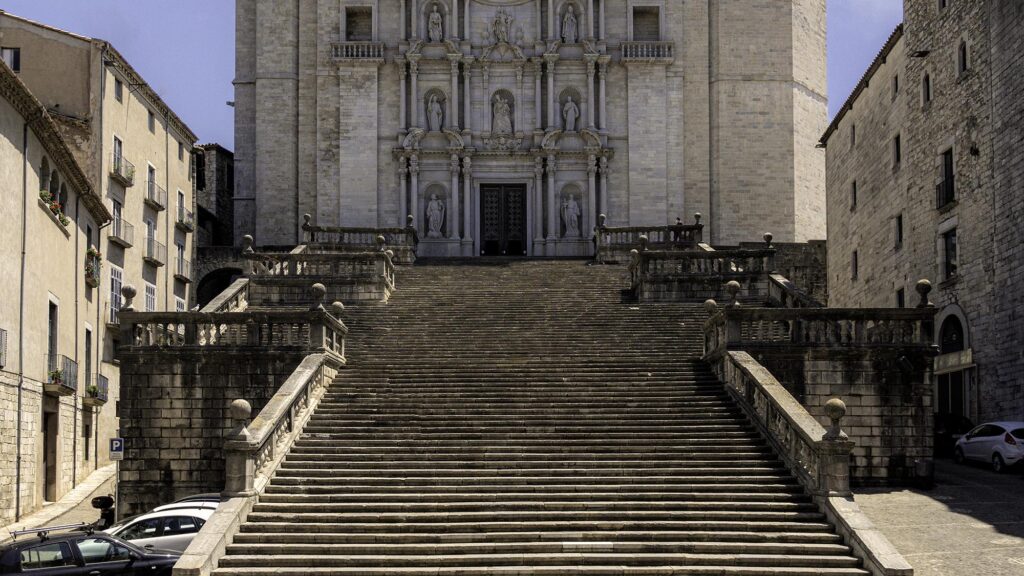
Girona Cathedral
Girona Cathedral is best known on screen from "Game of Thrones" (2011–2019), where it appears in season 6 as the Great Sept of Baelor in King’s Landing.
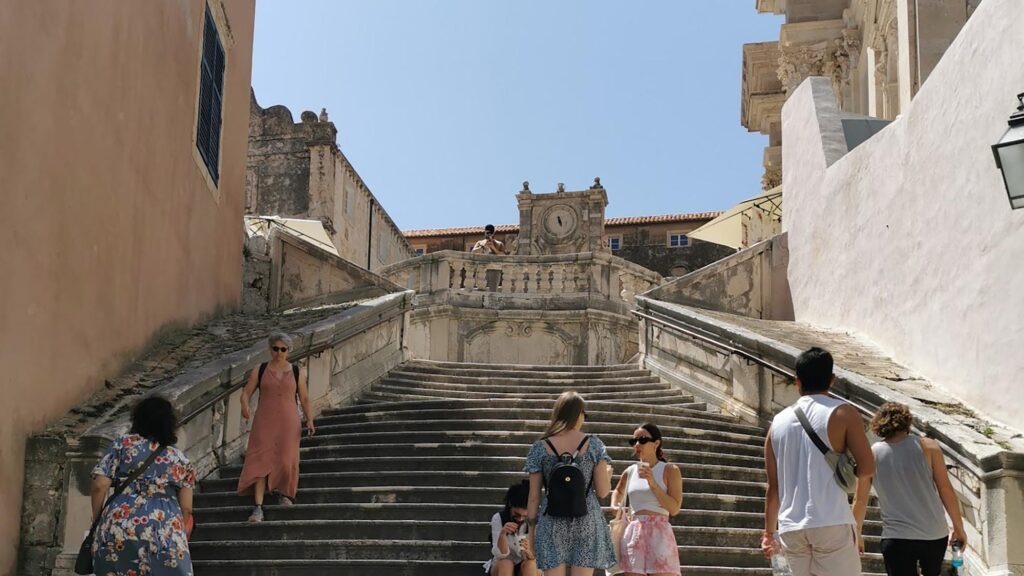
Jesuit Stairs
Jesuit Stairs is best known from Game of Thrones. The Jesuit Stairs were used in the Season 5 finale Mother’s Mercy during Cersei Lannister’s walk of atonement.

Klis Fortress
Klis Fortress, a historic stronghold northeast of Split in Croatia, has appeared in Eagle in a Cage (1971) and Game of Thrones (2011–2019).
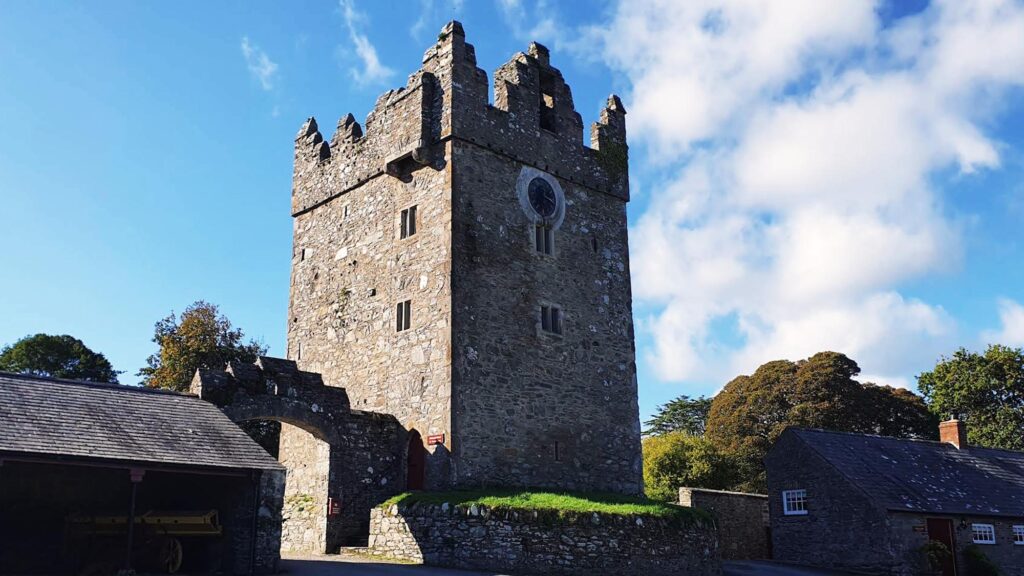
Old Castle Ward
Old Castle Ward and the surrounding estate are best known from Game of Thrones, where the historic farmyard and nearby areas stood in for Winterfell.
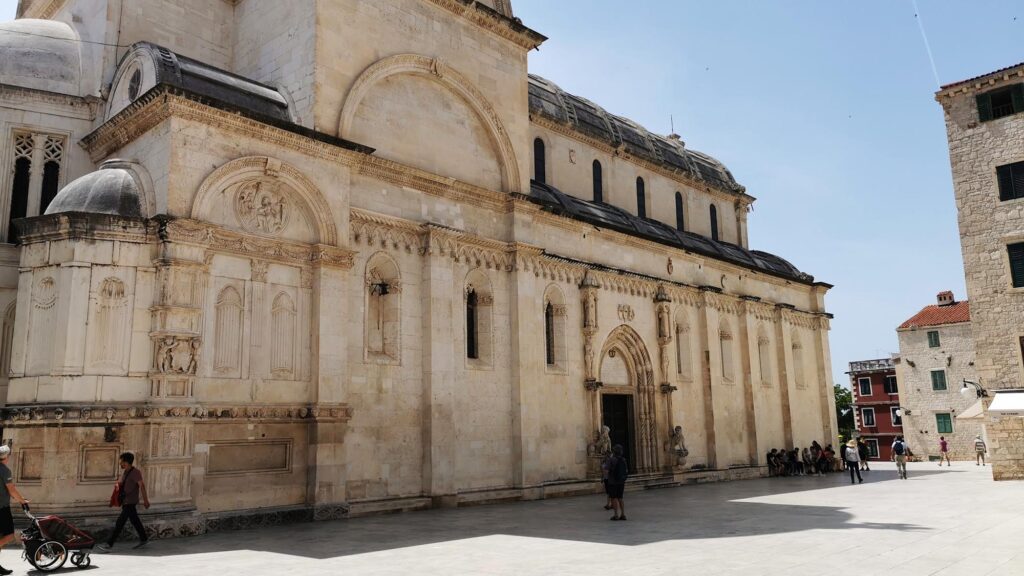
The Cathedral of St. James
The Cathedral of St. James appears in Game of Thrones, where Šibenik is used to represent parts of Braavos in season 5.
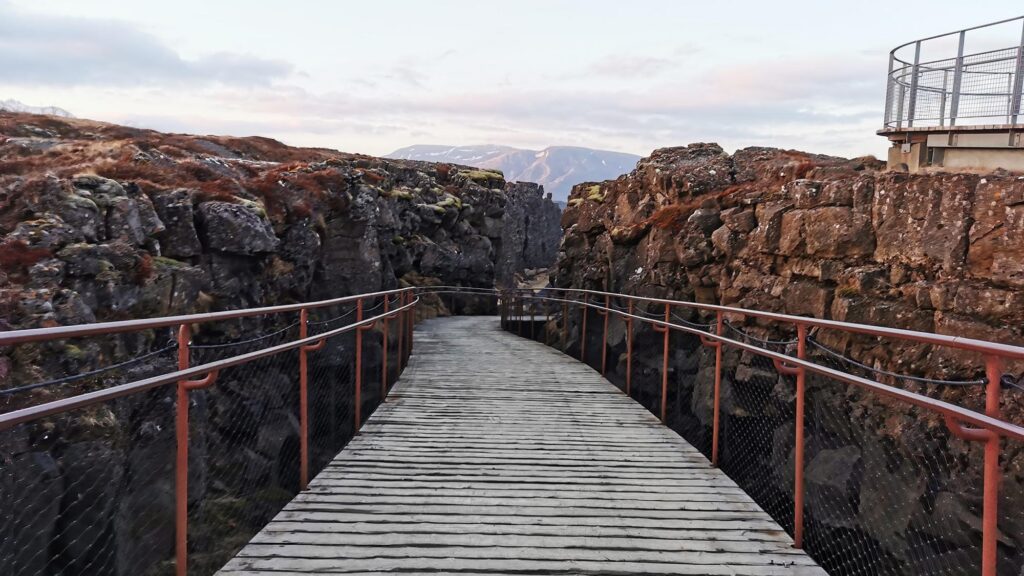
Þingvellir National Park
Þingvellir National Park appears in Game of Thrones. The park’s dramatic rifts and rocky paths are used for parts of the Vale and for terrain in the North.