
The Mayan in Downtown Los Angeles is one of the city’s most distinctive historic theatres. Located at 1038 South Hill Street, it opened in 1927 and was designed in a dramatic Mayan Revival style, with pre-Columbian-inspired ornament, sculptural details and a richly decorated interior. The building began as a theatre, later went through periods as a cinema and adult movie house, and eventually became a nightclub and live music venue. Its unusual architecture gives it a much stronger screen identity than a normal club or concert hall, making it useful for productions that want a location with both Los Angeles history and a slightly exotic, theatrical edge.
The Mayan has appeared in many films and television productions, including “Sally of the Scandals” (1928), “Refinements in Love” (1971), “Save the Tiger” (1973), “Won Ton Ton: The Dog Who Saved Hollywood” (1976), “Bitter Heritage” (1979), Rock ’n’ Roll High School (1979), “Flesh and Bullets” (1985), Unlawful Entry (1992), “The Bodyguard” (1992), “The Replacement Killers” (1998), A Night at the Roxbury (1998), “Playing by Heart” (1998), “Be Cool” (2005), “Chuck” (2007–2012), “Alias” (2001–2006) and GLOW (2017–2019). It has also been used for music and concert material, including The Pointer Sisters’ “Neutron Dance” music video and New Kids on the Block’s “Hangin’ Tough Live”. The venue can function as a concert hall, nightclub, old movie theatre, adult cinema or stylised performance space, depending on which part of the building is used.
In “Save the Tiger” (1973), The Mayan appears during the period when the building was operating as an adult movie theatre. This gives the film a very different use of the location than the later nightclub and concert scenes associated with the venue. The theatre’s faded grandeur fits the film’s view of a changing Los Angeles, where older entertainment spaces have lost much of their original glamour.
In Rock ’n’ Roll High School (1979), The Mayan is used as a concert venue for the Ramones. The building’s interior gives the performance scenes a strong theatrical setting, matching the film’s exaggerated rock-and-roll energy. The ornate surroundings make the venue feel bigger and stranger than an ordinary school or club location, helping turn the concert material into one of the film’s central spectacles.
In “The Bodyguard” (1992), The Mayan is used for the concert scene where Rachel Marron, played by Whitney Houston, performs despite the danger surrounding her. The crowd becomes chaotic, and Frank Farmer, played by Kevin Costner, carries her out of the venue, creating one of the film’s defining images. The theatre’s intense interior design and packed performance space help make the scene feel both glamorous and threatening.
In Unlawful Entry (1992), The Mayan is used as the nightclub that Michael Carr plans to reopen. The closed theatre becomes part of Michael and Karen’s future plans, making it more than just a background location. Its dark interior, stage and old show-business atmosphere give the place a sense of potential, but also vulnerability, as the couple’s life is increasingly invaded by Pete Davis.
In A Night at the Roxbury (1998), The Mayan appears as one of the nightclub locations tied to the film’s club-culture comedy. The venue’s real nightlife identity fits naturally with the story, where the characters’ dreams and social lives revolve around exclusive clubs, dancing and the idea of being accepted inside the right room.
In “The Replacement Killers” (1998), The Mayan features prominently in the opening nightclub sequence. The building’s dramatic interior gives the scene a strong visual identity, with the ornate architecture, stage lighting and crowded club atmosphere creating a heightened Los Angeles underworld setting. It works especially well for the film’s stylised action tone, where the location feels both real and theatrical.
In “Playing by Heart” (1998), The Mayan is used for nightclub scenes. The film follows several interconnected relationships across Los Angeles, and the venue’s nightlife atmosphere fits the story’s world of meetings, conversations and emotional uncertainty. The Mayan’s interior gives the scenes a more distinctive character than a generic modern club would have done.
In “Alias” (2001–2006), The Mayan appears in the episode “Countdown” as a lucha libre / Mexican wrestling venue in Guadalajara. The theatre’s pre-Columbian-inspired architecture and nightclub layout make it especially useful for this kind of disguise, allowing the Los Angeles building to stand in for a more stylised Mexican setting.
In “Be Cool” (2005), The Mayan appears as part of the film’s Los Angeles music-industry world. Its nightclub and performance-space character fits the story’s mix of music, celebrity, crime and show-business manoeuvring, giving the scenes a real downtown venue with a strong visual personality.
In “Chuck” (2007–2012), The Mayan appears as the venue for Tyler Martin’s concert in the season 2 episode “Chuck Versus the Third Dimension”. The concert setting uses the building as a real performance venue, with its stage, lighting and crowd space fitting naturally into the episode’s pop-star storyline.
In GLOW (2017–2019), The Mayan appears in the episode “Maybe It’s All the Disco”, when Ruth and Sam scout it as a possible venue for the women’s wrestling show. The theatre’s historic interior and dramatic stage make it believable as a place where their low-budget wrestling production could suddenly feel larger and more professional. The location also fits the series’ 1980s Los Angeles atmosphere, where old theatres, clubs and entertainment spaces become part of the show’s world.
In The Pointer Sisters’ “Neutron Dance” music video, The Mayan is used as a stylised performance location. The venue’s stage and theatrical interior fit the video’s energetic 1980s look, showing how the building’s screen identity extends beyond film and television into music-video history.
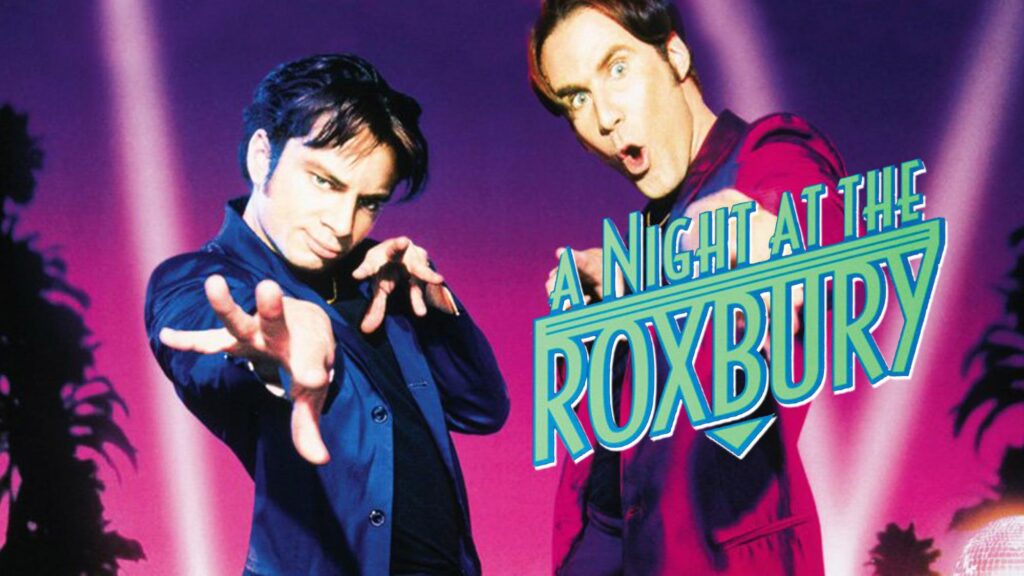
A Night at the Roxbury
Several Los Angeles locations were used in A Night at the Roxbury. The Roxbury itself is split between different real locations: Billboard Live and The Mayan.
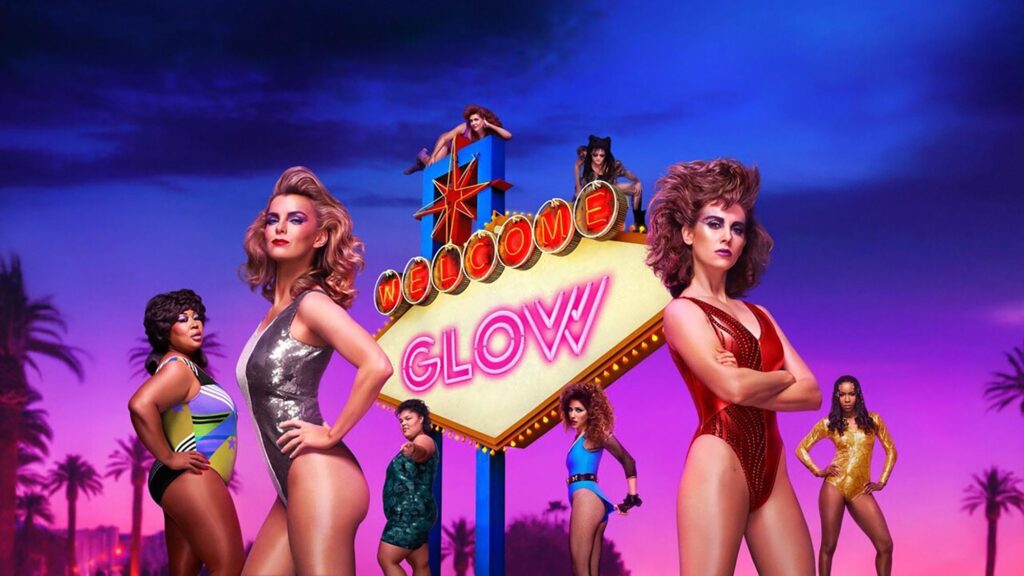
GLOW
GLOW was filmed in Los Angeles, around the San Fernando Valley, which gives it a strong Southern California identity rather than a generic studio feel.

Rock ’n’ Roll High School
Rock ’n’ Roll High School was shot in Los Angeles. The main school scenes were filmed at the former Mount Carmel High School at 7011 South Hoover Street.
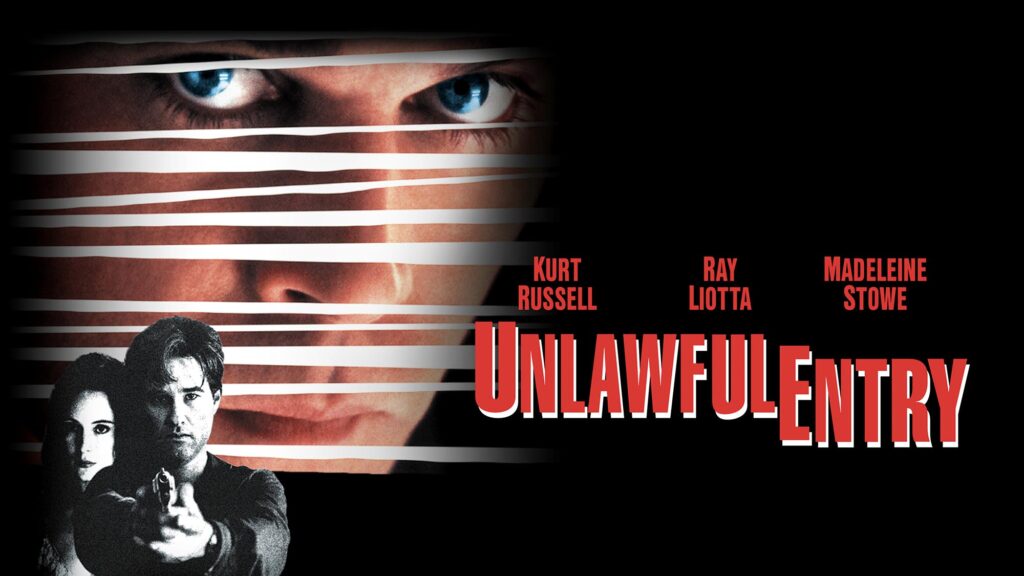
Unlawful Entry
Unlawful Entry was shot in and around Los Angeles, which fits its atmosphere of suburban comfort under threat.
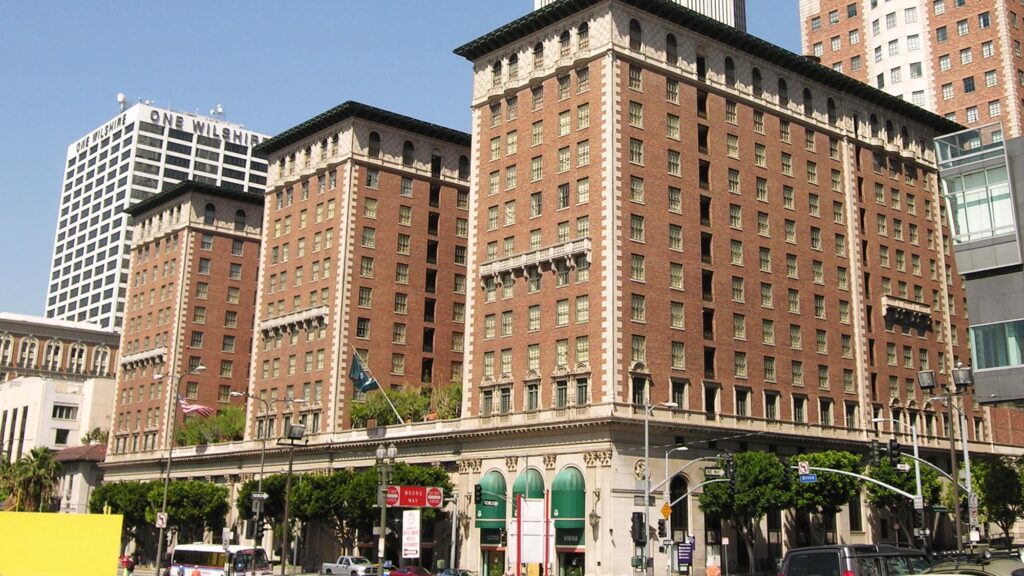
Millennium Biltmore Hotel
The Millennium Biltmore Hotel has appeared in many films, including The Omega Man, Chinatown, Rocky III, Beverly Hills Cop, Ghostbusters and many more.
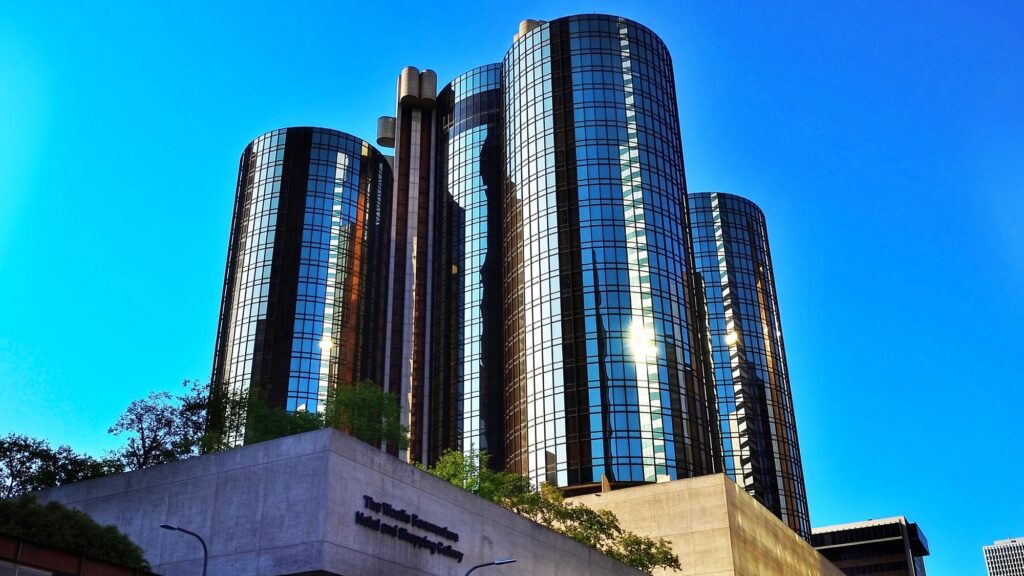
Westin Bonaventure Hotel
Westin Bonaventure Hotel has appeared in The Driver, Heaven Can Wait, Midnight Madness, Blue Thunder, Breathless, This is Spinal Tap, Rain Man and many more.
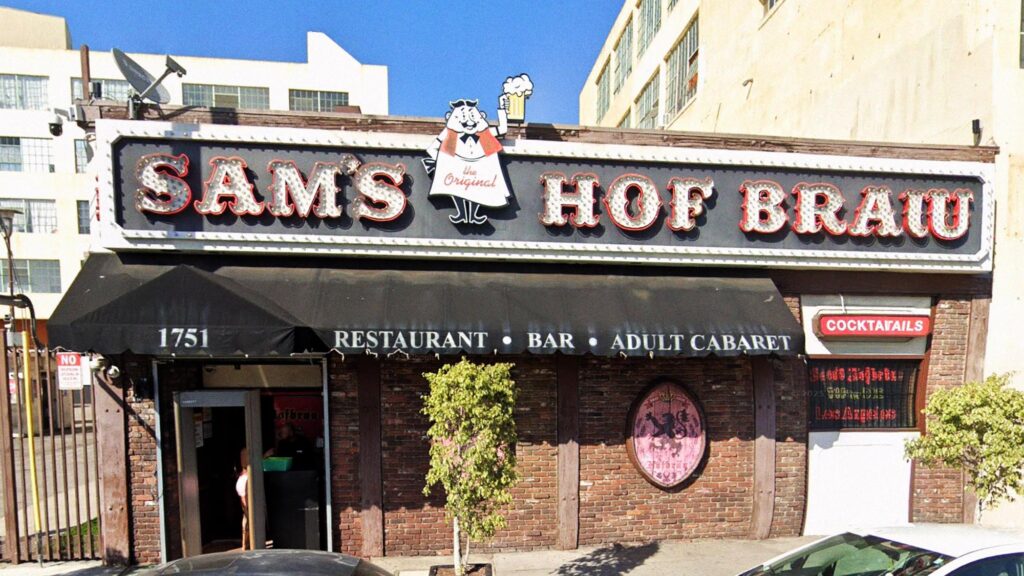
Sam’s Hofbrau
Sam’s Hofbrau is best known from Quentin Tarantino’s "Jackie Brown" (1997) and "Kill Bill: Vol. 2" (2004). In both films, the location is used as a strip club.
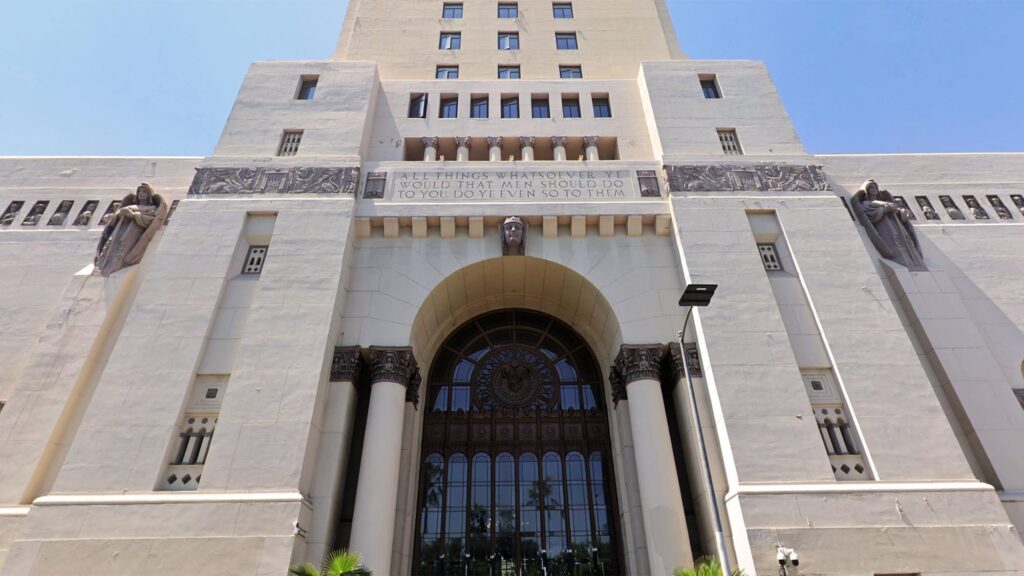
The MacArthur
The MacArthur has been used in a large number of films, with its lobby, ballrooms, rooms, exterior and restrooms appearing in films across several decades.

Edmund A. Gray Co.
Edmund A. Gray Co. has appeared in A Nightmare on Elm Street 5: The Dream Child (1989) and Veronica Mars (2014).
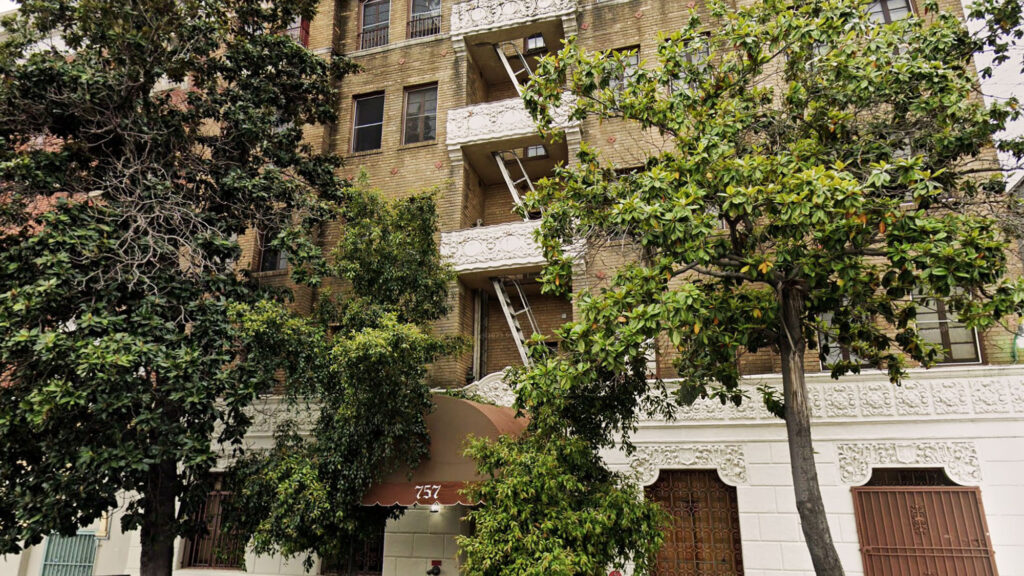
The Shelley
The Shelley appears in Seinfeld (1989–1998). In the series, it serves as the exterior of Jerry’s apartment, even though the character’s address is in Manhattan.
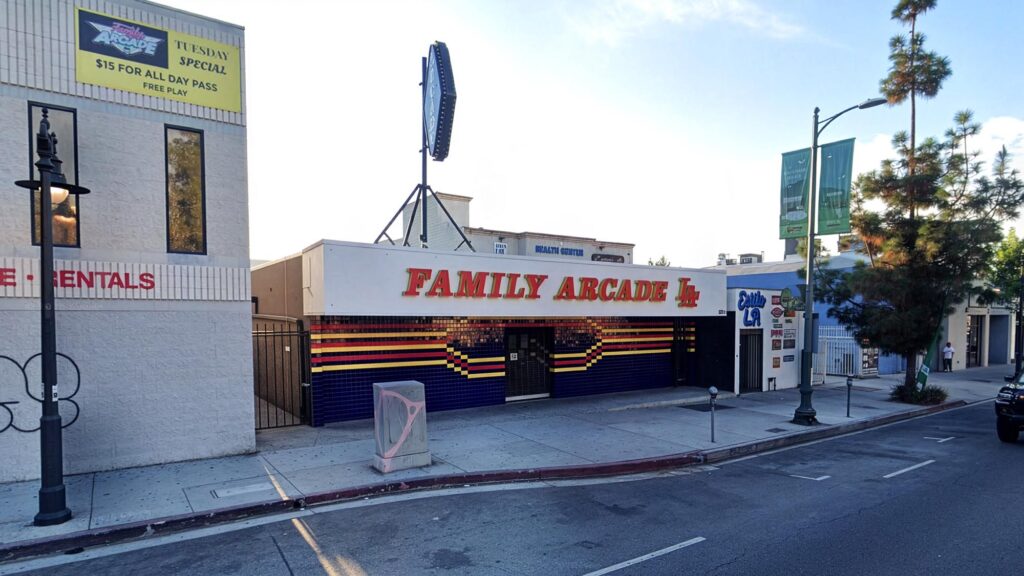
Family Arcade LA
In Dexter: Original Sin, Family Arcade LA appears in episode 9, Blood Drive. Dexter lures Captain Spencer to the arcade, transforming it into a kill room.
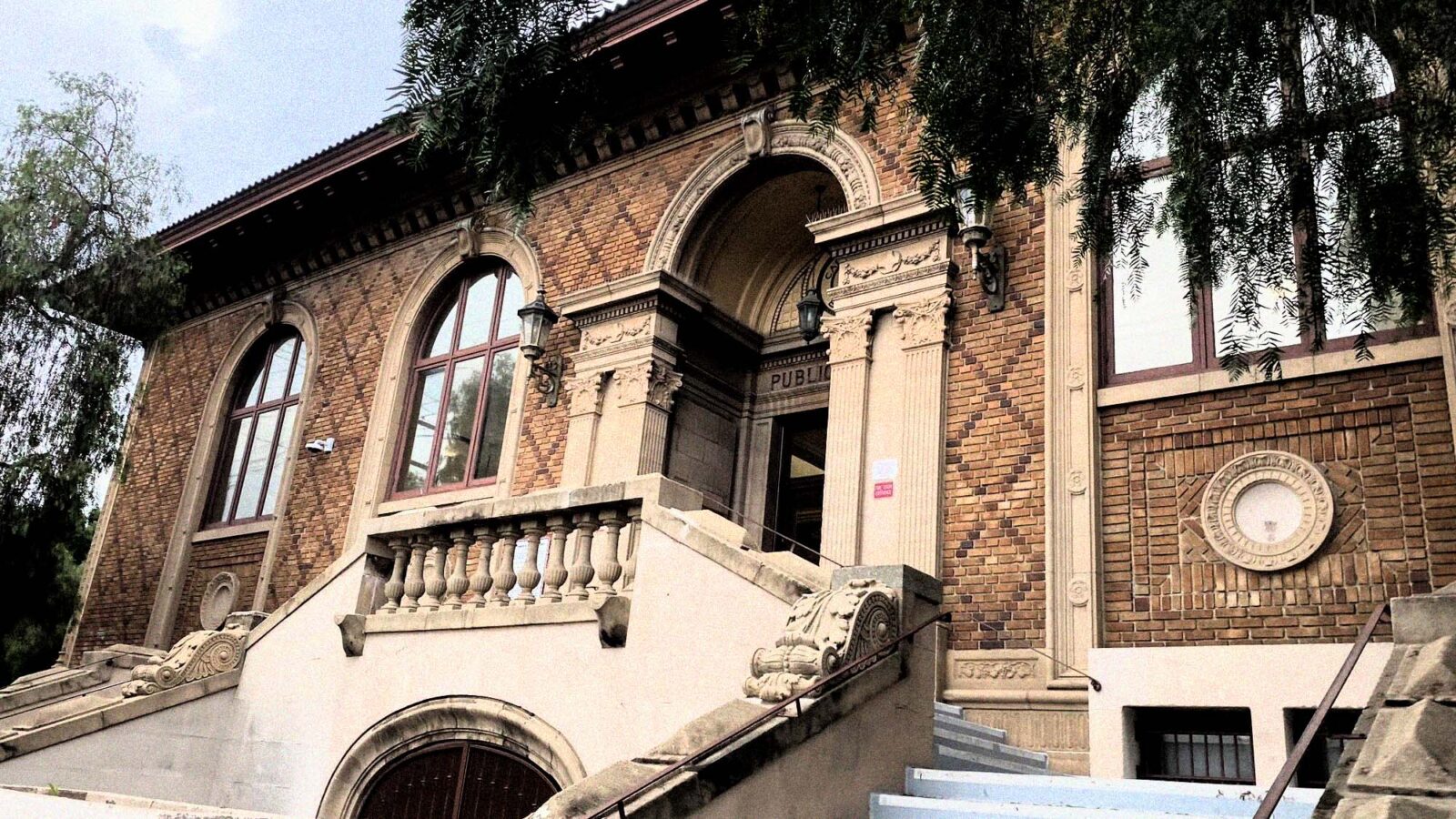
Cahuenga Branch Library
Cahuenga Branch Library, a historic public library at in East Hollywood, has appeared in Carrie (1976) and A Nightmare on Elm Street (1984).
Hollywood Forever Cemetery
Hollywood Forever Cemetery appeared in The Player, Charmed, The Prestige, Dexter, 90210, Valentine’s Day, Under the Silver Lake, Bosch: Legacy and MaXXXine.