
Khao Phing Kan, also known as Ko Khao Phing Kan and popularly as James Bond Island, is a limestone island in Phang Nga Bay in Phang Nga Province, southern Thailand. The island consists of steep, forest-covered karst formations created by the long-term erosion of marine limestone. Its Thai name is commonly translated as “hills leaning against each other”, referring to the large inclined rock masses that form part of the island. Approximately 40 metres offshore stands Ko Tapu, a narrow limestone sea stack rising around 20 metres from the water and widening towards its summit. Ko Tapu, whose name means “nail island”, has become the most recognisable feature of the site despite being a separate islet. Khao Phing Kan and Ko Tapu form part of Ao Phang Nga National Park, established in 1981 to protect the extensive limestone islands, mangrove forests and marine environment of Phang Nga Bay. Both formations became widely known internationally as James Bond Island following their appearance in a James Bond film during the 1970s.
Khao Phing Kan has been used in The Man with the Golden Gun (1974) and Tomorrow Never Dies (1997). The island, beach, surrounding limestone cliffs, Ko Tapu and waters of Phang Nga Bay have represented Francisco Scaramanga’s private island in Chinese waters and, more than twenty years later, part of the Vietnamese coastal landscape surrounding Elliot Carver’s stealth ship. The Man with the Golden Gun makes extensive and immediately recognisable use of Khao Phing Kan, while Tomorrow Never Dies used the island as a filming base for a much shorter sequence in which the famous Ko Tapu formation is not clearly identifiable in the finished film.
In The Man with the Golden Gun (1974), Khao Phing Kan represents the private island occupied by professional assassin Francisco Scaramanga. Mary Goodnight is taken there after becoming trapped in the boot of Scaramanga’s car, while Bond subsequently follows her tracking signal and arrives by seaplane. Scaramanga welcomes Bond and demonstrates the solar-energy installation he has taken over, using its powerful beam to destroy Bond’s aircraft. After dinner, Scaramanga challenges Bond to a pistol duel on the beach. Nick Nack positions the two men back to back and instructs them to walk twenty paces, but when Bond turns Scaramanga has disappeared among the rocks. Bond is then drawn into Scaramanga’s elaborate funhouse, where he eventually kills the assassin by replacing a mannequin of himself and surprising him. Goodnight accidentally destabilises the solar plant, forcing Bond to recover the Solex agitator before they escape from the island aboard Scaramanga’s junk. Khao Phing Kan supplies the beach, cliffs, waterline and exterior landscape of Scaramanga’s hideaway, while Ko Tapu appears prominently offshore and is incorporated into the fictional solar installation. Scaramanga’s house, funhouse and most of the technological interiors were constructed separately rather than being existing structures on the island.
Principal photography on The Man with the Golden Gun began at Khao Phing Kan on 18 April 1974, and the production spent approximately eight days filming the exterior material for Scaramanga’s island before moving on to Hong Kong. At the time the location was remote and lacked much of the infrastructure that later developed around its association with James Bond. The film’s success transformed both Khao Phing Kan and the neighbouring Ko Tapu into internationally recognised landmarks, and “James Bond Island” subsequently became the common tourism name for the location.
In Tomorrow Never Dies (1997), Khao Phing Kan was used during the climactic section set in Vietnamese waters. James Bond and Chinese intelligence agent Wai Lin have discovered that media magnate Elliot Carver intends to provoke a war between Britain and China from his stealth ship concealed among the limestone islands of the fictionalised Ha Long Bay. A production crew worked from the concrete jetty at Khao Phing Kan, constructing a temporary platform down at water level for close shots involving Bond and Wai Lin in a black Zodiac inflatable boat. Pierce Brosnan and Michelle Yeoh were filmed offshore as Bond looks through binoculars, passes them to Wai Lin and then starts the motor before they continue towards Carver’s vessel. Wider material filmed elsewhere around Phang Nga Bay was combined with these shots to represent Vietnam. Unlike The Man with the Golden Gun, the sequence does not prominently display the distinctive Ko Tapu formation, which explains why Khao Phing Kan is difficult to recognise in the finished film despite the production having filmed directly from the island.
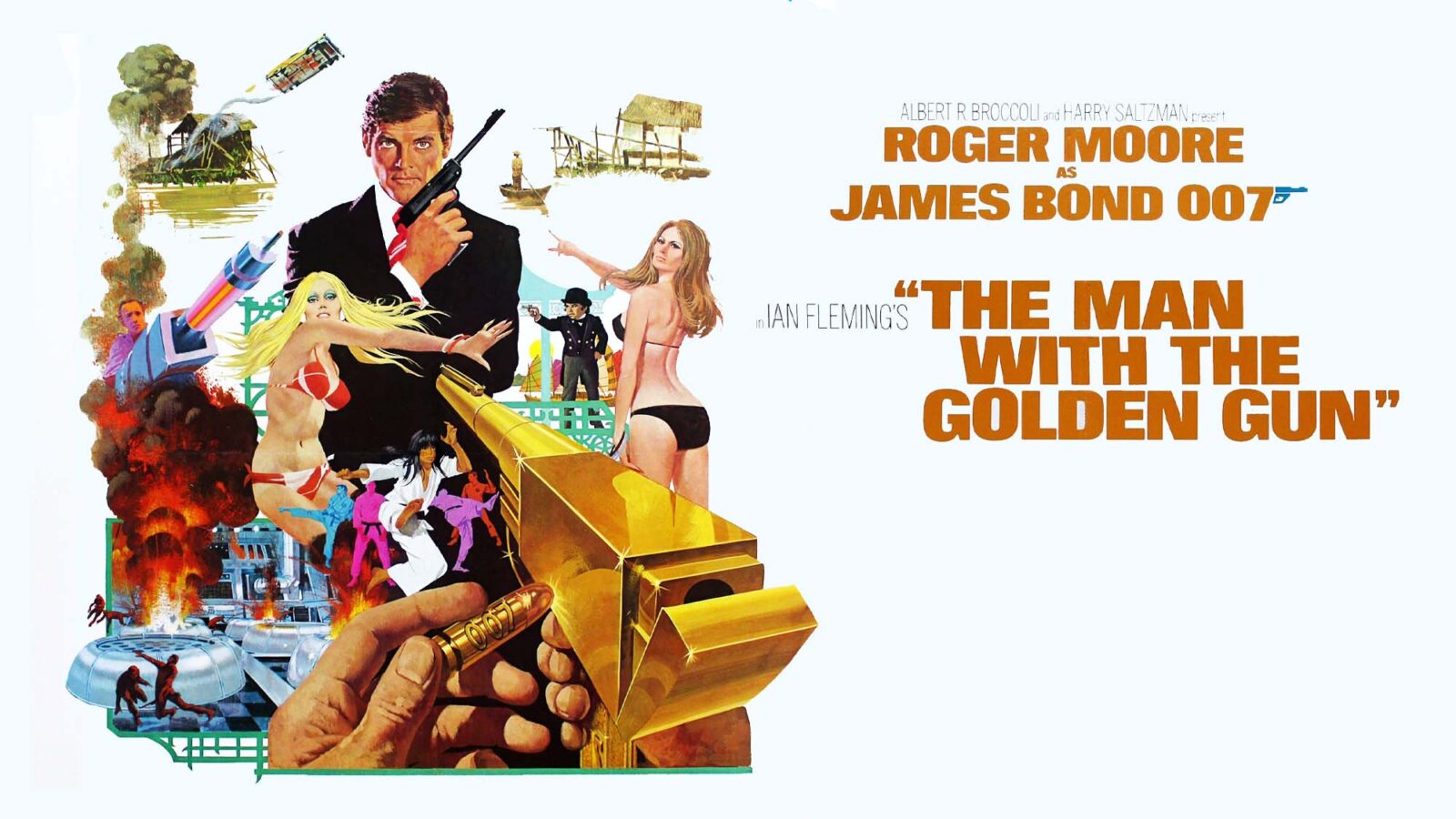
The Man with the Golden Gun
The Man with the Golden Gun (1974) was filmed mainly in Thailand, Hong Kong and Macau, with studio work completed at Pinewood Studios in England.

Wat Mahathat
Wat Mahathat has appeared in Kickboxer and Mortal Kombat: Annihilation. Its temple ruins have been used as ancient martial-arts settings in both films.

Hong Kong Dragon Garden
Hong Kong Dragon Garden is in I Spy, The Peking Medallion, The Last Grenade, Men of the Dragon, The Man with the Golden Gun, The Head Hunter and more.
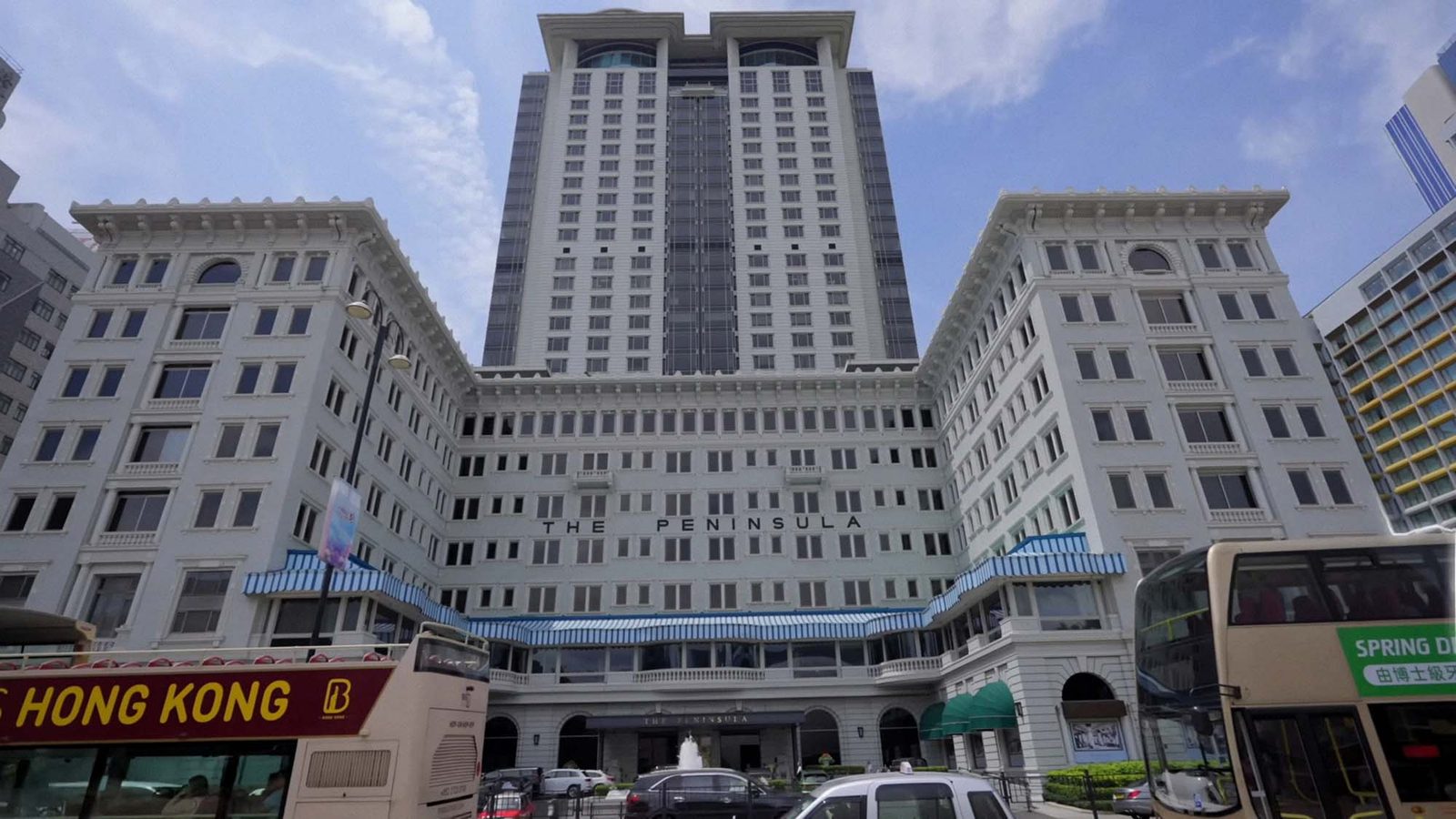
The Peninsula Hong Kong
The Peninsula Hong Kong is in Soldier of Fortune, The Man with the Golden Gun, Dynasty, Everlasting Love, Bloodsport, The Greatest Lover and many more.

Monsoon Palace
Monsoon Palace has appeared in Octopussy (1983), Dhamaal (2007) and The Cheetah Girls: One World (2008). Its most famous screen appearance is in Octopussy.
Shinmoedake
Shinmoedake has appeared in You Only Live Twice (1967). Its crater represent the apparently extinct volcano concealing the secret rocket base.
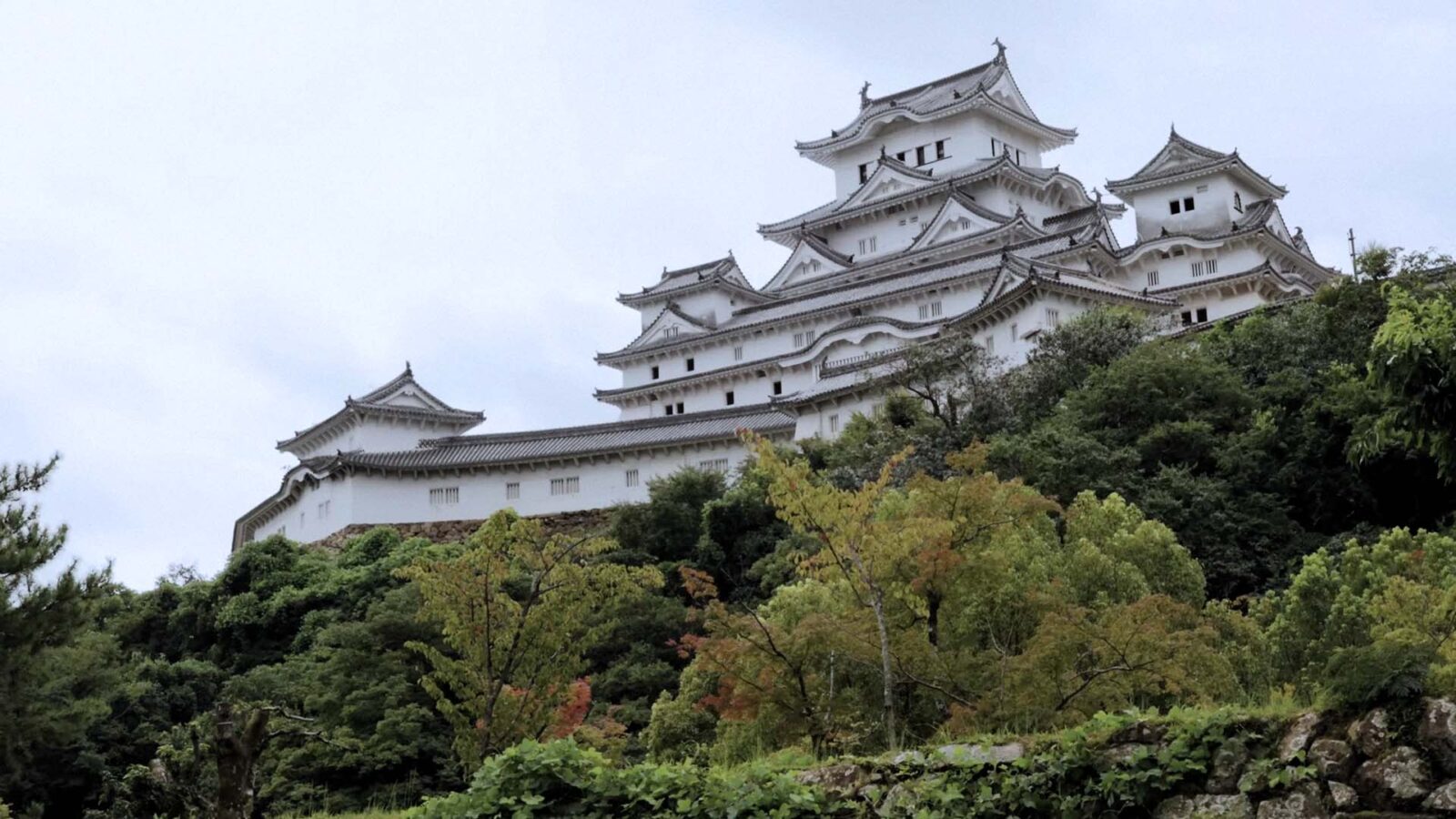
Himeji Castle
Himeji Castle is in The Garden of Women, Miyamoto Musashi, You Only Live Twice, Abarenbō Shōgun, Shogun's Samurai, Kagemusha, Shōgun, Ran and many more.
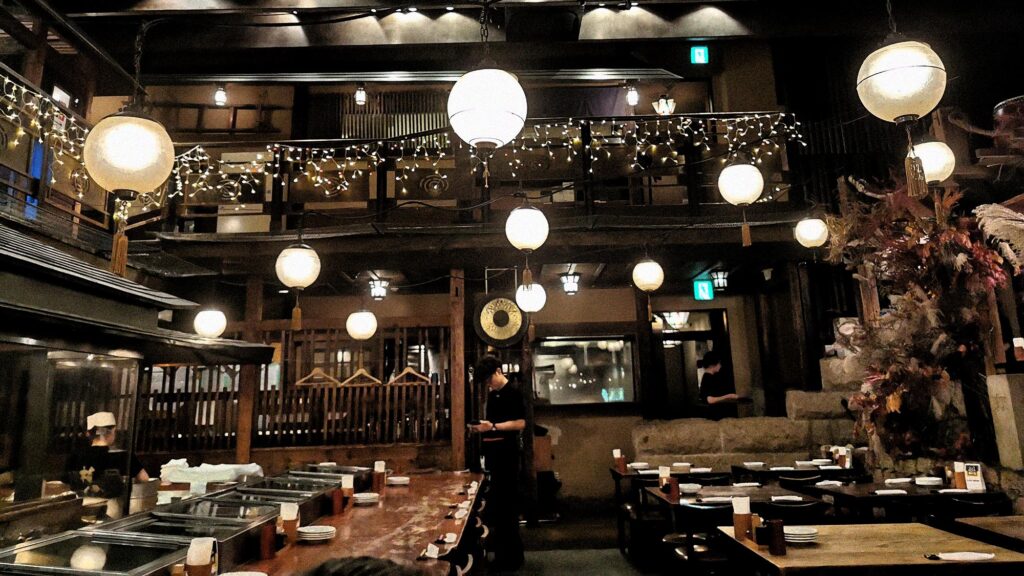
Gonpachi Nishi-Azabu
Gonpachi Nishi-Azabu is connected to Kill Bill: Vol. 1 (2003) as the inspiration for the House of Blue Leaves, the Tokyo restaurant where The Bride fights.

Al-Khazneh
Al-Khazneh has appeared in Sinbad and the Eye of the Tiger (1977), Indiana Jones and the Last Crusade (1989) and Mortal Kombat: Annihilation (1997).

Potemkin Stairs
Potemkin Stairs is used in "Battleship Potemkin" (1925) for the legendary Odessa Steps sequence.