
Himeji Castle is a historic Japanese castle in the city of Himeji in Hyōgo Prefecture, Japan. Its origins date to 1333, when Akamatsu Norimura constructed a fort on Himeyama hill, followed by a more substantial castle built by his son Akamatsu Sadanori in 1346. The fortress passed through several families before Kuroda Yoshitaka surrendered it to Hashiba Hideyoshi, later Toyotomi Hideyoshi, in 1580. Hideyoshi constructed a three-storey keep, but the castle acquired most of its present appearance after the Battle of Sekigahara, when Ikeda Terumasa became lord of Himeji and carried out a massive reconstruction between 1601 and 1609. Honda Tadamasa further expanded the complex after becoming lord in 1617. The surviving castle consists of more than eighty historic buildings linked by gates, walls, courtyards and a deliberately confusing defensive network centred on the five-storey exterior, six-storey interior Main Keep and its three connected smaller keeps. Its brilliant white plaster walls and layered roofs led to the nickname Shirasagi-jō, or White Heron Castle. Unlike many Japanese castles, Himeji survived warfare, demolition during the Meiji period and the bombing of the Second World War without being destroyed. The Main Keep was designated a National Treasure in 1931, and Himeji Castle became one of Japan’s first UNESCO World Heritage Sites in 1993. The extraordinary survival of its seventeenth-century architecture has also made it one of Japan’s most important filming locations for historical productions.
Himeji Castle has appeared in The Garden of Women (1954), Miyamoto Musashi (1961), You Only Live Twice (1967), Abarenbō Shōgun (1978–2008), Shogun’s Samurai (1978), Kagemusha (1980), Shōgun (1980), Ran (1985), Musashi (2003), Fighter in the Wind (2004), The Hidden Blade (2004), The Winds of God (2005), Ooku (2006), Tsukigami (2007), Tsubaki Sanjuro (2007), Kamui Gaiden (2009), After the Flowers (2010), Raiou (2010), Lupin no Kiganjo (2011), The Samurai Astronomer (2012), The Castle of Crossed Destinies (2012), Samurai Hustle Returns (2016), Sekigahara (2017), Flea-picking Samurai (2018), Samurai Marathon (2019), Samurai Shifters (2019), Baragaki: Unbroken Samurai (2021), Snake Eyes: G.I. Joe Origins (2021), Hakkenden (2024), Fourever You Part 2 (2025–2026) and The Samurai and the Prisoner (2026). The castle has played itself but has more often represented other strongholds, including Edo Castle, Osaka Castle, Fushimi Castle, Sunpu Castle, Odawara Castle and fictional feudal fortresses. Its Main Keep, smaller keeps, Nishinomaru, Bizenmaru, Hishi Gate, defensive gateways, stone stairways and connecting yagura have all appeared on screen.
In The Garden of Women (1954), originally released as Onna no Sono, Himeji Castle appears as the home-city landmark of student Yoshie Izushi. The film is primarily set at a restrictive women’s university in Kyoto, where students rebel against conservative rules governing their education and private lives, but Yoshie returns to her native Himeji during the winter holiday. The castle appears behind her during scenes on Otemae-dori and becomes particularly important during her emotional farewell to her boyfriend. Yoshie runs alongside the stone wall of the Nishinomaru as she tries to prolong their goodbye, while shots from the departing train show Himeji and the castle gradually receding into the distance. The sequence culminates with Yoshie waving a handkerchief from the upper floor of the Main Keep. Because the film was made before Himeji became heavily established as a period-drama location, it is unusual in presenting the castle simply as a contemporary landmark and part of the heroine’s real hometown.
In Miyamoto Musashi (1961), Himeji Castle plays itself during Musashi’s transformation from the reckless Takezō into the disciplined swordsman Miyamoto Musashi. After Takezō is captured, Buddhist priest Takuan has him confined inside Himeji Castle, where years of isolation and study begin changing his outlook on life. The real castle is used when Musashi finally leaves his confinement. He walks out through the imposing Hishi Gate, one of Himeji’s largest surviving gates, as he begins the next stage of his life and journey. The use of the authentic castle is particularly appropriate because the historical Miyamoto Musashi has long been associated with legends surrounding Himeji Castle, including stories that he confronted a supernatural presence within the keep.
In You Only Live Twice (1967), Himeji Castle becomes the secret ninja training headquarters operated by Japanese intelligence chief Tiger Tanaka. James Bond is brought to the castle after agreeing to undergo ninja training before infiltrating SPECTRE’s hidden rocket base. A helicopter carrying Bond approaches Himeji from the air, circles the castle and lands directly in the large Sannomaru courtyard, something that would be virtually impossible to arrange at the protected monument today. Bond and Tanaka then watch rows of ninja trainees practising martial arts, throwing weapons and other combat techniques against the unmistakable backdrop of the castle. Additional material uses the winding slope beneath Ha Gate, later nicknamed Shogun-zaka because of its frequent television appearances. Although the story never identifies the building as Himeji Castle, the production makes little attempt to disguise its famous architecture. The location forms one of the most memorable parts of Bond’s journey through Japan and preserves extraordinary aerial footage of the castle as it appeared in the 1960s.
In Abarenbō Shōgun (1978–2008), Himeji Castle repeatedly doubles for Edo Castle, home of the eighth Tokugawa shogun Yoshimune. The long-running television series follows Yoshimune as he leaves the palace in disguise to investigate corruption and protect ordinary people, normally revealing his true identity only near the end of each story. Himeji was used extensively for exterior castle material over the course of the series, particularly the Nishinomaru and the steep approach towards Ha Gate. Yoshimune’s familiar horseback and walking sequences along this slope became so closely associated with the programme that the location acquired the unofficial nickname Shogun-zaka, meaning “Shogun Slope”. Himeji Castle consequently became one of the recurring visual substitutes for Edo Castle for generations of Japanese television viewers.
In Shogun’s Samurai (1978), originally released as Yagyū Ichizoku no Inbō and also known as The Yagyu Clan Conspiracy, Himeji Castle represents more than one fortress during the struggle over succession following the death of Tokugawa Hidetada. The castle appears as both Sunpu Castle and Odawara Castle as supporters of Tokugawa Iemitsu and his younger brother Tadanaga manoeuvre against one another. The Nishinomaru is used for the sorrowful farewell between Tadanaga and Okuni as Tadanaga’s political position collapses. Himeji returns prominently during the climax, where views of the castle accompany the narration as the consequences of the Yagyū family’s conspiracy are revealed. The final image of the film is not a close-up of one of its stars but the castle itself, allowing Himeji’s imposing silhouette to close the story.
In Kagemusha (1980), Himeji Castle is used for locations belonging to both the Takeda and Oda factions, demonstrating how Akira Kurosawa could transform different parts of the same fortress into separate strongholds. Early in the film, a messenger races up the castle’s stone steps through ranks of soldiers, while the long Ro-no-Watari Yagura is used for a military council. Horses and troops move through the historic gateways in several sequences. After rumours begin spreading that Takeda Shingen has died, Himeji also becomes part of Oda Nobunaga’s world. Nobunaga rides repeatedly around Bizenmaru directly beneath the Main Keep as he reacts to the news, placing the castle’s white towers prominently behind him. The production therefore does not use Himeji as one single named fortress but breaks the complex into different visual environments representing opposing sides of the conflict.
In Shōgun (1980), Himeji Castle contributes to the screen version of Osaka Castle. The miniseries follows English navigator John Blackthorne after he is shipwrecked in Japan in 1600 and becomes involved in the political struggle surrounding Lord Toranaga. Himeji is used particularly for exterior material establishing the enormous castle complex controlled by the Council of Regents. Samurai foot soldiers are seen entering through Himeji’s gates and moving through its defensive approaches before the production cuts to other Japanese locations for additional courtyard and interior material. Osaka Castle in the series is therefore a composite created from several real places, with Himeji providing some of its most recognisable fortifications rather than representing the complete palace complex by itself.
In Ran (1985), Himeji Castle supplies several interiors and defensive passages belonging to the castles controlled by the sons of warlord Hidetora Ichimonji. In the Inui Small Keep, the furious Hidetora aims a bow and arrow at one of the retainers belonging to his eldest son Taro. Another sequence uses the winding slope between Ha Gate and Ni Gate, where Lady Kaede forces Hidetora’s women aside as she enters the castle, symbolically demonstrating that authority has passed to the younger generation. Kurosawa films the movement from Hidetora’s elevated viewpoint, taking advantage of the real defensive route twisting below the keep. The East Small Keep also appears during scenes between Hidetora and his fool Kyoami. Himeji should not, however, be confused with the spectacular castle destroyed by fire later in Ran (1985): that fortress was a purpose-built set constructed near Mount Fuji specifically so that Kurosawa could burn it for the film.
In Musashi (2003), the NHK Taiga drama about Miyamoto Musashi, Himeji Castle again plays itself and makes unusually extensive use of the real interior of the Main Keep. Musashi is imprisoned inside the castle as Takuan attempts to turn the violent young Takezō towards study and self-discipline. The third-floor musha-bashiri, a narrow warrior passage running through the keep, was used for material in which Ichikawa Shinnosuke’s Musashi runs through the building, while a small room beneath the staircase represents his place of confinement. Exterior scenes were also filmed on the approach towards Ha Gate. Unlike the many productions that transform Himeji into Edo, Osaka or another fictional fortress, Musashi (2003) deliberately retains the castle’s historical identity within the story.
In Fighter in the Wind (2004), Himeji Castle appears during the Japanese-set story of Korean martial artist Choi Bae-dal, better known by his Japanese name Masutatsu Oyama. The film follows his arrival in Japan, experiences of discrimination and increasingly obsessive pursuit of martial-arts mastery before he develops the fighting style that would eventually become Kyokushin karate. Production took place at several locations around Himeji, including Himeji Castle, temples and rural sites. The castle provides part of the period Japanese environment through which Bae-dal moves during his journey. Himeji Film Commission records the castle specifically among the production’s locations, although surviving public location material does not identify the precise individual castle sequence closely enough to assign a particular gate or courtyard without speculation.
In The Hidden Blade (2004), Himeji Castle represents the fortress of the fictional Unasaka domain in northeastern Japan during the final years of the Tokugawa shogunate. Munezō Katagiri is a low-ranking samurai struggling to reconcile traditional obligations with a rapidly changing society and with his feelings for the former family servant Kie. Himeji’s Hishi Gate area appears during a winter sequence in which samurai climb towards the castle while patches of snow remain on the ground. The production deliberately avoids relying on the great white Main Keep as an obvious establishing image, instead using gates, stone walls and approaches that could plausibly belong to the modest provincial domain imagined in Shūhei Fujisawa’s stories.
In The Winds of God (2005), Himeji Castle was used during Yōko Narahashi’s film about two unsuccessful contemporary comedians who are transported back to 1945 and find themselves among young kamikaze pilots preparing for their final missions. The story moves between modern Japan and the final months of the Pacific War, gradually forcing the protagonists to confront the human reality behind the pilots they previously knew only as historical figures. Himeji Castle is recorded by the Himeji Film Commission as a filming location, helping provide the historical Japanese environment of the wartime sections. Detailed public production records do not identify a specific surviving gate or courtyard with an individual scene, so its appearance is best described without assigning a more precise role than the available evidence supports.
In Ooku (2006), Himeji Castle becomes part of Edo Castle and its secluded women’s quarters during the reign of the young seventh shogun Tokugawa Ietsugu. The film centres on Ejima, a senior woman of the Ōoku whose visit to a kabuki performance and relationship with actor Ikushima Shingorō develops into a political scandal. Himeji’s Nishinomaru was transformed for one of the film’s elaborate outdoor banquets, with temporary set dressing, screens and furnishings installed across the lawn beneath the castle. The wide courtyard allows the production to show rows of attendants and richly costumed women against authentic seventeenth-century architecture. Himeji’s repeated use as Edo Castle in the wider Ōoku television franchise also made the location particularly familiar to viewers of the series before the feature film arrived.
In Tsukigami (2007), Himeji Castle again substitutes for Edo Castle in the story of Bessho Hikoshirō, an impoverished samurai whose attempt to improve his luck goes catastrophically wrong. After praying at what he believes to be a shrine associated with good fortune, Hikoshirō instead attracts three troublesome deities representing poverty, pestilence and death. Himeji’s I Gate and Ro Gate, immediately beyond the Hishi Gate, were used for castle material, allowing the production to place the comic supernatural story within a convincing late-Edo-period setting. The narrow gateways and white defensive walls are used rather than relying solely on distant views of the Main Keep.
In Tsubaki Sanjuro (2007), Himeji Castle provides part of the feudal stronghold in Yoshimitsu Morita’s remake of Akira Kurosawa’s 1962 samurai film. The story follows the wandering ronin Sanjuro as he reluctantly helps a group of idealistic young samurai expose corruption within their clan and rescue their chamberlain. Himeji Castle was used alongside sets and other historical locations for the fortified world occupied by the clan’s officials. The production was granted access to the real castle for exterior material, although available official location records do not identify the precise Himeji scene in sufficient detail to distinguish every shot from the other locations used to construct the fictional stronghold.
In Kamui Gaiden (2009), Himeji Castle contributes to the feudal Japan through which fugitive ninja Kamui is relentlessly hunted. Kamui has abandoned his clan and attempts to escape the violent society that created him, but the punishment for desertion is death and assassins continually follow him. The production filmed castle material at Himeji shortly before the Main Keep entered its major 2009–2015 restoration programme. The real gates and fortifications provide part of the authority-controlled world from which Kamui is fleeing. Himeji Film Commission confirms filming inside the castle complex, although detailed scene-level documentation has not publicly identified every individual section used.
In After the Flowers (2010), originally released as Hana no Ato, Himeji Castle represents part of the fictional Unasaka domain, the same imagined northern Japanese domain that appears in several screen adaptations of stories by Shūhei Fujisawa. The film follows Ito, the daughter of a clan official and an unusually accomplished swordswoman, whose brief connection with the lower-ranking samurai Magoshiro develops into tragedy after he becomes entangled in political corruption. Himeji’s historical architecture is used for the official world of the domain and contrasts with the quieter rural landscapes in which much of Ito’s personal story unfolds. The Himeji Film Commission records the castle as a principal location, although surviving public documentation does not identify the exact gate or bailey used for each Unasaka sequence.
In Raiou (2010), Himeji Castle appears in the historical world surrounding Narimichi, the sheltered son of a shogunal family who is sent away from Edo because of ill health and encounters Rai, a young woman who has grown up in the mountains. Their relationship gradually exposes secrets surrounding Rai’s birth and places them on opposite sides of social divisions they cannot easily overcome. Himeji Castle was used for the aristocratic and samurai environment connected with Narimichi’s privileged background. The castle is officially recorded among the film’s Himeji locations, but available location material does not provide enough scene-level detail to identify a specific gate or room with certainty.
In Lupin no Kiganjo (2011), Himeji Castle becomes part of the mystery surrounding a Japanese interpretation of Maurice Leblanc’s Arsène Lupin stories. The film follows a young woman and those around her as clues connected to Lupin, hidden treasure and the mysterious Hollow Needle lead through several locations in Himeji. Himeji Castle and the nearby Himeji City Museum of Art were both used during production. The castle’s maze-like defensive architecture provides a natural setting for a story built around codes, secrets and hidden histories, although public documentation confirms the location more clearly than it identifies the precise individual scenes filmed inside the complex.
In The Samurai Astronomer (2012), originally released as Tenchi Meisatsu, Himeji Castle represents Edo Castle during the story of Yasui Santetsu, later known as Shibukawa Shunkai, who develops a new calendar for seventeenth-century Japan. One of the film’s most identifiable Himeji sequences takes place early in the morning as large numbers of samurai arrive for work at Edo Castle. Palanquins and retainers create congestion around the gates while Santetsu, played by Junichi Okada, hurries through the castle towards his workplace. The route beyond Ha Gate was used for Santetsu running through the crowded complex, while the Ote-mon area contributed to the larger arrival sequence. The real castle’s complicated network of walls, gates and steep paths gives the scene a scale that would have been difficult to reproduce on a conventional set.
In The Castle of Crossed Destinies (2012), originally released as Ooku: Emonnosuke and Tsunayoshi, Himeji Castle again represents Edo Castle in the alternate-history world where a disease has drastically reduced Japan’s male population and women have assumed many positions traditionally held by men. The story focuses on shogun Tokugawa Tsunayoshi and Emonnosuke, the ambitious man who rises within her male Ōoku. Himeji’s Ote-mon area was used for the arrival of daimyo and their palanquins at the shogun’s castle, with numerous costumed retainers passing through the historic approach. Other Himeji-area locations, including Koko-en, were used for separate sequences, making it important to distinguish those garden scenes from the material actually filmed inside Himeji Castle.
In Samurai Hustle Returns (2016), Himeji Castle represents Edo Castle during the opening of the film. Shogun Tokugawa Yoshimune is preparing for his ceremonial pilgrimage to Nikkō Tōshō-gū, and an imposing procession of samurai leaves through Edo Castle’s main gate. The sequence was filmed around Himeji’s Ote-mon with approximately eighty local extras dressed as members of the procession. Additional filming took place in Nishinomaru Garden and near Nu Gate. The grand departure occurs before the story returns to the impoverished Yunagaya domain, whose lord Masaatsu Naitō and his retainers must once again overcome an impossible order from the shogunate.
In Sekigahara (2017), Himeji Castle doubles principally for Osaka Castle and Fushimi Castle during Masato Harada’s large-scale account of the political struggle culminating in the Battle of Sekigahara. Several normally inaccessible parts of Himeji were opened to the production, allowing scenes to use authentic interiors, stonework and connecting structures rarely seen on screen. At Bizenmaru, Toyotomi Hideyoshi and Ishida Mitsunari look across the construction of Osaka Castle and discuss the immense project, with the real Himeji Main Keep towering nearby. Other parts of the complex were redressed as Fushimi Castle during the increasingly unstable period following Hideyoshi’s death. Himeji was combined with numerous other historic buildings throughout western Japan to construct the film’s succession of castles, residences and military headquarters.
In Flea-picking Samurai (2018), Himeji Castle supplies part of Edo Castle in the comic story of Kobayashi Hironoshin, a samurai who loses his respectable position after offending his lord and is ordered to become a professional cat flea remover. The supposedly innocent occupation is in reality a cover for providing sexual companionship to wealthy female clients, forcing the painfully serious Hironoshin into an unfamiliar world. Himeji Castle was used for material connected to the official samurai society from which he falls, with its real fortifications contrasting with the more intimate comedy that dominates his new profession. The castle is directly recorded as a filming location by the Himeji Film Commission, although individual Himeji shots have not been documented publicly in the same detail as those from productions such as Sekigahara (2017).
In Samurai Marathon (2019), Himeji Castle is one of the real fortresses incorporated into Bernard Rose’s story of the Ansei era and the race organised by the lord of Annaka Domain. Concerned that his samurai have become complacent as Western powers threaten Japan, the lord orders his retainers to compete in a long-distance race through the mountains. A misunderstanding convinces the shogunate that the event is actually preparation for rebellion, placing the participants in genuine danger. Himeji Castle provides part of the feudal administrative world surrounding the story and was one of the historic Japanese castles used to give the production a physical scale beyond its principal running locations. Available official records confirm filming inside the complex but do not isolate the exact Himeji material sufficiently to identify every scene.
In Samurai Shifters (2019), originally released as Hikkoshi Daimyō!, Himeji Castle finally gets the comparatively rare opportunity to play itself. The film is based on the real Matsudaira Naonori, lord of Himeji, who was repeatedly ordered by the shogunate to transfer his domain from one part of Japan to another. Introverted archive keeper Harunosuke Katagiri is unexpectedly appointed relocation magistrate and must work out how to move thousands of retainers, possessions and records despite the domain’s disastrous finances. Extensive filming took place throughout Himeji Castle, including the Nishinomaru, Ninomaru, Ro-no-Watari Yagura and areas normally closed to visitors. One sequence in Ninomaru shows Harunosuke and the retainers singing a moving song while exercising and preparing themselves for the enormous journey. Because the story begins with the historical Himeji domain itself, the production was able to use the castle’s identity rather than disguise it as another feudal stronghold.
In Baragaki: Unbroken Samurai (2021), originally released as Moeyo Ken, Himeji Castle contributes to the final turbulent years of the Tokugawa shogunate during the story of Shinsengumi vice-commander Hijikata Toshizō. Several unusually restricted parts of the castle were opened for production, including Ro-no-Watari Yagura, the basement of the Main Keep and the East Small Keep. These interiors appear during the later military stages of the film, including scenes after the Battle of Toba–Fushimi in which the wounded Kondō Isami and other exhausted Shinsengumi fighters rest and regroup. The dark wooden defensive interiors provide a noticeably different image of Himeji from the brilliant white exterior normally associated with the castle.
In Snake Eyes: G.I. Joe Origins (2021), Himeji Castle forms part of the headquarters of the secret Arashikage ninja clan. Snake Eyes travels to Japan with Tommy Arashikage after saving his life and is taken into the clan’s ancient compound, where he must complete three trials before he can become a member. The enormous Arashikage estate seen in the film is actually a composite assembled from several Japanese locations. Himeji Castle supplies portions of the exterior fortress and defensive architecture, while Engyō-ji on Mount Shosha, Kameyama Honganji, Kishiwada Castle, purpose-built sets and studio interiors provide other sections. Editing and visual effects connect these geographically separate places into what appears to be one continuous ancestral stronghold. Himeji’s internationally recognisable architecture is therefore present, but not every castle courtyard or interior seen during Snake Eyes’ training was filmed there.
In Hakkenden (2024), Himeji Castle represents several fortifications within the fantastical world imagined by writer Takizawa Bakin as he creates the epic Nansō Satomi Hakkenden. The film alternates between Bakin’s real life and the increasingly elaborate story of eight warriors spiritually linked by beads and descended from Princess Fuse. Himeji’s Hishi Gate, the Hyakken Corridor and the former Osakabe Shrine area were all used during production. The castle provides parts of Takita Castle, home of the Satomi family, including its garden and corridors, while the Hishi Gate area becomes the main entrance of Isarago Castle during the climactic confrontation. Other castles in the fantasy narrative were created through sets and visual effects, making Himeji one of several physical foundations for an intentionally larger-than-life world.
In Fourever You Part 2 (2025–2026), specifically the Beside The Sky storyline of the Thai romantic drama anthology, Himeji Castle appears during the characters’ journey to Japan. Production travelled to Himeji and filmed at the castle, Koko-en and several other locations around the city, with the Japanese material appearing during the later episodes of the storyline. Unlike the historical films that routinely transform Himeji into Edo or another samurai stronghold, Fourever You Part 2 (2025–2026) presents the castle as a recognisable modern-day Japanese destination visited by the characters. Himeji Film Commission subsequently produced a dedicated location map covering the Thai series’ filming in the city.
In The Samurai and the Prisoner (2026), originally released as Kokurōjō, Himeji Castle forms part of the besieged Arioka Castle in Kiyoshi Kurosawa’s historical mystery. The story takes place after warlord Araki Murashige rebels against Oda Nobunaga and barricades himself inside Arioka Castle. As mysterious deaths begin occurring within the surrounded fortress, Murashige seeks the insight of strategist Kuroda Kanbei, whom he has imprisoned in an underground cell. Because little survives of the historical Arioka Castle, the production constructed its screen counterpart from numerous authentic locations, including Himeji Castle, Akashi Castle, Sasayama Castle, Iga Ueno Castle, Hikone Castle, temples and studio sets. At Himeji, filming extended into areas normally closed to the public. Ro-no-Watari Yagura was used for a substantial scene between Murashige and Araki Kyūzaemon; director Kiyoshi Kurosawa altered the planned staging after discovering how large the real upper floor was, using the distance between the two men and their movement across the room as part of the scene. Filming also took place in the enclosed Ido Kuruwa area commonly known as Harakiri-maru, allowing the surviving seventeenth-century fortress to become part of a fictionalised castle dating from the turbulent final years of the Sengoku period.

You Only Live Twice
You Only Live Twice (1967) was filmed primarily in Japan, with additional work in Hong Kong, the Bahamas, Spain and at Pinewood Studios in England.
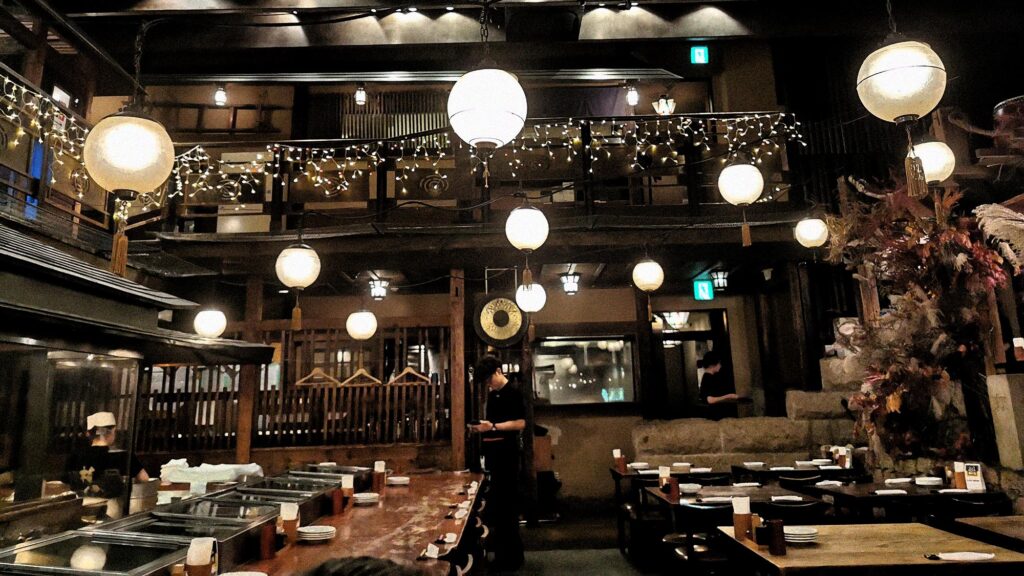
Gonpachi Nishi-Azabu
Gonpachi Nishi-Azabu is connected to Kill Bill: Vol. 1 (2003) as the inspiration for the House of Blue Leaves, the Tokyo restaurant where The Bride fights.
Shinmoedake
Shinmoedake has appeared in You Only Live Twice (1967). Its crater represent the apparently extinct volcano concealing the secret rocket base.
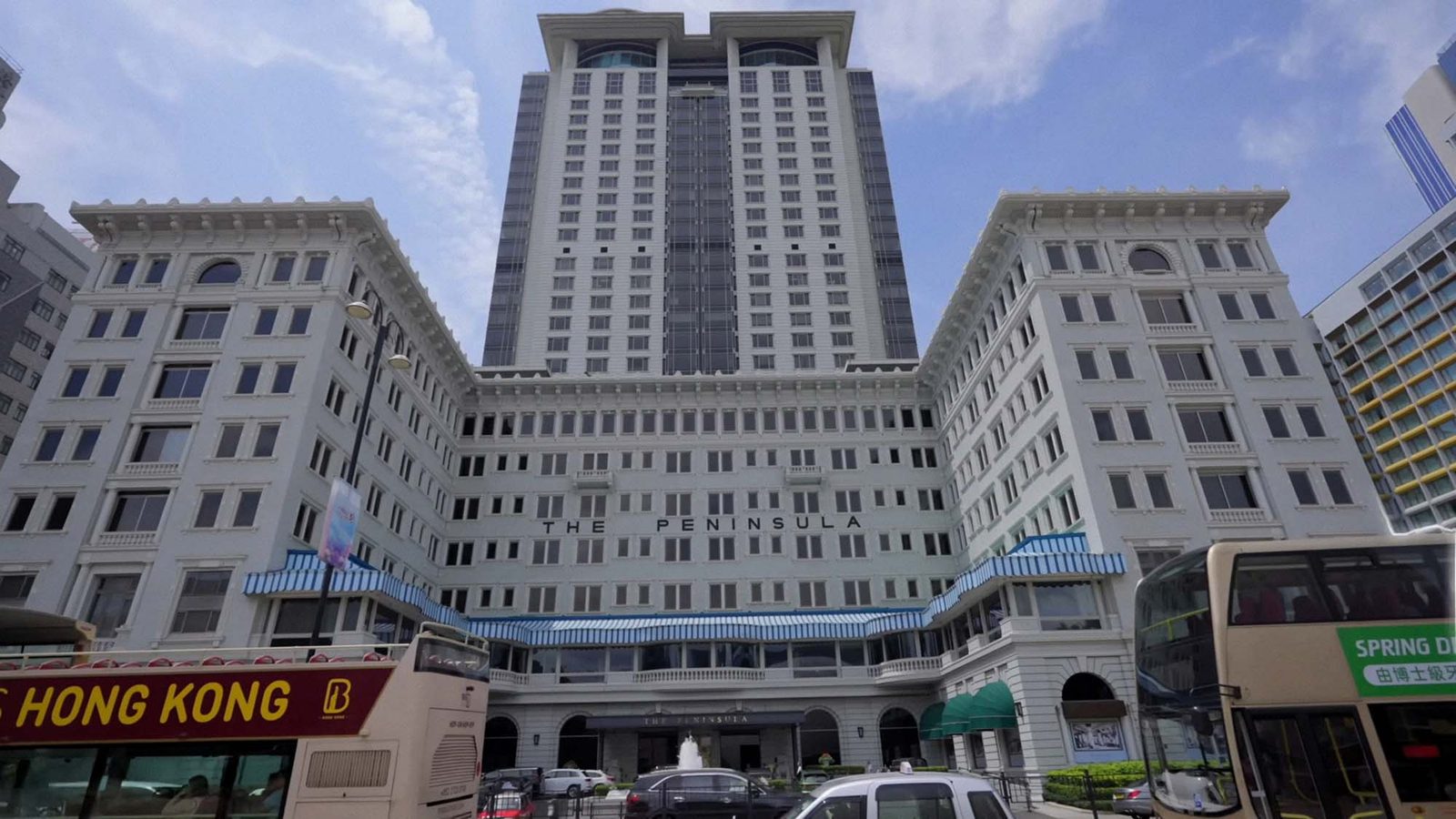
The Peninsula Hong Kong
The Peninsula Hong Kong is in Soldier of Fortune, The Man with the Golden Gun, Dynasty, Everlasting Love, Bloodsport, The Greatest Lover and many more.

Hong Kong Dragon Garden
Hong Kong Dragon Garden is in I Spy, The Peking Medallion, The Last Grenade, Men of the Dragon, The Man with the Golden Gun, The Head Hunter and more.

Wat Mahathat
Wat Mahathat has appeared in Kickboxer and Mortal Kombat: Annihilation. Its temple ruins have been used as ancient martial-arts settings in both films.

Khao Phing Kan
Khao Phing Kan, popularly known as James Bond Island, has been used in The Man with the Golden Gun (1974) and Tomorrow Never Dies (1997).

Monsoon Palace
Monsoon Palace has appeared in Octopussy (1983), Dhamaal (2007) and The Cheetah Girls: One World (2008). Its most famous screen appearance is in Octopussy.
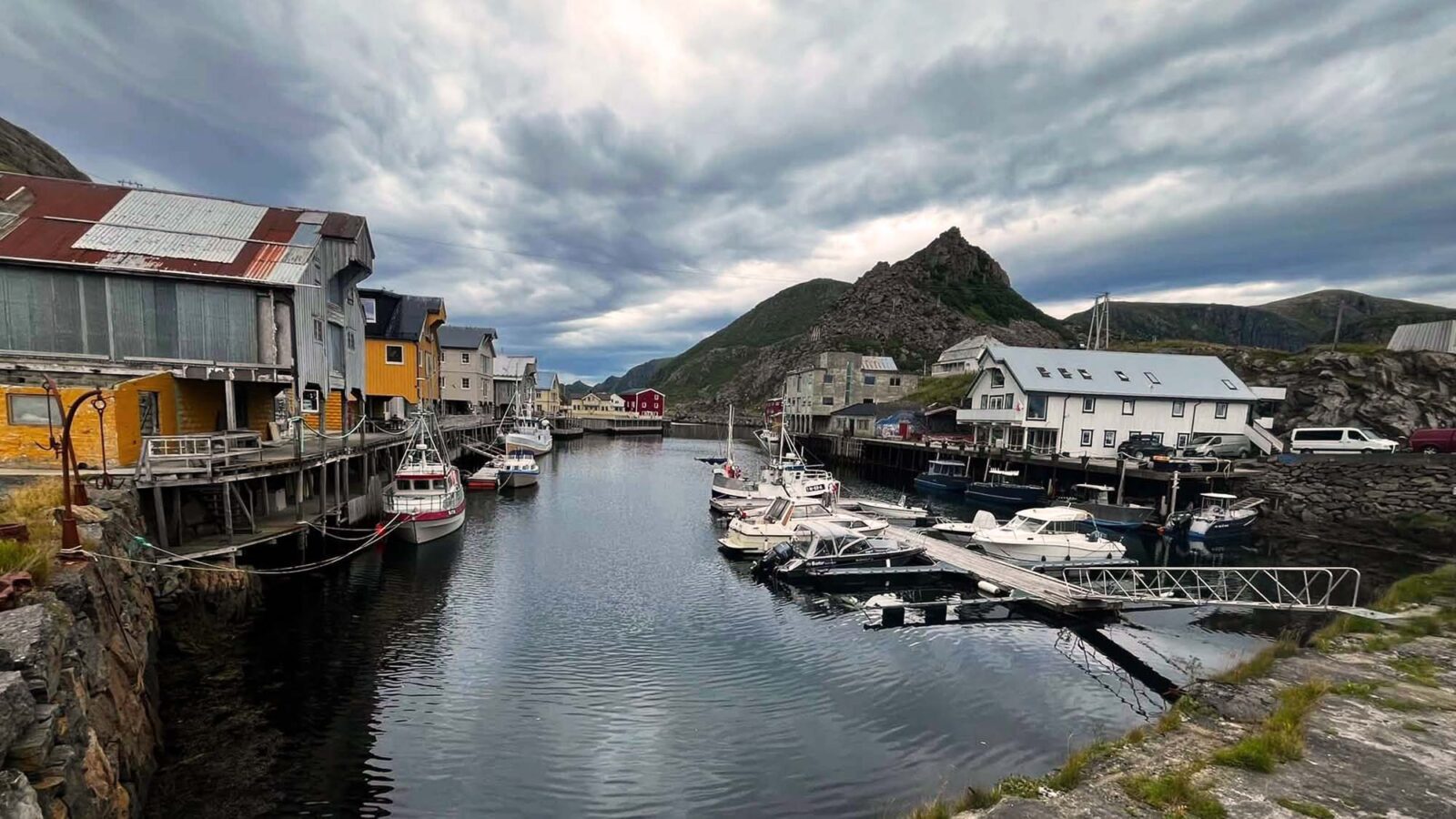
Nyksund
Nyksund appears in Etter Rubicon (1987) and Insomnia (1997). They capture the village at a time when it still looked much more abandoned than it does today.
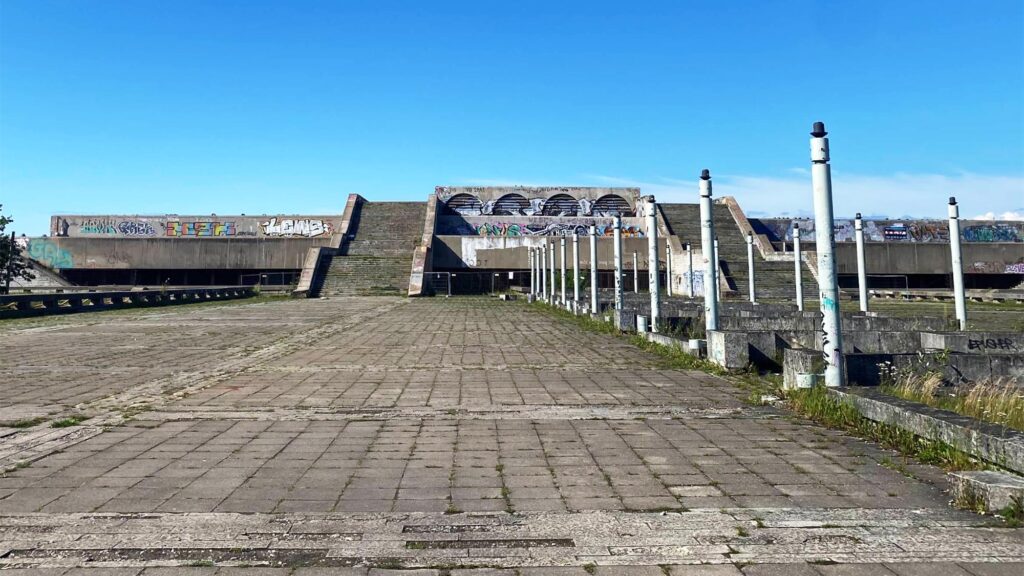
Tallinna Linnahall
Tallinna Linnahall is best known as a filming location from Tenet (2020), where it stands in for the Kyiv Opera House during the film’s opening sequence.