
Tomnadashan Mine is an abandoned nineteenth-century copper mine situated on the southern side of Loch Tay near Ardtalnaig in Perth and Kinross, Scotland. The deposit was developed by the Marquess of Breadalbane from around 1840, with washing, ore-dressing and smelting works constructed closer to the shore of the loch. The mine produced pyritic and copper-bearing ores, principally chalcopyrite and tetrahedrite, but the operation was never commercially successful and closed in 1862 after approximately twenty years of activity. The surviving site includes spoil heaps, flooded passages and a large cavern-like excavation formed by the former workings. Tomnadashan is now protected as a Site of Special Scientific Interest because of its mineral deposits and the rare metalliferous lichens growing on the mine waste.
Tomnadashan Mine has appeared in Monty Python and the Holy Grail (1975). The mine entrance and rocky hollow immediately outside it represent the Cave of Caerbannog, the lair guarded by the apparently harmless but exceptionally violent Killer Rabbit of Caerbannog.
In Monty Python and the Holy Grail (1975), Tim the Enchanter leads King Arthur and his surviving knights to the Cave of Caerbannog, where an inscription is said to reveal the location of the Holy Grail. Tim warns them that the entrance is guarded by a deadly creature, but the knights ridicule him when they see only a small white rabbit sitting outside Tomnadashan Mine. Sir Bors confidently approaches the animal and is immediately decapitated. The other knights attack together, but the rabbit kills several of them and forces Arthur to order a retreat behind the surrounding rocks. Brother Maynard then produces the Holy Hand Grenade of Antioch, which Arthur throws towards the rabbit after completing the elaborate ritual for its use. The resulting explosion allows the knights to approach the mine entrance and continue into the cave, where they discover directions to Castle Aaargh. The confrontation, retreat and grenade attack were filmed outside Tomnadashan Mine, using the real entrance, grassy hollow and surrounding rock formations. A real rabbit and a puppet were used for different parts of the attack. The later close interior shots of the inscription are not sufficiently documented as having been filmed inside the actual mine and should not be attributed to it without further evidence.
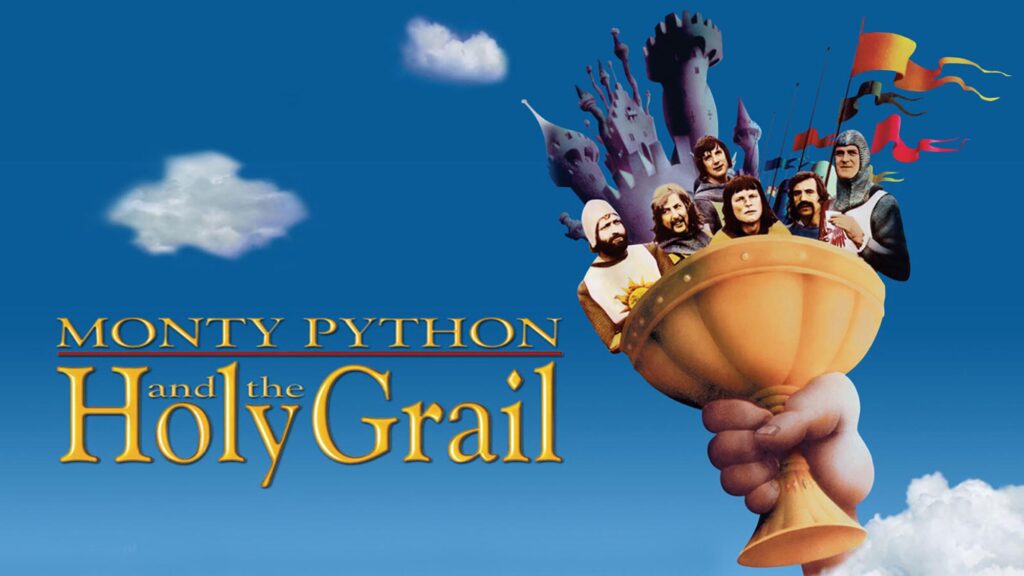
Monty Python and the Holy Grail
Monty Python and the Holy Grail (1975) was filmed primarily in Scotland, with Doune Castle in Stirling used for Camelot, Castle Anthrax, and Swamp Castle.
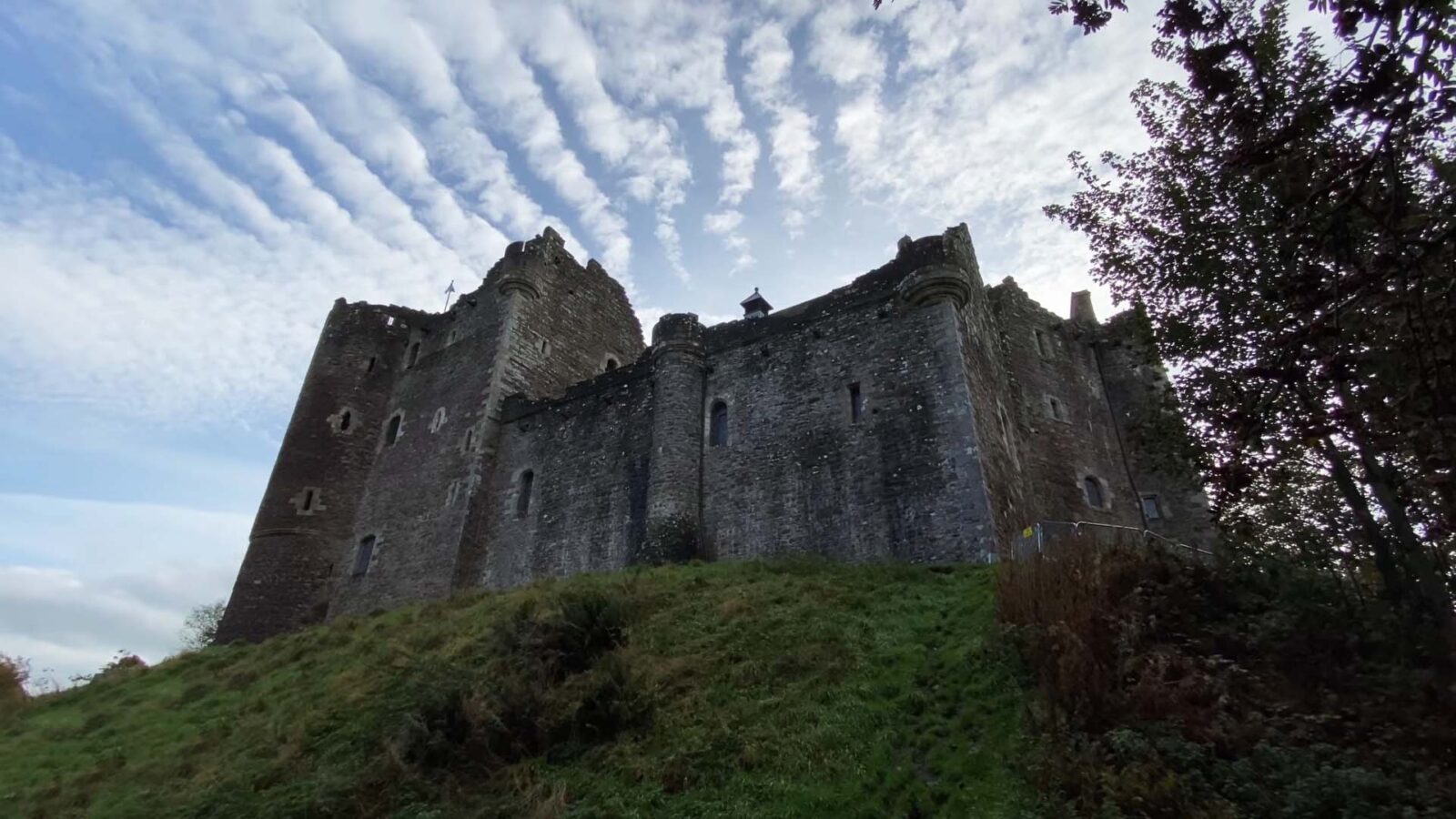
Doune Castle
Doune Castle has appeared in Monty Python and the Holy Grail (1975), Game of Thrones (2011–2019), Outlander (2014–2026) and Outlaw King (2018).
Tibbermore Church
Tibbermore Church has appeared in Outlander. Its interior represent the church in Cranesmuir, where Claire Fraser and Geillis Duncan are tried for witchcraft.
Stirling Castle
Stirling Castle is one of Scotland’s most important historic castles, standing on Castle Hill above the city of Stirling. Its position on…
Finnich Glen
Finnich Glen has appeared in The Eagle, the first season of Outlander, King Arthur: Legend of the Sword, Pokémon Detective Pikachu and The Nest.
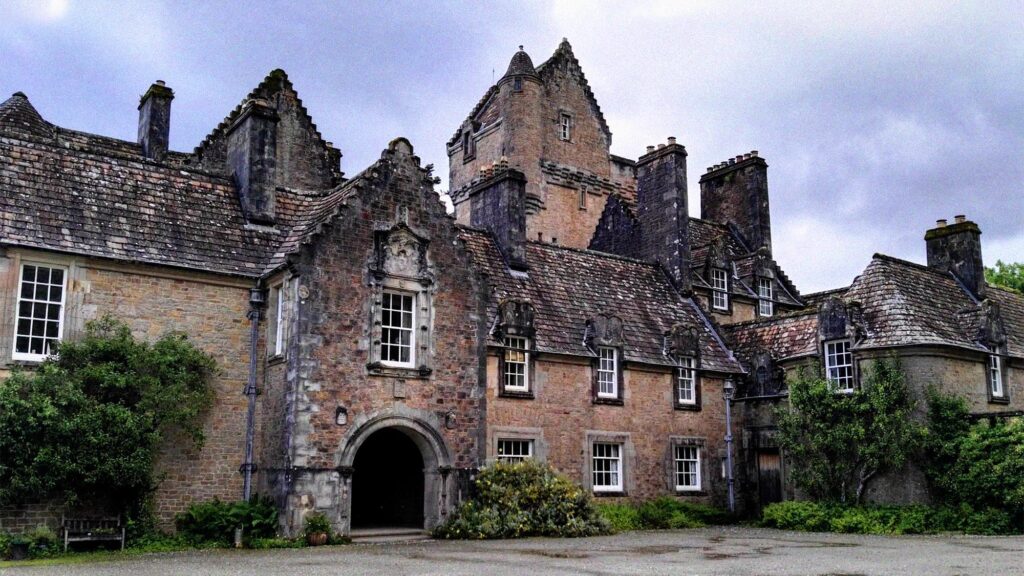
Ardkinglas House
Ardkinglas House appeare in The Crow Road, My Life So Far, The Rocket Post, The Water Horse: Legend of the Deep, Max Manus, Sense8, Behind Her Eyes and more.
Linlithgow Palace
Linlithgow Palace appeared in Outlander (2014–2026) and Outlaw King (2018). Its entrance passage, stone corridors and staircases represented Wentworth Prison.
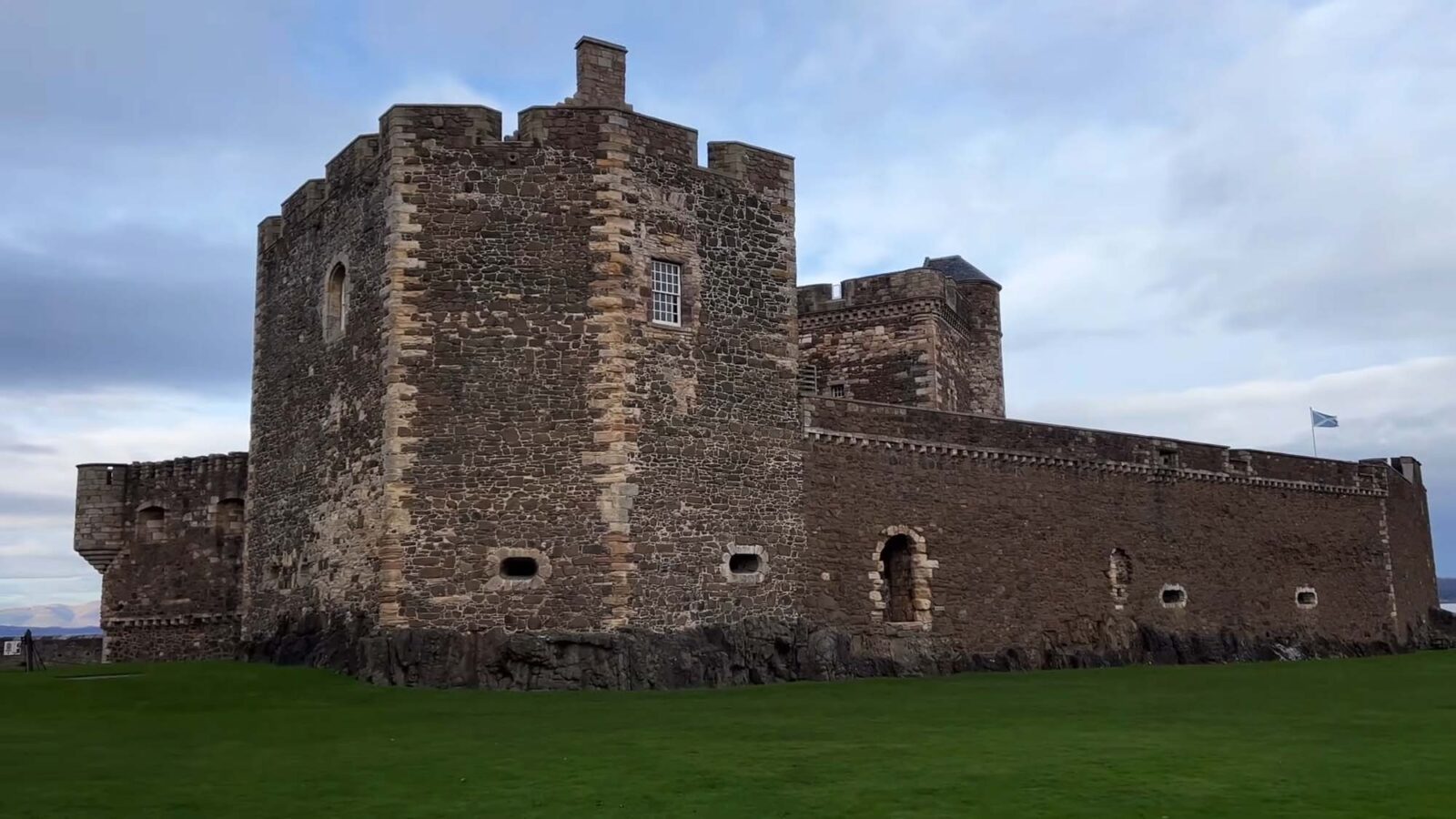
Blackness Castle
Blackness Castle has appeared in Hamlet, The Bruce, Ivanhoe, Macbeth, Doomsday, Outlander, Mary Queen of Scots and Outlaw King.
Midhope Castle
Midhope Castle is a ruined tower house in Scotland, and has appeared in Outlander (2014–2026) and Outlander: Blood of My Blood (2025–).
Hopetoun House
Hopetoun House appeared in Shoebox Zoo, Rebus, Arn: The Knight Templar, Starting Over, The 39 Steps, Outlander, The Secret Agent and many more.