
The Centre Pompidou, formally the Centre national d’art et de culture Georges-Pompidou, is a major cultural complex in the Beaubourg district of the 4th arrondissement of Paris, France. The project was initiated by French president Georges Pompidou in 1969 as a new multidisciplinary centre bringing modern art, a large public library and other forms of contemporary culture together in one institution. An international architectural competition attracted 681 proposals, with the radical design submitted by Renzo Piano, Richard Rogers and Gianfranco Franchini selected in 1971. Working with engineers Ove Arup & Partners, the architects effectively turned the building inside out, placing structural elements, escalators and technical services on the exterior in order to leave large, flexible spaces inside. Its exposed pipes were colour-coded according to function, while the transparent external escalator known as the “Caterpillar” became one of the building’s defining features. Centre Pompidou was officially inaugurated by President Valéry Giscard d’Estaing on 31 January 1977 and opened to the public two days later. It houses the Musée national d’art moderne and Bibliothèque publique d’information and became one of the most recognisable examples of high-tech architecture in the world. The Paris building closed to the public in September 2025 for a major renovation and is scheduled to reopen in 2030.
The Centre Pompidou has appeared in Moonraker (1979), Alice Cooper in Paris (1982), La Smala (1984), L’Étudiante (1988), Le Divorce (2003), Mensonges et trahisons et plus si affinités… (2004), Seuls Two (2008) and Bastille Day (2016). Its exposed structure, glass walkways, exterior service pipes, upper-level galleries and rooftop Restaurant Georges have been used as a futuristic research facility, an unmistakable Paris landmark, a restaurant overlooking the city and, in Seuls Two (2008), even as part of an elaborate visual gag.
In Moonraker (1979), the Centre Pompidou becomes part of Hugo Drax’s space-shuttle research complex in California. After meeting Drax at his estate, James Bond is shown around the shuttle facility by pilot Corinne Dufour. The exterior of the complex was filmed at the Rockwell International facility in Palmdale, California, but the film suddenly shifts to Paris when Bond and Corinne walk through the glass-sided upper gallery of the Centre Pompidou. Corinne directs him to the laboratory of Dr Holly Goodhead, where Bond discovers that she is not simply a scientist but also an accomplished astronaut. The production used the Centre’s exposed steel structure and transparent circulation areas almost unchanged, allowing a building that had opened only two years earlier to pass convincingly as an advanced American aerospace facility. The fifth-floor area was used for Holly’s office, while Centre Pompidou itself identifies the adjoining level-six glazed gallery as the corridor through which Bond and Corinne approach her laboratory. The scene is a good example of how Moonraker (1979) combined locations thousands of kilometres apart to create a single fictional complex.
In Alice Cooper in Paris (1982), the Centre Pompidou provides one of the distinctive Paris locations used for the television music special starring Alice Cooper. The programme combines staged performances and music-video-style sequences filmed around the French capital rather than presenting a conventional concert. Centre Pompidou is used for “Generation Landslide ’81”, with Cooper performing against the building’s exposed pipes, steel framework and industrial-looking architecture. The location fits particularly well with the stripped-down, early-1980s visual style of this period of Cooper’s career, while the unmistakable architecture gives the performance a setting very different from a traditional stage or concert hall.
In La Smala (1984), the Centre Pompidou appears after Robert, Simone and Robert’s children travel from the provinces to Paris. As the group encounters the unfamiliar sights of the capital, the enormous modern building becomes the subject of one of the film’s jokes. Robert and Simone mistakenly interpret the Centre Pompidou as a monument or mausoleum built for former president Georges Pompidou rather than as a cultural centre, commenting on its unconventional appearance. The sequence makes direct use of how strange and controversial the building’s exposed-pipe architecture could still appear only a few years after its opening. Beaubourg and nearby Rue Saint-Martin were among the real Paris locations used as the family makes its way through the city while searching for Robert’s wife.
In L’Étudiante (1988), the Centre Pompidou is one of several recognisable Paris locations used during the relationship between literature student Valentine Ezquerra and musician Édouard Jensen. Valentine is preparing for the highly demanding agrégation examination while attempting to maintain a relationship with Édouard despite their radically different schedules and lifestyles. The production filmed extensively around Paris, including the Sorbonne, Pont Neuf, Place Dauphine and the Centre Pompidou, using real locations to place the couple firmly within contemporary Paris. The exact Centre Pompidou sequence is less extensively documented than the film’s scenes at the Sorbonne, but the building is specifically recorded among the locations used during production.
In Le Divorce (2003), Centre Pompidou appears through Restaurant Georges, located on the building’s upper level overlooking Paris. American Isabel Walker becomes involved with Edgar Cosset, the married uncle of her sister Roxy’s estranged French husband. After Isabel sees Edgar taking part in a television discussion, she telephones him and compliments his performance. Edgar invites her to lunch and explicitly tells her to meet him at the Pompidou Centre, “up on the roof” at Café Georges. Their lunch was filmed in the real restaurant, with the elevated position providing views across the Paris skyline. The meeting marks an important stage in their developing affair, as Edgar begins schooling Isabel in French manners while their initially casual acquaintance becomes increasingly intimate.
In Mensonges et trahisons et plus si affinités… (2004), Restaurant Georges at the Centre Pompidou provides the setting for a dinner involving Raphaël, a professional ghostwriter played by Édouard Baer. Raphaël earns his living writing autobiographies for celebrities while struggling with his own romantic and professional problems. During the scene at Georges, he becomes distracted by the conversation taking place at a neighbouring table and listens in rather than concentrating solely on his own dinner. The restaurant’s highly distinctive interior, designed by Jakob + MacFarlane, and its position on the sixth floor of Centre Pompidou are clearly visible. Unlike Moonraker (1979), which disguises the building as an American research facility, the film uses the location as the fashionable Paris restaurant it actually is.
In Seuls Two (2008), the Centre Pompidou becomes part of the enormous playground created when police officer Gervais suddenly discovers that almost everyone in Paris has disappeared except for the criminal Curtis whom he has spent years trying to arrest. The pair take advantage of the deserted capital, moving through landmarks including the Arc de Triomphe, Musée Grévin, Stade de France and Centre Pompidou. At Beaubourg, Curtis cuts a section from one of the building’s exposed service ducts to improvise a blowpipe and fires a dart through it. The projectile travels through the pipe system only to rebound and strike Curtis himself, knocking him unconscious. The gag makes unusually direct use of the building’s famous “inside-out” architecture rather than simply placing the characters in front of a recognisable Paris landmark.
In Bastille Day (2016), also released as The Take, the Centre Pompidou was among the real Paris locations used for James Watkins’ action thriller. The story follows American pickpocket Michael Mason, who becomes implicated in a bombing after stealing a bag containing an explosive device, and CIA operative Sean Briar, who gradually realises that Mason is being used as part of a much larger conspiracy. Production took place extensively on the streets of Paris, with Centre Pompidou officially recorded among the locations used in the 4th arrondissement alongside other central Paris sites. Unlike the more easily identifiable sequences in Moonraker (1979), Le Divorce (2003) and Seuls Two (2008), available production records do not clearly isolate the finished Centre Pompidou shots from the film’s numerous fast-moving Paris street sequences.
MOONRAKER (1979)
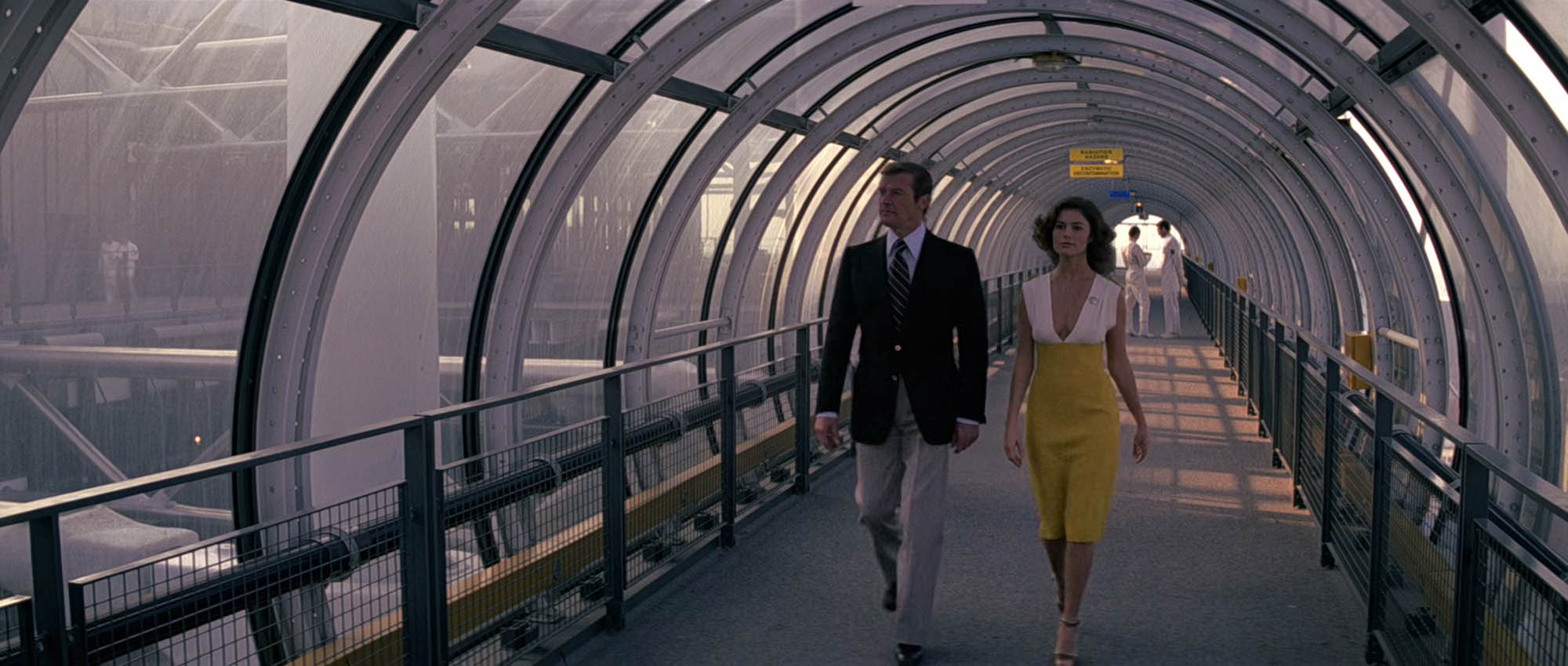
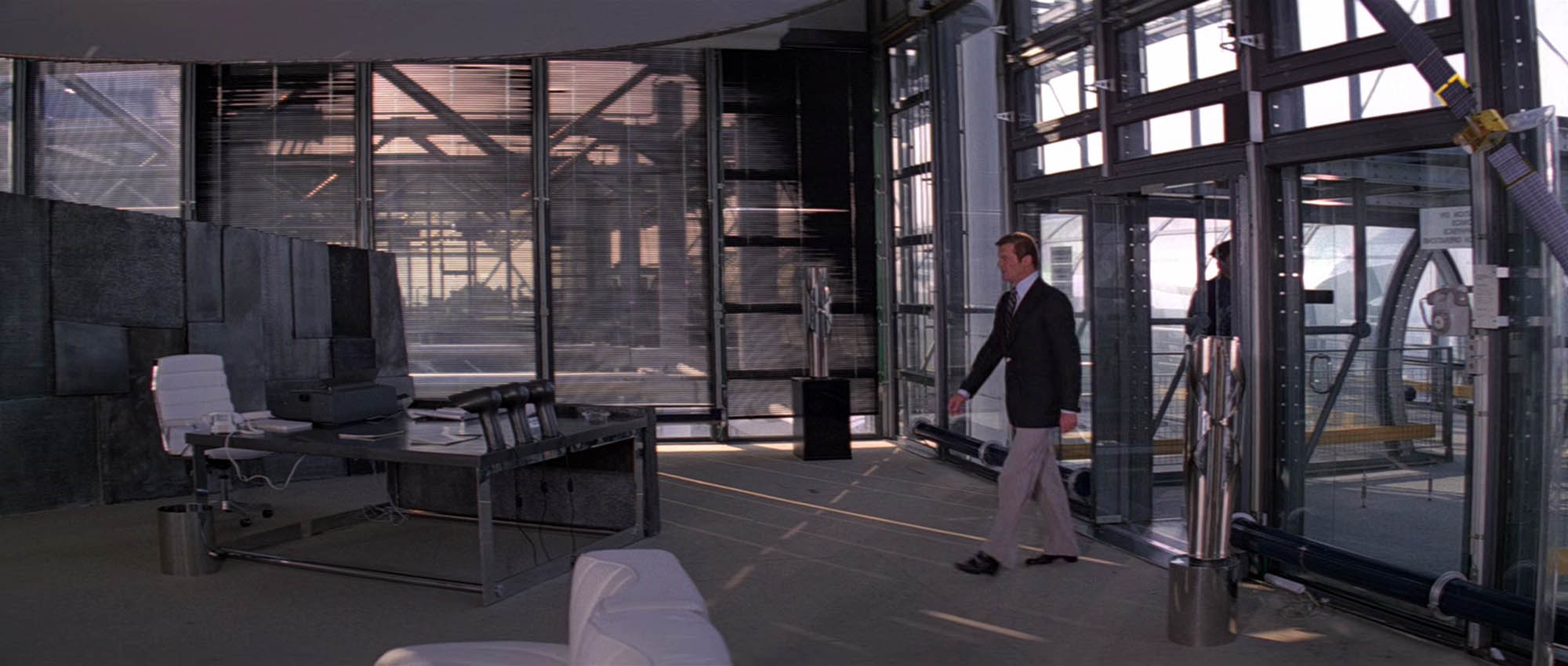


Centre Pompidou (2018)
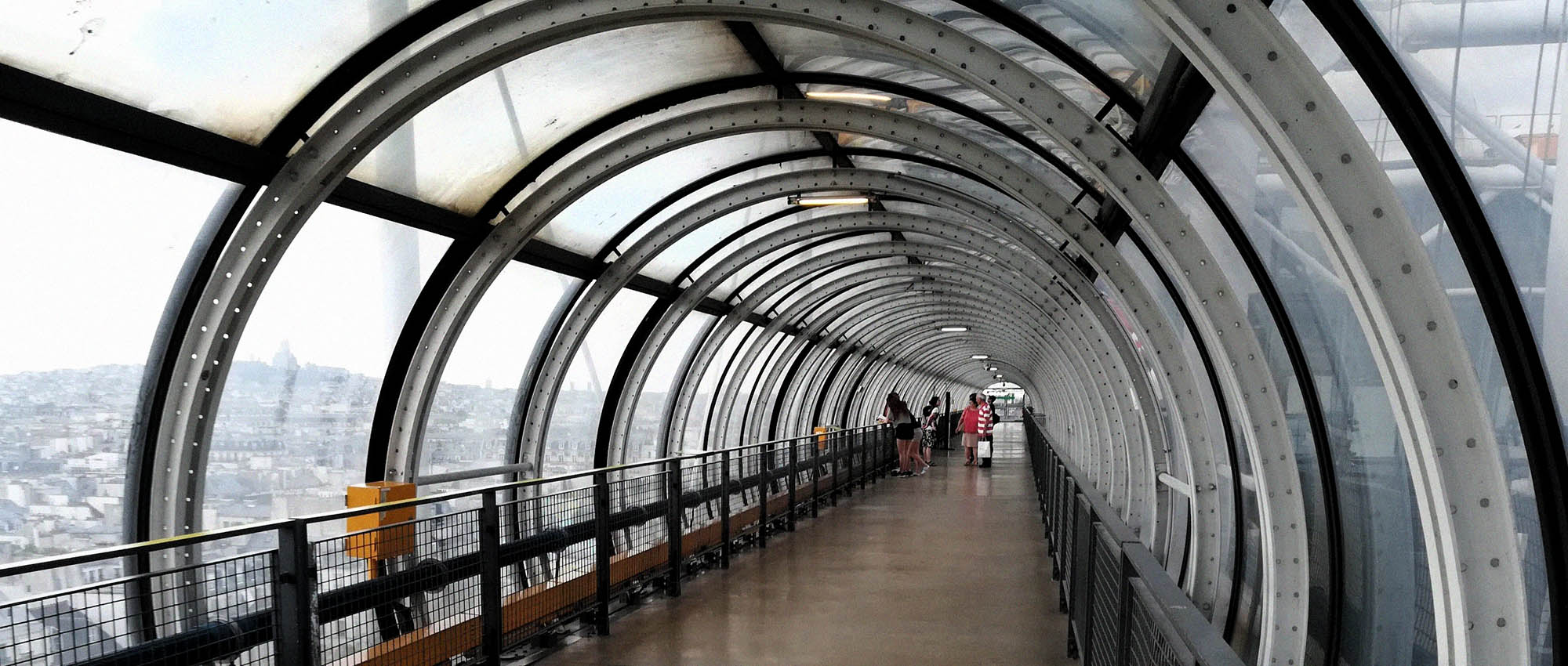
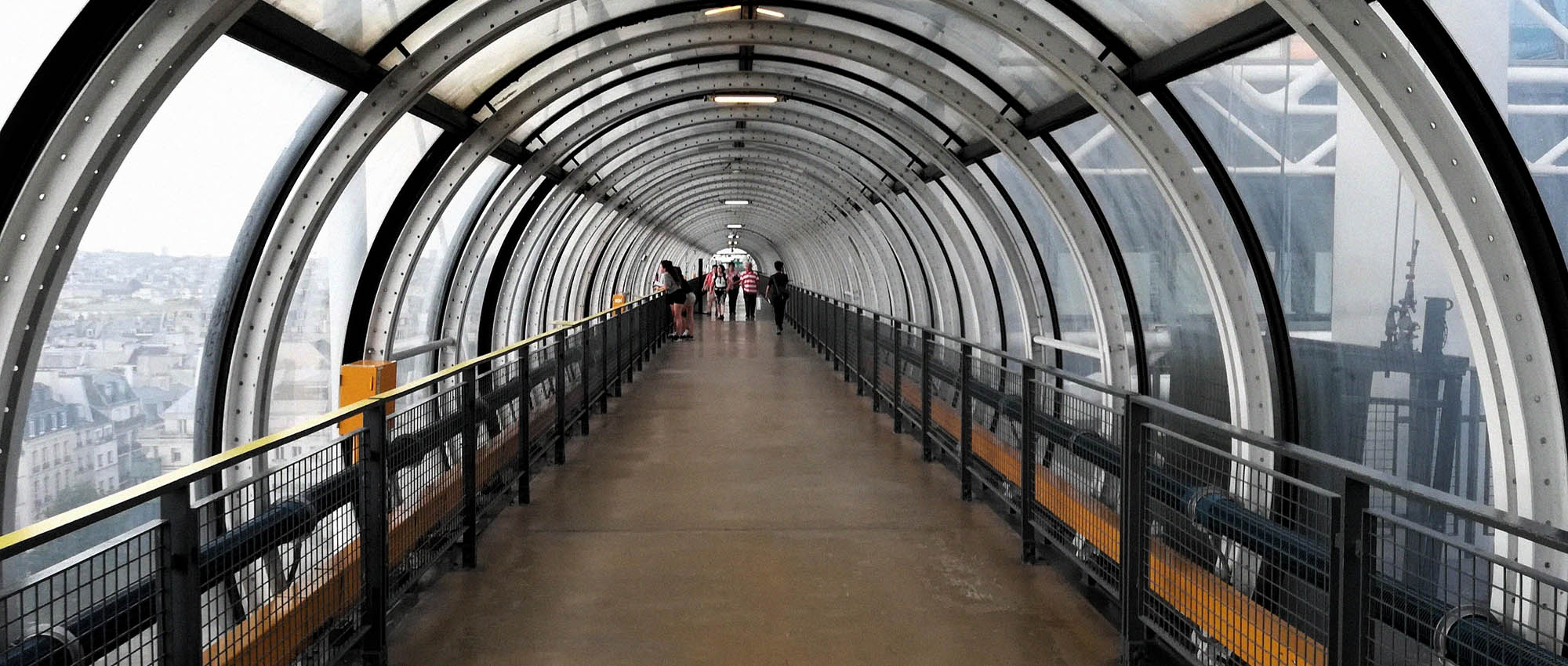



Moonraker
Moonraker (1979) was filmed across France, Italy, Brazil, Guatemala, the United States and England, with real locations often standing in for other places.
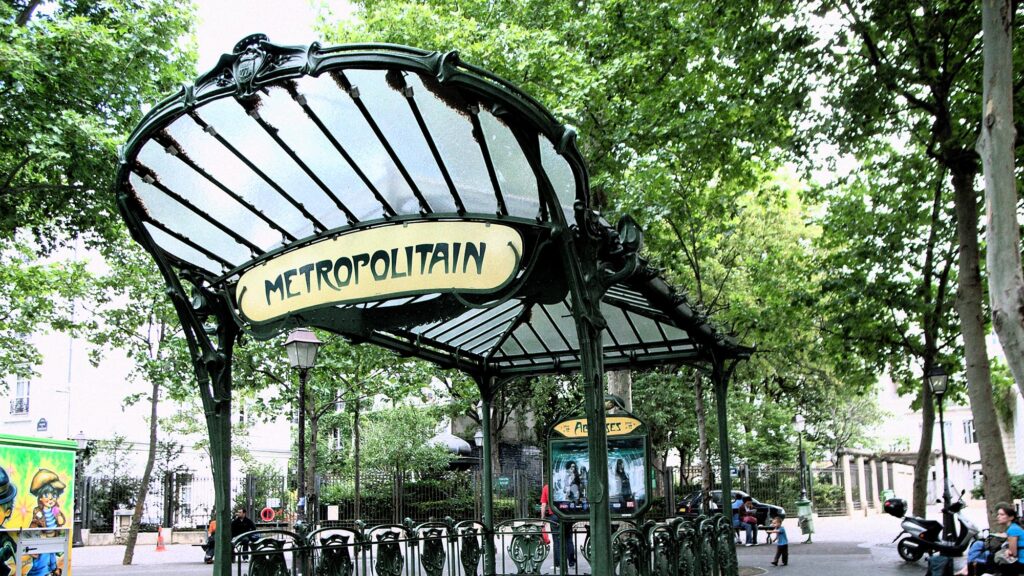
Abbesses Metro Station
Abbesses is a famous, historic Paris Métro station on Line 12 in Montmartre, renowned as the deepest station in the network at roughly 36 meters below ground.
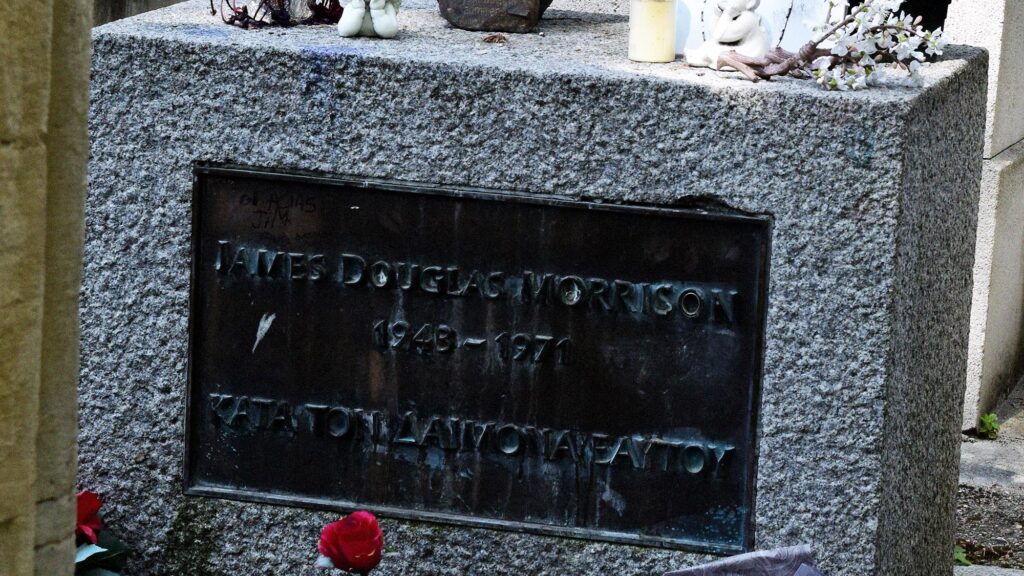
Jim Morrison’s Grave
Jim Morrison’s Grave appears in The Doors (1991) and The Walking Dead: Daryl Dixon (2023–). Both productions use the real grave in Père Lachaise Cemetery.
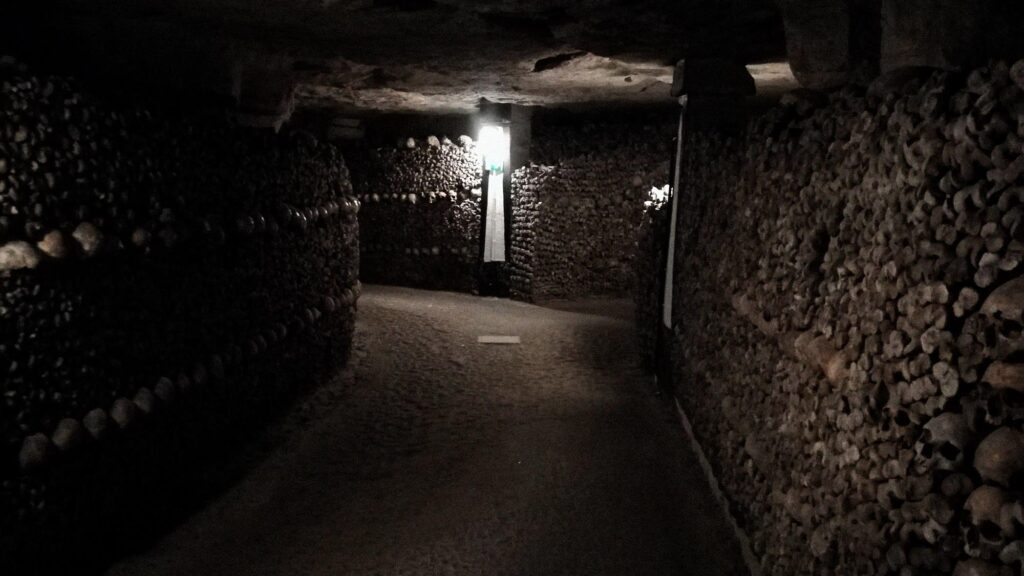
Catacombs of Paris
The Catacombs of Paris are most closely associated with "As Above, So Below" (2014). The location also appears in "The Walking Dead: Daryl Dixon" (2023–).
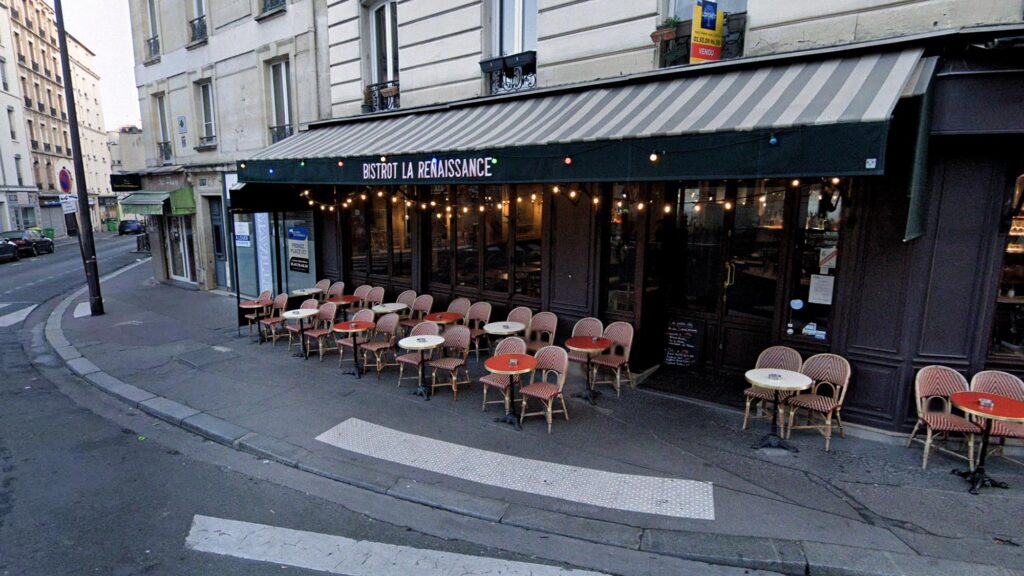
Bistrot La Renaissance
Bistrot La Renaissance is in Inglourious Basterds (2009), Le Mouton enragé (1974), Le Sang des autres (1984), My New Partner (1984) and Animal (2005).
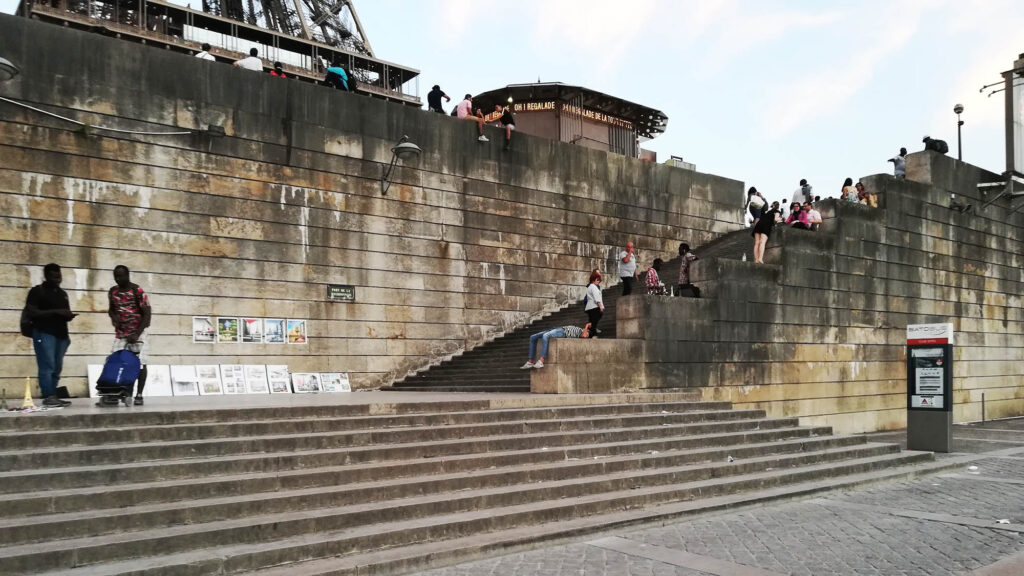
Pont d’Iéna Stairs
Pont d’Iéna Stairs appears in A View to a Kill (1985). The stairway is used as part of one of the film’s best-known Paris action sequences.
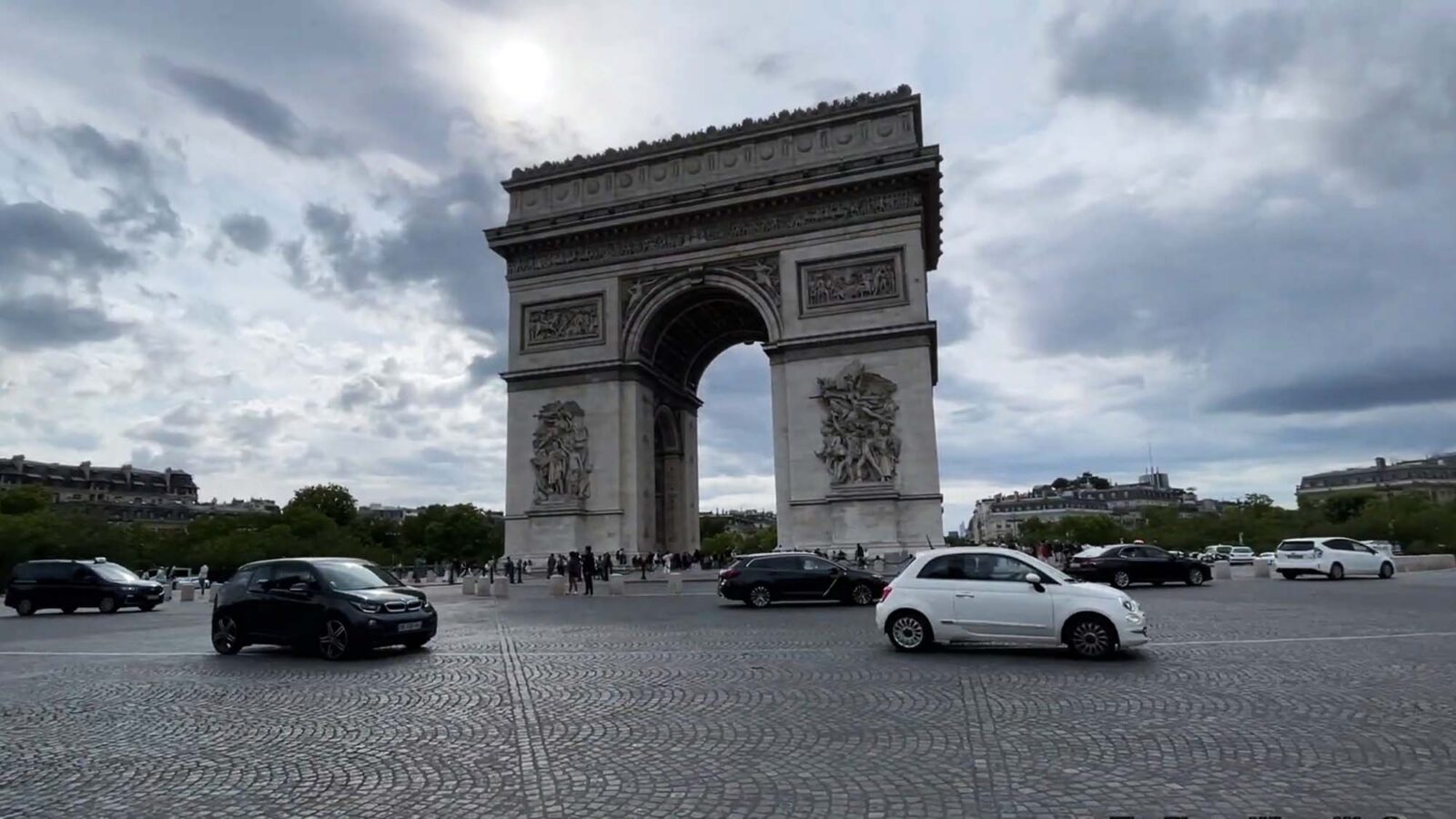
Arc de Triomphe
Arc de Triomphe has appeared in The Day of the Jackal, Ronin, National Treasure: Book of Secrets, Taken, Mission: Impossible – Fallout and Blindspot.
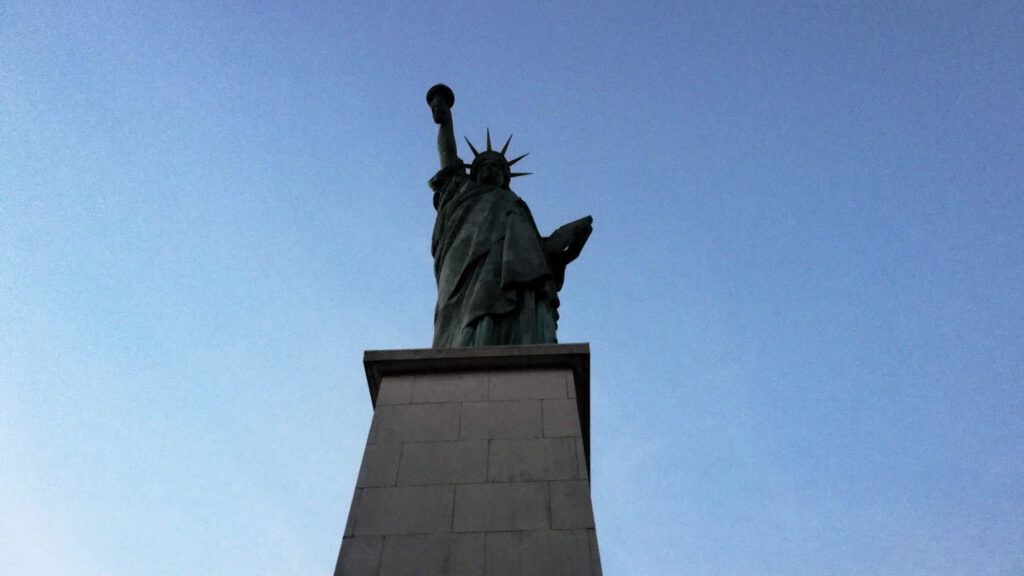
Statue of Liberty in Paris
Statue of Liberty in Paris appears in Frantic (1988), National Treasure: Book of Secrets (2007), Lost in Paris (2016), and The Fall (2006).
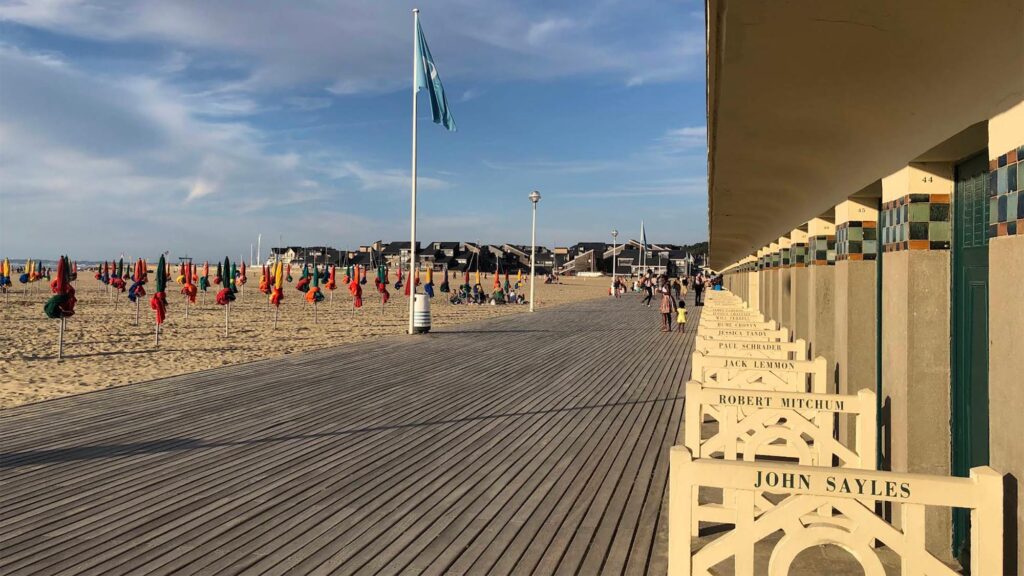
Deauville Beach Cabins
The Deauville beach cabins have appeared in both A Man and a Woman and Sentimental Value.
Quadrophenia Alley
Quadrophenia Alley is a narrow pedestrian passage between 10 and 11 East Street in central Brighton, England, running from East Street towards…