
St John the Evangelist Church is a medieval parish church in the small village of Rushford, Norfolk, England, approximately three miles east of Thetford. The church stands on Church Lane, surrounded by a secluded churchyard and the surviving buildings of a medieval religious college. Its origins date to 1342, when Edmund Gonville, who also founded Gonville College at the University of Cambridge, established a collegiate church dedicated to St John the Evangelist. The institution accommodated a master and five priests, with residential and administrative buildings arranged around a courtyard immediately south of the church. Originally constructed on a cruciform plan, the church was considerably larger than the building that survives today, with a nave, chancel, transepts and a substantial western tower. The college was dissolved during the English Reformation, and the chancel and transepts were demolished in 1542. Much of the remaining structure subsequently fell into disrepair, and parts of the former religious complex were converted to agricultural use. The church underwent substantial alterations during the late sixteenth century, including the reconstruction of its eastern wall and the installation of the thatched roof that remains one of its most distinctive features. Its exterior is constructed primarily from flint with limestone dressings, while the tall square tower retains medieval windows, diagonal buttresses and a narrow staircase turret. Further repairs and alterations took place during the nineteenth century, and a small apsidal chancel was added in 1904. Inside, the church retains medieval architectural fragments alongside Victorian furnishings, wooden pews, a carved screen and decorative wall paintings. The neighbouring college buildings, now used as a private residence, also preserve substantial elements of the fourteenth-century complex. St John the Evangelist was designated a Grade I listed building in 1958, recognising its exceptional historical and architectural importance. Its largely unchanged medieval exterior and isolated rural surroundings also attracted filmmakers looking for authentic locations representing seventeenth-century England.
St John the Evangelist Church appears in Witchfinder General (1968), the British historical horror film directed by Michael Reeves and starring Vincent Price. The church and its neighbouring college buildings represent the church and rectory of John Lowes, a priest living in the fictionalised version of Brandeston, Suffolk, during the English Civil War. Several exterior scenes were filmed around the churchyard and surrounding buildings, including the arrival of Richard Marshall on horseback and subsequent sequences involving Lowes and his young ward Sara. The production made extensive use of historic locations throughout Norfolk and Suffolk, with Rushford providing one of the principal settings for the events that lead to the film’s central story of persecution and revenge.
In Witchfinder General (1968), the historical horror film directed by Michael Reeves, St John the Evangelist Church and the neighbouring medieval college buildings represent the parish church and rectory of John Lowes, played by Rupert Davies, in the Suffolk village of Brandeston. Lowes lives beside the church with his young ward Sara, played by Hilary Dwyer, who is romantically involved with Richard Marshall, a Parliamentary soldier played by Ian Ogilvy. The location first appears when Richard arrives on horseback, riding through the entrance gates towards the rectory. Richard hopes to marry Sara and seeks the approval of Lowes, who is concerned about her safety during the English Civil War and the growing persecution of people accused of witchcraft. The church and adjoining buildings appear several times throughout the Brandeston sequences, with Reeves using different angles to establish the relationship between the church, the rectory and the surrounding grounds. Several shots show characters approaching the house, while wider views from behind the church reveal its distinctive medieval tower and flint walls. These scenes establish the home that Sara and Lowes share before their lives are disrupted by the arrival of witchfinder Matthew Hopkins, played by Vincent Price, and his assistant John Stearne, played by Robert Russell. The exterior scenes were filmed at Rushford during the autumn of 1967, while the production’s principal interior sets were constructed in converted aircraft hangars near Bury St Edmunds.
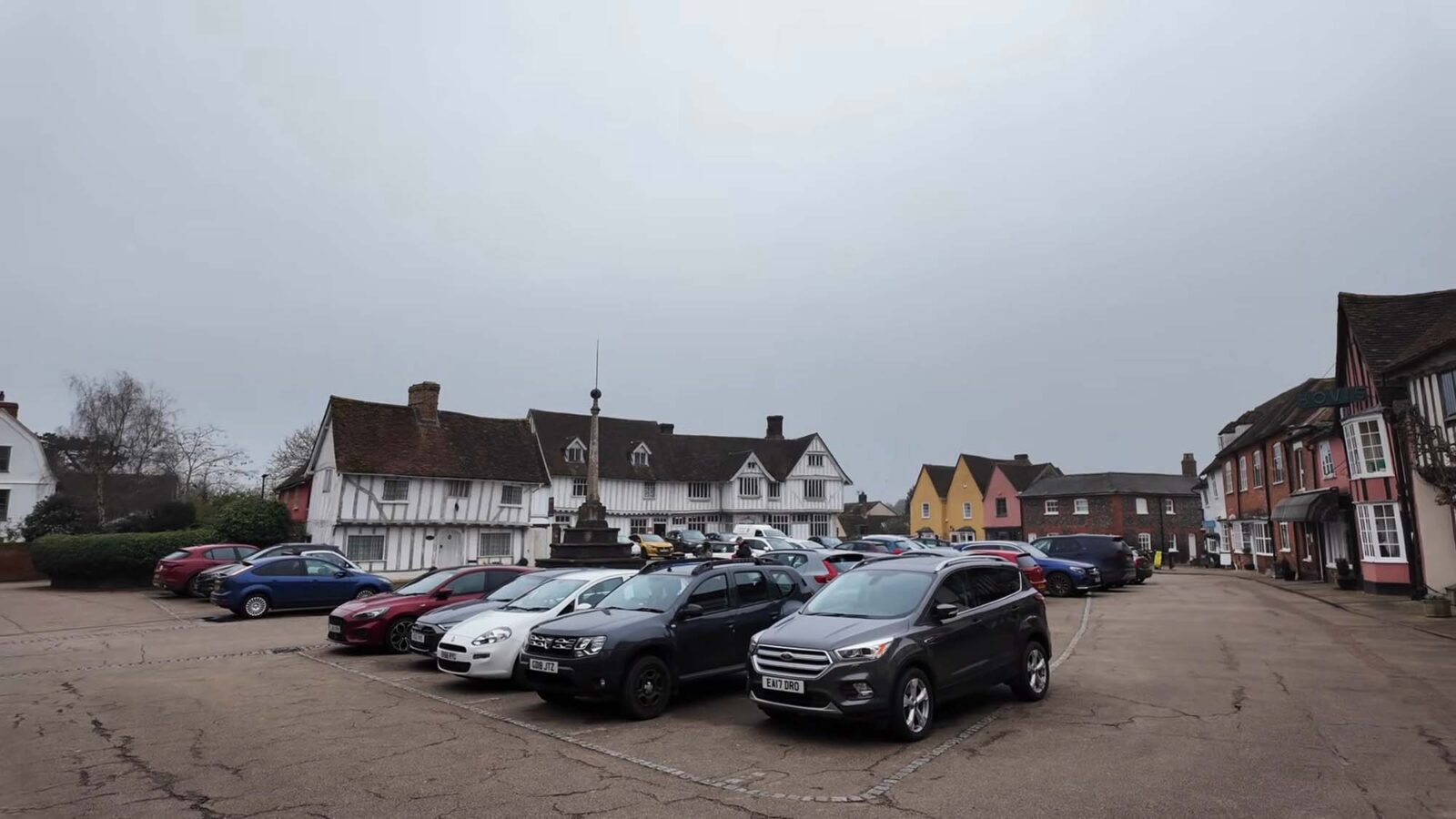
Lavenham Market Square
Lavenham Market Square is in Witchfinder General, The Canterbury Tales, Playing Away, Lovejoy, Harry Potter and the Deathly Hallows: Part 1 and The Strays.
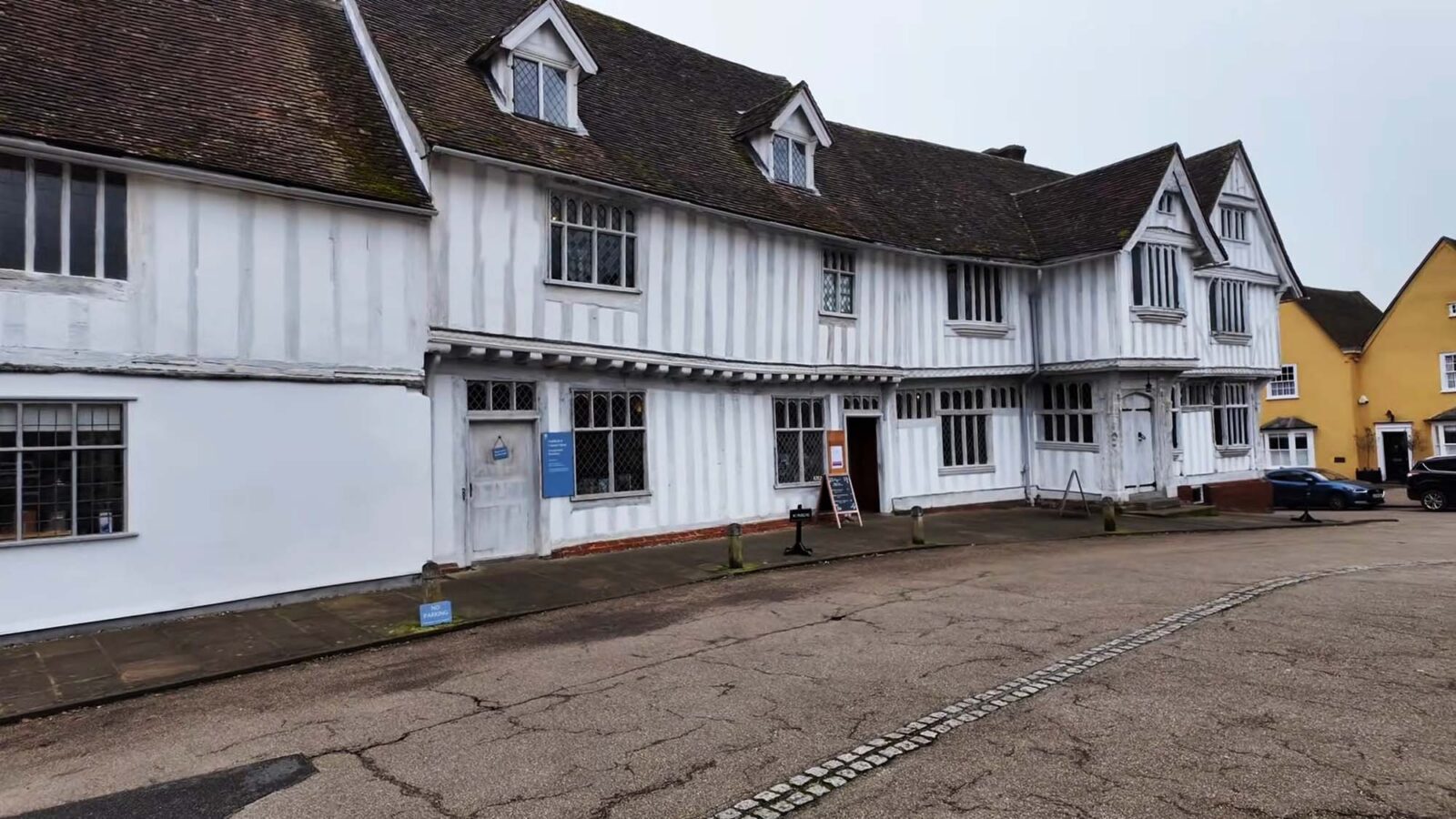
Lavenham Guildhall
Lavenham Guildhall is in Witchfinder General (1968), The Canterbury Tales (1972), Barry Lyndon (1975) and Harry Potter and the Deathly Hallows: Part 1 (2010).
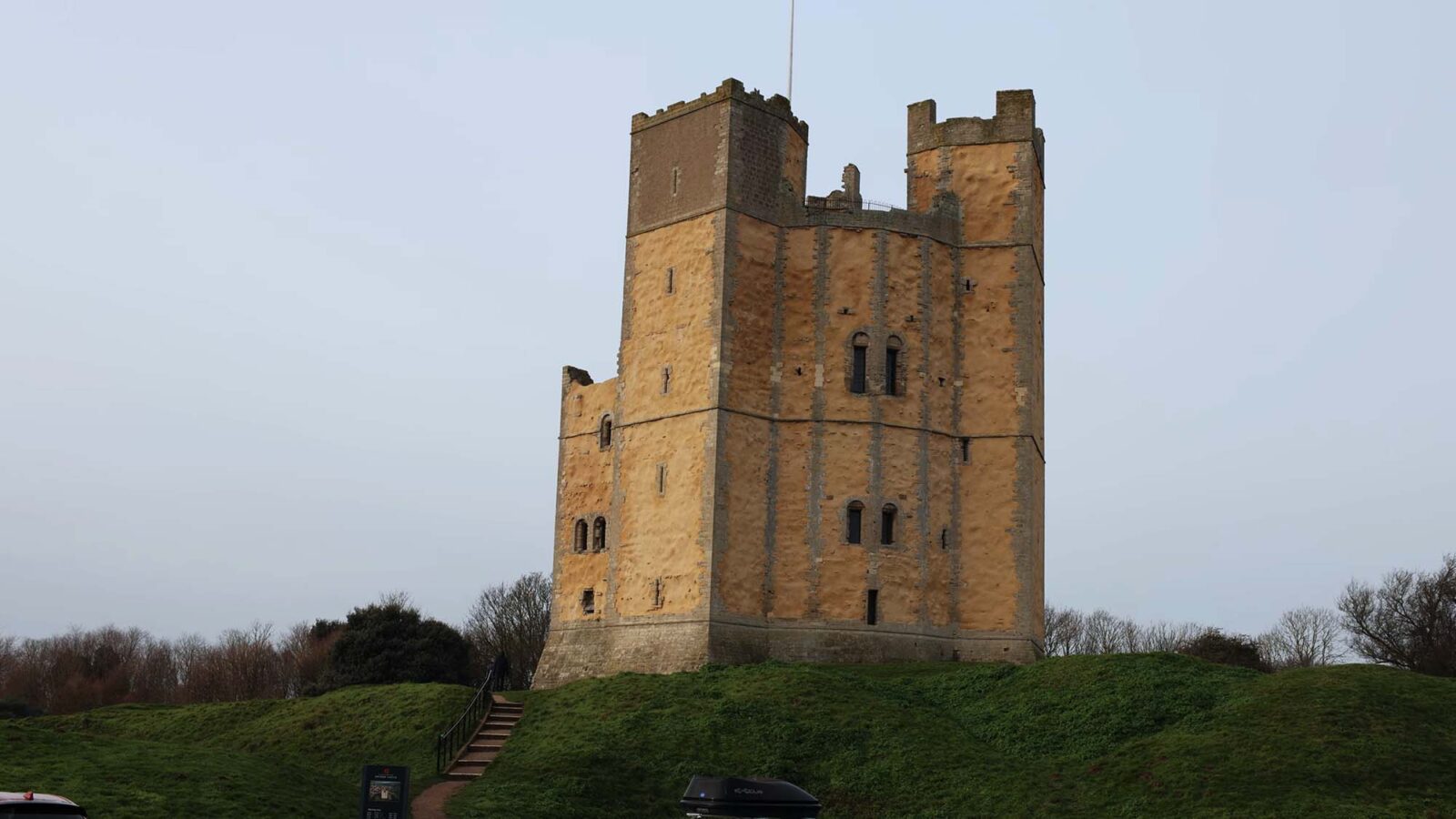
Orford Castle
Orford Castle appears in Witchfinder General (1968), the British historical horror film directed by Michael Reeves and starring Vincent Price.
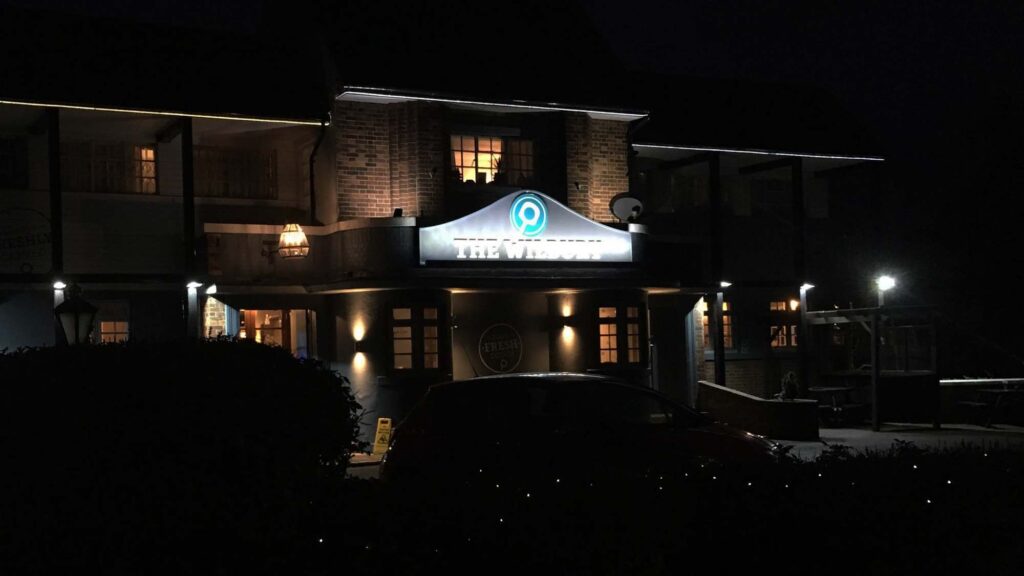
The Wilbury
The Wilbury has appeared in The World’s End (2013), where it was used as the fictional pub that gives the film its title and serves as the final destination.
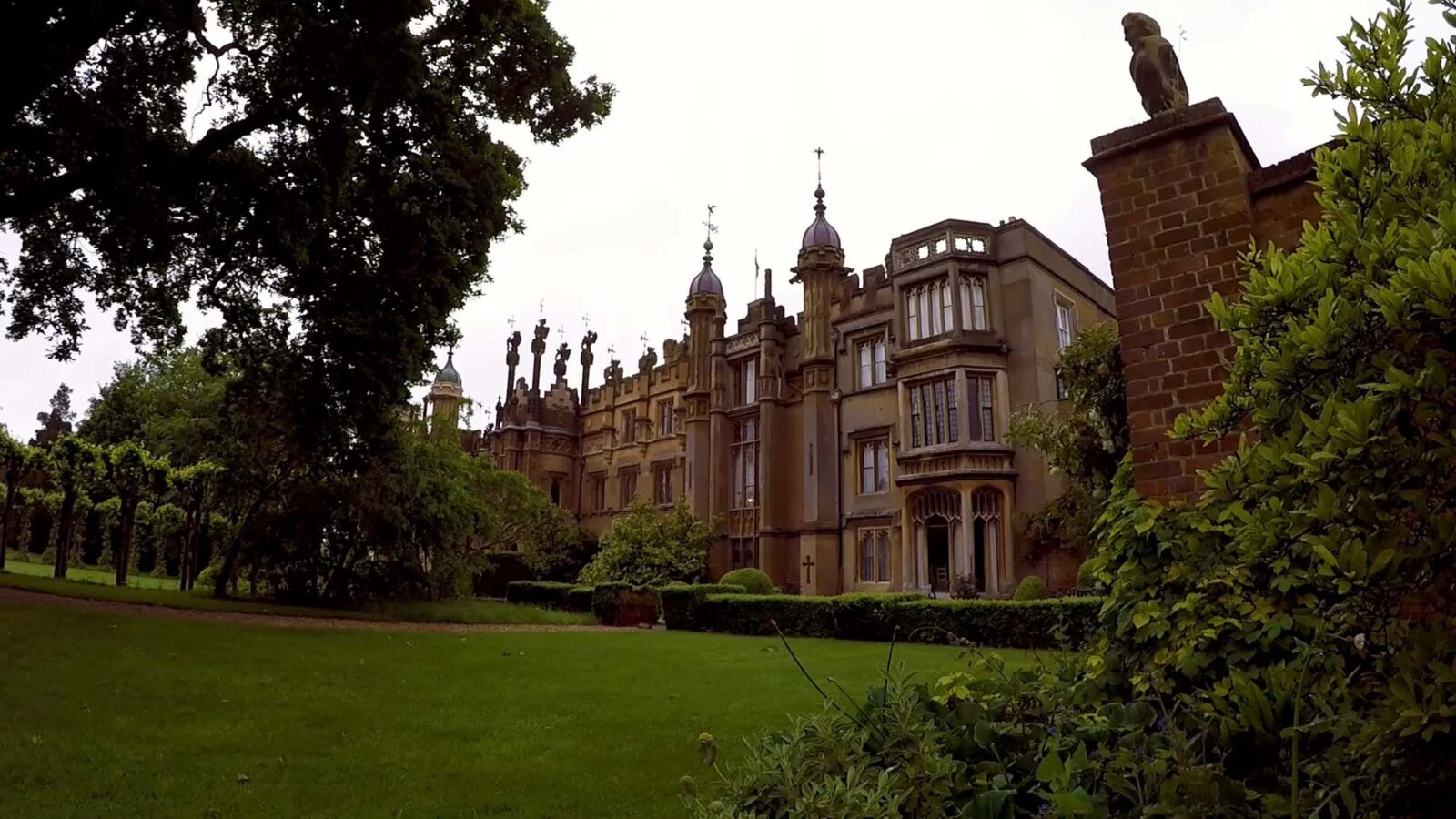
Knebworth House
Knebworth House appeared in The Great Muppet Caper, The Shooting Party, The Lair of the White Worm, Batman, The Wings of the Dove, and many more.
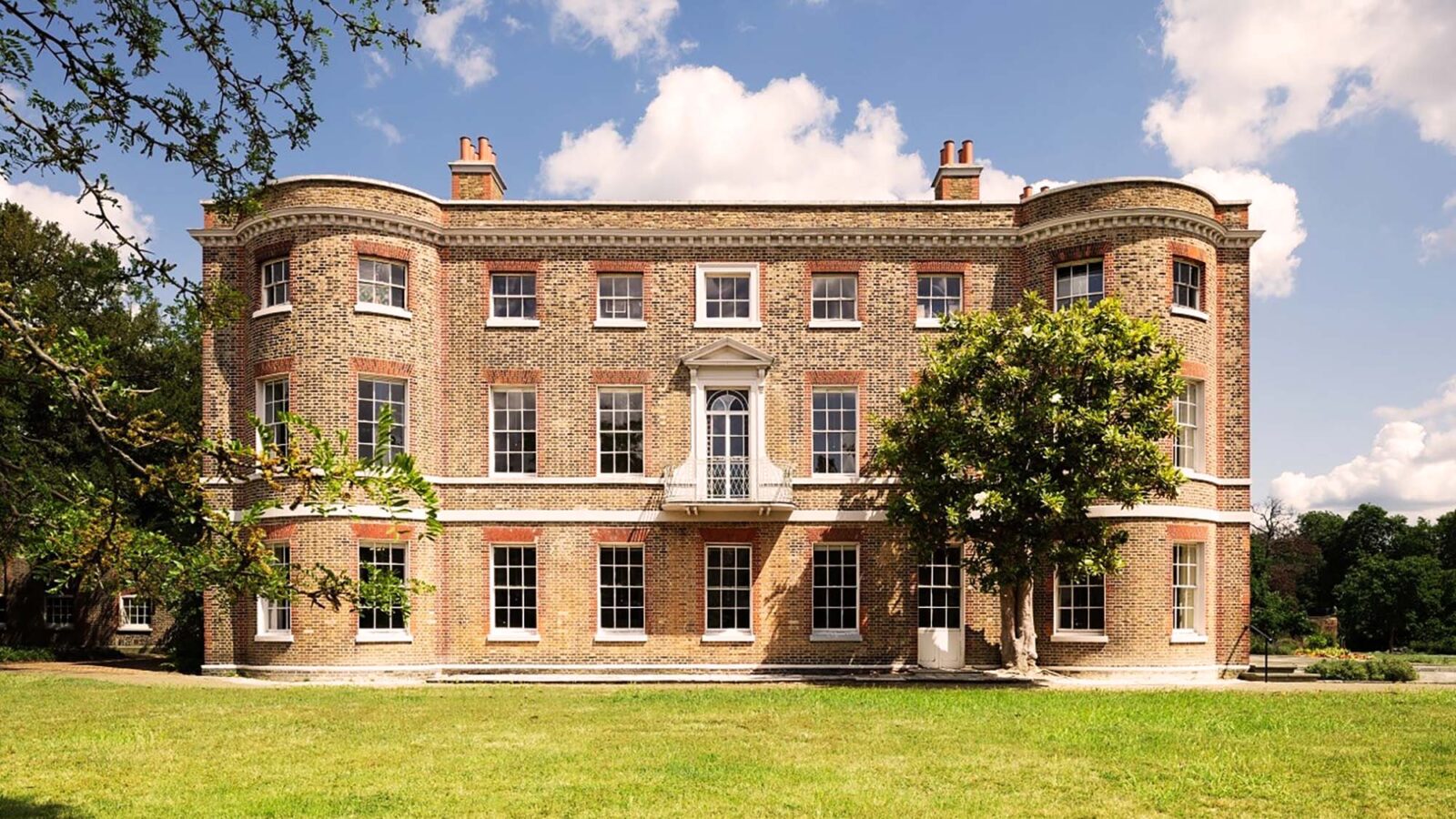
Valentines Mansion and Gardens
Valentines Mansion and Gardens is a historic mansion and garden estate in Ilford, in the London Borough of Redbridge. The house stands…
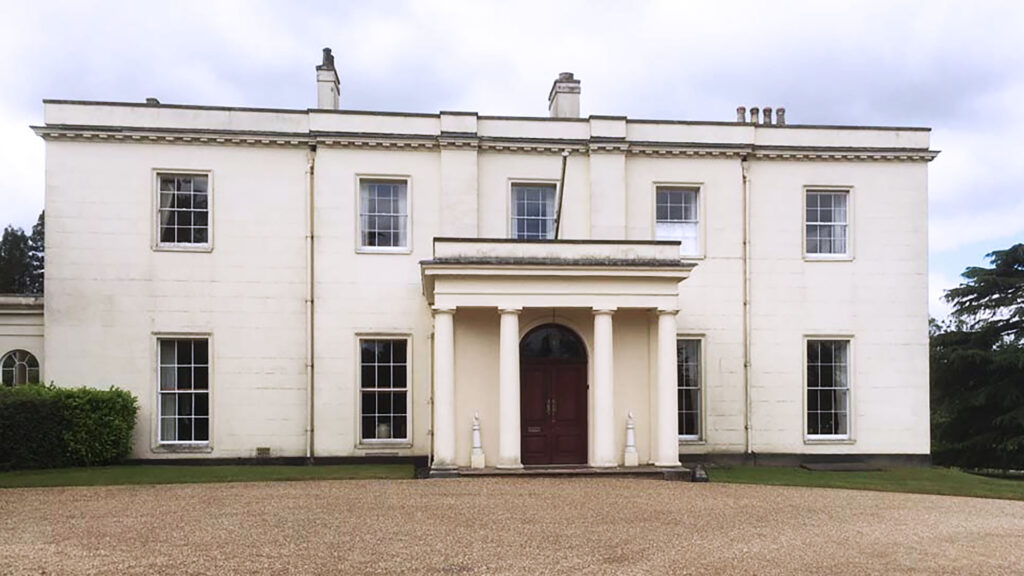
High Canons
High Canons appears in The Devil Rides Out, The Satanic Rites of Dracula, Murder on the Orient Express, Half Moon Street, and many more.
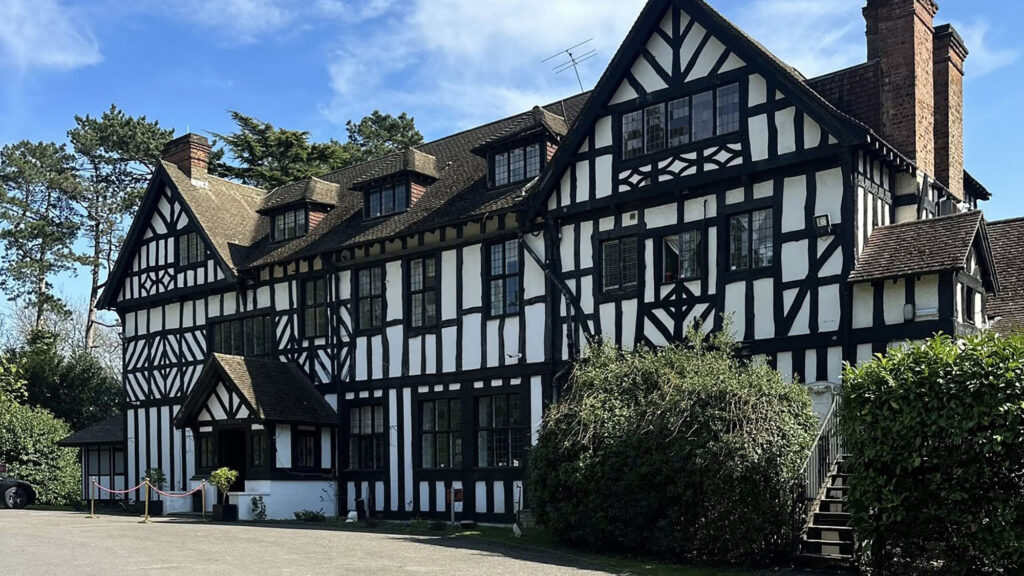
The Manor Elstree
The Manor Elstree has appeared in productions including School for Scoundrels, The Devil Rides Out, A Clockwork Orange, Stardust, Hot Fuzz, and many more.
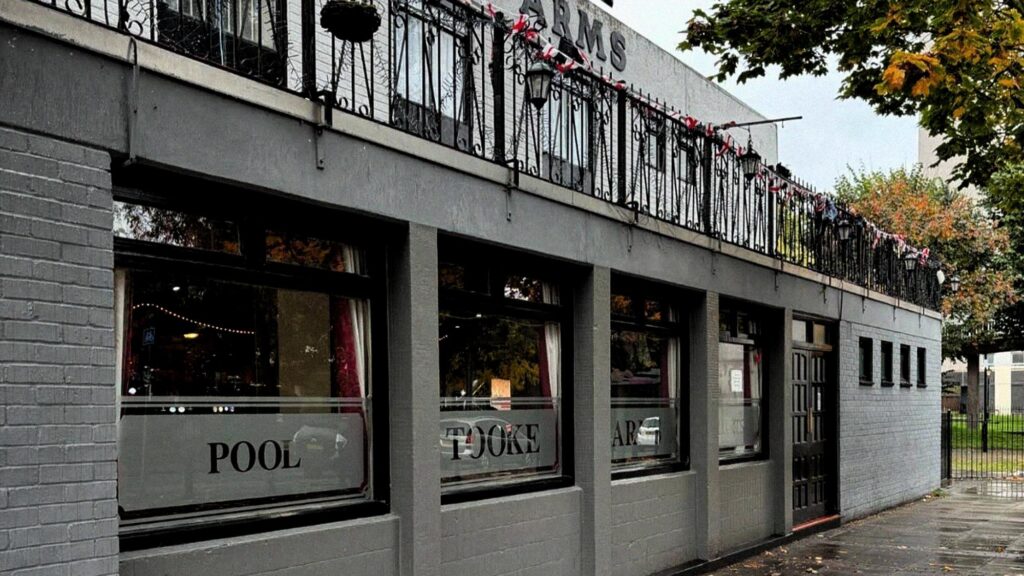
The Tooke Arms
The Tooke Arms appears in MobLand (2025–), where it is used as The Sinful Monkey, the criminal base of Richie Stevenson.