
The Millennium Biltmore Hotel in Downtown Los Angeles is one of the city’s grand historic hotels and one of its most heavily used filming locations. Located at 506 South Grand Avenue, facing Pershing Square, the hotel opened in 1923 and is known for its elaborate Beaux-Arts and Mediterranean Revival interiors, including the lobby, Rendezvous Court, Crystal Ballroom, Gold Room, Galleria and old health club. Its grand staircases, painted ceilings, marble columns, chandeliers and ceremonial rooms allow it to stand in for luxury hotels, government buildings, ballrooms, banks, old Hollywood interiors and fictional institutions. The hotel also has a real connection to film history, as the Academy of Motion Picture Arts and Sciences was founded there in 1927, and early Academy Awards ceremonies were held in the Biltmore Bowl.
The Millennium Biltmore Hotel has appeared in many films, including The Omega Man (1971), Chinatown (1974), Rocky III (1982), Beverly Hills Cop (1984), Ghostbusters (1984), Bachelor Party (1984), Pretty in Pink (1986), The Fabulous Baker Boys (1989), Bugsy (1991), Dave (1993), True Lies (1994), Independence Day (1996), “The Nutty Professor” (1996), “Austin Powers: International Man of Mystery” (1997), “The Game” (1997), “Fight Club” (1999), “Cruel Intentions” (1999), “Blue Streak” (1999), “Blow” (2001), “Daredevil” (2003), “The Italian Job” (2003), “National Treasure: Book of Secrets” (2007), Oppenheimer (2023), “A Family Affair” (2024) and “Michael” (2026). It has also appeared in television and music videos, including “The West Wing” (1999–2006), “Mad Men” (2007–2015) and Taylor Swift’s “Delicate” (2018). Because different rooms inside the hotel have such distinct identities, the Biltmore can be recognised in one film as a hotel lobby, in another as a ballroom, and in another as a government or institutional space.
In The Omega Man (1971), the Millennium Biltmore Hotel appears as part of the deserted Los Angeles world inhabited by Robert Neville, played by Charlton Heston. The film uses downtown locations to create the feeling of a city emptied by plague, and the Biltmore’s grand but abandoned-looking interiors and surroundings fit that atmosphere well. Its old elegance becomes part of the film’s unsettling image of civilisation left behind, where familiar public spaces have turned into empty relics.
In Chinatown (1974), the Millennium Biltmore Hotel appears as part of the film’s old Los Angeles world of money, power and corruption. The hotel’s grand interiors fit the 1930s setting, giving the story a sense of civic wealth and social status. In a film built around the hidden systems behind Los Angeles, the Biltmore’s old downtown grandeur helps place the characters inside the city’s established power structure.
In Rocky III (1982), the Millennium Biltmore Hotel appears during the Los Angeles material connected to Rocky Balboa’s championship fame. The hotel’s formal interiors and old-Hollywood grandeur fit the world of press events, public appearances and celebrity surrounding Rocky at this stage of his career. Its use adds a polished Los Angeles setting to a film that otherwise moves between Philadelphia, New York-style spectacle and the more stripped-down training world Rocky must return to.
In Beverly Hills Cop (1984), the hotel is used as the fictional Beverly Palm Hotel, where Axel Foley checks in after arriving in Los Angeles. The Rendezvous Court, with its vaulted ceiling, fountain and double staircase, gives the scene an exaggerated sense of luxury that contrasts perfectly with Axel’s Detroit street-cop style. His attempt to talk his way into a room is one of the film’s early examples of him using confidence, humour and fast thinking to move through a world where he does not officially belong.
In Ghostbusters (1984), the hotel appears as the Sedgewick Hotel, where the Ghostbusters take on their first real supernatural job. The elegant lobby and corridors become the setting for the encounter with Slimer, turning a grand old hotel into a place of comic chaos, ectoplasm and property damage. The sequence is one of the film’s defining early moments, proving that the Ghostbusters are both barely professional and strangely effective.
In “Bachelor Party” (1984), the Biltmore appears as one of the Los Angeles hotel settings connected to the film’s party chaos. The hotel’s formal atmosphere gives the comedy a useful contrast, placing unruly behaviour and bachelor-party excess inside a setting associated with old-fashioned elegance.
In “Pretty in Pink” (1986), the Crystal Ballroom is used for the prom. The room’s chandeliers, decoration and large dance-floor space give the final sequence a heightened, almost dreamlike quality, making it feel much grander than a normal school event. It is the setting where Andie arrives in her homemade dress, Duckie makes his emotional gesture, and the film resolves its tensions around class, romance and self-worth.
In “The Fabulous Baker Boys” (1989), the Crystal Ballroom is used as one of the performance spaces connected to the Baker brothers and Susie Diamond. The hotel’s polished old-world glamour fits the film’s lounge-music atmosphere, giving the performances a sense of faded elegance and professional show-business history.
In “Bugsy” (1991), the Biltmore’s interiors help create the period world of 1940s Los Angeles. The hotel’s historic rooms suit the film’s mix of Hollywood glamour, organised crime and old-money public spaces, allowing the location to feel naturally connected to Bugsy Siegel’s ambitious and dangerous world.
In “Dave” (1993), the hotel is used for scenes standing in for Washington, D.C. and the world around the presidency. Its formal interiors and ceremonial spaces make it convincing as a political or institutional setting, even though the real building is in Downtown Los Angeles.
In “True Lies” (1994), the Crystal Ballroom is used for the tango sequence with Harry and Helen Tasker. The elegant ballroom setting gives the scene its formal, glamorous quality, contrasting with the action and deception surrounding the rest of the story. The Biltmore’s old-fashioned luxury helps turn the dance into one of the film’s most memorable character moments.
In “Independence Day” (1996), the hotel appears as part of the film’s large-scale use of Los Angeles locations. Its grand interiors and formal public spaces fit the film’s image of official buildings and civic life just before the alien invasion turns familiar places into disaster-movie imagery.
In “The Nutty Professor” (1996), the Biltmore is used for the hotel and ballroom material connected to Sherman Klump’s public and romantic life. The ornate rooms give the comedy a grand setting for social embarrassment, transformation and performance, fitting the film’s mix of broad humour and old Hollywood-style glamour.
In “Austin Powers: International Man of Mystery” (1997), the Biltmore’s interiors contribute to the film’s playful spy-movie atmosphere. The hotel’s grand rooms fit the exaggerated world of secret organisations, villains and retro style, giving the comedy a polished setting that can be treated with both elegance and absurdity.
In “The Game” (1997), the Biltmore is used as part of the film’s maze of formal, wealthy and institutional spaces. Its old hotel interiors fit the psychological thriller’s atmosphere of control, surveillance and uncertainty, where every polished room may be part of the game being played around Nicholas Van Orton.
In “Fight Club” (1999), the hotel appears in scenes connected to the film’s corporate and social world before that world collapses into violence and anti-consumerist chaos. The Biltmore’s elegant rooms work as the kind of refined, official environment the film later attacks and undermines.
In “Cruel Intentions” (1999), the Biltmore’s old health club and pool area appear as part of the film’s wealthy, manipulative world. The setting’s polished vintage look fits the film’s mixture of privilege, seduction and cruelty, giving the scenes a more distinctive atmosphere than a generic modern fitness club would have provided.
In “Blue Streak” (1999), the hotel is part of the film’s Los Angeles location work, used within a comedy-crime story built around mistaken identity, police spaces and stolen diamonds. The Biltmore’s formal interiors suit the film’s need for official-looking and high-end settings.
In “Blow” (2001), the Biltmore appears as part of the film’s world of money, crime and public glamour. The hotel’s old Los Angeles look makes it useful for scenes where criminal success brushes up against luxury and status.
In “Daredevil” (2003), the hotel’s interiors are used to create a grand, urban setting within the film’s comic-book version of the city. The building’s dramatic spaces suit superhero cinema because they already feel heightened, formal and slightly unreal.
In “The Italian Job” (2003), the Biltmore appears in the Los Angeles section of the film. Its downtown location and recognisable interiors place the story within the city’s older architectural landscape, contrasting with the film’s car chases, technology and modern heist mechanics.
In “National Treasure: Book of Secrets” (2007), the hotel is used for scenes that need grand, official-looking interiors. The Biltmore’s scale and historic character fit the film’s treasure-hunt world, where clues, politics and American institutional spaces are turned into adventure settings.
In “Oppenheimer” (2023), the Millennium Biltmore Hotel is used as part of the film’s period Los Angeles setting. The hotel’s historic interiors help recreate the formal world of committees, hearings, official meetings and public institutions that surround J. Robert Oppenheimer after the Manhattan Project. Its architecture gives the scenes a sense of weight and old American institutional power, matching the film’s focus on reputation, authority and political scrutiny.
In “A Family Affair” (2024), the Biltmore appears as part of the film’s Los Angeles setting. The hotel’s elegant rooms and old-Hollywood atmosphere make it a natural fit for a story connected to celebrity, romance and public image.
In “Michael” (2026), the Biltmore is used for scenes connected to Michael Jackson’s press and public appearances. The hotel’s grand architecture gives those scenes a strong sense of ceremony and show-business scale, linking the biopic to one of Los Angeles’ historic entertainment landmarks.

Beverly Hills Cop
Beverly Hills Cop was shot partly in Michigan but mostly in and around Los Angeles, with that geographical split reflecting the story itself.
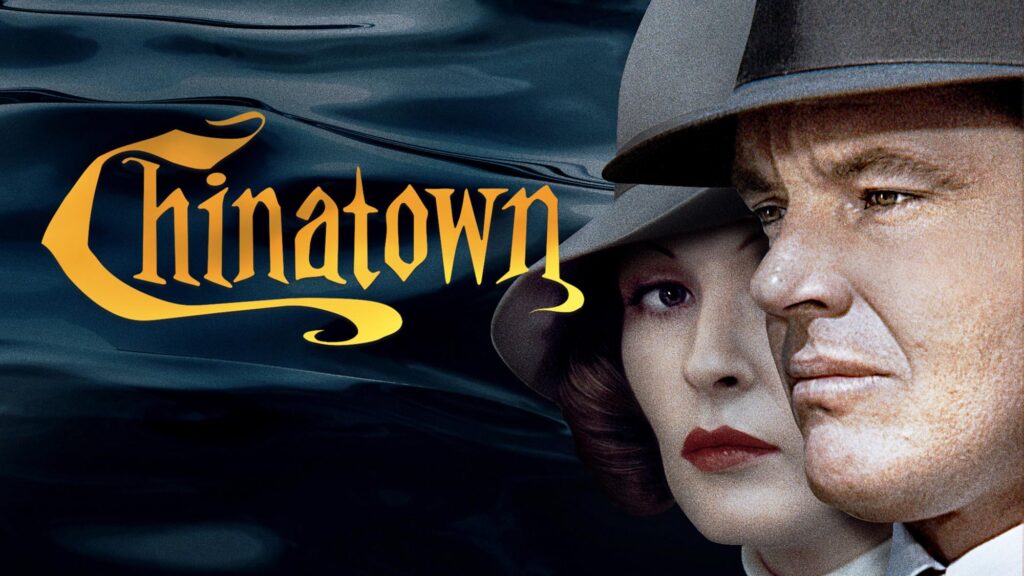
Chinatown
Chinatown was shot in and around Los Angeles, with additional material on Catalina Island, where it turns the city into a place of power and violence.
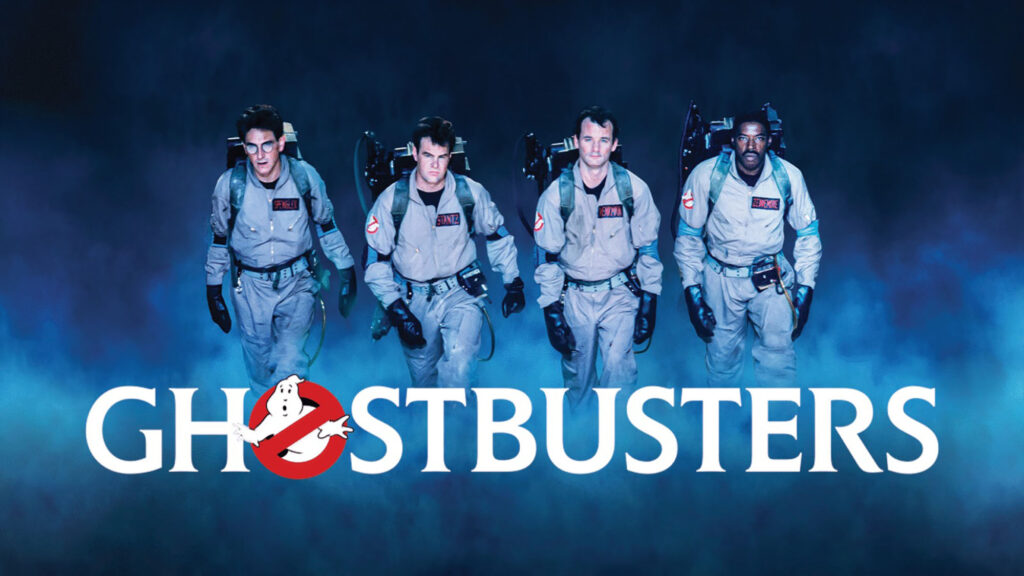
Ghostbusters
Ghostbusters is completely identified with New York, its locations were actually split between New York and Los Angeles in a very effective way.
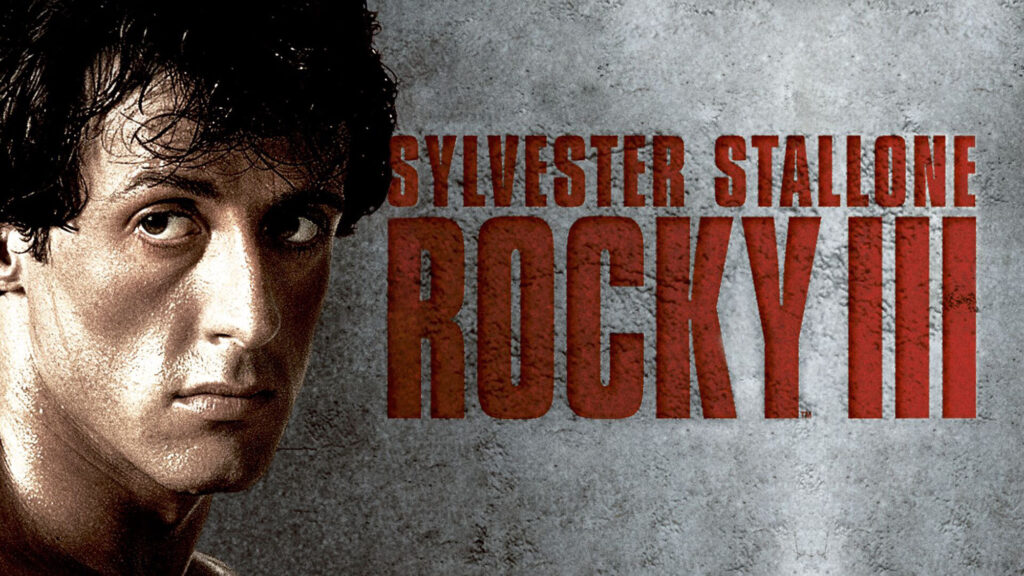
Rocky III
Rocky III was shot across several American cities, but Philadelphia remains its centre, where the Philadelphia Museum of Art is the most famous location.
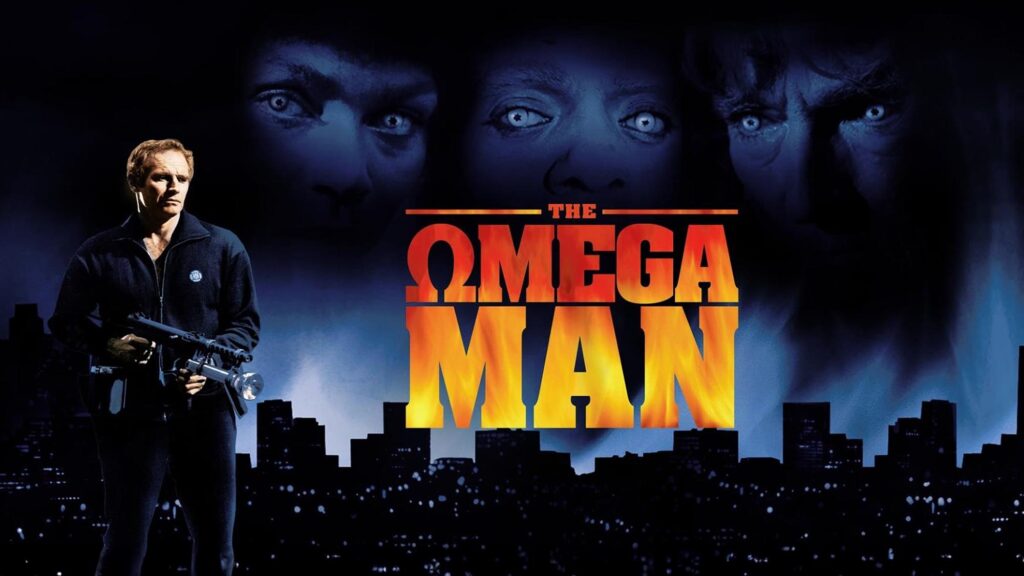
The Omega Man
The Omega Man was shot in Los Angeles. Without modern digital effects, the production created its deserted metropolis by filming on quiet Sunday mornings.
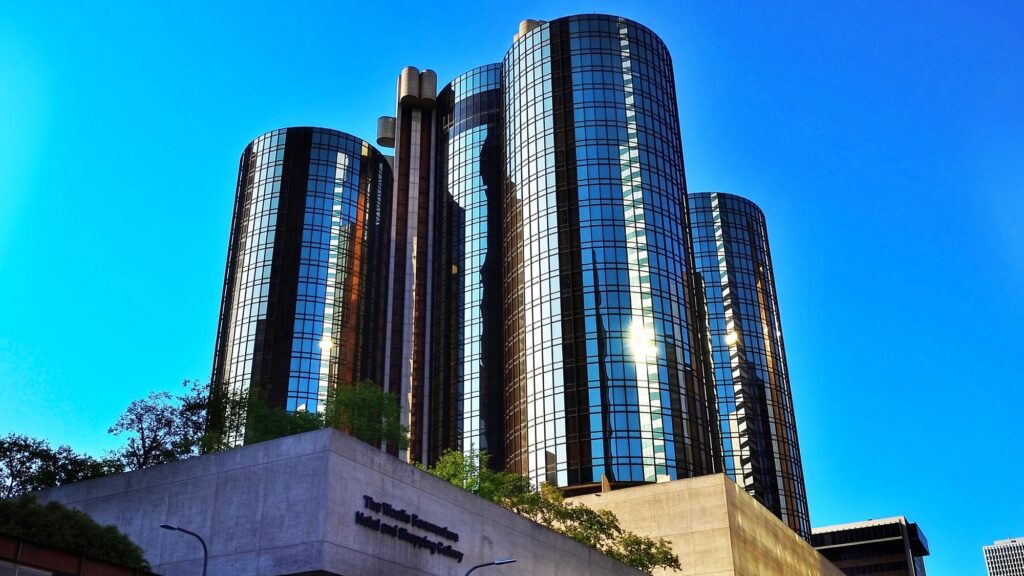
Westin Bonaventure Hotel
Westin Bonaventure Hotel has appeared in The Driver, Heaven Can Wait, Midnight Madness, Blue Thunder, Breathless, This is Spinal Tap, Rain Man and many more.
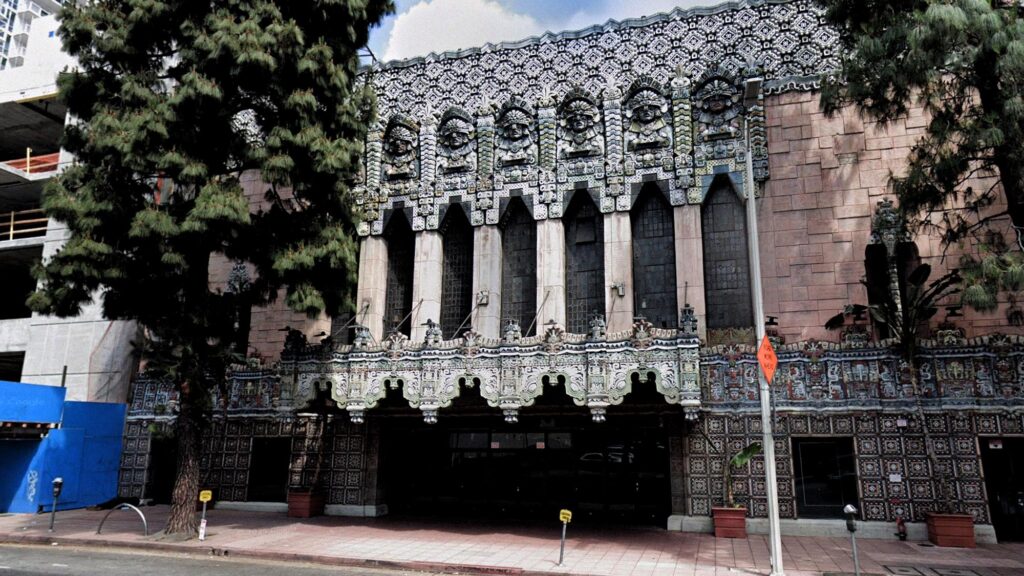
The Mayan
The Mayan has appeared in many films and television productions, including Sally of the Scandals, Refinements in Love, Save the Tiger and many more.
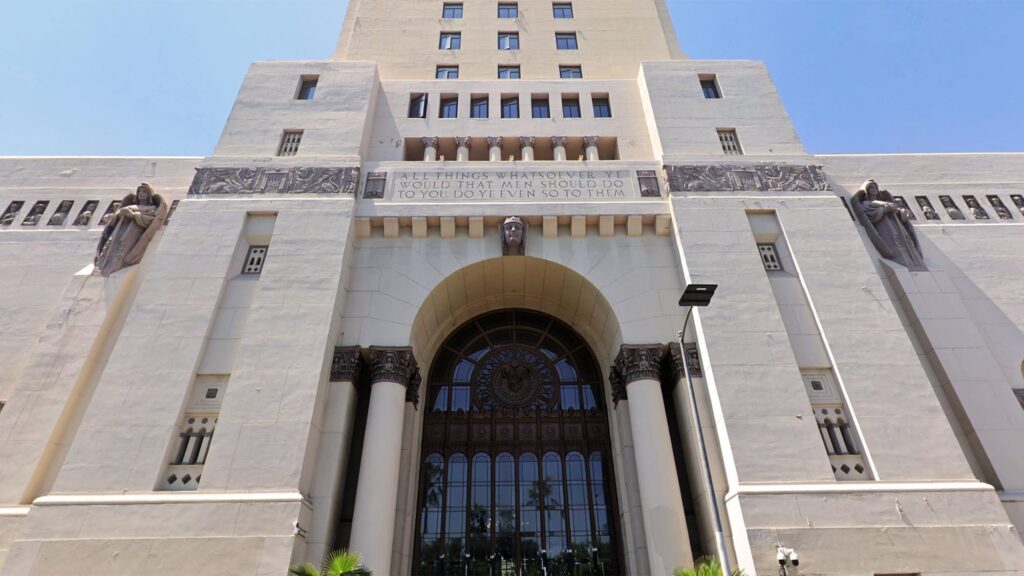
The MacArthur
The MacArthur has been used in a large number of films, with its lobby, ballrooms, rooms, exterior and restrooms appearing in films across several decades.
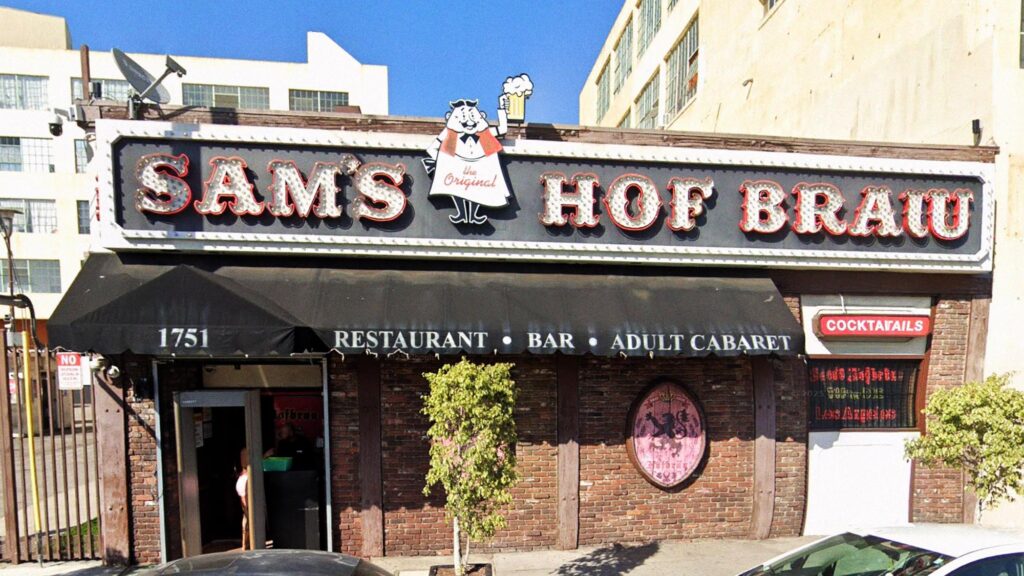
Sam’s Hofbrau
Sam’s Hofbrau is best known from Quentin Tarantino’s "Jackie Brown" (1997) and "Kill Bill: Vol. 2" (2004). In both films, the location is used as a strip club.
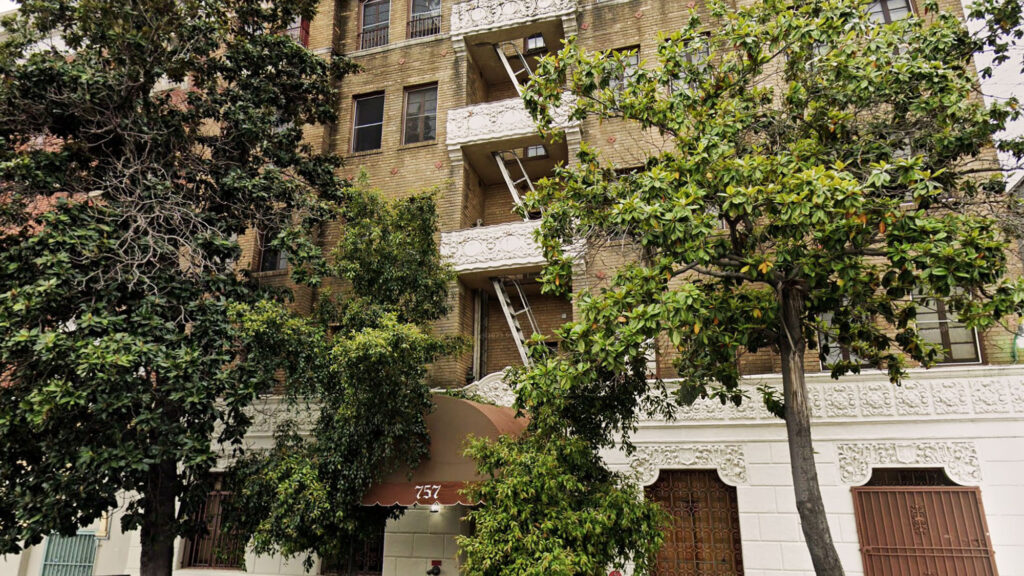
The Shelley
The Shelley appears in Seinfeld (1989–1998). In the series, it serves as the exterior of Jerry’s apartment, even though the character’s address is in Manhattan.

Edmund A. Gray Co.
Edmund A. Gray Co. has appeared in A Nightmare on Elm Street 5: The Dream Child (1989) and Veronica Mars (2014).
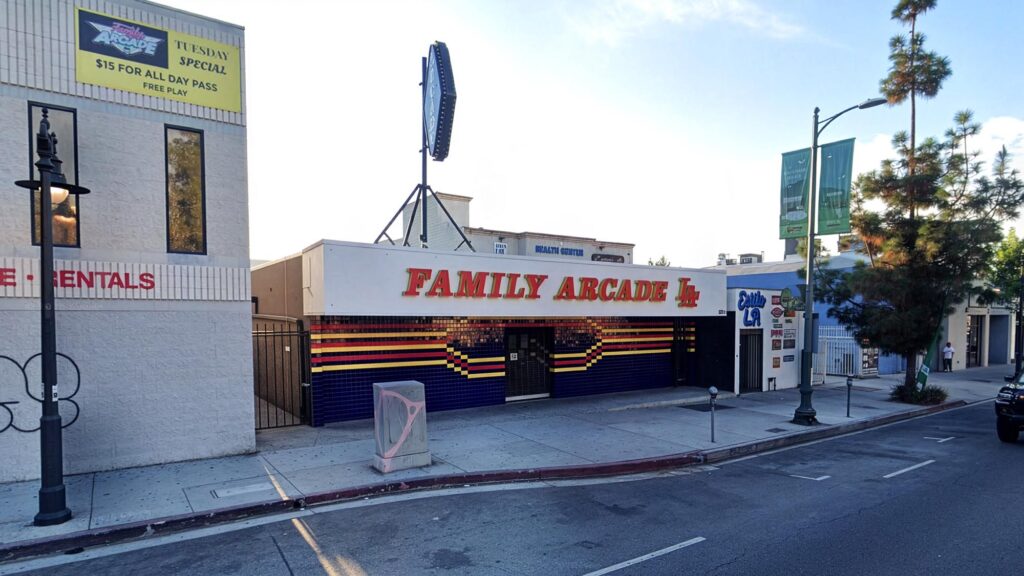
Family Arcade LA
In Dexter: Original Sin, Family Arcade LA appears in episode 9, Blood Drive. Dexter lures Captain Spencer to the arcade, transforming it into a kill room.
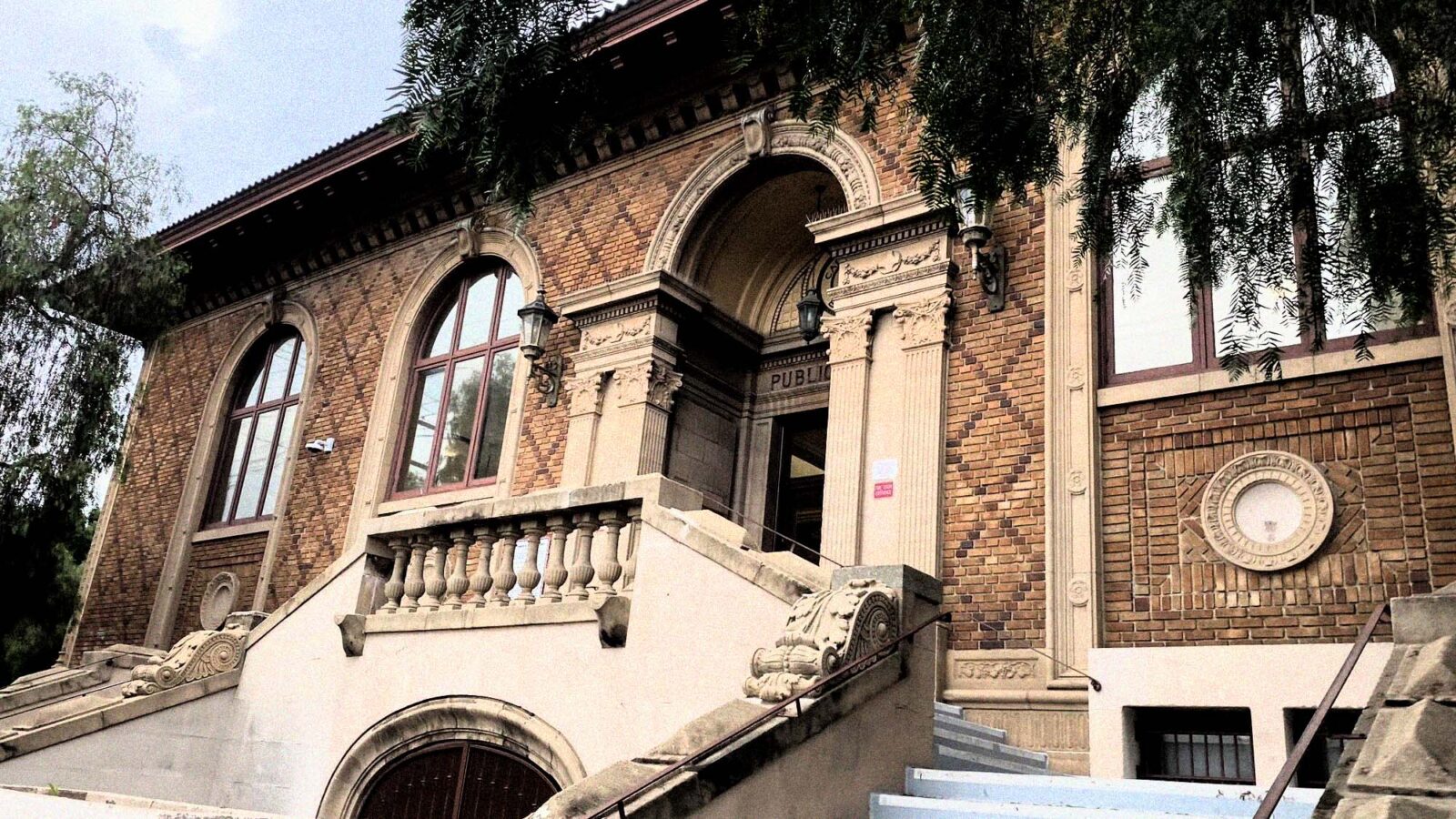
Cahuenga Branch Library
Cahuenga Branch Library, a historic public library at in East Hollywood, has appeared in Carrie (1976) and A Nightmare on Elm Street (1984).
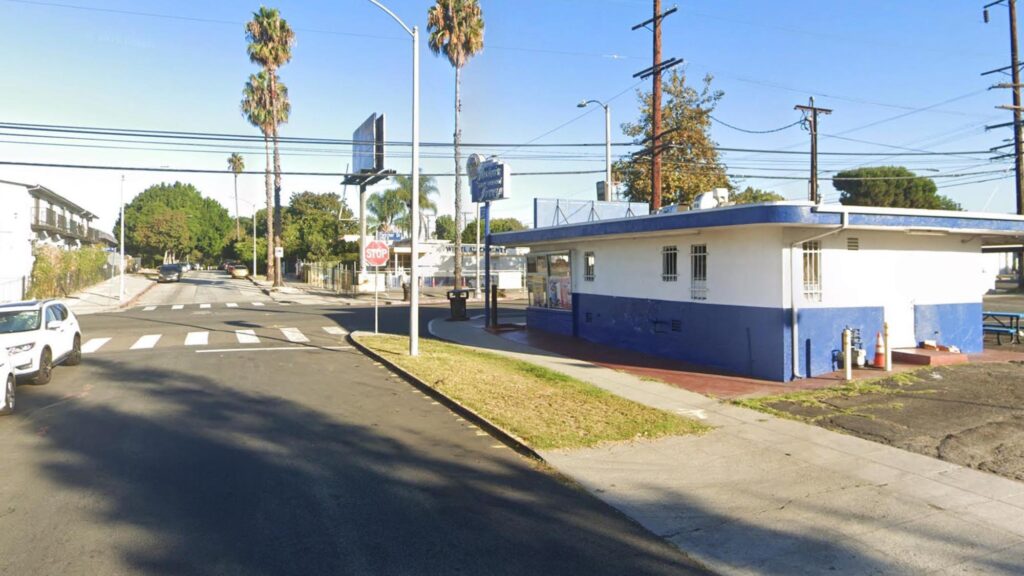
Foster’s Freeze Atwater Village
Foster’s Freeze in Atwater Village, Los Angeles, has appeared in both "Pulp Fiction" (1994) and "GLOW" (2017–2019).