
Westin Bonaventure Hotel is one of the most recognisable hotels in downtown Los Angeles. Opened in 1976 and designed by John C. Portman Jr., the hotel is known for its five cylindrical glass towers, vast atrium, glass elevators and revolving restaurant. Its architecture feels both luxurious and slightly disorienting, which has made it especially attractive to filmmakers. Depending on the production, the hotel can play a futuristic headquarters, a political target, a corporate maze, a spy-movie playground or simply a very Los Angeles version of modern urban space.
The hotel has appeared in a long list of films and television productions, including The Driver (1978), Heaven Can Wait (1978), Midnight Madness (1980), Blue Thunder (1983), Breathless (1983), This Is Spinal Tap (1984), Rain Man (1988), Lethal Weapon 2 (1989), In the Line of Fire (1993), True Lies (1994), Nick of Time (1995), Strange Days (1995), Forget Paris (1995), Mission: Impossible III (2006), The Lincoln Lawyer (2011), Interstellar (2014), San Andreas (2015) and MaXXXine (2024). Its most famous screen appearances usually make direct use of the hotel’s glass elevators, atrium, towers and roofline, rather than treating it as a generic hotel.
In “The Driver” (1978), the Westin Bonaventure Hotel is used as part of Walter Hill’s nocturnal Los Angeles. The Driver meets The Player at the hotel, and the location’s cold glass, open interior and downtown isolation fit the film’s stripped-down crime atmosphere. The Bonaventure works well in the film because it feels modern and impersonal, matching a story where the characters are defined more by roles and movement than by ordinary personal lives.
In Midnight Madness (1980), the Westin Bonaventure Hotel is the final destination of “The Great All-Nighter”, the elaborate overnight scavenger hunt that sends five competing teams across Los Angeles. After completing a video-game challenge at Pinball City, the contestants learn that the finish line is somewhere inside the Bonaventure Hotel. Once the teams arrive, Leon pages the “game players” and directs them to look at the pool area, adding that he means it “expressly”. Several teams rush towards the swimming pool, while Adam’s yellow team realises that the word refers to the hotel’s express elevators. As the glass elevator travels upwards, the arrangement visible outside reveals the final destination as Room 2704. The yellow and blue teams then race through the hotel towards the twenty-seventh floor, with Harold sabotaging an elevator and later attacking the pursuing security guards with a fire hose. Adam’s team ultimately reaches Leon and wins the game, after which the competitors gather for a large victory banquet inside the hotel.
In Blue Thunder (1983), the Bonaventure appears within the film’s high-tech Los Angeles landscape. The hotel’s towers and downtown setting fit the story’s surveillance-heavy world, where the city is seen from above and transformed into a space of helicopters, police technology and urban paranoia.
In Breathless (1983), the Westin Bonaventure Hotel appears as part of the film’s glossy Los Angeles world. Jim McBride’s remake of Jean-Luc Godard’s “Breathless” moves the story from Paris to Southern California, and the Bonaventure fits the film’s version of Los Angeles as a city of cars, glass, neon, hotels and restless movement. The hotel’s futuristic interior and downtown presence match the film’s heightened 1980s style, where real locations are used less as neutral background and more as part of the film’s cool, artificial surface.
In “This Is Spinal Tap” (1984), the hotel appears as the Atlanta record company headquarters. The Bonaventure’s corporate-modern design gives the scene the right kind of sterile music-business atmosphere, turning a real Los Angeles hotel into another anonymous stop on the band’s increasingly absurd American tour.
In “Rain Man” (1988), the hotel appears during Charlie and Raymond’s journey through Los Angeles. The Bonaventure’s modern lobby and glass elevators fit the film’s use of real American hotels, casinos, highways and airports as Charlie tries to move Raymond through a world that is often overwhelming to him.
In “In the Line of Fire” (1993), the Westin Bonaventure Hotel becomes the setting for the film’s assassination attempt and final confrontation. Frank Horrigan follows the threat to the hotel, where the glass elevators and high-rise interior become central to the suspense. The building’s vertical design gives the climax a strong physical shape, with the pursuit moving through one of Los Angeles’ most recognisable modern hotels.
In “True Lies” (1994), the Bonaventure is used for one of the film’s most memorable action-comedy moments. Harry Tasker rides a horse into the hotel while chasing the terrorist Aziz, and the pursuit continues into the glass elevators. The scene works because the building already feels spectacular and slightly unreal, allowing the film to turn a downtown hotel into a full action set piece without losing the sense that this is still a real place.
In “Nick of Time” (1995), the hotel is even more central. Much of the film takes place inside the Bonaventure, where Gene Watson is forced into a political assassination plot after his daughter is kidnapped. The hotel’s atrium, elevators, corridors and public spaces become a pressure chamber, with the real-time structure of the film making the building feel like a maze he cannot escape.
In “Strange Days” (1995), the Bonaventure is part of the film’s chaotic Millennium Eve version of Los Angeles. The area around the hotel is used for the huge New Year’s crowd scenes, while the building’s futuristic architecture fits the film’s cyberpunk-noir mood. Few Los Angeles hotels look as naturally suited to a dystopian near future as the Bonaventure.
In “Forget Paris” (1995), one of the hotel’s glass elevators is used in the romantic comedy’s Los Angeles material. It is a smaller use of the location than in “True Lies” or “In the Line of Fire”, but it shows how strongly the Bonaventure’s elevators had become part of the hotel’s screen identity by the mid-1990s.
In Mission: Impossible III (2006), the Bonaventure appears as part of the film’s Los Angeles action geography. Its modern towers and downtown setting fit the franchise’s use of real urban architecture as part of a larger international thriller world.
In “The Lincoln Lawyer” (2011), the hotel appears among the Los Angeles locations used to ground the legal thriller in the city’s real streets, hotels and downtown spaces. The Bonaventure’s architecture gives the film another recognisable piece of central Los Angeles, even when it is not the main focus of the scene.
In “Interstellar” (2014), the Bonaventure’s lobby and atrium are transformed into part of the NASA facility. The hotel’s circular forms, height and layered interior give the scenes a controlled, institutional feeling while still looking slightly futuristic. It is one of the clearest examples of the Bonaventure being used not as a hotel, but as a piece of adaptable science-fiction architecture.
In “San Andreas” (2015), the Bonaventure appears in the destruction of Los Angeles. The film uses the hotel’s distinctive towers as part of the city’s disaster imagery, turning a familiar downtown landmark into one more piece of collapsing urban infrastructure.
In “MaXXXine” (2024), the Bonaventure’s retro-futuristic Los Angeles identity fits the film’s 1980s Hollywood atmosphere. The hotel’s unusual architecture already carries the feeling of an earlier vision of the future, making it a natural match for a film built around fame, danger and the darker side of Los Angeles image-making.
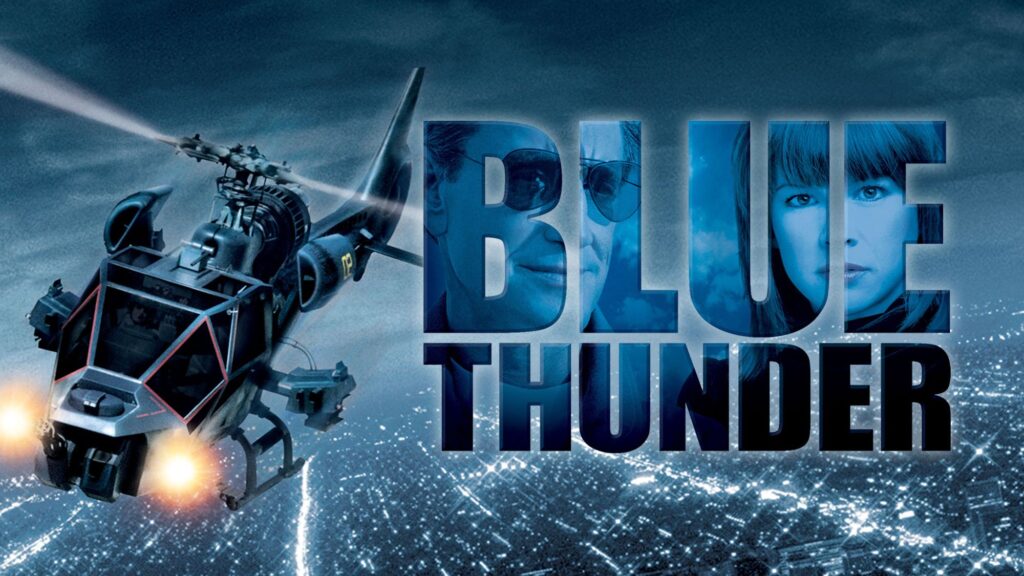
Blue Thunder
Blue Thunder was filmed around Los Angeles, using the city’s rooftops, streets, freeways, river channels and skyline as part of the action.
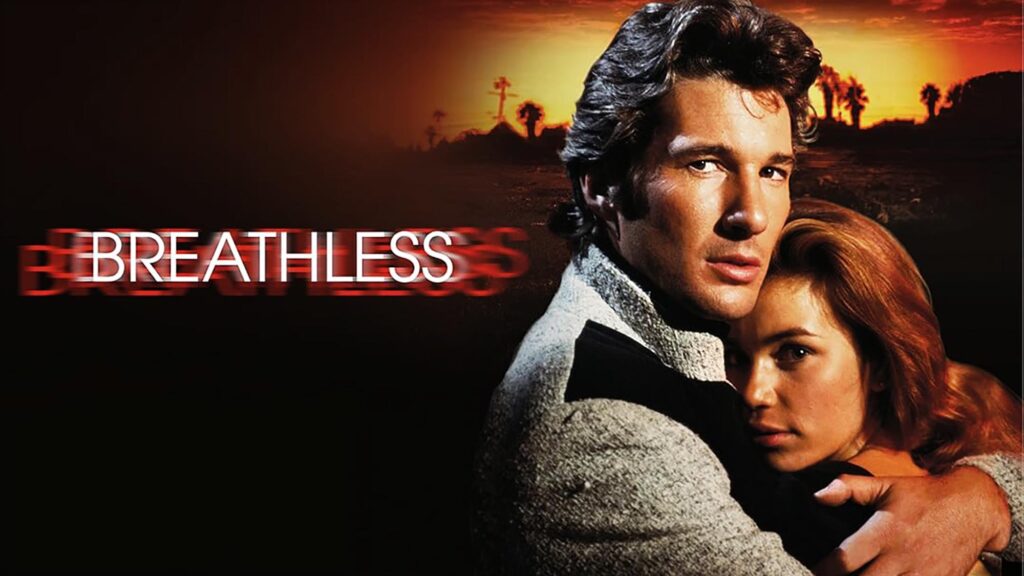
Breathless
Breathless was shot primarily in and around Los Angeles, and it makes use of the city’s early-1980s character rather than treating it as a generic backdrop.
Midnight Madness
Midnight Madness was filmed across the Los Angeles area, and its locations are central to the film’s concept. The story is built around a citywide night game.
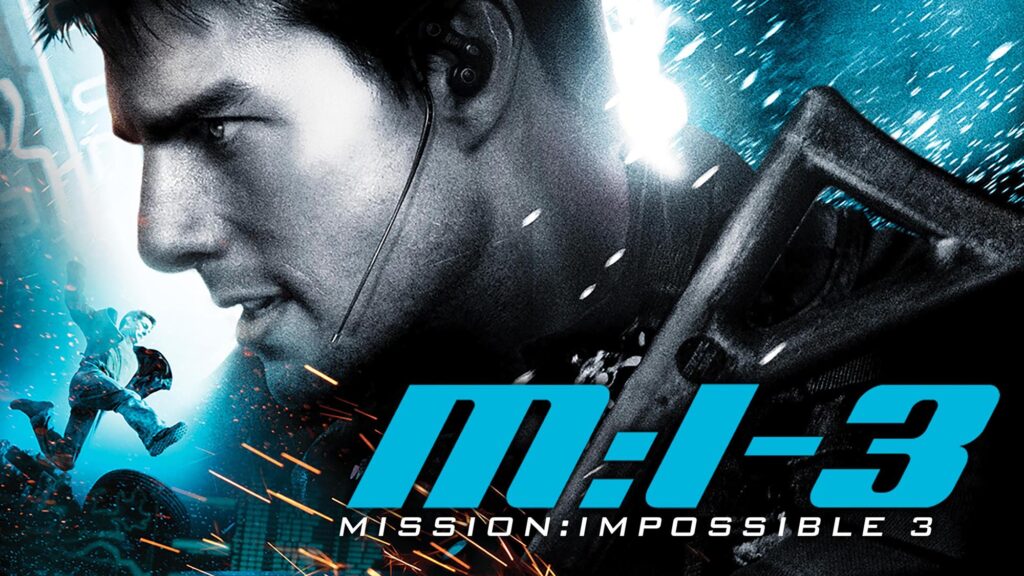
Mission: Impossible III
Mission: Impossible III was shot across Italy, Germany, China and the United States, with studio work also playing an important role.
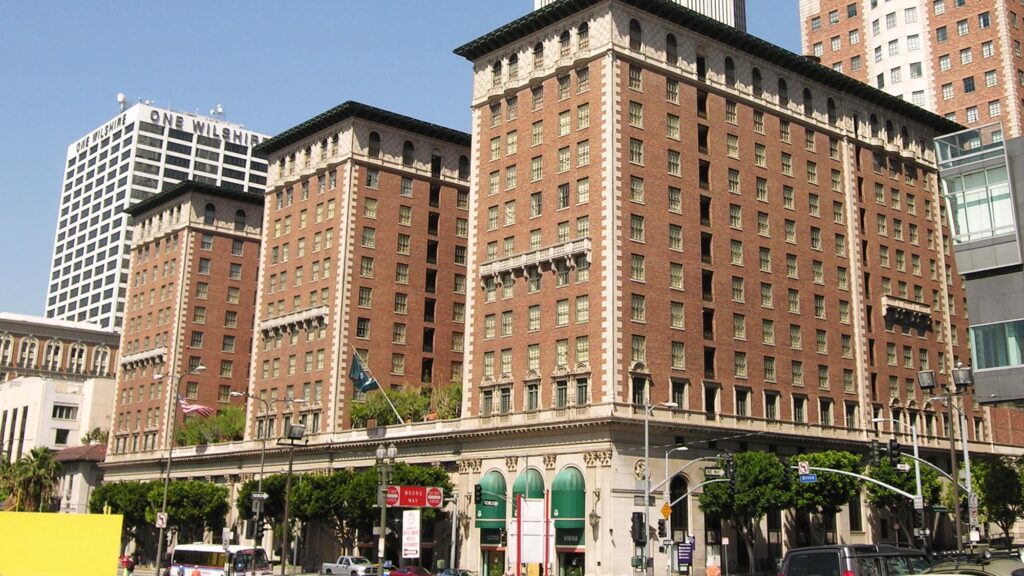
Millennium Biltmore Hotel
The Millennium Biltmore Hotel has appeared in many films, including The Omega Man, Chinatown, Rocky III, Beverly Hills Cop, Ghostbusters and many more.
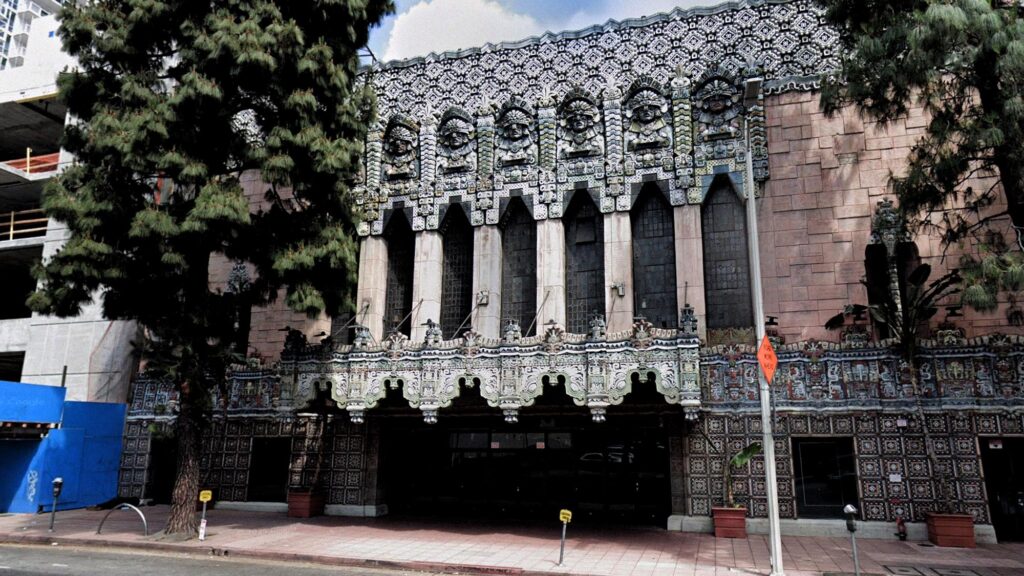
The Mayan
The Mayan has appeared in many films and television productions, including Sally of the Scandals, Refinements in Love, Save the Tiger and many more.
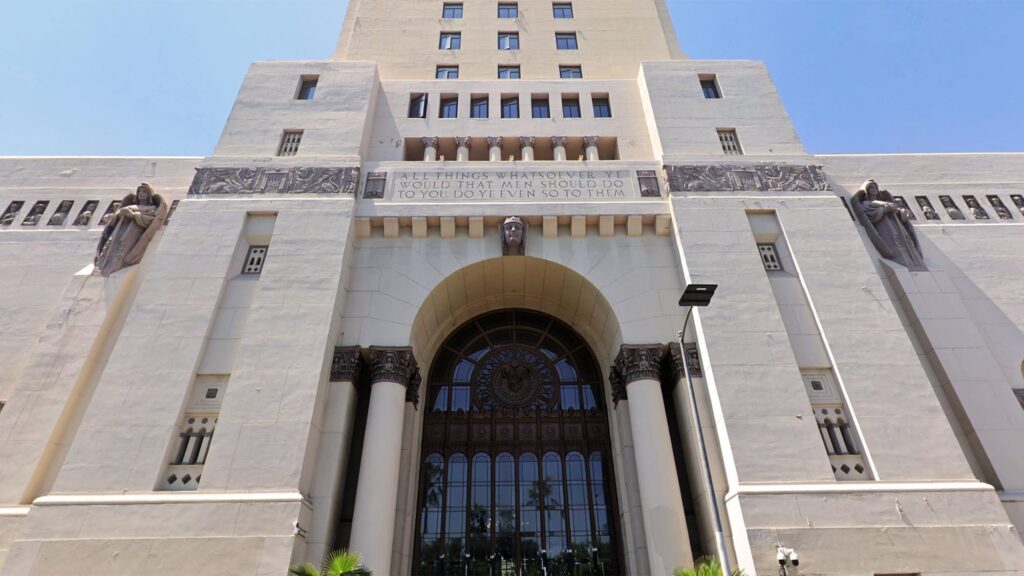
The MacArthur
The MacArthur has been used in a large number of films, with its lobby, ballrooms, rooms, exterior and restrooms appearing in films across several decades.
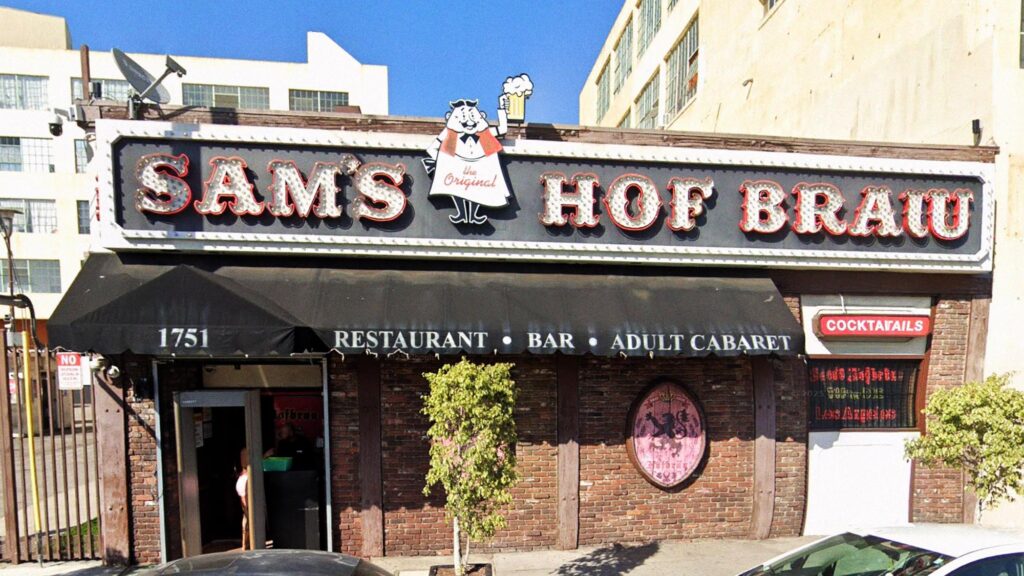
Sam’s Hofbrau
Sam’s Hofbrau is best known from Quentin Tarantino’s "Jackie Brown" (1997) and "Kill Bill: Vol. 2" (2004). In both films, the location is used as a strip club.
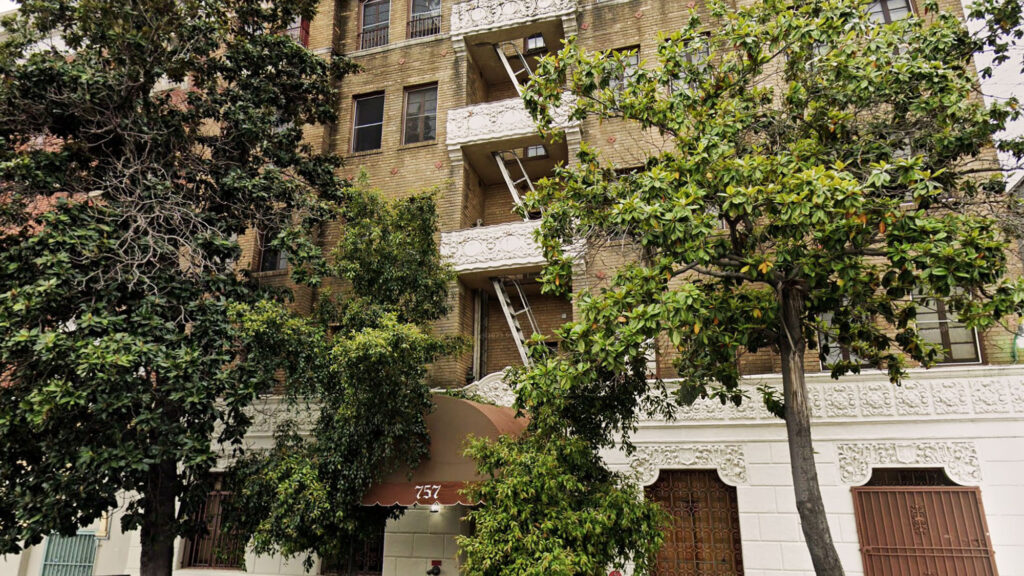
The Shelley
The Shelley appears in Seinfeld (1989–1998). In the series, it serves as the exterior of Jerry’s apartment, even though the character’s address is in Manhattan.

Edmund A. Gray Co.
Edmund A. Gray Co. has appeared in A Nightmare on Elm Street 5: The Dream Child (1989) and Veronica Mars (2014).
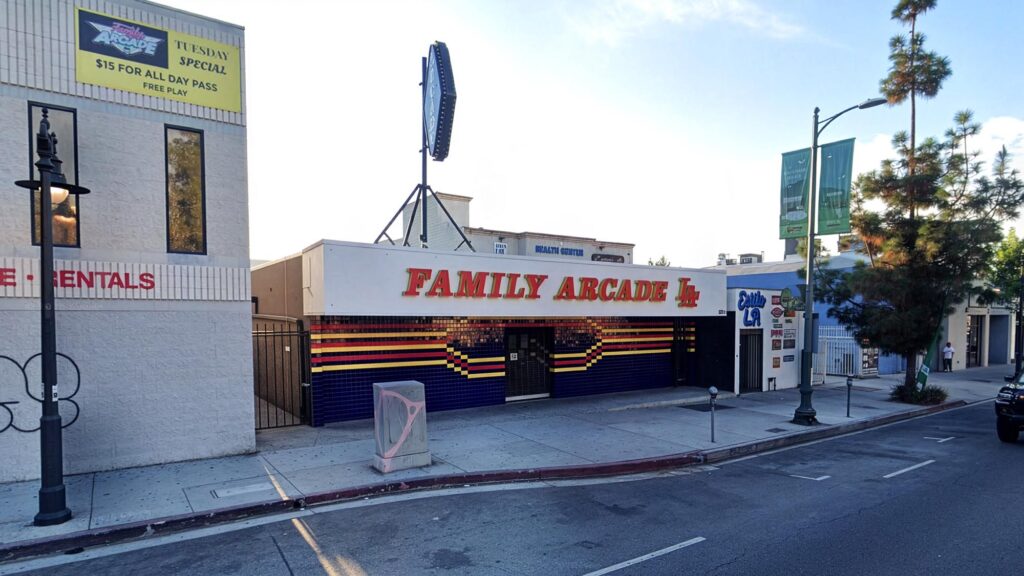
Family Arcade LA
In Dexter: Original Sin, Family Arcade LA appears in episode 9, Blood Drive. Dexter lures Captain Spencer to the arcade, transforming it into a kill room.
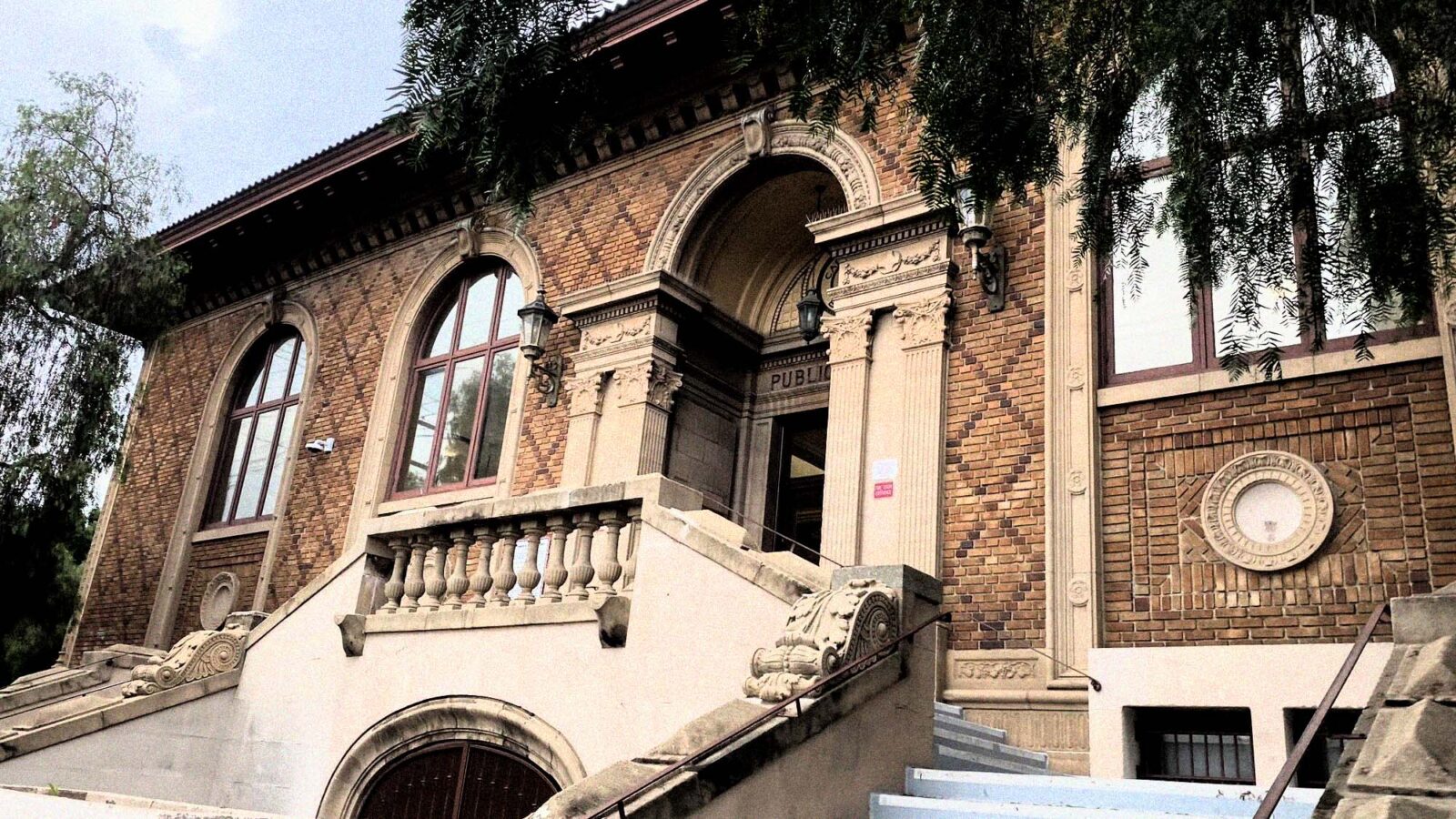
Cahuenga Branch Library
Cahuenga Branch Library, a historic public library at in East Hollywood, has appeared in Carrie (1976) and A Nightmare on Elm Street (1984).
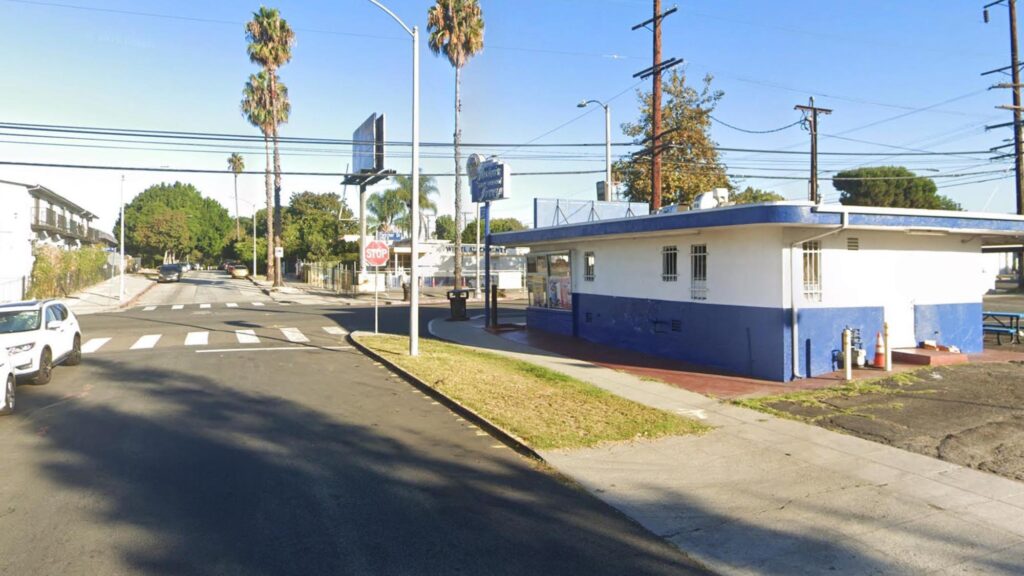
Foster’s Freeze Atwater Village
Foster’s Freeze in Atwater Village, Los Angeles, has appeared in both "Pulp Fiction" (1994) and "GLOW" (2017–2019).