
St. Patrick’s Cathedral is a Roman Catholic cathedral on Fifth Avenue between East 50th and 51st Streets in Midtown Manhattan, New York City, directly opposite Rockefeller Center. The present cathedral was conceived by Archbishop John Hughes, who announced plans for a new and monumental Catholic church in 1853, at a time when its location was considered so far outside the developed city that the project was sometimes derided as “Hughes’ Folly”. Architect James Renwick Jr. designed the building in the Gothic Revival style using white marble, and the cornerstone was laid on 15 August 1858. Construction was interrupted by the American Civil War before resuming in the late 1860s, and the cathedral formally opened on 25 May 1879. Its twin spires, rising approximately 101 metres above Fifth Avenue, were completed in 1888, while the Lady Chapel was added between 1900 and 1908. As Manhattan expanded northwards, the once-remote cathedral found itself at the centre of Midtown, eventually surrounded by skyscrapers and the buildings of Rockefeller Center. St. Patrick’s remains the seat of the Archbishop of New York and one of the city’s most recognisable landmarks, with a capacity of around 2,400 people and an exterior that stretches for an entire city block.
St. Patrick’s Cathedral has appeared in Miracle in the Rain (1956), Youngblood Hawke (1964), They All Laughed (1981), The Scorpion with Two Tails (1982), Ghostbusters (1984), Batteries Not Included (1987), The Godfather Part III (1990) and Spider-Man (2002). Its Fifth Avenue façade and steps have provided an immediately recognisable Manhattan landmark, while Miracle in the Rain (1956) was granted the unusual opportunity to film extensively inside the cathedral itself. Other productions have incorporated the building into street sequences around Rockefeller Center, allowing its Gothic architecture to provide a striking contrast with the modern commercial towers of Midtown.
In Miracle in the Rain (1956), St. Patrick’s Cathedral becomes one of the most important locations in the film and provides the setting for its emotional climax. Ruth Wood falls in love with soldier Arthur Hugenon after meeting him during a rainstorm in wartime New York, but Art is sent overseas and is subsequently killed in battle. Devastated by the news, Ruth is taken to St. Patrick’s by her friend Grace, where she lights candles beneath the statue of St. Andrew. She repeatedly returns to the cathedral as she struggles with her grief and speaks with a young priest there. After neglecting a cold that develops into pneumonia, a feverish Ruth leaves her apartment on another rainy night and makes her way back to St. Patrick’s. As she climbs the cathedral steps, she hears Art calling to her and sees him apparently return from the dead. He tells her that love never dies and gives back the Roman coin she had previously given him for luck before disappearing. Ruth collapses on the steps and is discovered by the priest, who finds the supposedly lost coin clasped in her hand. The production received unprecedented permission to film inside St. Patrick’s, marking the first time the cathedral’s interior had appeared in a commercial feature film. Because filming could not interfere with the cathedral’s normal activities, the crew worked from approximately 10 p.m. until dawn for a week, while the climactic rain outside was created by tapping nearby fire hydrants and spraying water towards the cathedral entrance.
In Youngblood Hawke (1964), St. Patrick’s Cathedral appears during Arthur “Youngblood” Hawke’s early exploration of New York after the Kentucky coal-truck driver becomes a published novelist and moves to the city to pursue a literary career. After arriving in Midtown and walking around Rockefeller Center, Hawke reaches Fifth Avenue and stops to look upwards at the enormous cathedral across the street. The brief moment is part of a succession of real New York locations used to establish the scale and unfamiliarity of the city through Hawke’s eyes. Rather than serving as a destination in the story, St. Patrick’s becomes one of the landmarks he encounters as he enters the sophisticated publishing and social world that will bring him fame, wealth and increasingly complicated personal relationships.
In They All Laughed (1981), St. Patrick’s Cathedral appears during the extensive Fifth Avenue material filmed as private detective John Russo follows Angela Niotes through Manhattan. Russo has been hired to watch Angela because her wealthy husband suspects her of infidelity, only for the detective himself to become attracted to the woman he is supposed to be observing. Director Peter Bogdanovich filmed much of Audrey Hepburn’s material as Angela directly on crowded New York streets with an unusually small crew, allowing ordinary pedestrians to continue moving around her rather than closing Fifth Avenue for production. St. Patrick’s Cathedral is among the recognisable landmarks passed during these Midtown sequences as Russo shadows Angela. Bogdanovich later recalled that the crew hid the camera and kept equipment and trucks far away so that crowds would not realise Hepburn was being filmed, giving the Fifth Avenue scenes a particularly natural view of Manhattan at the beginning of the 1980s.
In The Scorpion with Two Tails (1982), originally released as Assassinio al cimitero etrusco and also known as Murder in an Etruscan Cemetery, St. Patrick’s Cathedral appears during the film’s New York sequences involving Joan Barnard. Joan is troubled by visions connected with ancient Etruscan rituals and foresees the ritualistic murder of her archaeologist husband Arthur before learning that he has indeed been killed while working in Italy. Early in the film, Joan crosses Fifth Avenue between St. Patrick’s Cathedral and Saks Fifth Avenue, with the cathedral dominating the background behind her. The shot firmly establishes Joan’s contemporary New York life before the mystery moves increasingly towards Italy, Etruscan tombs and the ancient religious practices linked to her visions. The production makes no narrative use of the cathedral itself, but its unmistakable façade provides a particularly clear geographical marker for the Manhattan section of an otherwise predominantly Italian horror mystery.
In Ghostbusters (1984), St. Patrick’s Cathedral appears during the montage showing the Ghostbusters becoming increasingly busy and successful after their first major supernatural capture at the Sedgewick Hotel. Ecto-1 is filmed driving through several recognisable parts of Manhattan as calls begin arriving from across the city. One of these shots places the vehicle at Fifth Avenue and East 50th Street, where it passes between St. Patrick’s Cathedral on one side of the avenue and Saks Fifth Avenue on the other. The cathedral is not directly involved in the supernatural story, but the brief shot is part of the film’s extensive use of real New York landmarks to establish Peter Venkman, Ray Stantz, Egon Spengler and Winston Zeddemore as a genuinely citywide phenomenon rather than heroes confined to their Tribeca firehouse.
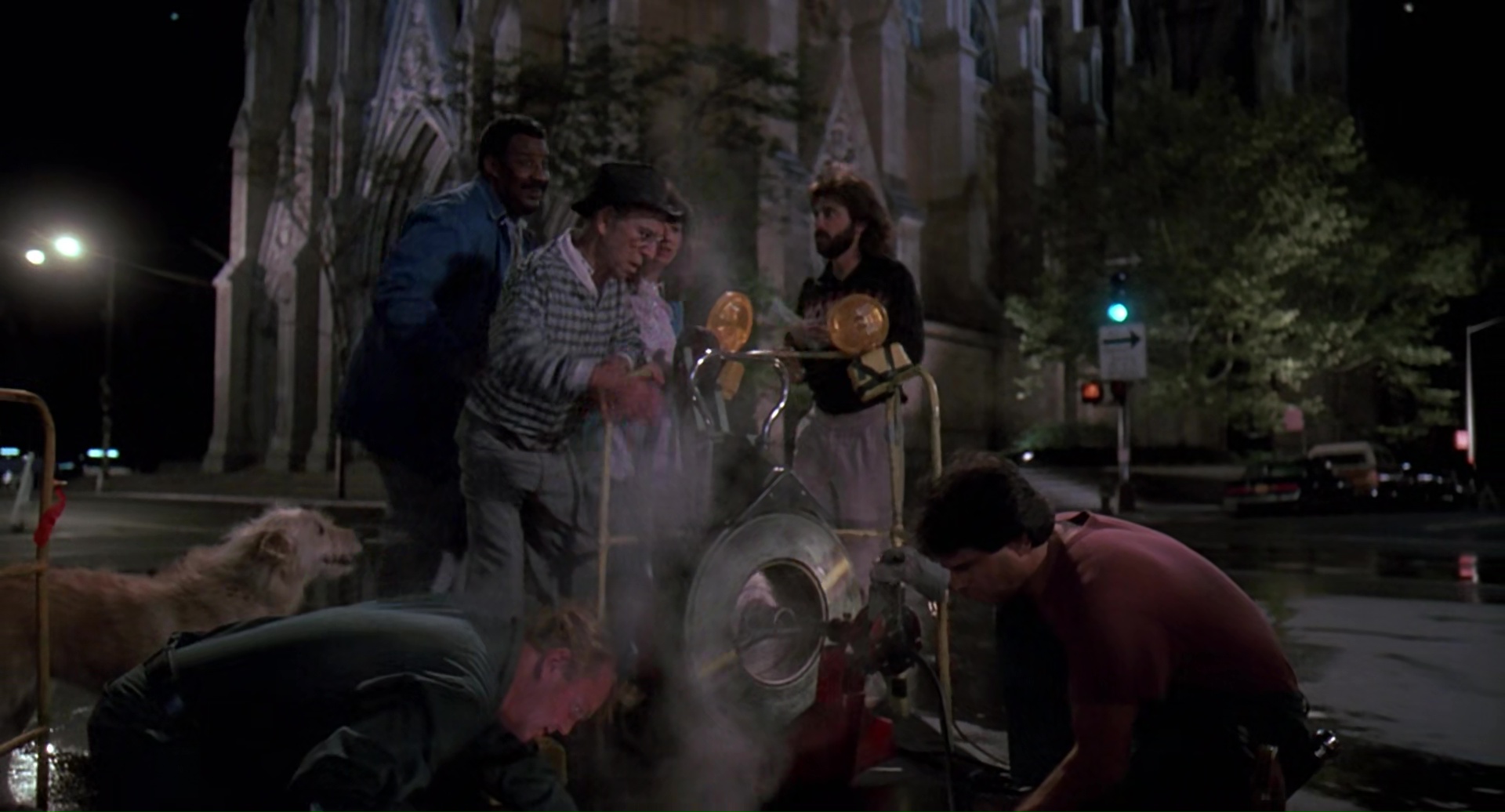
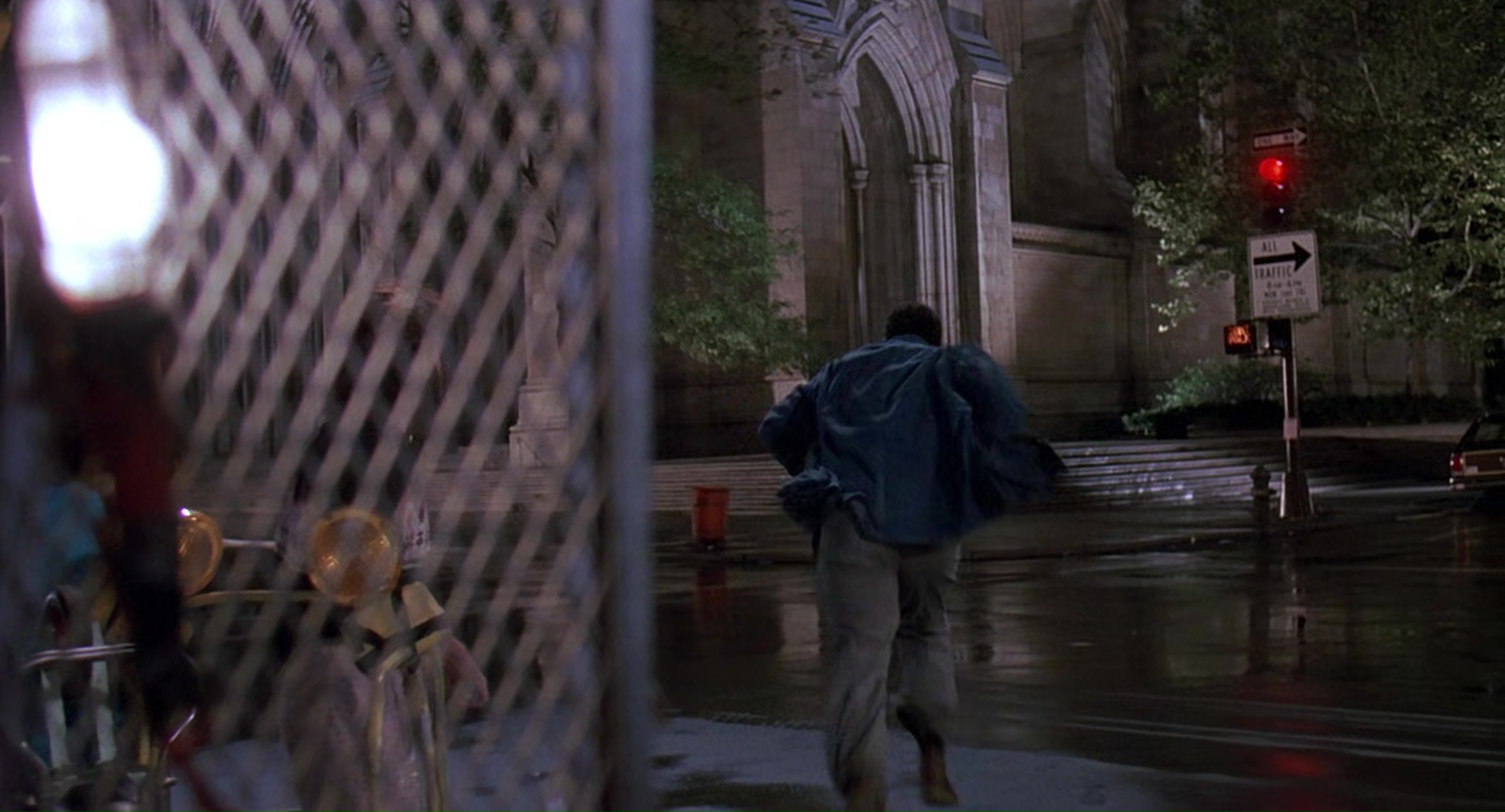
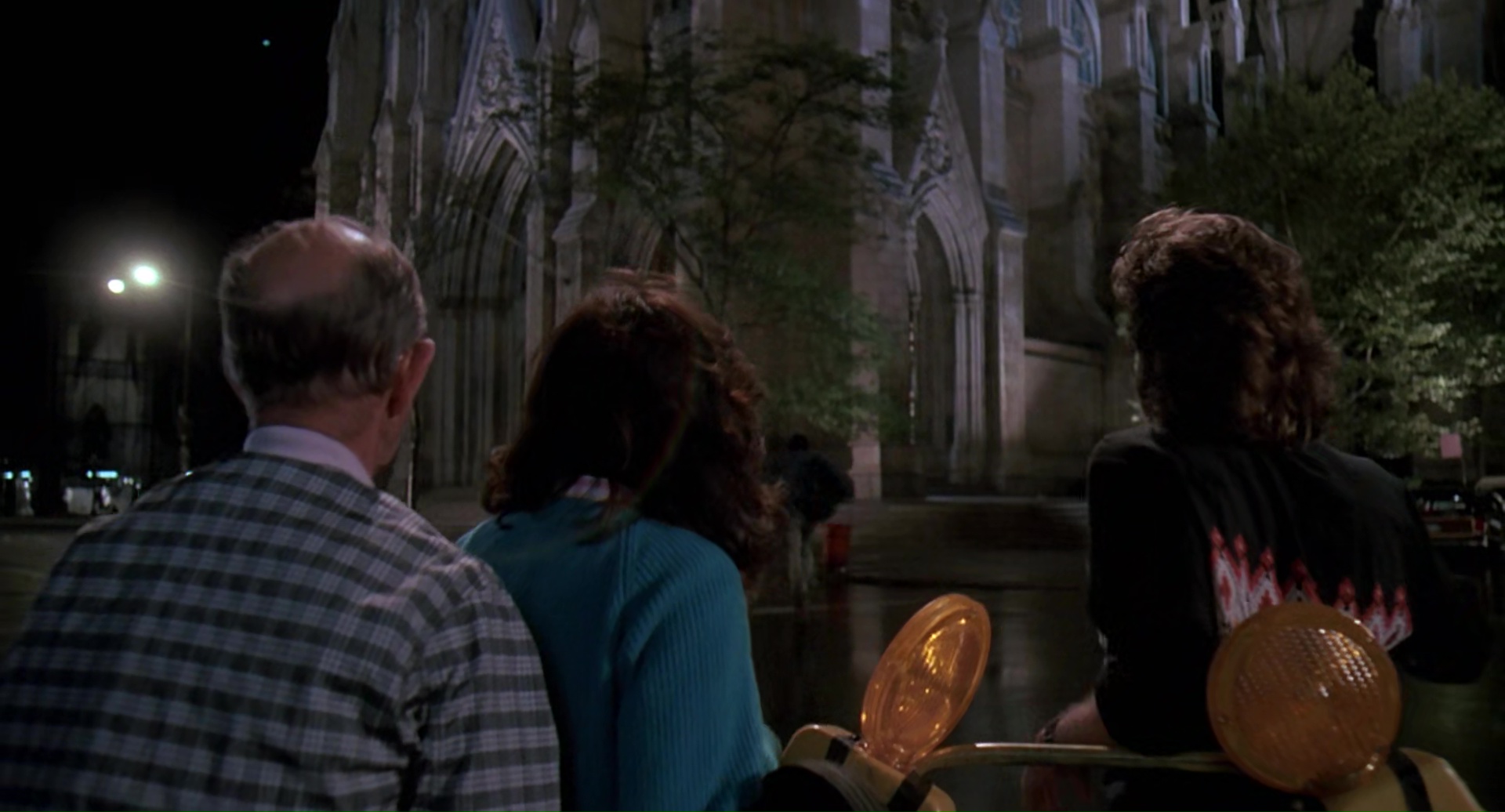
In Batteries Not Included (1987), St. Patrick’s Cathedral appears during the film’s use of Midtown Manhattan around Rockefeller Center. Although the story is centred on the residents of a threatened apartment building in the East Village and the tiny extraterrestrial machines that unexpectedly come to their aid, the film periodically moves away from the neighbourhood to show the much larger city surrounding them. Footage was filmed along Fifth Avenue between West 49th and 50th Streets at Rockefeller Center, placing the southern side of St. Patrick’s Cathedral prominently across the avenue. The cathedral is therefore seen from a less familiar angle than the frontal Fifth Avenue view normally used in films, with its side elevation and Gothic structure forming part of the Midtown streetscape as the sequence moves through central Manhattan and towards the brighter commercial surroundings of Times Square.
In The Godfather Part III (1990), St. Patrick’s Cathedral on Fifth Avenue appears in connection with Michael Corleone’s dealings with Archbishop Gilday as Michael attempts to legitimise his vast business empire through an investment involving the Vatican-controlled Immobiliare corporation. The Midtown cathedral is used as a church exterior associated with Michael’s meeting with Gilday, placing their increasingly questionable financial relationship against one of New York’s most prominent Catholic institutions. The location is easily confused with another church used much more extensively earlier in the film. Michael’s ceremony in which he is named a Commander of the Order of St. Sebastian was filmed at the Basilica of St. Patrick’s Old Cathedral on Mulberry Street in Little Italy, not at the Fifth Avenue cathedral. The two St. Patrick’s locations therefore represent separate churches within the production, with the newer Midtown cathedral contributing specifically to the Fifth Avenue material surrounding Michael and Gilday.
In Spider-Man (2002), St. Patrick’s Cathedral provides the dramatic backdrop when Spider-Man rescues Mary Jane Watson following the Green Goblin’s attack on the World Unity Festival. After fighting the Goblin and saving Mary Jane from falling to her death, Spider-Man carries her away through Midtown and takes her to one of the rooftop gardens of Rockefeller Center. He gently sets her down beside the landscaped pool and asks whether she is all right before preparing to leave. The garden is directly across Fifth Avenue from St. Patrick’s Cathedral, whose enormous Gothic façade and twin spires fill much of the background behind Mary Jane. The sequence makes particularly effective use of the unusual relationship between the two real locations: the intimate rooftop garden sits amid the modern Rockefeller Center complex while the nineteenth-century cathedral rises immediately across the street. St. Patrick’s is therefore not a destination for either character, but its proximity to the real rooftop location gives one of Spider-Man’s quieter romantic scenes an unmistakably New York setting.
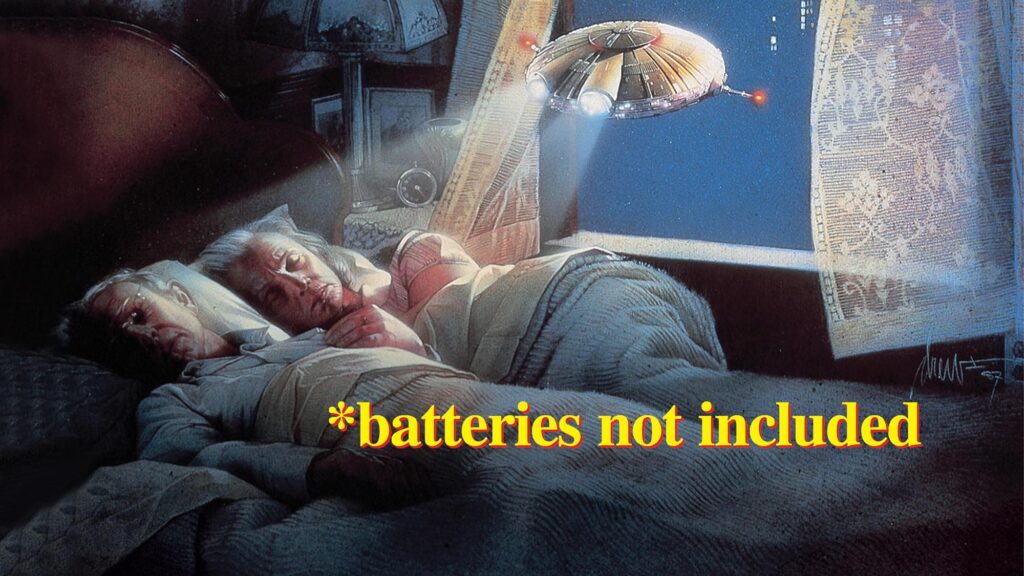
Batteries Not Included (1987)
Batteries Not Included
Batteries Not Included was primarily filmed in the Lower East Side of Manhattan, New York City, with scenes in Times Square and at Universal Studios.
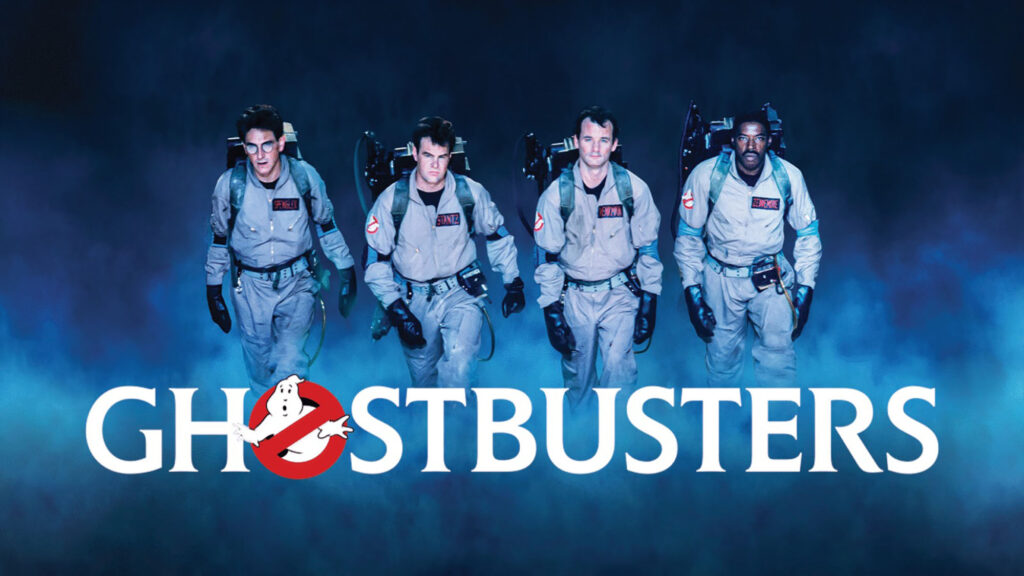
Ghostbusters
Ghostbusters is completely identified with New York, its locations were actually split between New York and Los Angeles in a very effective way.
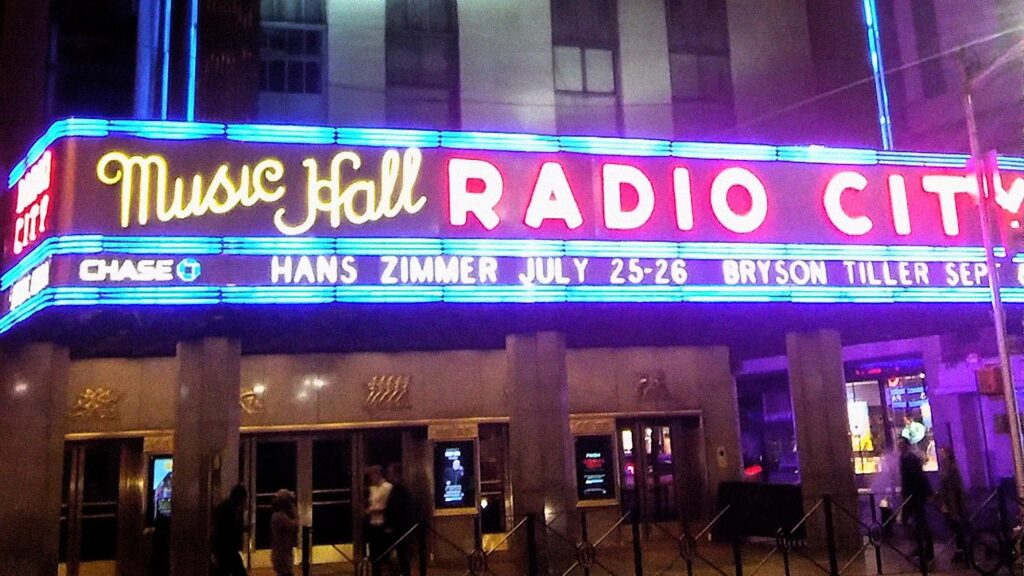
Radio City Music Hall
Radio City Music Hall has served as a prominent filming location for movies such as The Godfather, The Secret Life of Walter Mitty, Rosemary's Baby, and Annie.
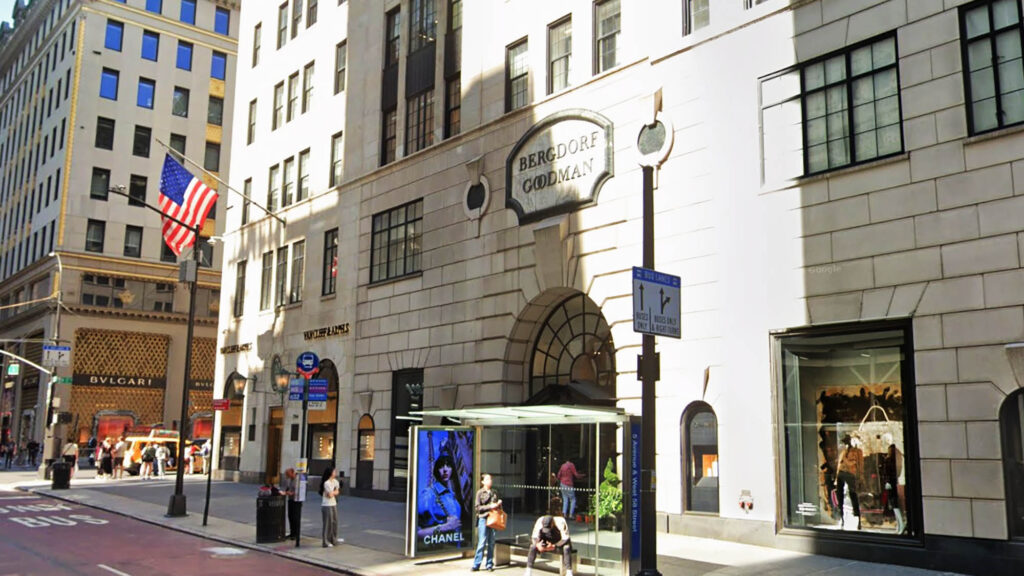
Bergdorf Goodman
Bergdorf Goodman is a luxury department store at 754 Fifth Avenue, overlooking Grand Army Plaza and Central Park at the corner of…
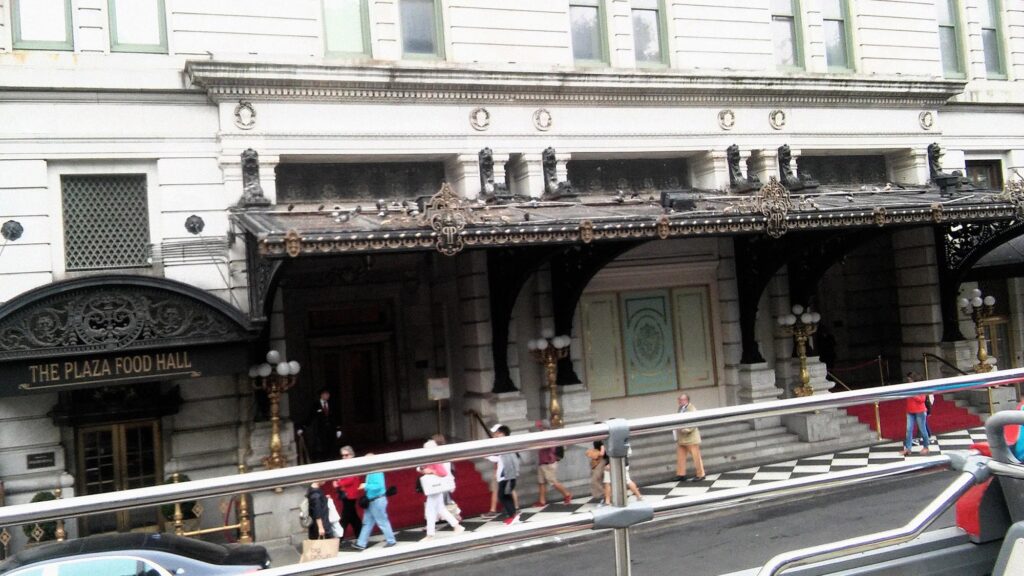
Plaza Hotel
The Plaza Hotel has appeared in many films, including North by Northwest, Plaza Suite, Arthur, Crocodile Dundee, Home Alone 2: Lost in New York, and many more.
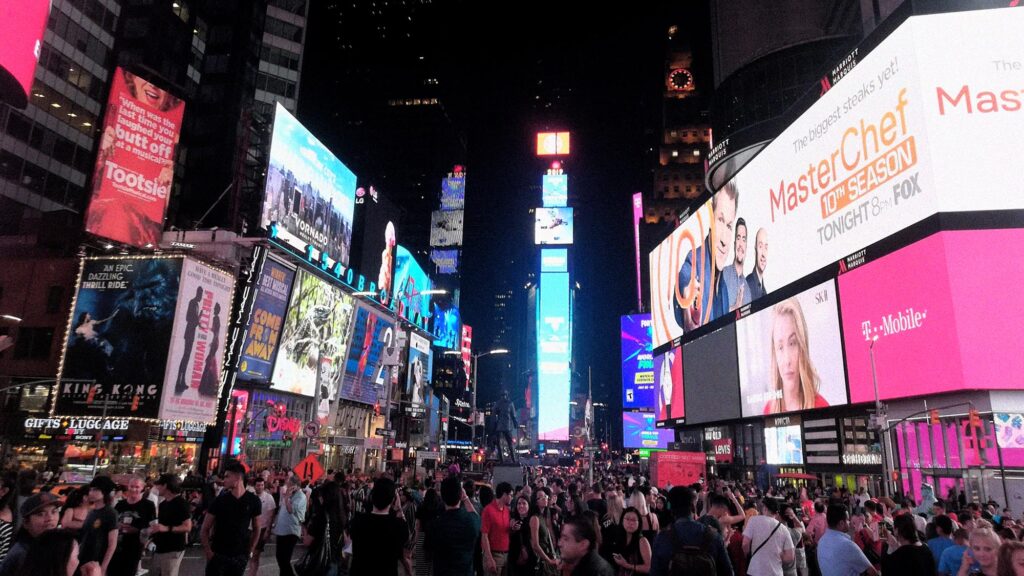
Times Square
Times Square has appeared in Midnight Cowboy, Taxi Driver, *batteries not included, Crocodile Dundee, Big, Vanilla Sky, I Am Legend, Enchanted, and many more.
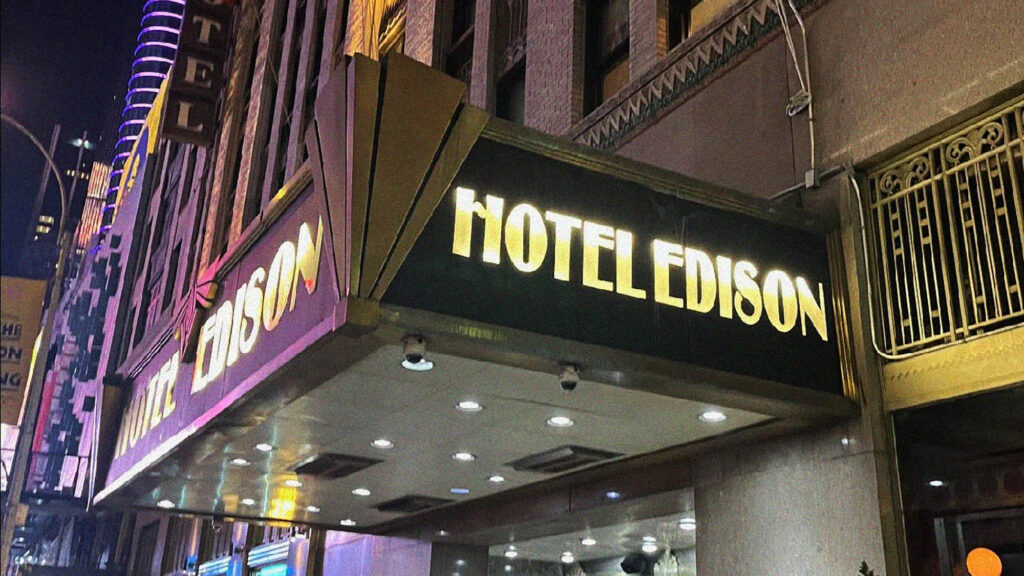
Hotel Edison
Hotel Edison appears in The Godfather (1972), Seinfeld (1989–1998), Bullets over Broadway (1994), and Birdman or (The Unexpected Virtue of Ignorance) (2014).
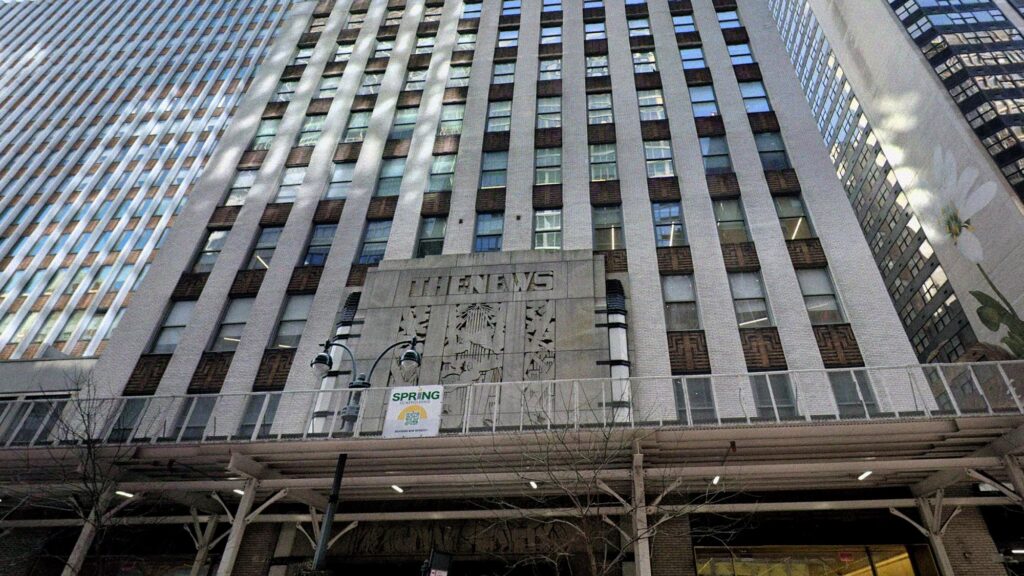
The News Building
The News Building has appeared in Deadline – U.S.A., Emanuelle and the Last Cannibals, La via della prostituzione, Confessions of Emanuelle and Superman movies.
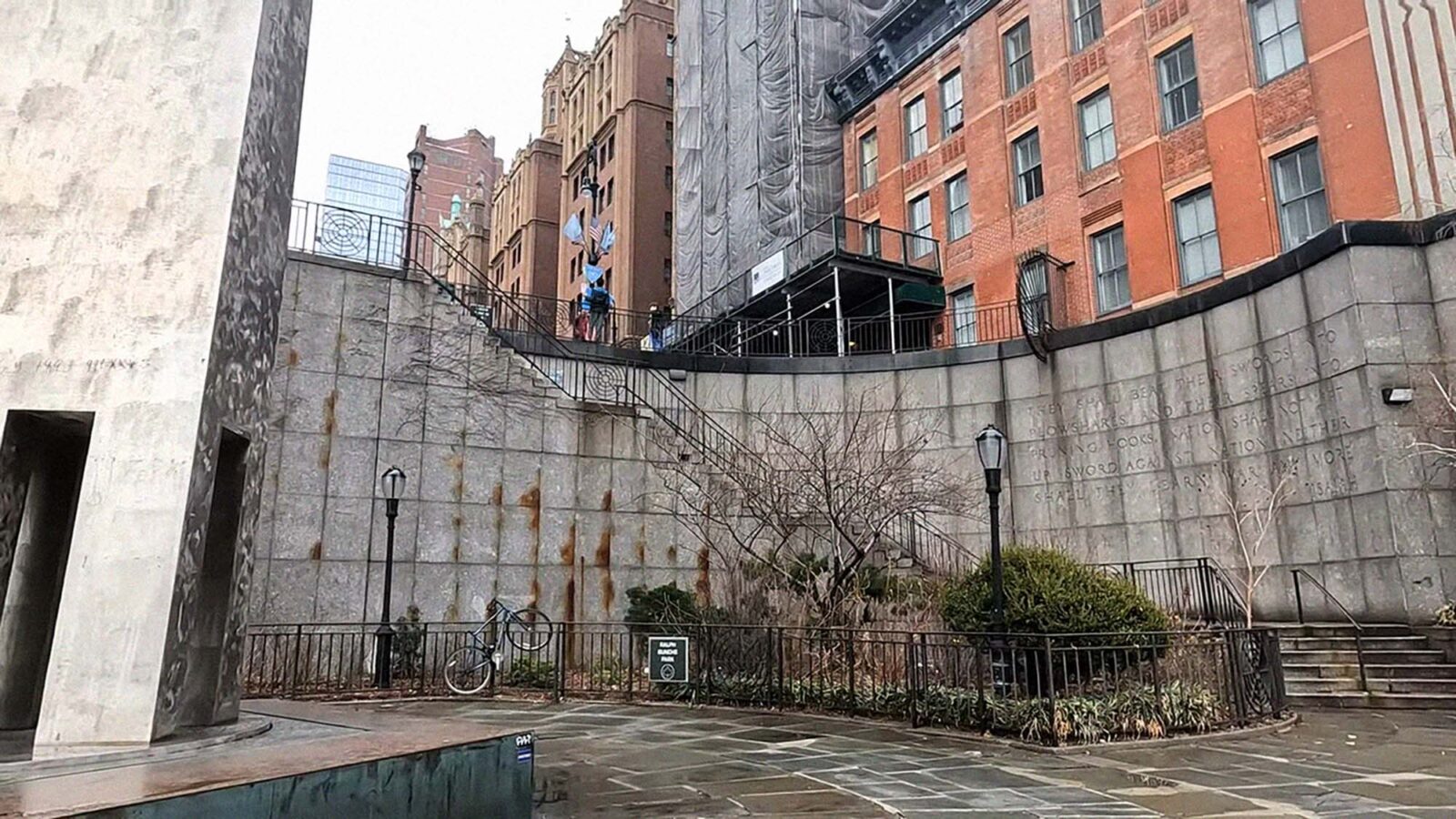
Ralph Bunche Park
Ralph Bunche Park, a small public park in Midtown Manhattan, has appeared in Ciao! Manhattan (1972), A Perfect Murder (1998) and U.S. Marshals (1998).
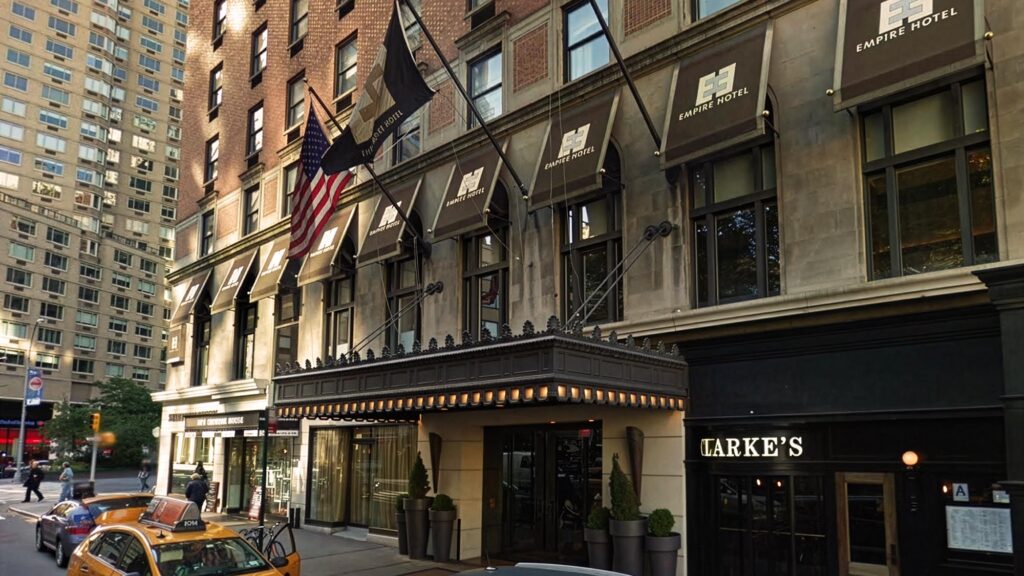
Empire Hotel
The Empire Hotel is used in Gossip Girl (2009–2012), Sex and the City 2 (2010), Power and Dexter: Resurrection (2025–).
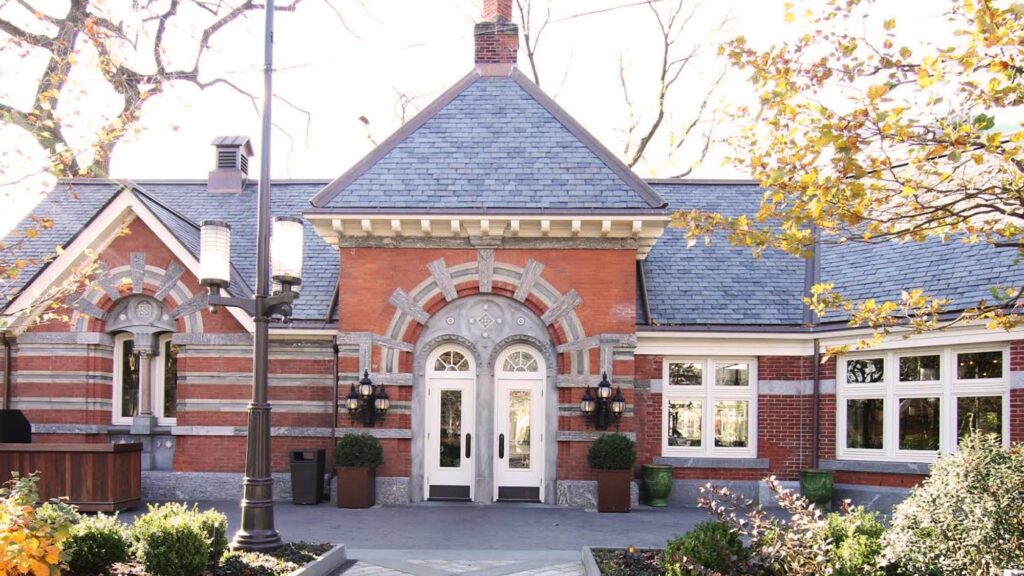
Tavern on the Green
Tavern on the Green has appeared in An Unmarried Woman, It’s My Turn, Arthur, Only When I Laugh, Ghostbusters, Heartburn, Wall Street, Beaches, and many more.