
Las Hadas by Brisas is a resort hotel located on the Santiago Peninsula in Manzanillo, Colima, Mexico. The resort was conceived by Bolivian businessman Antenor Patiño and designed by Spanish-born architect and urban planner José Luis Ezquerra, with development beginning during the 1960s and the hotel opening in 1974. Built across the hillside overlooking the Pacific Ocean, Las Hadas is distinguished by an extensive collection of white buildings incorporating domes, towers, arches, winding staircases, courtyards and narrow passages. The development also included an 18-hole golf course designed by Pete and Roy Dye and a marina capable of accommodating around 120 yachts. Its unusual architecture and secluded coastal setting made Las Hadas one of Mexico’s most distinctive luxury resorts during the 1970s and subsequently attracted several film and television productions.
Las Hadas by Brisas has appeared in Vacaciones misteriosas (1977), 10 (1979), Cuando tejen las arañas (1979), Green Ice (1981) and Remington Steele (1982–1987). The resort has been particularly prominent in 10 (1979) and Green Ice (1981), both of which use Las Hadas under its real name and incorporate the hotel directly into their stories. Its white architecture, guest rooms, gardens, swimming areas, marina, beach and surrounding coastal landscape have provided locations for romantic, dramatic and adventure sequences.
In Vacaciones misteriosas (1977), also known as La palomilla en vacaciones misteriosas, Las Hadas by Brisas was one of several Mexican locations used for the children’s adventure film. The story follows a group of children who become involved in a criminal scheme surrounding stolen archaeological artefacts. The production travelled through several parts of Mexico, including Mexico City, Cancún, Tulum and Manzanillo, with Las Hadas specifically documented as one of its filming locations. The available location records do not identify precisely which individual scenes or areas of the hotel appear in the finished film, so its exact role is less well documented than in the later international productions filmed at the resort.
In 10 (1979), Las Hadas by Brisas plays itself and becomes the principal setting for the Mexican section of the film. Composer George Webber follows Jenny Hanley to Mexico after learning that she and her new husband David are spending their honeymoon at Las Hadas. George checks into the same hotel, where he also meets singer Mary Lewis, and the resort’s distinctive white buildings, rooms and public areas appear extensively as he continues his increasingly obsessive pursuit of Jenny. After George rescues David during an incident at sea and David is subsequently hospitalised, Jenny invites George to spend time with her, eventually leading to the film’s famous romantic encounter accompanied by Ravel’s “Boléro”. Room 402 at Las Hadas has traditionally been identified with the hotel-room sequences. The nearby Playa La Audiencia was used for the celebrated beach scenes featuring Jenny, meaning that the wider Manzanillo resort area as well as the hotel itself forms an important part of the film’s Mexican setting. The international success of 10 (1979) brought considerable attention to Las Hadas and helped establish the hotel as one of Manzanillo’s best-known landmarks.
In Cuando tejen las arañas (1979), Las Hadas by Brisas appears during the Manzanillo sequences of Roberto Gavaldón’s psychological drama. The film centres on Laura, a young upper-middle-class woman whose personal relationships deteriorate after revelations about her deceased father cause her to reassess her family and sexuality. Las Hadas is specifically documented as a filming location, alongside other locations in Manzanillo and Mexico City. The resort’s luxurious surroundings fit the affluent social environment inhabited by Laura and the people around her, although surviving production information does not clearly identify which individual rooms or areas of the hotel were used. The film became the final feature directed by Gavaldón.
In Green Ice (1981), Las Hadas by Brisas plays itself and serves as an important location during the opening part of the story. American electronics engineer Joseph Wiley is travelling through Mexico when he encounters Lillian Holbrook, a wealthy American woman who asks him to drive her to Las Hadas, where she is spending the weekend. After arriving at the resort, Lillian arranges a room for Wiley despite his concern over the hotel’s considerable expense. Once inside his suite, Wiley discovers emeralds belonging to another guest and receives a telephone call intended for that man, drawing him into an illegal emerald transaction. He decides to impersonate the intended buyer and travels from the hotel to a secluded meeting, where the scheme quickly becomes dangerous and an attempt is made on his life. Lillian rescues him from the sea and Wiley subsequently becomes involved with her and her wealthy Colombian suitor, Meno Argenti, eventually uncovering a much larger operation involving Colombia’s emerald trade. Las Hadas is repeatedly identified by name in the film, and substantial material was filmed in and around the resort, including its guest areas, gardens and surrounding coastline. During production, Ryan O’Neal nearly drowned while filming an ocean sequence at Las Hadas and was rescued by stuntman Vic Armstrong.
In Remington Steele (1982–1987), Las Hadas by Brisas appears in the fifth-season premiere, “The Steele That Wouldn’t Die: Part 1”, broadcast in 1987. Newly married Remington Steele and Laura Holt travel to Mexico for their honeymoon but become separated while attempting to reach Las Hadas. Steele eventually emerges from the surrounding countryside onto the resort’s golf course before entering the hotel, where manager Fernando recognises him and welcomes him to Las Hadas. Steele asks for the honeymoon suite and tries to arrange transportation to retrieve Laura, but is advised against travelling through the jungle after dark. His old adversary Norman Keyes then unexpectedly appears at the hotel, further complicating the situation. Laura eventually reaches Las Hadas accompanied by Tony Roselli and confronts Steele in their hotel room. As in 10 (1979) and Green Ice (1981), the production retains the resort’s real name rather than disguising it as a fictional hotel, making its distinctive architecture and grounds readily identifiable throughout the sequence.
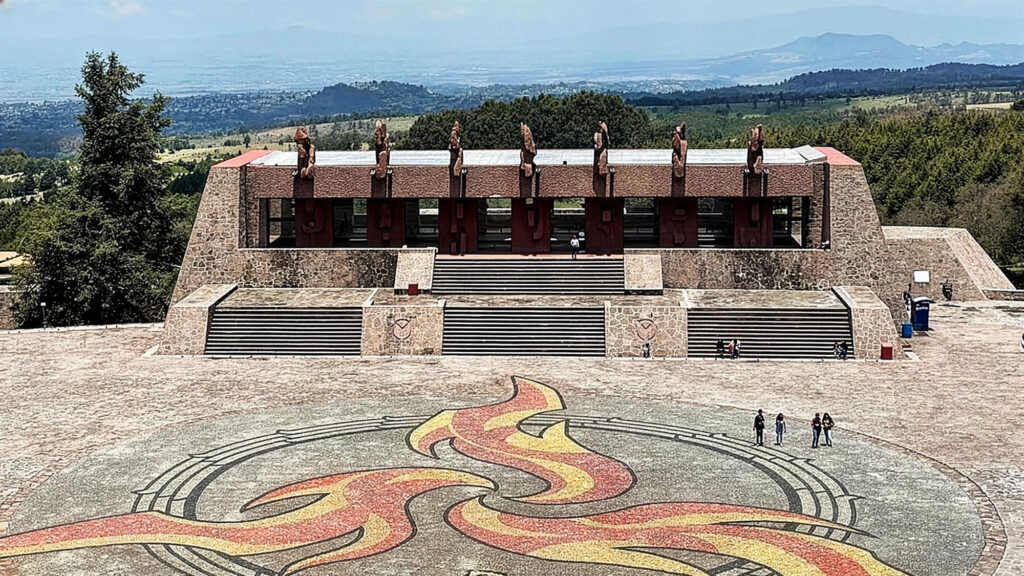
Otomi Ceremonial Center
The Otomi Ceremonial Center served as the filming location for Franz Sanchez’s drug factory/laboratory in the 1989 James Bond film Licence to Kill.
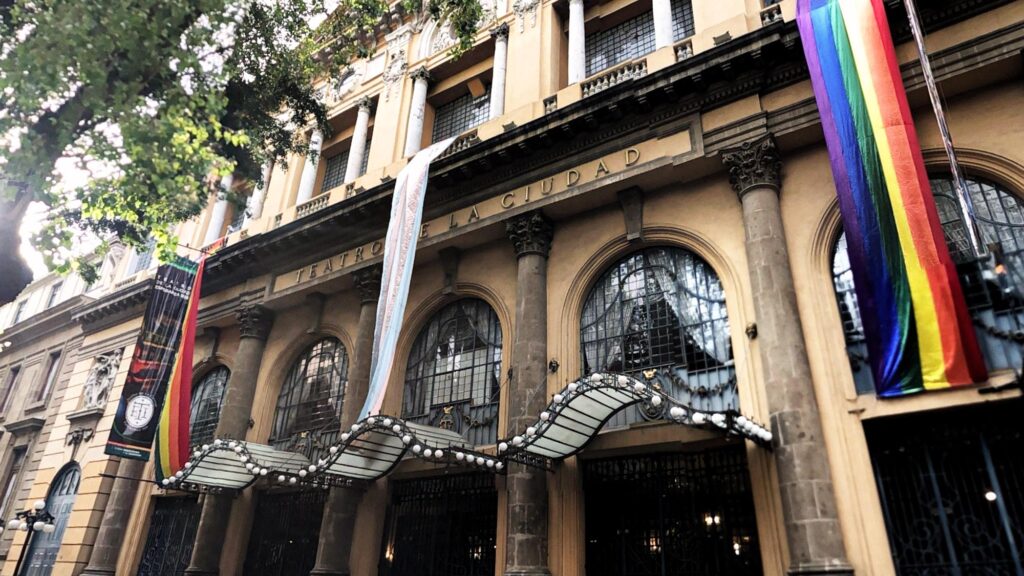
Teatro de la Ciudad
Teatro de la Ciudad is used in Licence to Kill, where Mexico City stands in for the fictional Isthmus City. Several real locations in the capital are used.
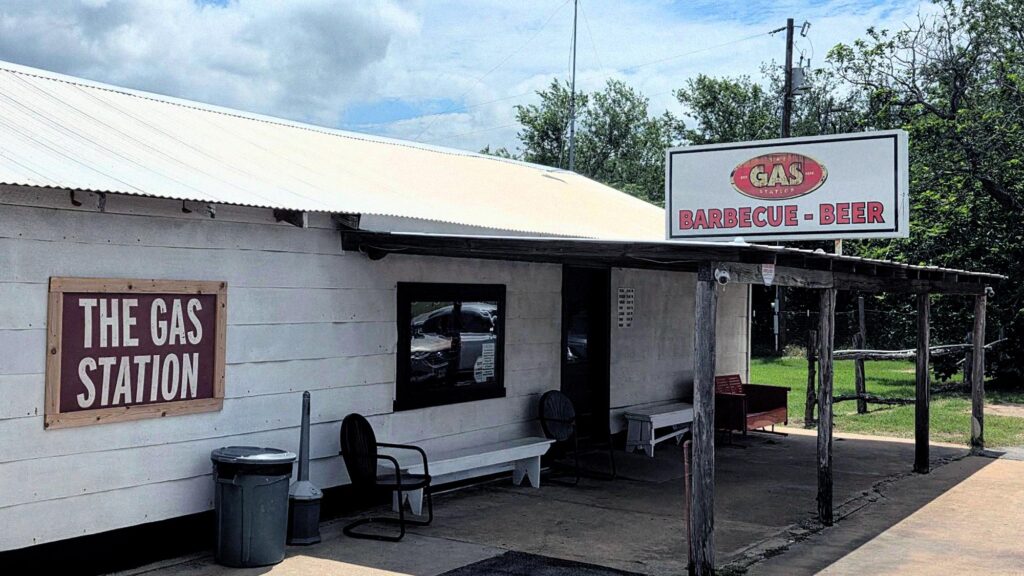
The Gas Station
The Gas Station appears in The Texas Chain Saw Massacre (1974), where it is used as the Last Chance Gas Station. The location is one of the main stops.

Hooper’s
Hooper’s appears in The Texas Chain Saw Massacre. The film was not shot at the house’s current Kingsland location, but the building itself is the same house.
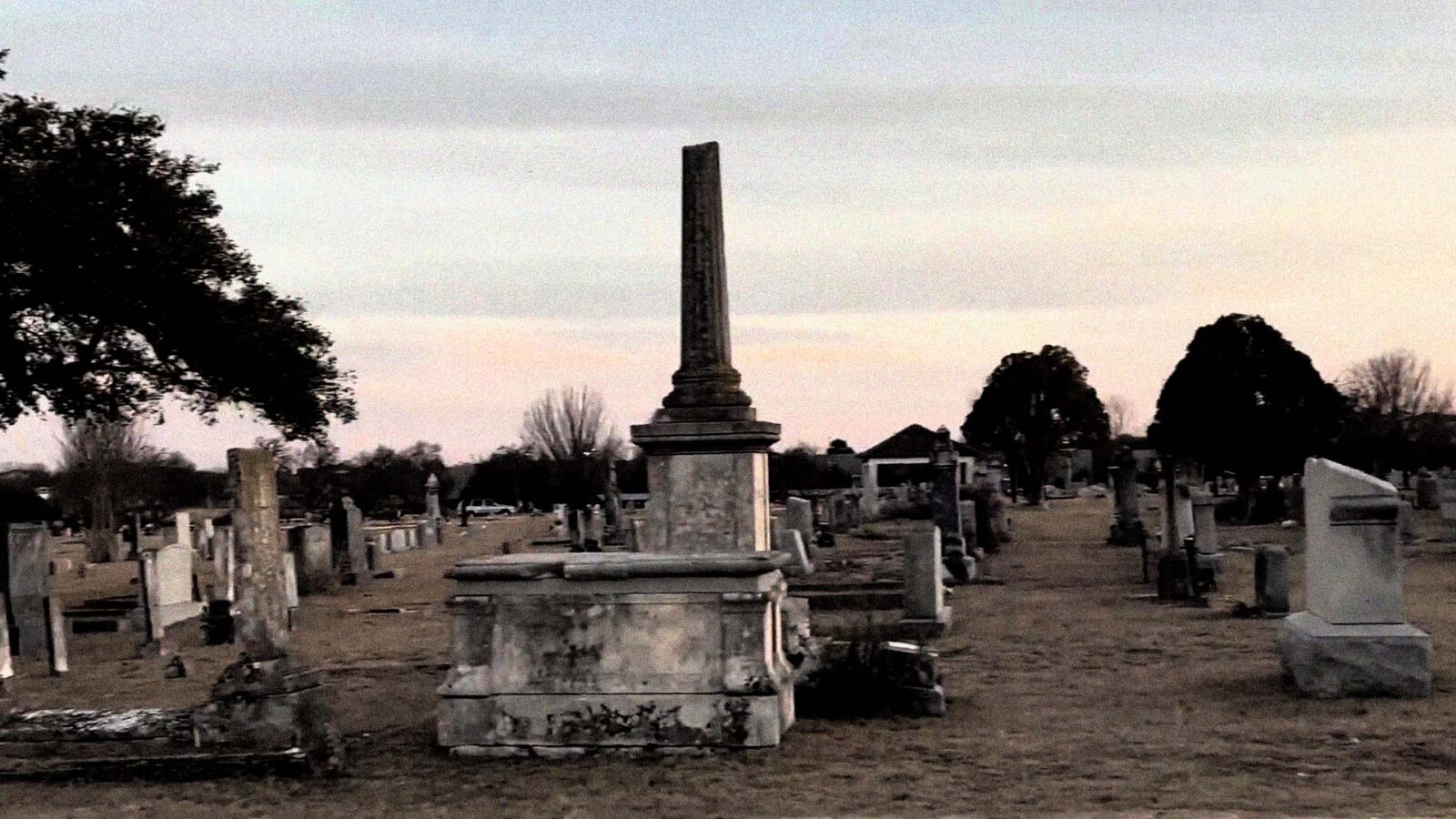
Bagdad Cemetery
Bagdad Cemetery has appeared in The Texas Chain Saw Massacre (1974). The cemetery is used for the film’s disturbing opening images of grave desecration.

The Hewitt House
The Hewitt House appears in the remake, The Texas Chainsaw Massacre (2003) and it's sequel The Texas Chainsaw Massacre: The Beginning (2006).

Roughnecks
Roughnecks appears in Dutton Ranch, the Yellowstone spin-off and sequel series about Beth Dutton and Rip Wheeler. Roughnecks is used as Split Heart Bar.
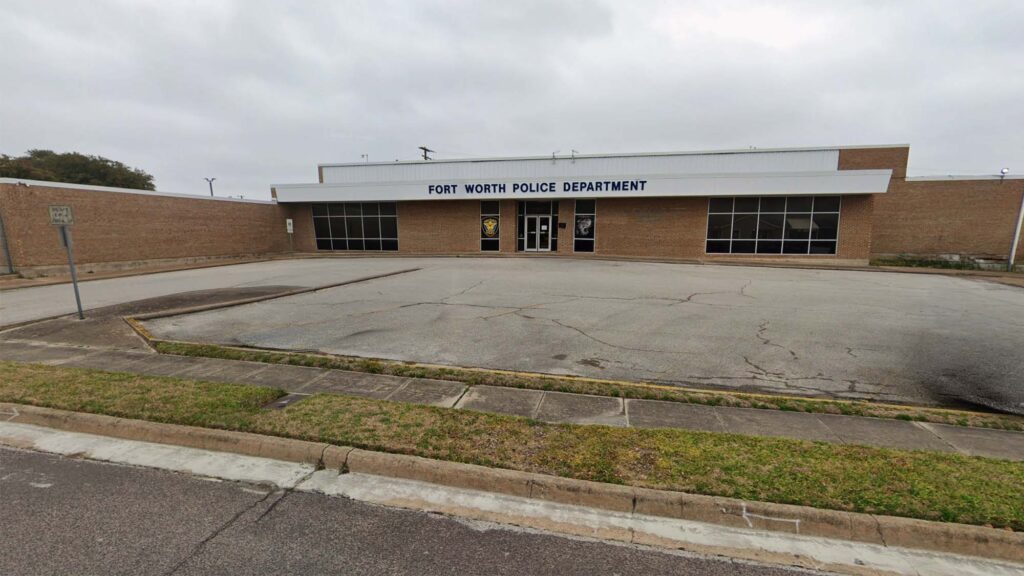
Fort Worth Police Department – West Division
Fort Worth Police Department – West Division has appeared in Dutton Ranch (2026–), where it stands in for the fictional Rio Paloma Sheriff’s Office.
The Oasis Bar and Grill
The Oasis Bar and Grill appears in Dutton Ranch (2026). The series was filmed across North Texas, with Midlothian used for this specific bar scene in season 1.