
Green Mountain Cemetery, also known as Green Mountain Memorial Park, is a historic burial ground at 290 20th Street in Boulder, Colorado. The property originated as part of a 160-acre tract purchased from the United States government by John C. Fisher in 1874. The City of Boulder acquired the land in 1890 after unpaid taxes and used it as a municipal poor farm before developer David E. Dobbins purchased the property in 1904. Dobbins reserved approximately forty acres on its southern side for a new cemetery, and the Boulder Cemetery Association was organised in October that year. Landscape engineer W. W. Parce designed its arrangement of burial plots, roads and planting areas. The first recorded burial was that of Archibald Chalmers on 20 December 1904. Remains from Boulder’s older Columbia Cemetery were subsequently transferred to Green Mountain, particularly when existing family plots required additional space. The cemetery occupies gently sloping ground in southern Boulder, east of Chautauqua and beneath the foothills of the Rocky Mountains.
Green Mountain Cemetery has appeared in Things to Do in Denver When You’re Dead (1995). Its lawns, burial roads, headstones and active funeral procession represent an unnamed cemetery in Denver, where Jimmy “The Saint” Tosnia meets the members of his former criminal crew after learning that they have been marked for death.
In Things to Do in Denver When You’re Dead (1995), Green Mountain Cemetery is used after a supposedly simple intimidation job organised by retired gangster Jimmy “The Saint” Tosnia ends with two people being killed. The crime boss known as the Man with the Plan gives Jimmy a limited opportunity to leave Denver but sentences the other participants to “buckwheats”, the film’s term for an especially brutal execution. Jimmy meets Pieces, Easy Wind, Critical Bill and Franchise at the cemetery while pallbearers carry a coffin through the grounds and mourners gather for a burial. He tells the men that they have been condemned and urges them to leave Denver immediately or disappear underground. The cemetery is not identified by name in the story and stands in for a burial ground in Denver, although filming took place in Boulder. Its gravestones and passing funeral procession create a deliberate background to the conversation, as the men discuss their own approaching deaths while another person is being laid to rest nearby.
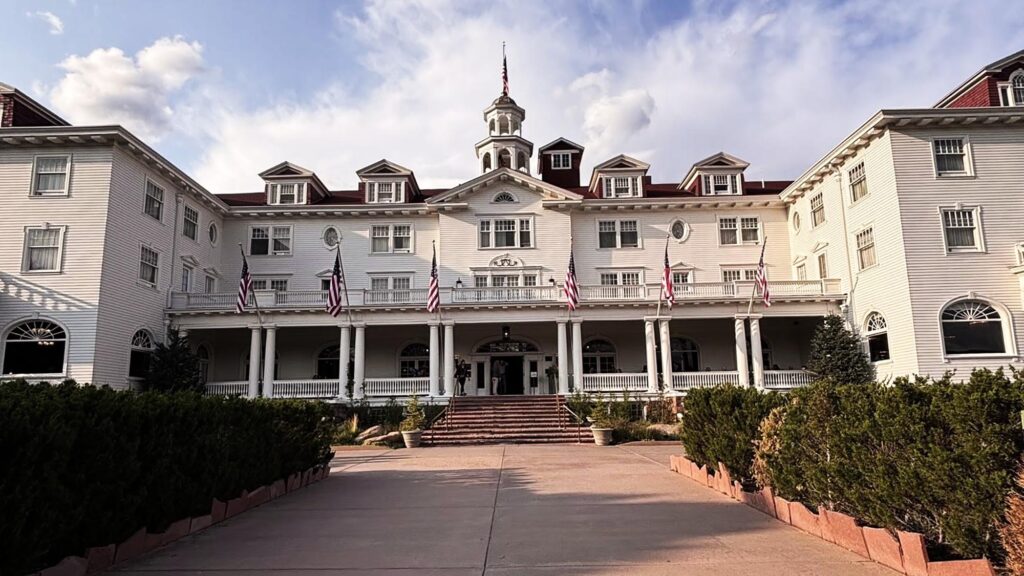
The Stanley Hotel
The Stanley Hotel is the inspiration for King’s novel The Shining (1977) and used for The Shining in 1997. The hotel also appears in Dumb and Dumber (1994).
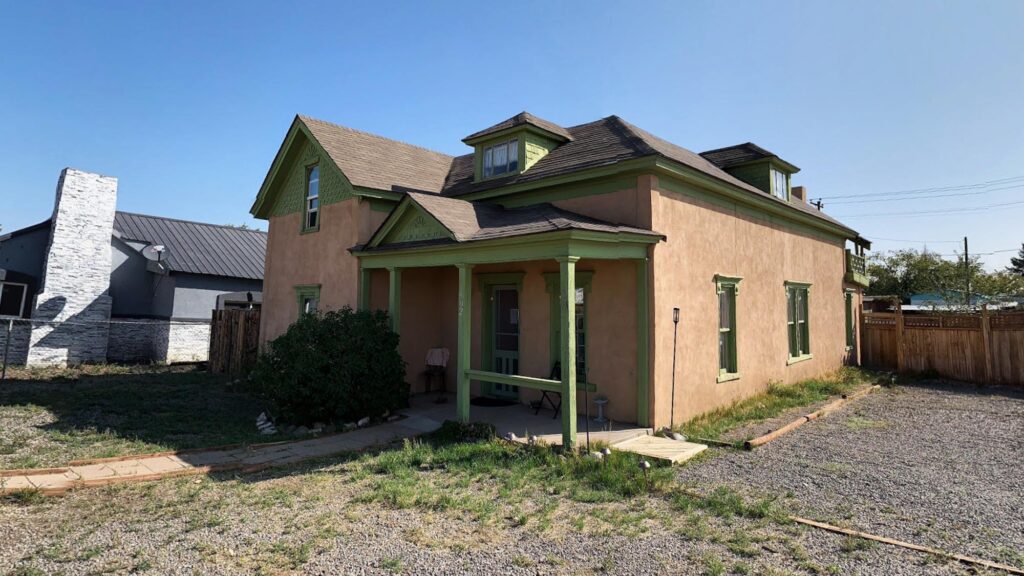
Indiana Jones Bed & Breakfast
Indiana Jones Bed & Breakfast in Antonito, Colorado, is one of the most charming real-world locations connected to "Indiana Jones and the Last Crusade".
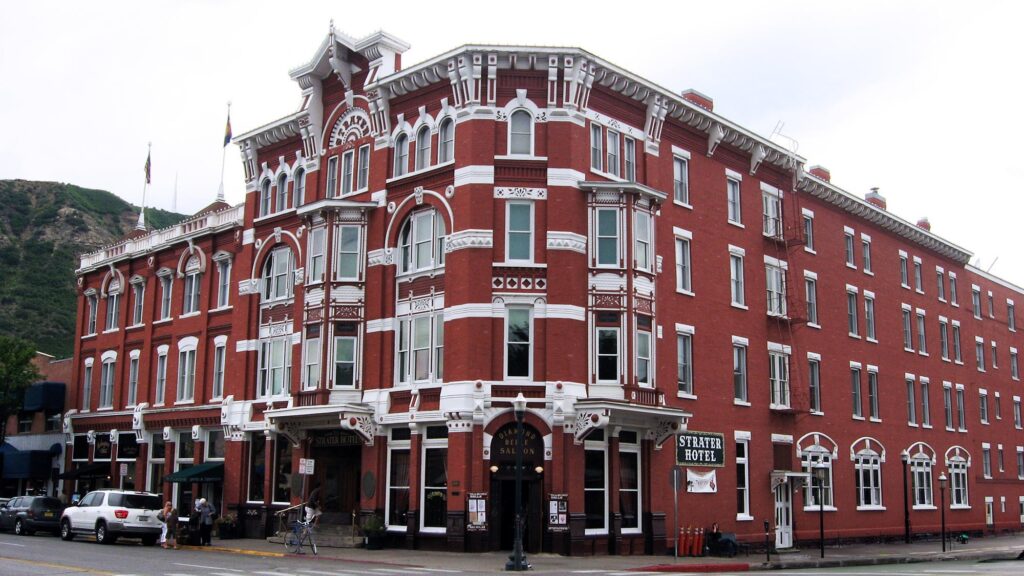
Strater Hotel
Strater Hotel is most relevant as a filming location from National Lampoon’s Vacation. The hotel is also connected to Nurse Betty, which filmed in Durango.
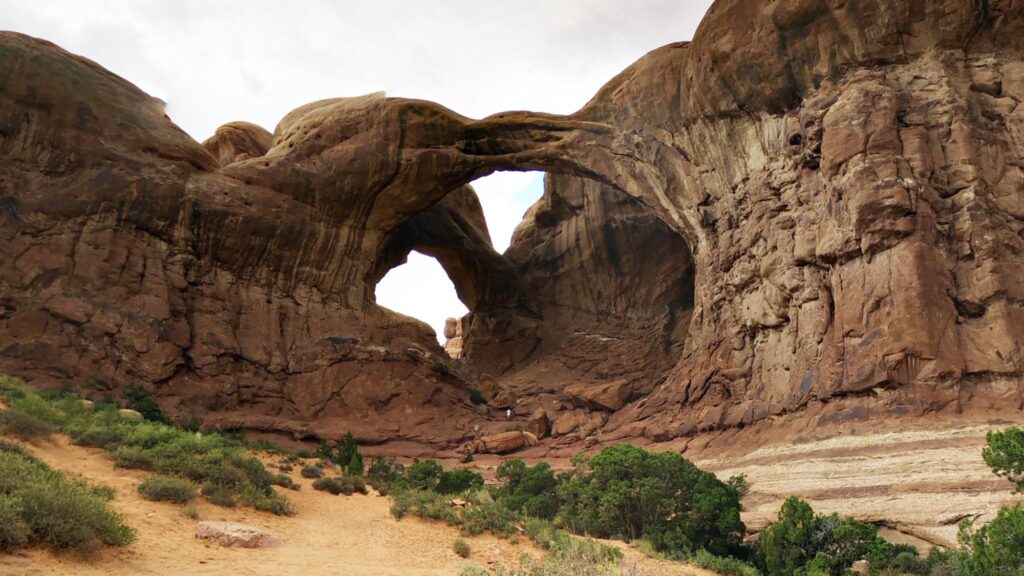
Double Arch
Double Arch is best known from Indiana Jones and the Last Crusade, where it appears during the prologue with young Indiana Jones, played by River Phoenix.
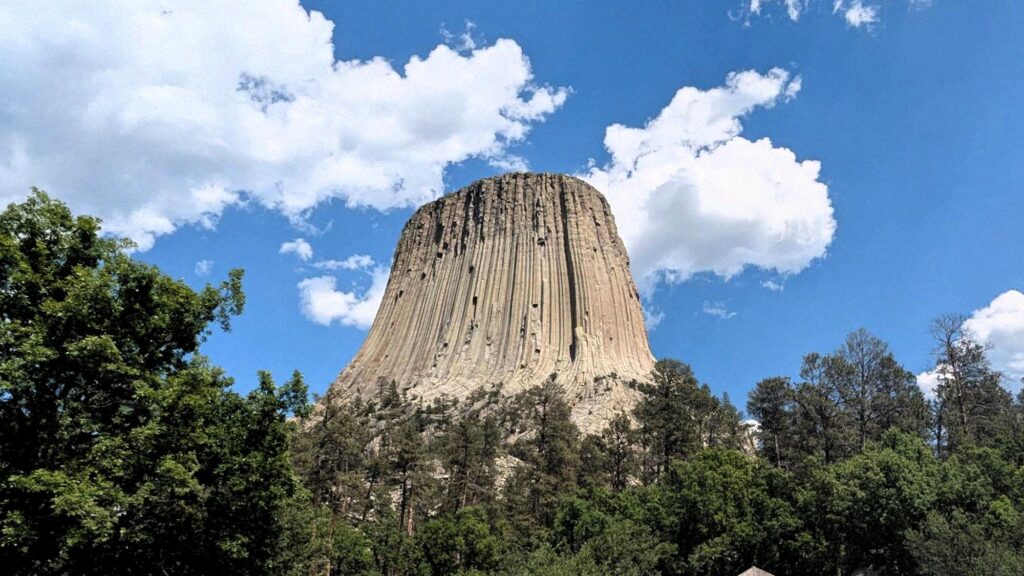
Devils Tower
Devils Tower is most famously connected to "Close Encounters of the Third Kind" (1977). It also appears in the science-fiction comedy "Paul" (2011).
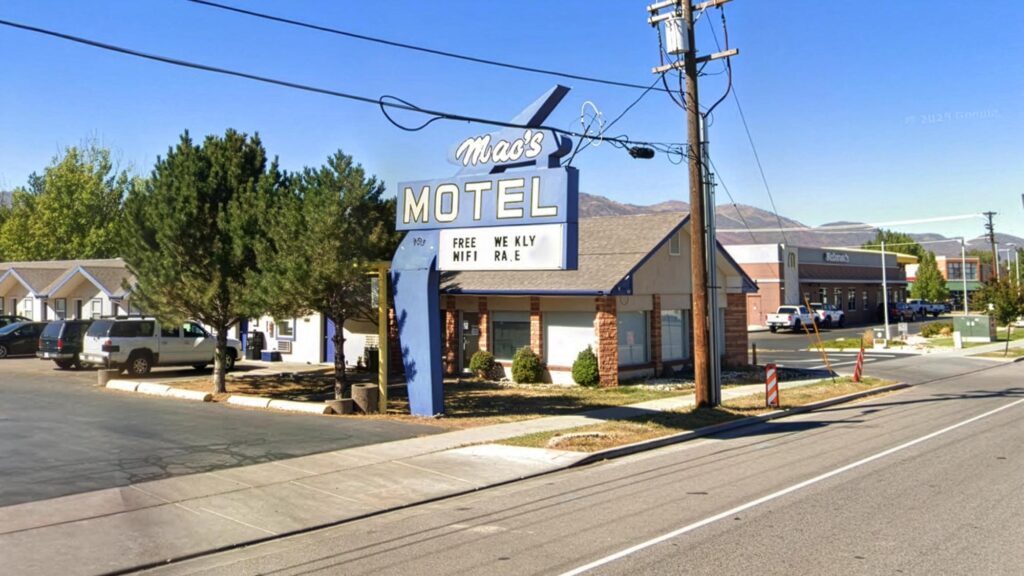
Mac’s Motel Heber City
Mac’s Motel appears in Marshals, in “Wolves at the Door”, episode 13 of season 1. The episode uses it for a stakeout sequence with Cruz, Calvin and Skinner.
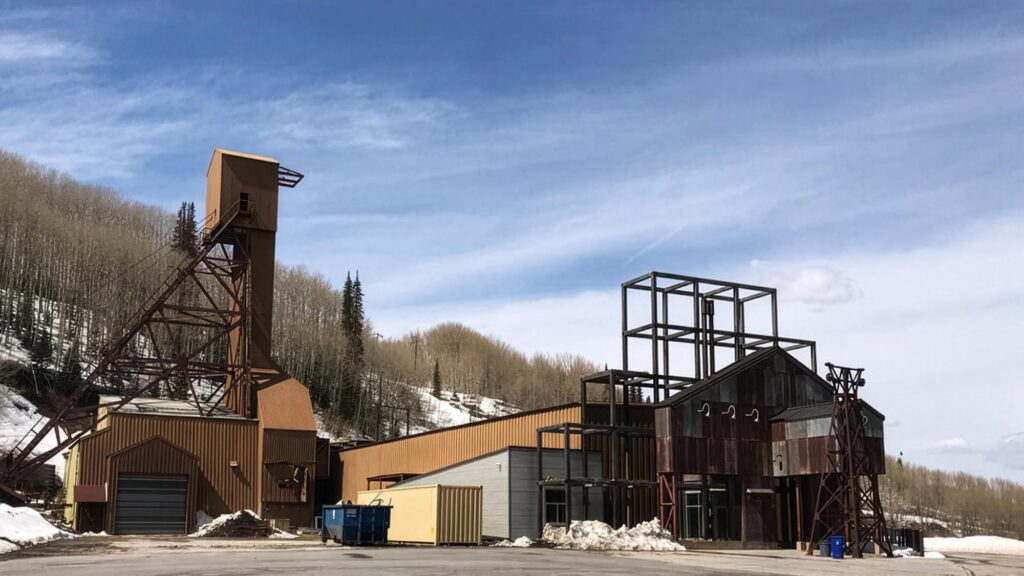
Ontario Mine
Ontario Mine has been used in both horror and modern Western crime drama. It appears in the horror film The Boogens, and as a recurring location in Marshals.
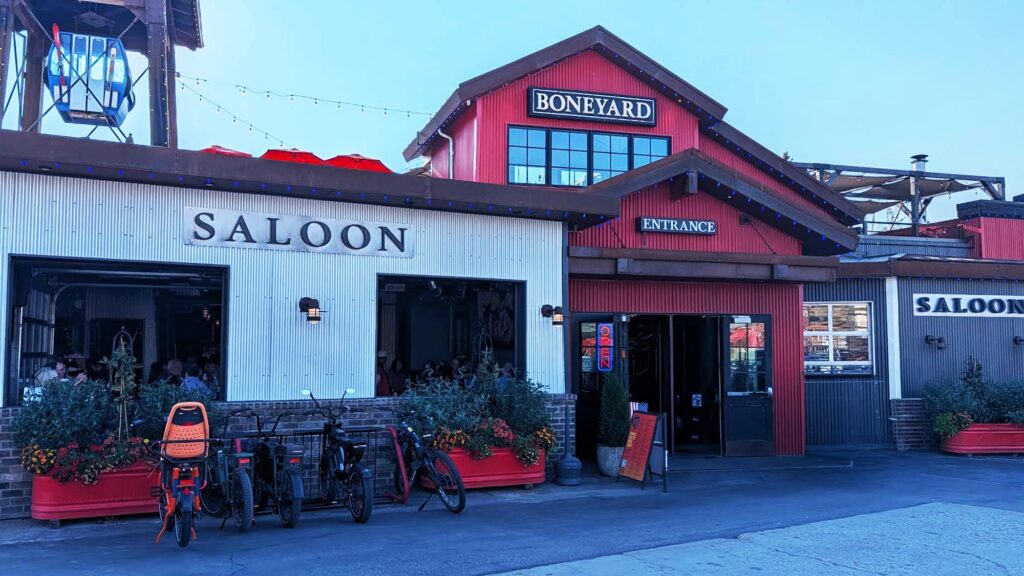
Boneyard Saloon
Boneyard Saloon is used in Marshals, where it stands in for the fictional Bullet ’n Barrel Saloon. In the series, the bar functions as a local watering hole.
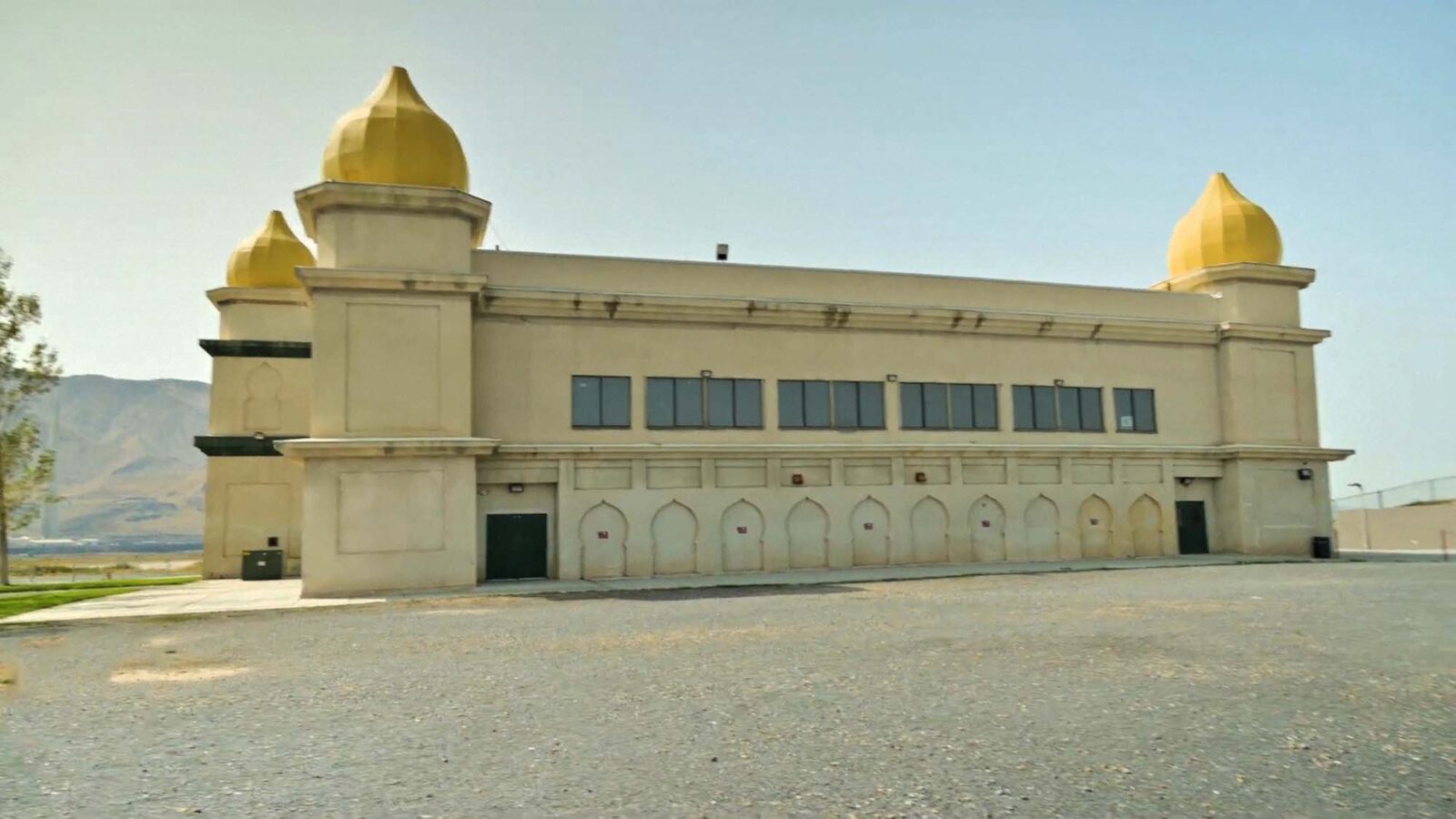
The Great Saltair
The Great Saltair has appeared in Neon City (1991), Josh and S.A.M. (1993) and The Crow: Wicked Prayer (2005).