
Lavenham Market Square, also known as Market Place, is the historic centre of the medieval village of Lavenham in Suffolk, England. The square developed as the commercial heart of a settlement that became one of the wealthiest centres of the English wool and cloth trade during the late Middle Ages. Lavenham received a royal market charter in 1257, permitting a weekly market and two annual fairs, and the open space became an important gathering place for merchants, craftsmen and traders from the surrounding countryside. The village prospered particularly during the fifteenth and early sixteenth centuries through the production of high-quality blue woollen broadcloth known as Lavenham Blew, which was exported to markets throughout Europe. Wealthy merchant families, including the Springs and the de Veres, financed the construction of substantial timber-framed houses that still surround the square. One of its most prominent buildings is the Guildhall of Corpus Christi, completed in 1529 as the meeting place of a wealthy religious guild associated with the town’s prosperous cloth merchants. Another is Little Hall, a fifteenth-century timber-framed building on the opposite side of the square, while the Angel Hotel and several former merchants’ houses complete the historic surroundings. Near the centre stands the Market Cross, erected in 1501–1502 through a bequest from the cloth merchant William Jacob. The roadway in front of the Guildhall is traditionally known as The Butchery, recalling the butchers’ stalls that once occupied this part of the marketplace. Lavenham’s prosperity declined rapidly during the sixteenth century as competition from cheaper and more fashionable cloth produced elsewhere undermined the local industry. The resulting economic stagnation contributed to the survival of its medieval buildings, many of which were never replaced by more modern structures. Some developed the noticeably uneven walls and projecting upper floors that have become characteristic of the village. During the nineteenth and twentieth centuries, conservation efforts helped preserve the square and its surrounding architecture, including the Guildhall, which passed into the care of the National Trust in 1951. Market Square remains one of the most complete historic marketplaces in East Anglia, with buildings dating predominantly from the fifteenth and sixteenth centuries. Its architectural continuity has also made it a useful location for filmmakers seeking historic English settings without extensive reconstruction.
Lavenham Market Square has appeared in Witchfinder General (1968), The Canterbury Tales (1972), Playing Away (1986), Lovejoy (1986–1994), Harry Potter and the Deathly Hallows: Part 1 (2010) and The Strays (2023). Its most famous appearance is in Witchfinder General, where director Michael Reeves staged the burning of a woman accused of witchcraft directly in front of the medieval Guildhall. Pier Paolo Pasolini subsequently used the square’s historic surroundings for The Canterbury Tales, while Playing Away and Lovejoy took advantage of Lavenham’s traditional English village setting. The square and its surrounding buildings were also photographed for the creation of Godric’s Hollow in Harry Potter and the Deathly Hallows: Part 1, with digital effects transforming the actual location into a snow-covered fictional village. More recently, The Strays used Market Square to represent part of the affluent English community of Castle Combe, with several local businesses temporarily altered for the production.
In Witchfinder General (1968), the British historical horror film directed by Michael Reeves, Lavenham Market Square provides the setting for one of the film’s most disturbing sequences. Set during the English Civil War in 1645, the film follows Matthew Hopkins, played by Vincent Price, who travels through East Anglia with his assistant John Stearne, played by Robert Russell, extracting confessions from people accused of witchcraft. The sequence at Lavenham takes place after Parliamentary soldier Richard Marshall, played by Ian Ogilvy, learns that Hopkins is conducting executions in the village. Richard is travelling towards Lavenham to find his fiancée Sara, played by Hilary Dwyer, unaware that the witchfinder has already arrived. The film cuts to the village square, where a large crowd has gathered to witness the burning of several women accused of witchcraft. A wooden execution apparatus has been erected in front of the Guildhall of Corpus Christi, with a tall framework supporting a ladder positioned above a large pile of burning wood. Hopkins stands beside the local magistrate, who asks whether the preparations have been completed. After Hopkins confirms that everything is ready, the magistrate orders the executions to begin. A woman named Elizabeth Clark, played by Maggie Kimberly, is brought forward by the executioners despite her desperate protests. She is forcibly restrained and tied to the wooden ladder while a fire burns beneath her. The executioners then begin slowly lowering the ladder towards the flames using ropes attached to the upper framework. Elizabeth screams as she is brought closer to the fire, while the assembled crowd watches the execution. Reeves photographs the sequence from several positions around Market Square, including wider views showing the entire apparatus against the surrounding medieval buildings. The Guildhall’s distinctive timber-framed façade is particularly prominent, while other shots look east across the square towards the historic houses on the opposite side. As the ladder descends, Elizabeth is eventually engulfed by the flames. The scene continues with the magistrate informing Hopkins that two more women are waiting to be executed. Hopkins calmly orders the remaining prisoners to be brought forward before accepting payment for his services. The magistrate presents him with twelve guineas in silver, thanking him for his work. Shortly afterwards, Stearne arrives and confronts Hopkins about abandoning him during an earlier encounter with Parliamentary soldiers. Their conversation reveals that Hopkins has begun referring to himself as Witchfinder General and hopes to receive official recognition for his activities throughout England. The execution sequence was filmed at the actual Market Square in Lavenham during the autumn of 1967. The production temporarily removed or concealed modern television aerials and telephone wires to preserve the seventeenth-century appearance of the surroundings. Producer Philip Waddilove also hired a hydraulic cherry picker from a local utility company for £10, allowing the filmmakers to obtain elevated camera angles without the expense of a conventional film crane. The burning itself was achieved using a combination of controlled fire effects and a dummy, although Kimberly was genuinely secured to the ladder for part of the sequence. During filming, shifting winds caused the flames to rise dangerously close to the actress, briefly scorching her eyebrows. The sequence was subsequently shortened by British film censors because of its graphic violence. The square’s surviving medieval architecture remains readily identifiable in the finished film, particularly the Guildhall, the neighbouring timber-framed houses and the open space where the execution apparatus was constructed.
In The Canterbury Tales (1972), originally titled I racconti di Canterbury, the Italian film directed by Pier Paolo Pasolini, Lavenham Market Square and its surrounding medieval buildings were used to recreate an English town during the Middle Ages. The film adapts eight stories from Geoffrey Chaucer’s collection, combining bawdy comedy, religious satire and grotesque depictions of medieval society. Lavenham is associated particularly with the Wife of Bath’s Tale, featuring Laura Betti as the wealthy and sexually assertive woman whose relationships with successive husbands form one of the film’s episodes. The Guildhall of Corpus Christi, overlooking Market Square, was used as the exterior and interior of the Wife of Bath’s home. Its exposed timber framing and projecting upper storeys provided a convincing medieval setting, while the surrounding square contributed to the appearance of the town in which she lives. Pasolini used the historic buildings of Lavenham to represent medieval Bath rather than attempting to recreate the period entirely on constructed sets. The sequences involving the Wife of Bath focus on her domestic life and her increasingly troublesome marriage to the much younger student Jenkin, played by Tom Baker. The Guildhall serves as the location for scenes in which her authority over her household and her relationship with her husband are established. Filming took place in 1971, only a few years after the same square had been used for Witchfinder General. Although Lavenham’s involvement in the production is well documented, the Guildhall itself is more securely identified than individual shots of the open marketplace.
In Playing Away (1986), the British comedy-drama directed by Horace Ové, Lavenham Market Square was among the village locations used to establish the setting of a traditional English country community. The film follows a predominantly Black cricket team from Brixton, South London, invited to play a friendly match against a rural village team as part of a local celebration. The visitors encounter a mixture of curiosity, hospitality, prejudice and social misunderstanding as they spend a weekend among the villagers. The story uses the cricket match and the events surrounding it to explore racial and class divisions in British society during the 1980s. Lavenham provided part of the rural setting, with its historic streets and marketplace representing the kind of established English community that contrasts with the visiting team’s urban background. The production was filmed partly in the village, including the Market Square area, although the precise scenes shot on the square have not been identified as clearly as those in Witchfinder General. The location’s involvement is nevertheless recorded in local accounts of Lavenham’s filmmaking history.
In Lovejoy (1986–1994), the BBC comedy-drama series based on the novels by Jonathan Gash, Lavenham Market Square and the surrounding historic streets appeared among the East Anglian locations used throughout the production. Ian McShane stars as Lovejoy, an antiques dealer and occasional detective whose extensive knowledge of valuable objects frequently brings him into contact with fraudsters, thieves, collectors and eccentric members of the British upper classes. The series was filmed extensively in Suffolk and Essex, using actual villages, antique shops, country houses and historic buildings rather than relying entirely on studio sets. Lavenham became one of its recurring locations, with the Market Square providing a recognisable backdrop for scenes in the village. Its traditional shops and timber-framed houses were particularly appropriate to a series concerned with antiques and the history of valuable objects. The village also features in the final episode, «Last Tango in Lavenham» (1994), which centres on Lovejoy’s approaching marriage to Charlotte Cavendish, played by Caroline Langrishe. The production made use of Lavenham’s historic surroundings during filming, although the specific shots taken in Market Square have not been conclusively separated from those filmed elsewhere in the village.
In Harry Potter and the Deathly Hallows: Part 1 (2010), the fantasy film directed by David Yates, Lavenham Market Square and its surrounding medieval buildings provided background footage for the fictional village of Godric’s Hollow. Harry Potter, played by Daniel Radcliffe, and Hermione Granger, played by Emma Watson, travel to the village on Christmas Eve while searching for information about the mysterious symbol associated with the Deathly Hallows. Godric’s Hollow is particularly significant to Harry because it is where his parents, James and Lily Potter, were murdered by Lord Voldemort when Harry was an infant. Disguised to avoid recognition, Harry and Hermione arrive in the village at night and walk through its snow-covered streets, passing traditional houses and Christmas decorations. They encounter a group of people leaving a church service and subsequently visit the graveyard, where Harry discovers the graves of his parents. As they continue through the village, they also see the ruined remains of the house where his family once lived. Lavenham’s historic buildings were photographed for these sequences, with the Guildhall and other structures around Market Square contributing to the appearance of Godric’s Hollow. The production visited the village in January 2010 under conditions of considerable secrecy, recording exterior material that was subsequently incorporated into the film using digital effects. The actual buildings were digitally altered, combined with additional structures and covered in snow to create the fictional village. Although Lavenham had already been used for several period productions, this was a different type of filmmaking, with the real location providing architectural background rather than a complete setting for live-action performances. Radcliffe and Watson did not film their scenes in Lavenham; their performances were recorded separately and combined with the location footage during post-production. The Guildhall and surrounding marketplace consequently appear as elements of the digitally constructed Godric’s Hollow, rather than as an unaltered view of Market Square. Another important Lavenham location, De Vere House on Water Street, was used to represent parts of Harry Potter’s childhood home.
In The Strays (2023), the British psychological thriller written and directed by Nathaniel Martello-White, Lavenham Market Square was transformed into part of the fictional affluent English community of Castle Combe. The film stars Ashley Madekwe as Neve, a seemingly successful middle-class woman who lives with her husband Ian, played by Justin Salinger, and their two children, Sebastian and Mary. Neve has carefully constructed a new identity after abandoning her previous family and concealing her background. Her comfortable life begins to unravel when two young Black strangers, played by Bukky Bakray and Jorden Myrie, arrive in the community and appear to be watching her. The film gradually reveals that they are Dione and Carl, the children she abandoned many years earlier, who have come to confront their mother about her disappearance. Market Square was used for exterior filming representing the commercial centre of Castle Combe, alongside additional locations in the nearby Suffolk village of Kersey. Several businesses surrounding the square were temporarily altered to match the fictional setting, including The Parlour ice cream shop, The Little White Box and Lavenham Blue vintage tea rooms. The production closed the square to ordinary traffic for several days while the buildings and shopfronts were dressed for filming. These exterior sequences helped establish the apparently peaceful and prosperous community in which Neve has reinvented herself, contrasting with the increasingly disturbing events that threaten to expose her past. The film was shot in the autumn of 2021 under the working title Coldharbour Lane, with Screen Suffolk assisting the production in securing and managing its locations. Although the filming of Market Square is confirmed by contemporary reports, the individual shots have not been documented in sufficient detail to attribute particular character movements or conversations to the square with certainty.
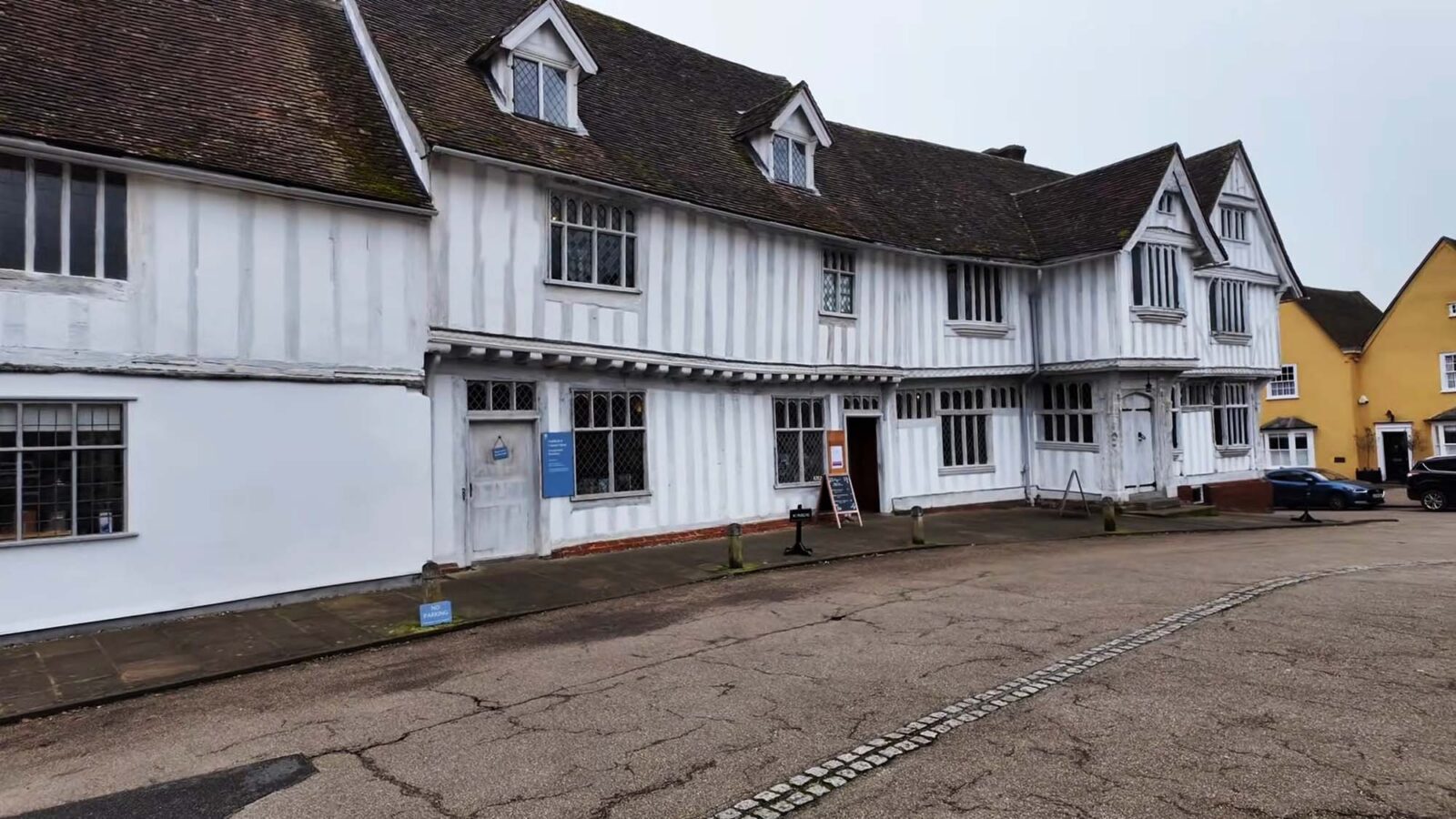
Lavenham Guildhall
Lavenham Guildhall is in Witchfinder General (1968), The Canterbury Tales (1972), Barry Lyndon (1975) and Harry Potter and the Deathly Hallows: Part 1 (2010).
St John the Evangelist Church
St John the Evangelist Church appears in Witchfinder General (1968), the British historical horror film directed by Michael Reeves and starring Vincent Price.
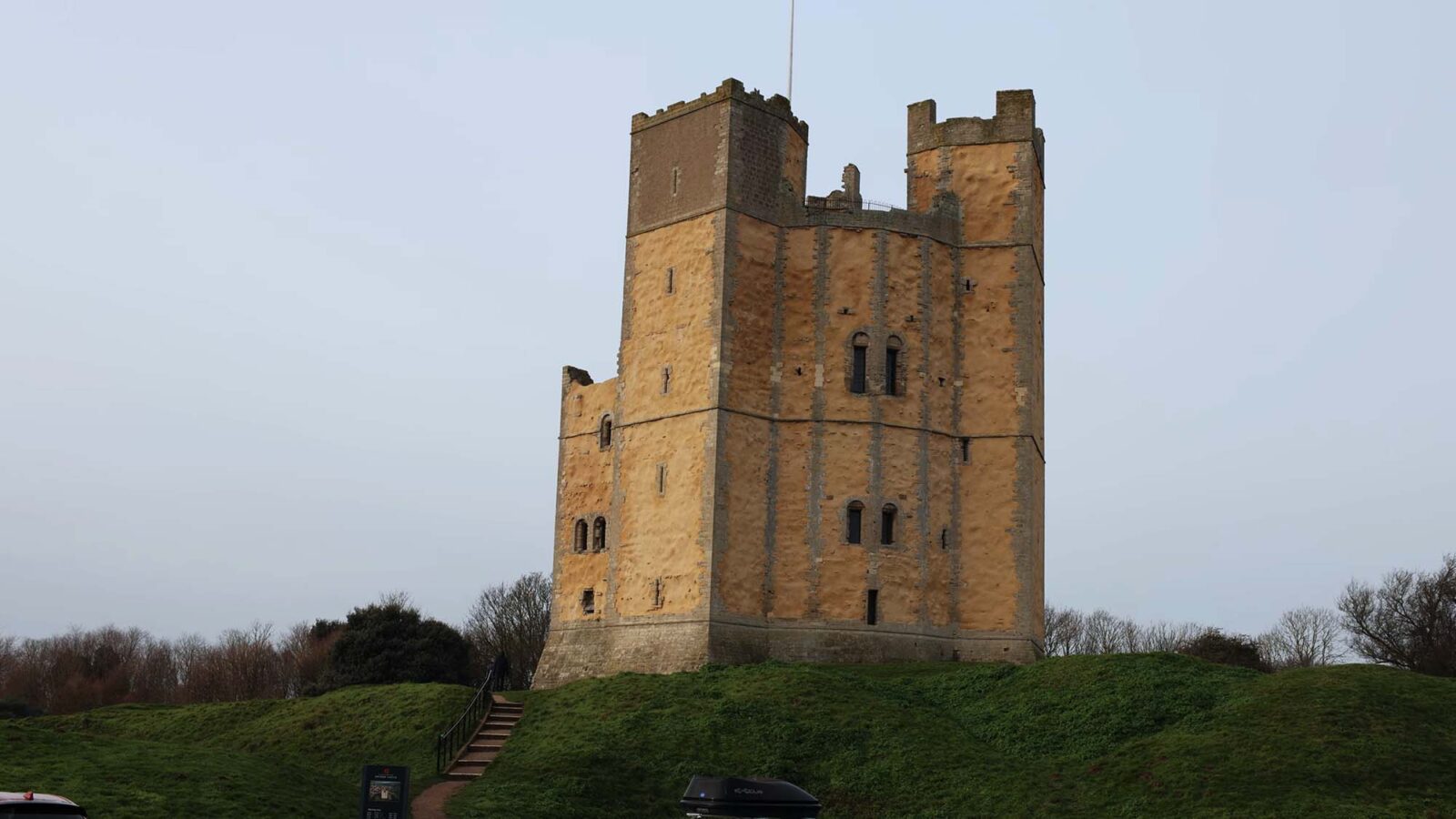
Orford Castle
Orford Castle appears in Witchfinder General (1968), the British historical horror film directed by Michael Reeves and starring Vincent Price.
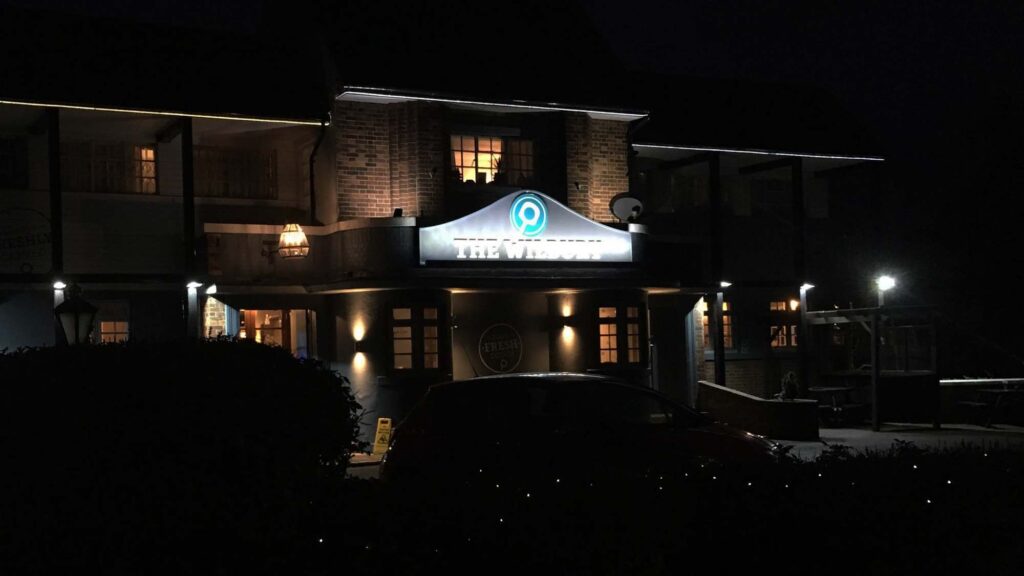
The Wilbury
The Wilbury has appeared in The World’s End (2013), where it was used as the fictional pub that gives the film its title and serves as the final destination.
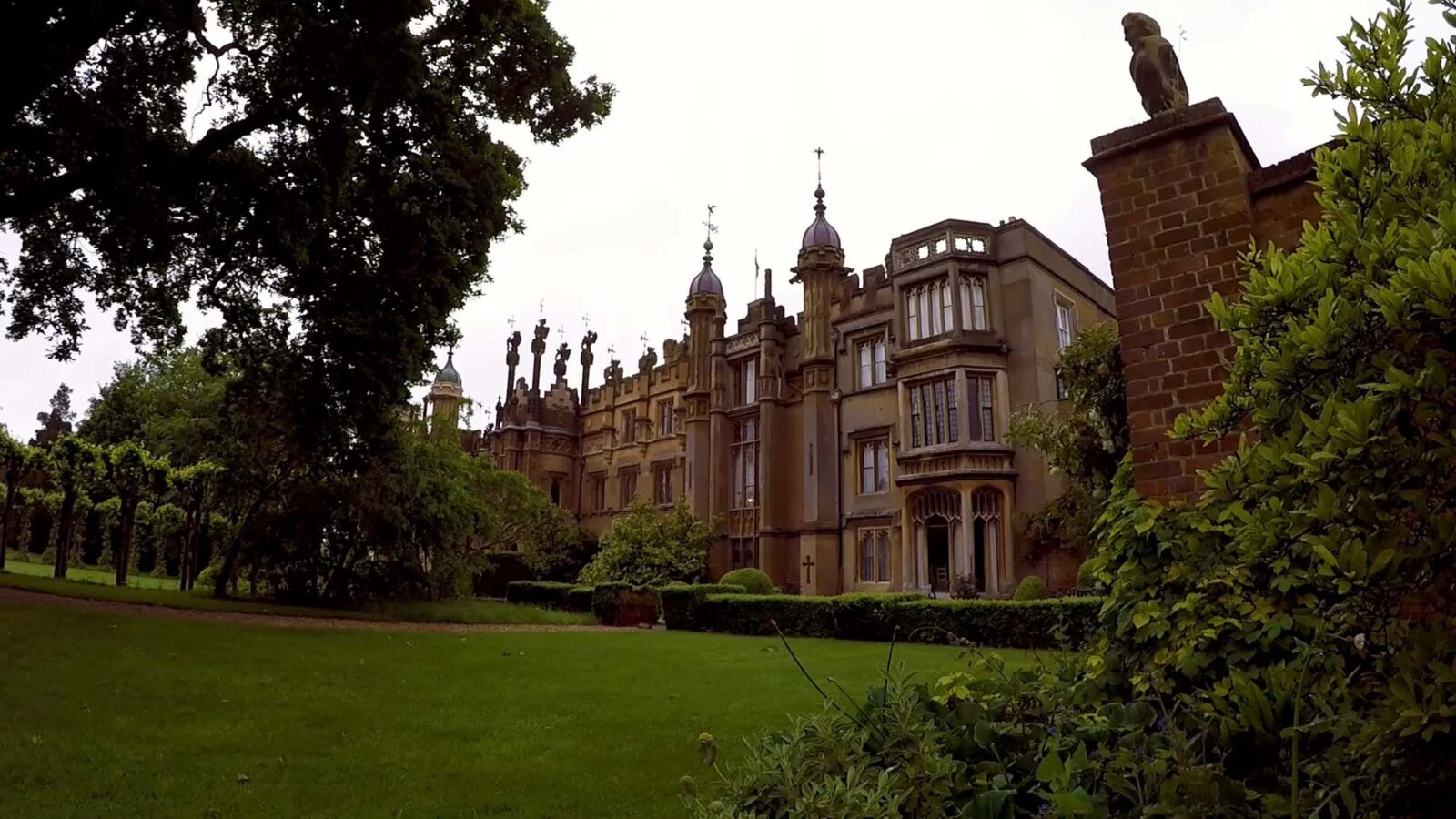
Knebworth House
Knebworth House appeared in The Great Muppet Caper, The Shooting Party, The Lair of the White Worm, Batman, The Wings of the Dove, and many more.
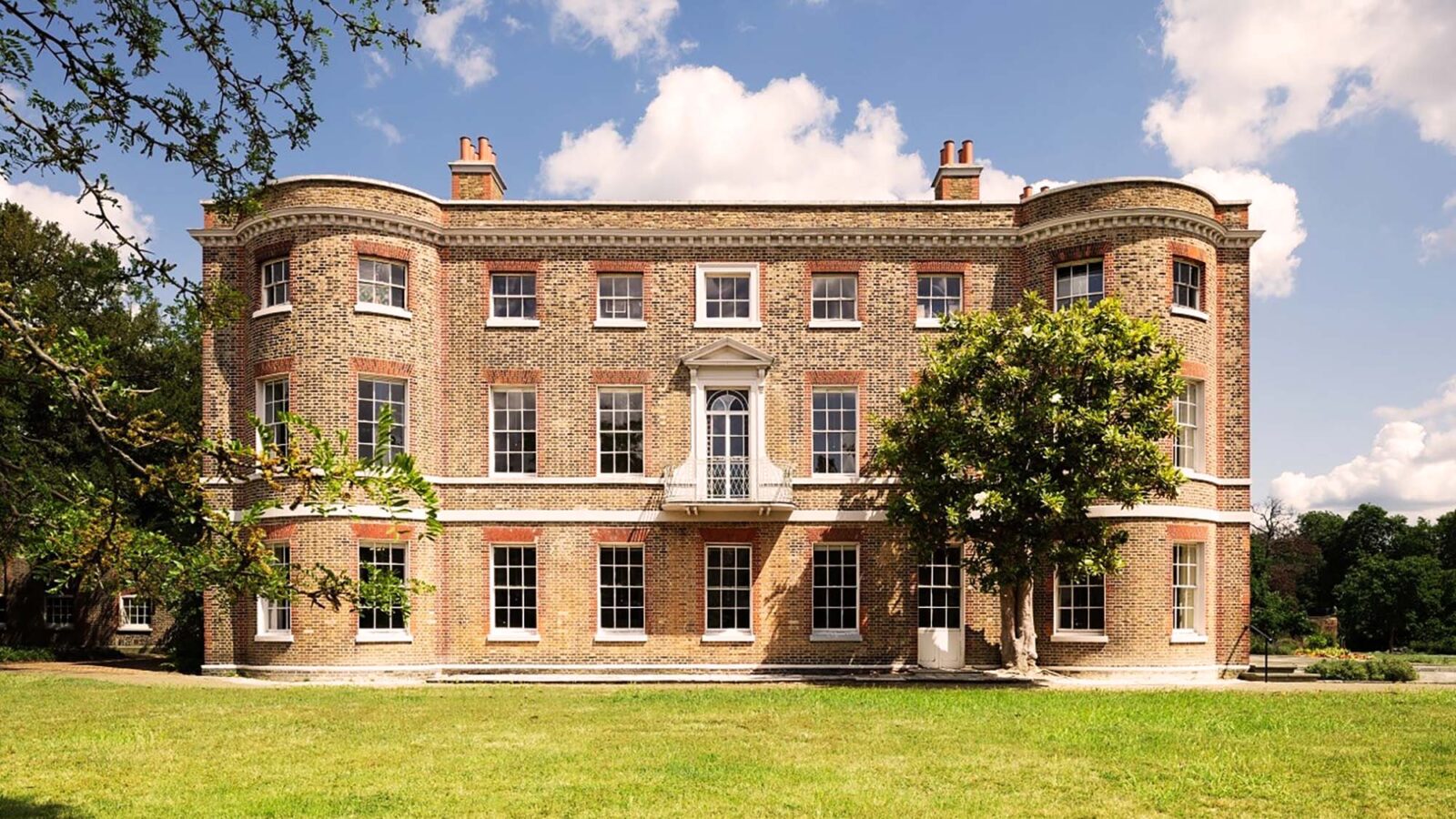
Valentines Mansion and Gardens
Valentines Mansion and Gardens is a historic mansion and garden estate in Ilford, in the London Borough of Redbridge. The house stands…
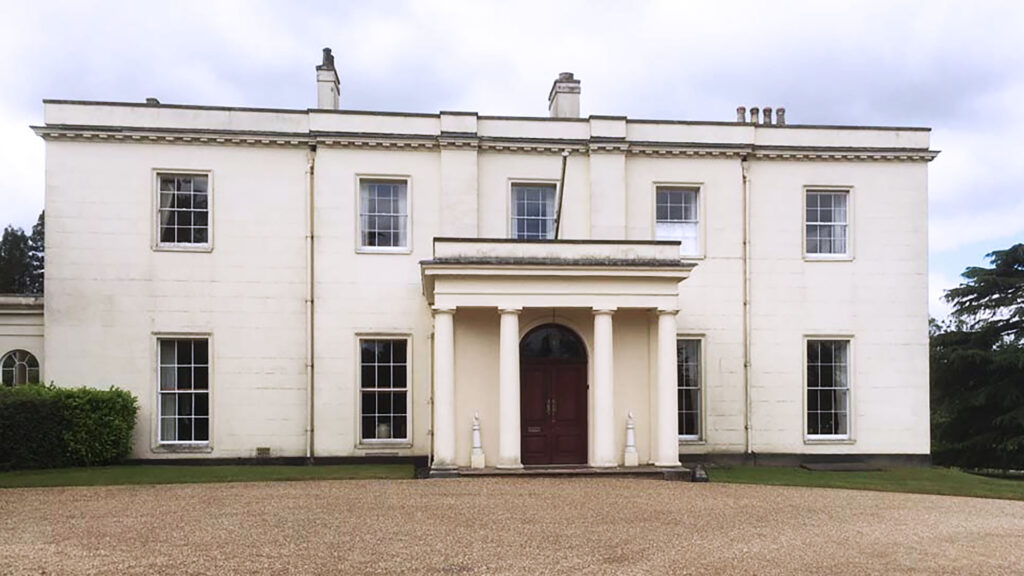
High Canons
High Canons appears in The Devil Rides Out, The Satanic Rites of Dracula, Murder on the Orient Express, Half Moon Street, and many more.
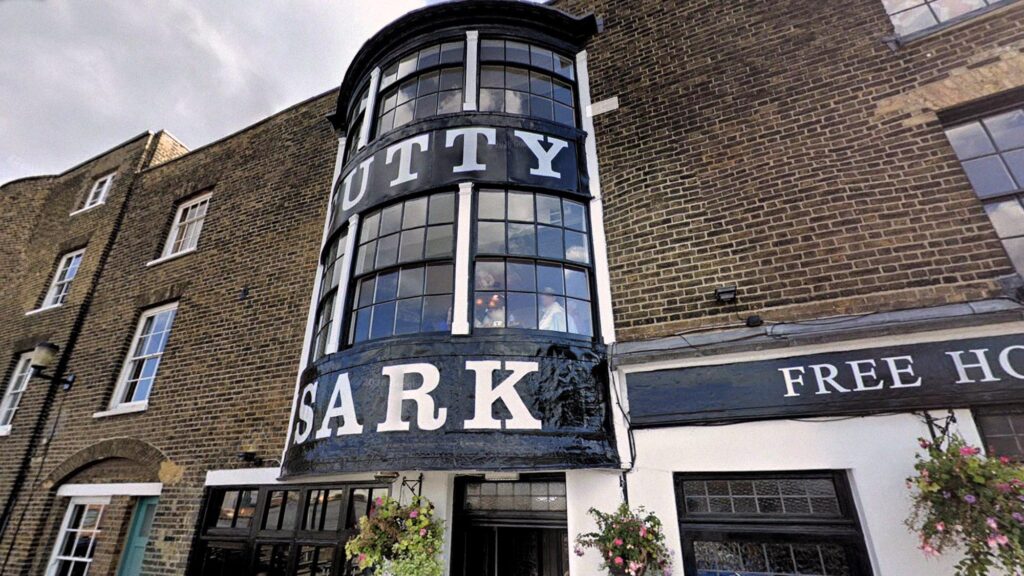
Cutty Sark
Cutty Sark is best known on screen from Beautiful Thing, where it is disguised as The Anchor. It is also used in The List of Adrian Messenger.
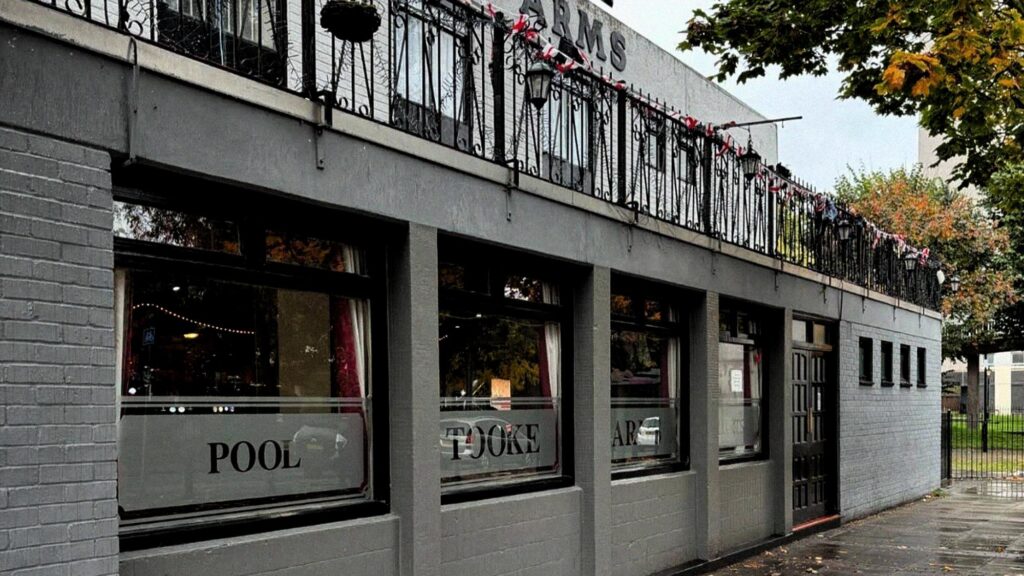
The Tooke Arms
The Tooke Arms appears in MobLand (2025–), where it is used as The Sinful Monkey, the criminal base of Richie Stevenson.