
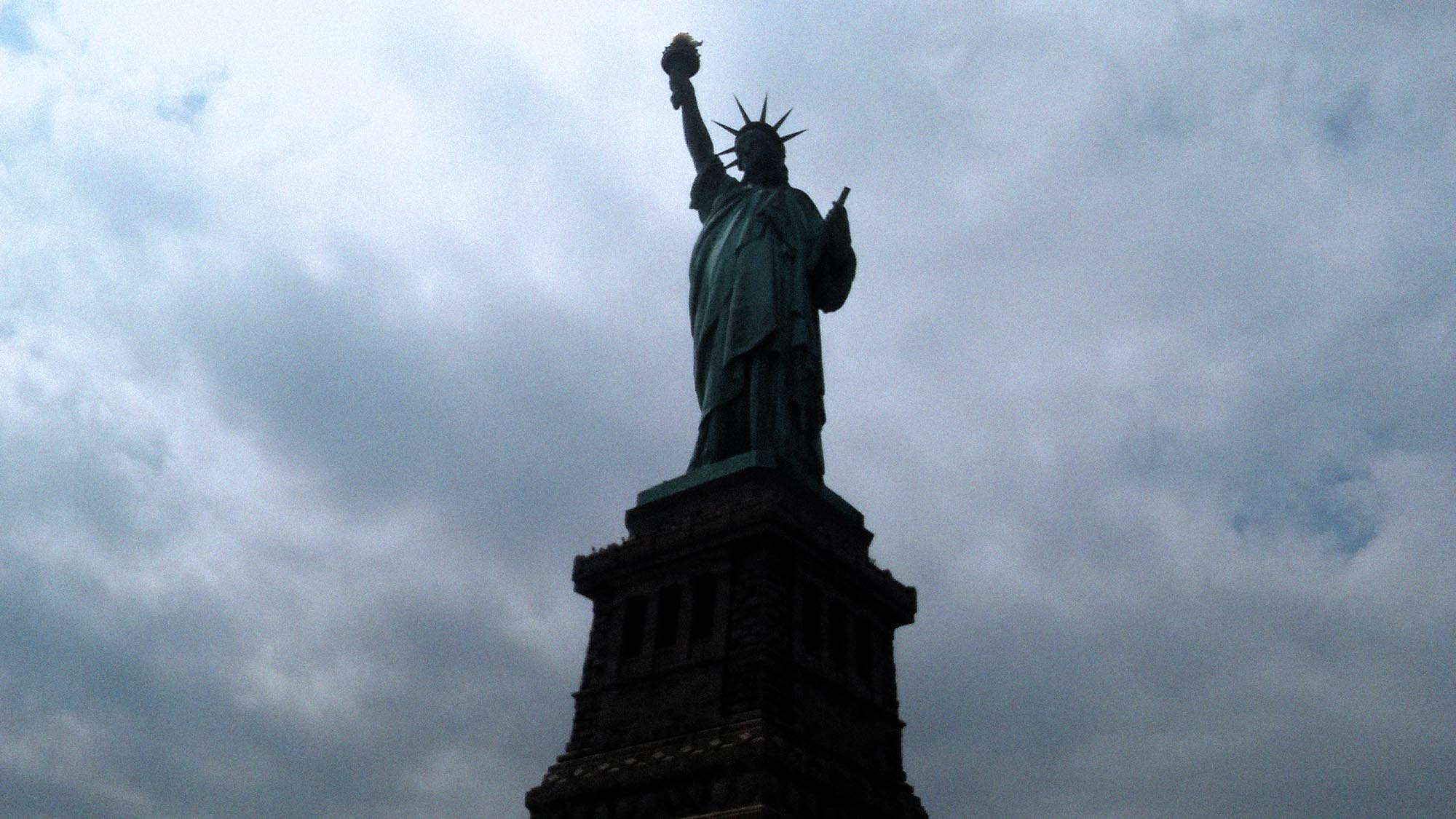
Statue of Liberty stands on Liberty Island in New York Harbor and is one of the most recognisable landmarks in the United States. The statue was designed by Frédéric Auguste Bartholdi, with its metal framework engineered by Gustave Eiffel, and was dedicated in 1886 as a gift from France to the United States. Its position in the harbour, visible from Manhattan, New Jersey, Brooklyn and the surrounding water, has made it one of cinema’s strongest symbols of New York, America, immigration, freedom, collapse and spectacle. On screen, the statue is often used for brief establishing shots, but it becomes a much stronger film location when the story moves to Liberty Island, climbs the statue, uses the torch or crown, or transforms the monument into a central image.
Statue of Liberty has appeared in many films, but some of its most important screen uses include Saboteur (1942), Planet of the Apes (1968), Superman (1978), Splash (1984), Ghostbusters II (1989), Superman IV: The Quest for Peace (1987), X-Men (2000), Men in Black II (2002), The Day After Tomorrow (2004), Cloverfield (2008), Spider-Man: No Way Home (2021) and Spider-Man: Across the Spider-Verse (2023). These productions use the statue as more than a passing New York landmark, turning it into a thriller climax, a romantic discovery point, a superhero battleground, a disaster image or a major symbol within the story.
In Saboteur (1942), Statue of Liberty is the setting for the film’s famous climax. Barry Kane follows the real saboteur, Frank Fry, to Liberty Island, and the confrontation moves onto the statue itself. The scene ends with Fry hanging from the torch while Kane tries to save him, only for Fry’s sleeve to tear and send him falling from the monument. Alfred Hitchcock turns the statue into a suspense set piece, using one of America’s most patriotic symbols as the location for a wartime thriller finale about sabotage, innocence and national danger.
In Planet of the Apes (1968), Statue of Liberty appears in one of the most famous endings in science fiction cinema. Taylor rides along the shoreline and discovers the ruined remains of the statue half-buried in the sand. The image reveals that the strange planet he has been trapped on is actually Earth in the distant future. The statue is not used as a normal New York location here, but as the final proof of human civilisation’s collapse, turning an American symbol of hope into an image of destruction and despair.
In Superman (1978), Statue of Liberty appears during the romantic flying sequence with Superman and Lois Lane. After Superman visits Lois at her apartment, he takes her flying over Metropolis, and the scene includes a pass around the statue. The landmark helps connect the film’s fictional Metropolis to the visual language of New York, while the flight itself becomes one of the film’s defining romantic and superhero moments. The statue is not the centre of the sequence in the same way as in Saboteur or X-Men, but it is used clearly as part of Superman’s night-time tour of the city with Lois.
In Splash (1984), Statue of Liberty is where Madison first comes ashore in New York. She arrives naked on Liberty Island after swimming to the city, causing confusion among tourists and police before she is taken into custody. The scene uses the statue as both a comic arrival point and a symbol of Madison entering the human world. Her emergence at one of New York’s most famous landmarks turns the location into a memorable part of the film’s romantic fantasy setup.
In Superman IV: The Quest for Peace (1987), Statue of Liberty is damaged during the fight between Superman and Nuclear Man. Nuclear Man throws the statue, and Superman later restores it to its place on Liberty Island. The scene uses the monument as a symbol of the global stakes in the film’s nuclear-disarmament story, turning the statue into both a victim of superpowered destruction and an object Superman must physically protect.
In Ghostbusters II (1989), Statue of Liberty becomes one of the film’s major supernatural set pieces. The Ghostbusters use positively charged mood slime to animate the statue and make it walk through New York City. The statue’s movement through the streets becomes a public rallying image, helping the city’s people come together against Vigo. The film turns the monument into both a comic spectacle and a symbol of collective hope, using one of New York’s most famous landmarks as an unlikely weapon against supernatural evil.
In X-Men (2000), Statue of Liberty is the setting for the film’s climax. Magneto places Rogue inside his mutation machine near the statue’s torch, intending to use her power to activate the device and affect world leaders gathered nearby on Ellis Island. The X-Men fight Magneto and his Brotherhood inside and around the statue, with Wolverine climbing the structure and trying to save Rogue before the machine kills her. The location gives the film a symbolic finale, placing a conflict about mutation, fear and acceptance on one of America’s most visible monuments to freedom.
In Men in Black II (2002), Statue of Liberty is revealed to contain a massive neuralyzer hidden in the torch. Agent J activates it to erase the memories of New Yorkers after the film’s alien events, turning the statue into a secret Men in Black device disguised as a national monument. The gag works because the torch is already one of the statue’s most iconic features, and the film reimagines it as a city-wide memory-erasing tool.
In The Day After Tomorrow (2004), Statue of Liberty appears during the climate-disaster destruction of New York. The statue is overwhelmed by the freezing storm and rising water, becoming one of the film’s clearest images of environmental catastrophe. The familiar monument is used to show the scale of the disaster, with New York’s symbolic harbour landmark transformed into a frozen warning sign.
In Cloverfield (2008), Statue of Liberty is used in one of the film’s most shocking early images. During the monster attack on New York, the statue’s severed head is thrown into a Manhattan street, where panicked crowds gather around it. The scene does not take place on Liberty Island, but the statue’s destruction becomes the moment where the scale of the attack becomes undeniable. By removing the head from the monument and dropping it into the city, the film turns a familiar symbol into an image of sudden urban terror.
In Spider-Man: No Way Home (2021), Statue of Liberty is the setting for the film’s final battle. The monument is undergoing renovation, with a Captain America shield added to the structure, when the three Spider-Men face the multiverse villains there. The scaffolding, construction platforms and height of the statue become part of the action as Peter Parker, Peter-Two and Peter-Three try to cure the villains and close the multiverse rift. The scene uses the statue as both a superhero battleground and a symbolic New York landmark transformed by the wider Marvel universe.
In Spider-Man: Across the Spider-Verse (2023), a version of Statue of Liberty appears in the film’s multiverse imagery. Like many of the film’s New York landmarks, the statue becomes part of the shifting visual language of different Spider-worlds rather than a conventional live-action location. Its appearance shows how deeply the monument is tied to Spider-Man’s New York identity, even when the city is being reimagined through animation and alternate universes.
Men in Black II
Men in Black II is closely tied to New York City. The film uses a range of recognisable Manhattan and Queens locations.
Saboteur
Saboteur (1942) is an American wartime thriller directed by Alfred Hitchcock, starring Robert Cummings as Barry Kane, a California aircraft-factory worker who…
Superman
Superman (1978) is a British-American superhero film directed by Richard Donner, starring Christopher Reeve as Clark Kent and Superman. The film tells…
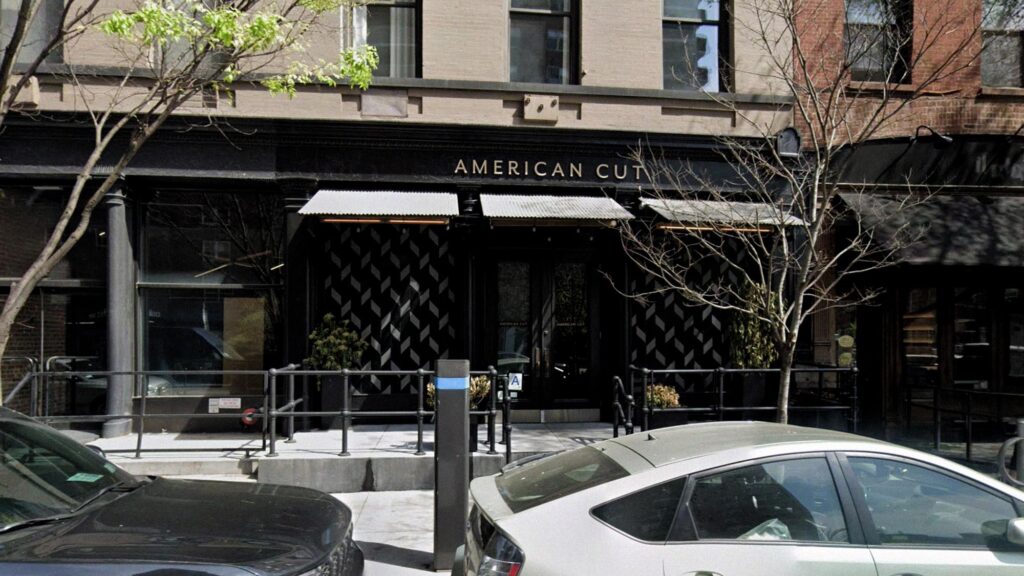
American Cut
American Cut appears in Dexter: Resurrection, where the restaurant is used for a key scene involving Dexter Morgan, Harrison Morgan and Leon Prater.
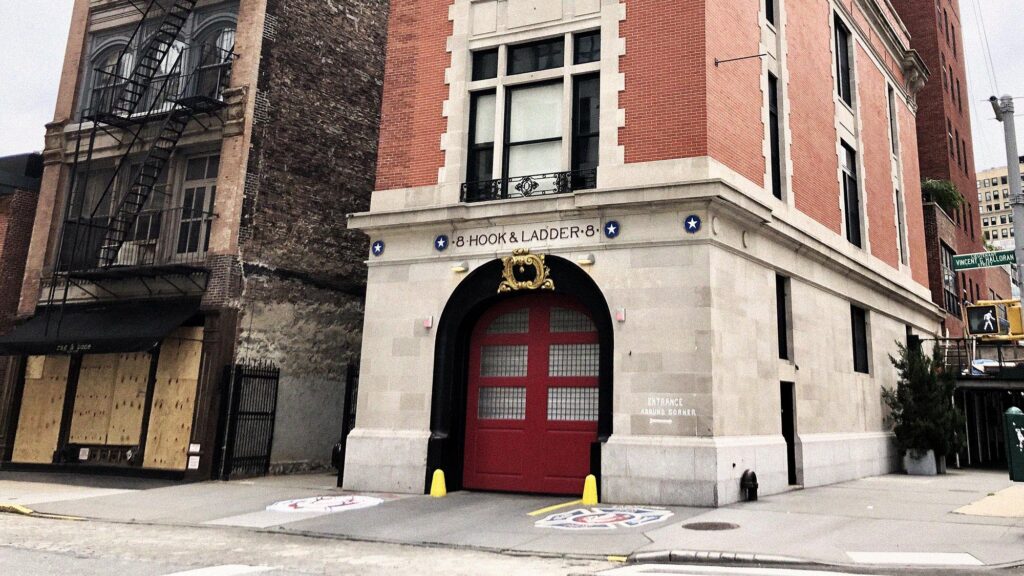
Hook & Ladder 8
Hook & Ladder Company 8 appears in the Ghostbusters franchise, Hitch (2005), Seinfeld, and How I Met Your Mother.
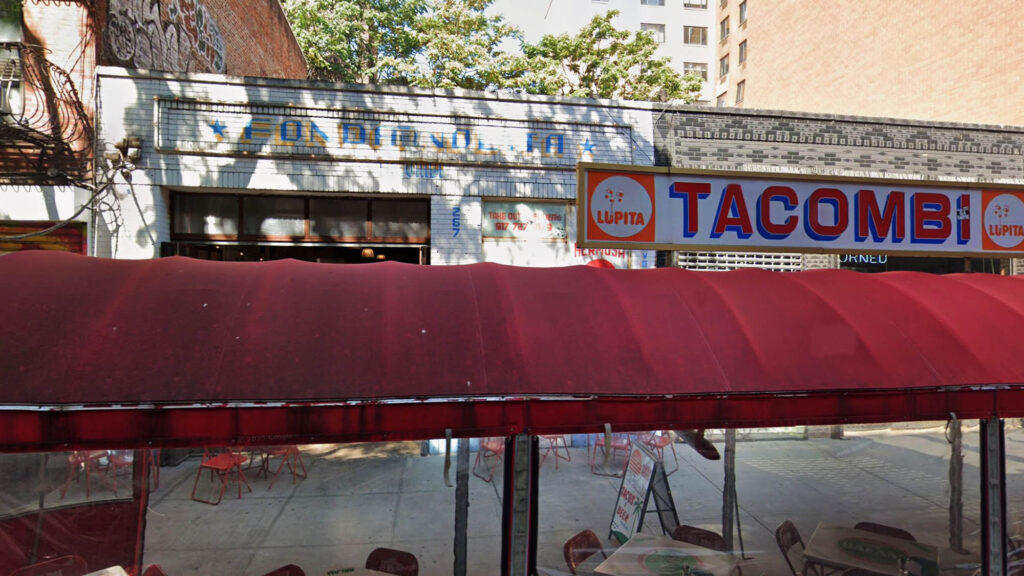
Tacombi Nolita
Tacombi Nolita appears in The Jim Gaffigan Show (2015–2016). It is in Season 2, Episode 3, “Ugly,” and places the scene at 267 Elizabeth Street.
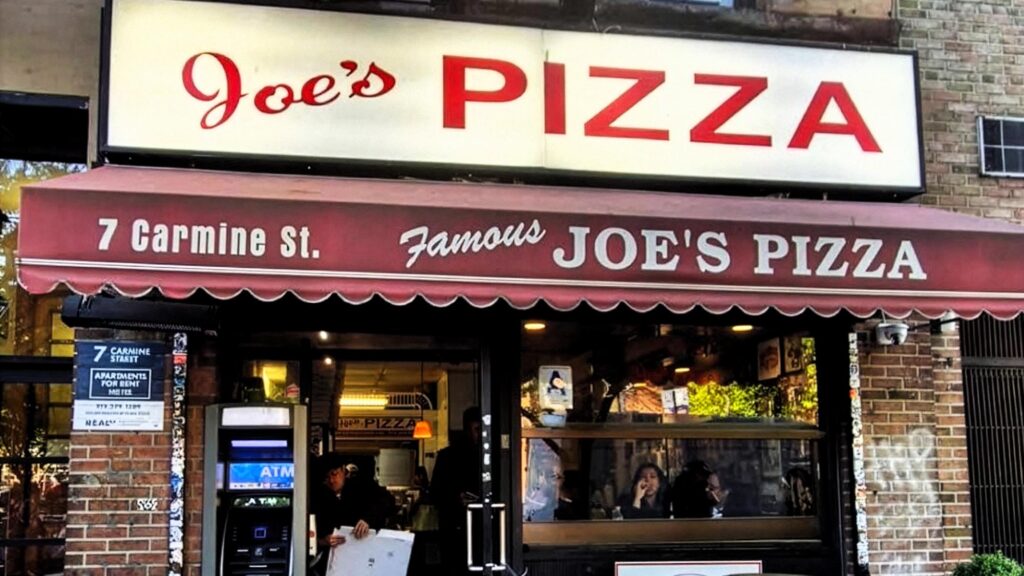
Joe’s Pizza
Joe’s Pizza appears in Spider-Man 2 (2004), Seinfeld (1989–1998), Along Came Polly (2004), and Sex and the City. It is most famous on screen from Spider-Man 2.
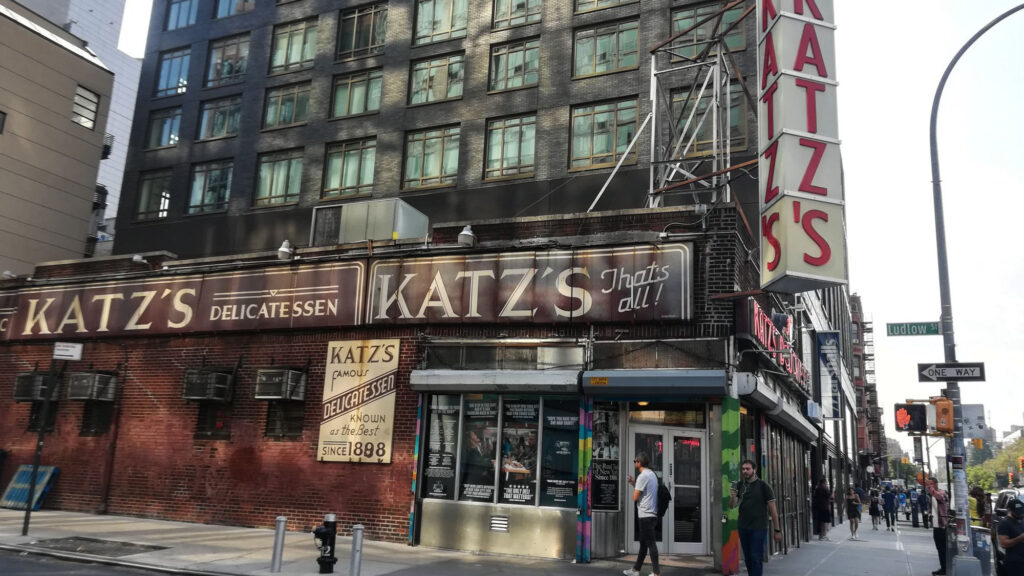
Katz’s Delicatessen
Katz’s Delicatessen appears in When Harry Met Sally… , Donnie Brasco, Across the Universe, We Own the Night, and The Jim Gaffigan Show (2015–2016).
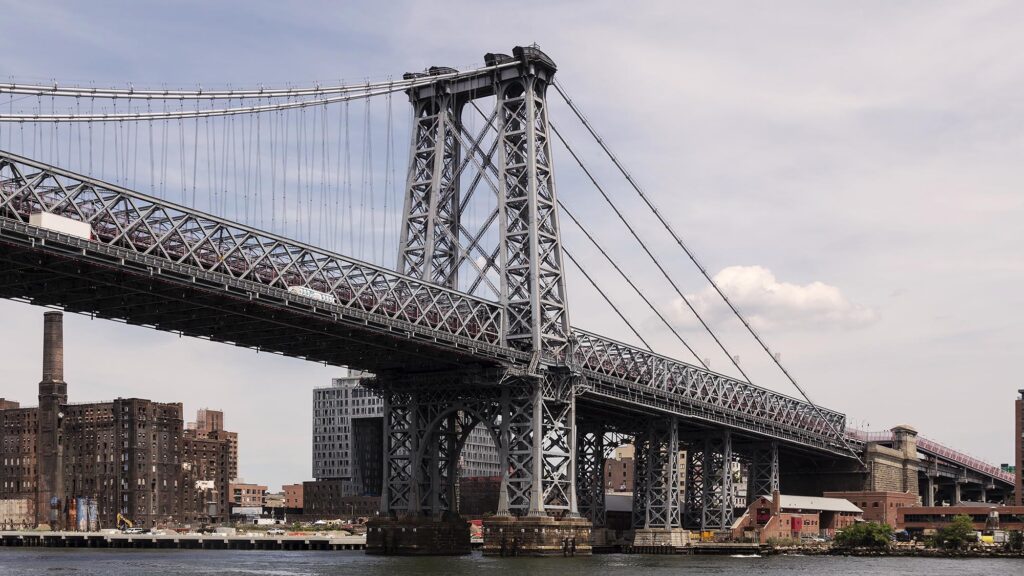
Williamsburg Bridge
Williamsburg Bridge have appeared in several New York films, including The Naked City, Serpico, The French Connection and Once Upon a Time in America.
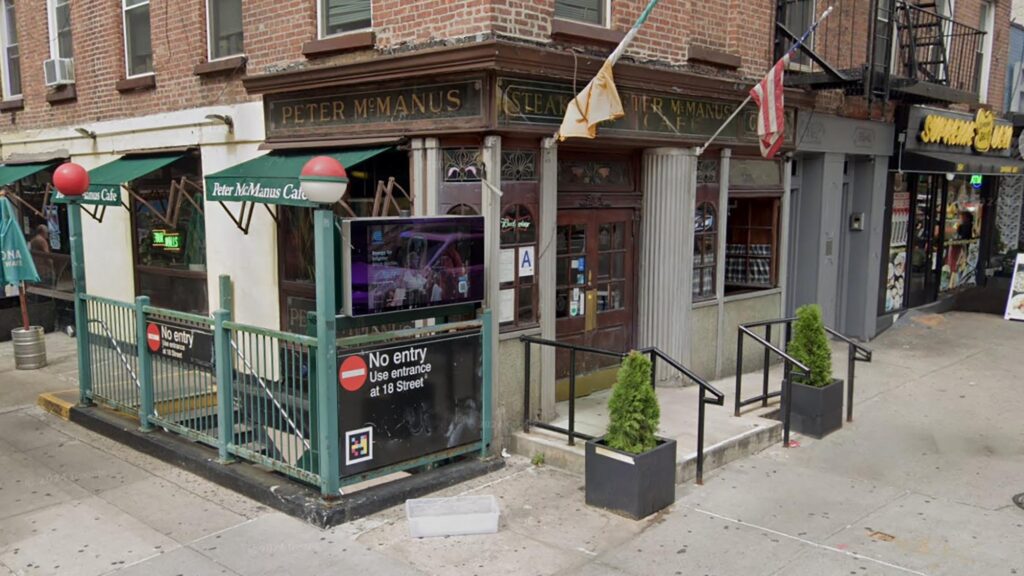
Peter McManus Cafe
Peter McManus Cafe appears in Highlander, Radio Days, Keeping the Faith, The Other Guys, Seinfeld, Law & Order, Saturday Night Live, and Broad City.
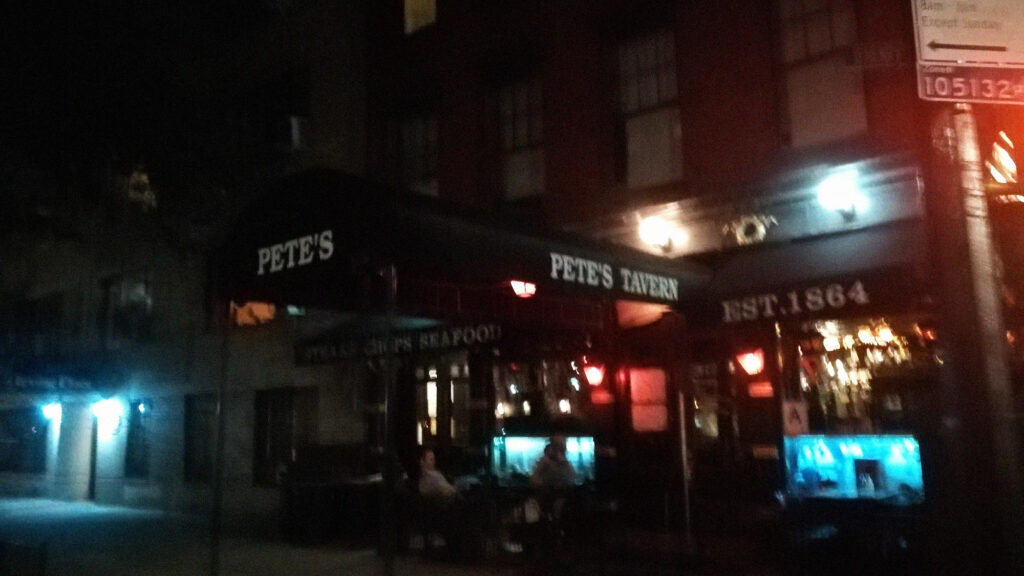
Pete’s Tavern
Pete’s Tavern appears in Two for the Seesaw (1962), Seinfeld (1989–1998), Rounders (1998), Sex and the City (1998–2004), and several other productions.
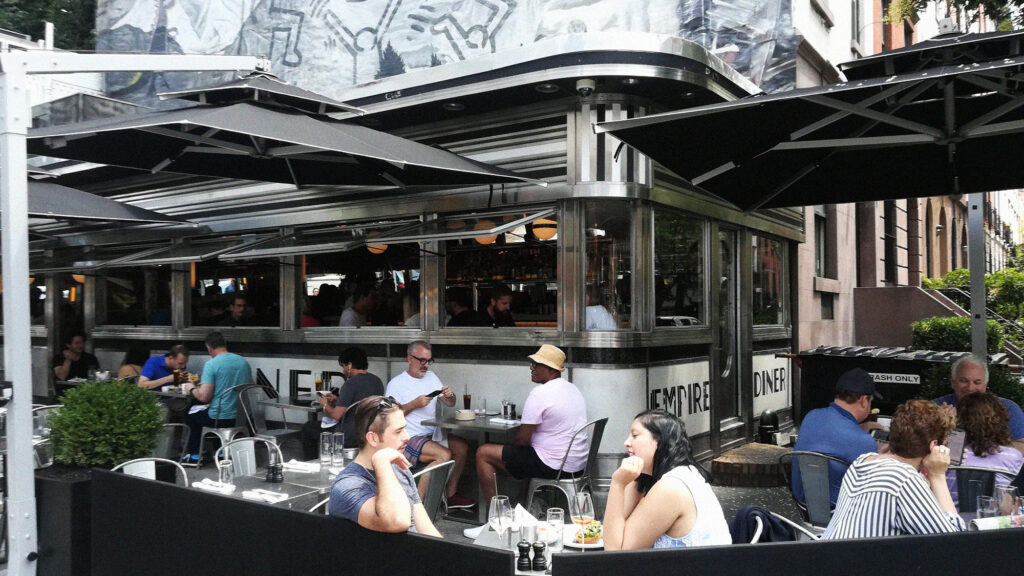
Empire Diner
Empire Diner appears in both film and television, including Manhattan, Home Alone 2: Lost in New York, Men in Black II, Law & Order, and many more.
Leave a Reply