
Tallinna Linnahall is a massive Soviet-era concert and sports hall on the waterfront in Tallinn, Estonia, between the Old Town and the harbour. Originally built for the 1980 Moscow Olympics, when Tallinn hosted the sailing events, the building was first known as the V. I. Lenin Palace of Culture and Sport. Its vast concrete terraces, monumental scale and position facing the Baltic Sea have made it one of the most striking examples of Soviet modernist architecture in Estonia.
The building is best known internationally as a filming location from Tenet (2020), where it stands in for the Kyiv Opera House during the film’s opening sequence. It has also been used in Tanel Toom’s “The Last Watchpost”, but its screen identity is still mainly tied to “Tenet” and the striking way Christopher Nolan used its monumental Soviet-era architecture.
In Tenet (2020), Tallinna Linnahall is transformed into the Kyiv Opera House for the film’s large-scale opening attack. The Protagonist is part of an operation during a packed performance, as armed men storm the building and the audience is taken hostage. The scene uses Linnahall’s brutalist mass, broad stairways and cavernous interior spaces to create the feeling of a vast public building under siege. Although the sequence is set in Ukraine, the distinctive Soviet-era architecture of Linnahall gives it a hard, imposing atmosphere that fits the film’s cold espionage world.
Tallinna Linnahall is currently closed to the public inside and has long been awaiting renovation, but the exterior can still be viewed from the waterfront area. Its roof terraces are also known for views over Tallinn, the harbour and the Old Town, making the building a rare case where a partly abandoned Soviet landmark has become both an architectural curiosity and a major international film location.

Tenet
Tenet was filmed across seven countries, with major scenes shot in Estonia, Italy, and Norway. Other key locations included India, Denmark, UK, and California.
Hovs Hallar
Hovs Hallar has appeared in Salka Valka (1954), The Seventh Seal (1957), Hour of the Wolf (1968) and The Flight of the Eagle (1982).
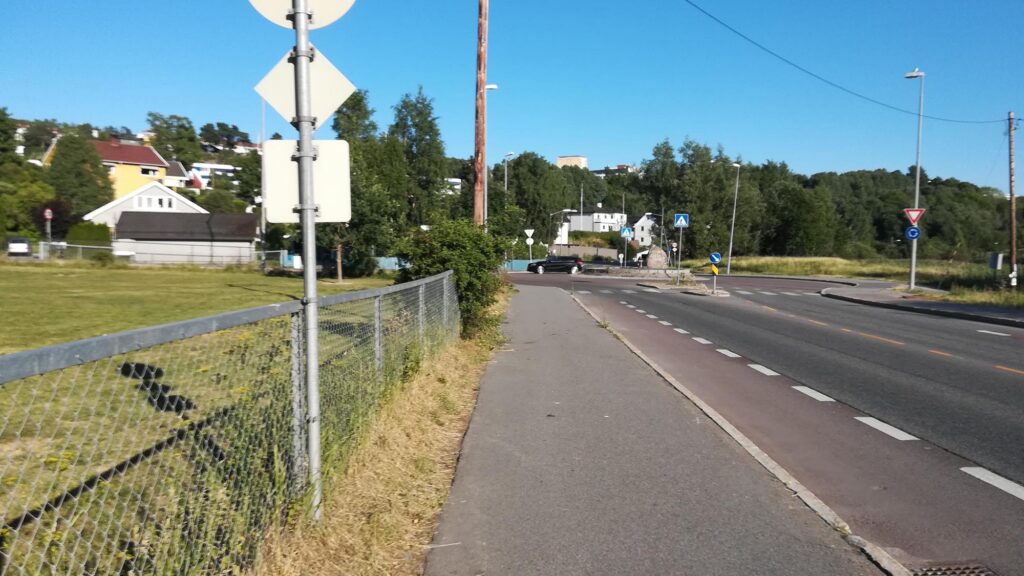
Østensjøveien
Østensjøveien in Oslo appears in the opening section of "Lasse & Geir", the 1976 Norwegian drama and cult film directed by Svend Wam.
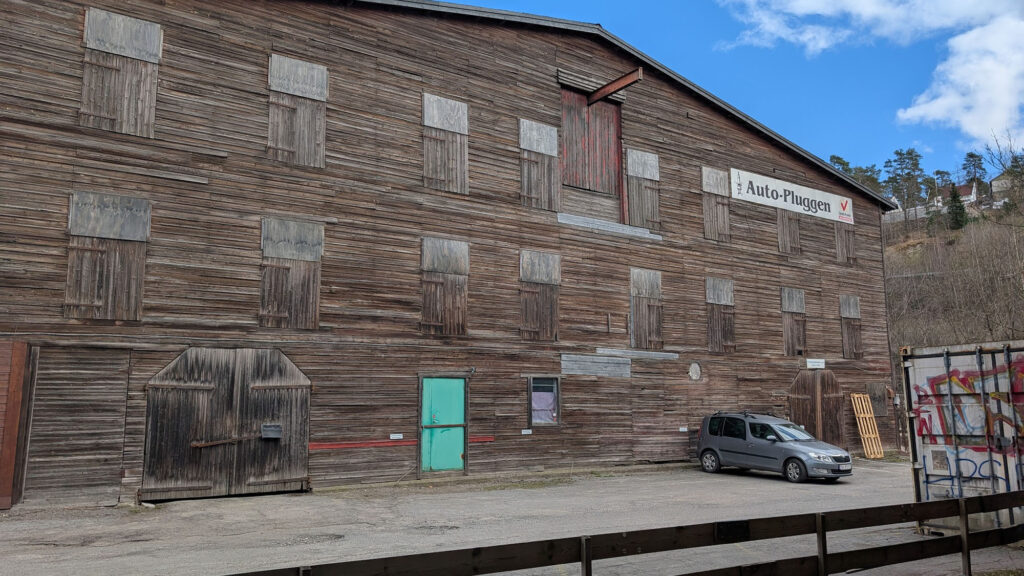
Autopluggen
In Jo Nesbø’s Detective Hole (2026), Autopluggen is used in the scene where Harry Hole stops under a bridge beside the run-down building and bribes a couple.
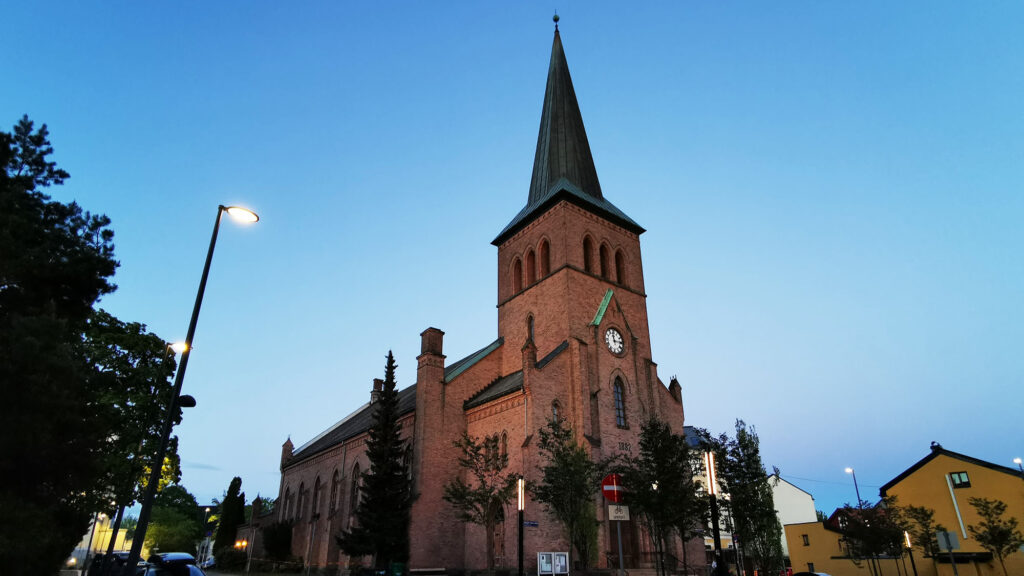
Kampen Church
Kampen Church appears in Jo Nesbø’s Detective Hole (2026), Olsenbanden for full musikk (1976), Mot i brøstet (1993–1997), and Hemmelighetene i B-by (1982–).
Farine
Farine has appeared in Olsenbanden, Olsenbanden og Dynamitt-Harry, Olsenbanden tar gull, Hemmelighetene i B-by, Lyckliga gatan and Hos Martin.
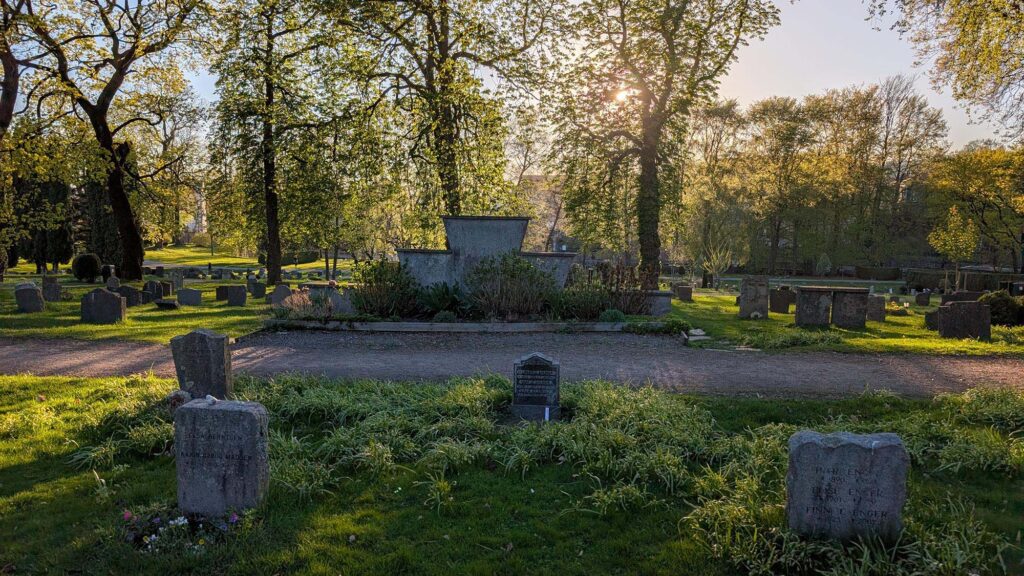
Gamlebyen gravlund
In Jo Nesbø’s Detective Hole (2026), Gamlebyen gravkapell in Gamlebyen gravlund is used for Ellen Gjelten’s funeral.
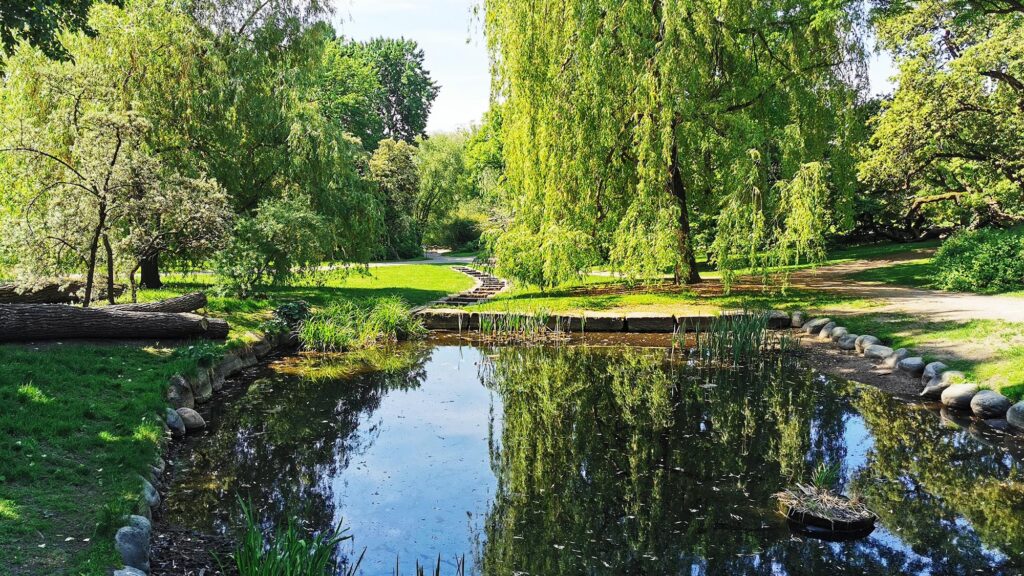
Botanical Garden Oslo
Botanical Garden is in the Norwegian movie About Tilla from 1963. Botanical Garden is used as one of the film’s central early locations.
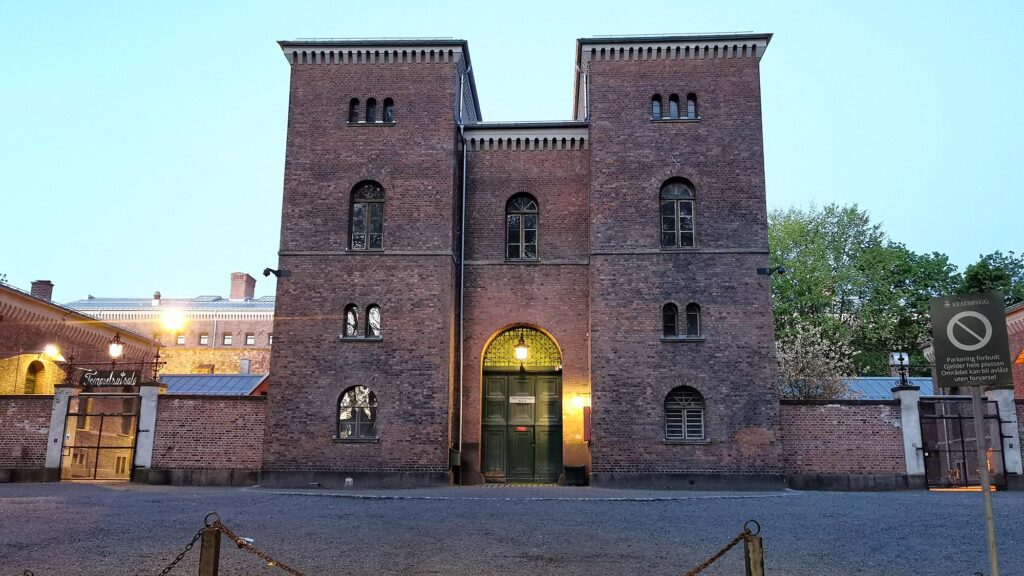
Botsen
Botsen is best known from the "Olsenbanden" film series, where it appears as the prison Egon Olsen is released from at the start of many of the films.
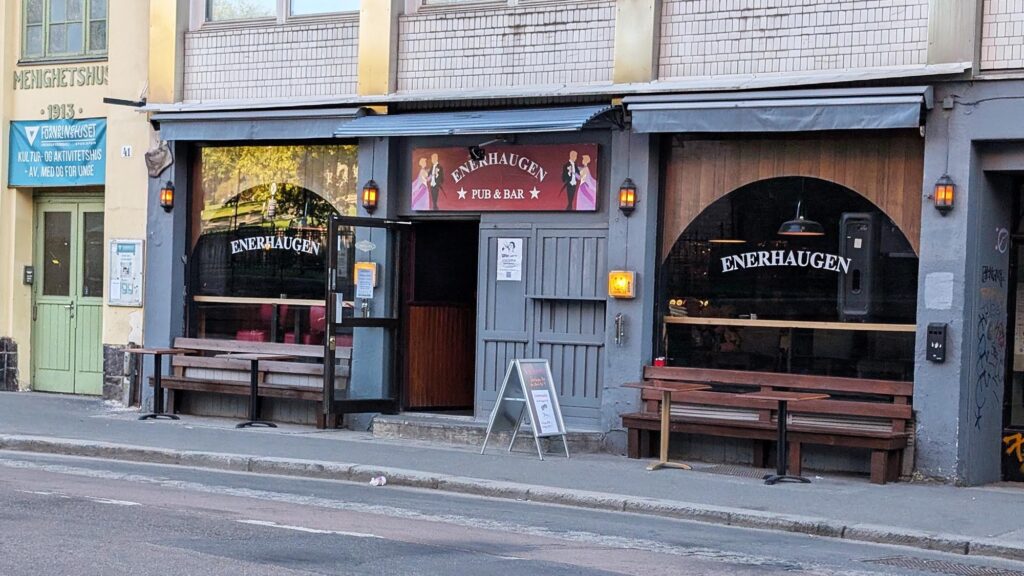
Enerhaugen Cafe
In Jo Nesbø’s Detective Hole (2026), Enerhaugen Cafe serves as the real-life location for Boxer Bar, the pub where police officers go for a beer after work.