
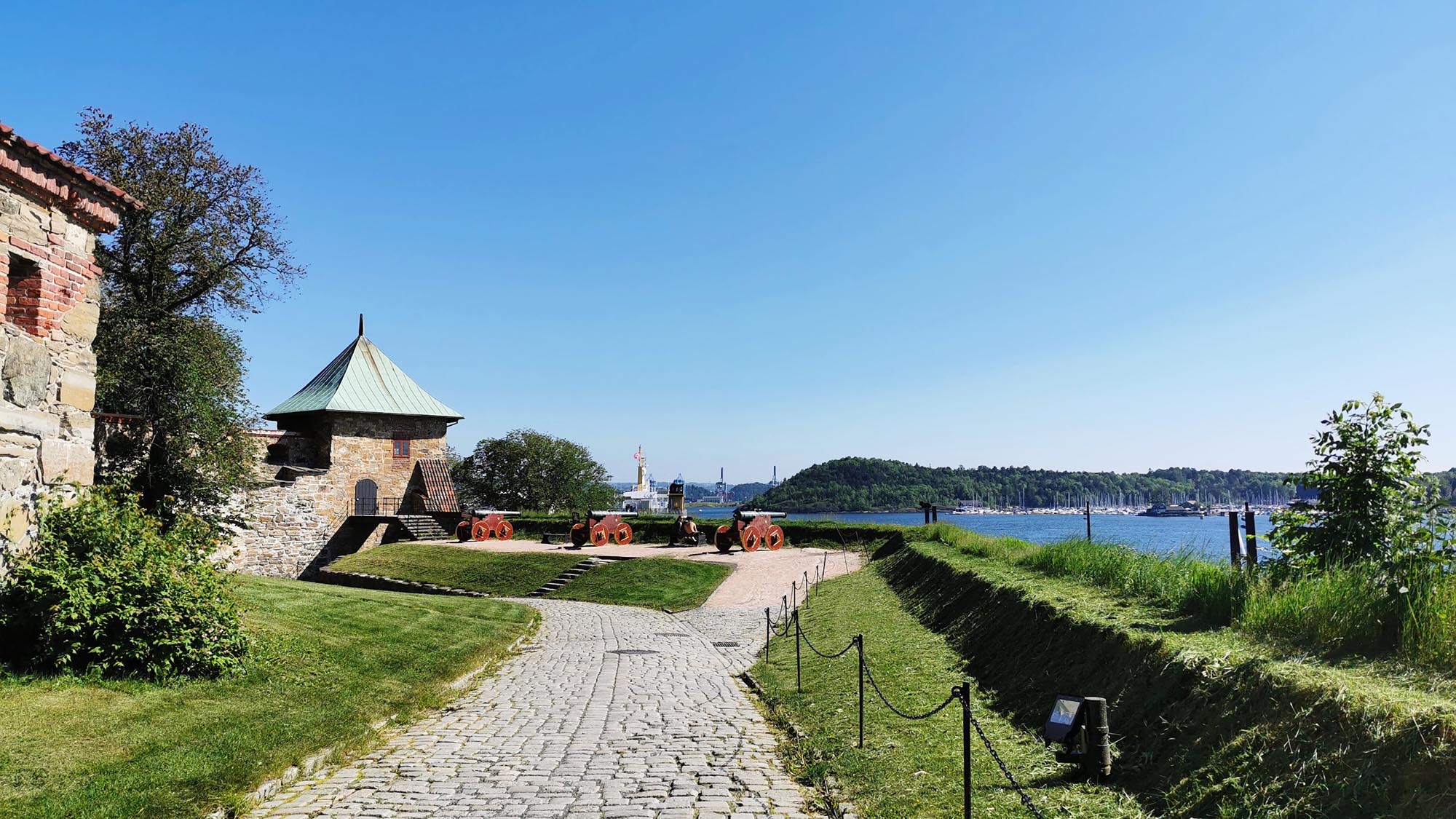
Akershus Fortress (Akershus Festning) is one of Oslo’s most important historic landmarks, located on the headland above Oslofjord. The fortress was originally built from the late 13th century and later developed into a royal residence, military stronghold and administrative centre. Today the area contains old fortification walls, courtyards, military buildings, museums and viewpoints over the harbour, making it one of the most atmospheric historic locations in the Norwegian capital. Forsvarsbygg beskriver festningen som et historisk miljø med over 700 år knyttet til nasjonens utvikling, og Visit Norway daterer byggestarten til 1299.
The fortress has been used in Norwegian film as both a historical setting and a dramatic Oslo landmark. It appears in About Tilla (1963), original title Om Tilla, where the open grounds, walls and views over the fjord become part of Tilla’s emotional world, and in Max Manus (2008), where the wartime history of Akershus is used in a much darker context. The real fortress also has a strong connection to the Second World War, as the execution site at Akershus became one of Norway’s most important memorial places after the German occupation.
In About Tilla (1963), Akershus Fortress is used in several scenes with Tilla and her mother. Early in the film, they run around and play inside the fortress area, using the old walls, open spaces and historic surroundings almost like a playground. Later, Tilla returns to the fortress alone, looking out across Oslofjord for the ship her father left on. The view from Akershus gives the scene a quiet emotional weight, connecting the fortress not just to Oslo as a city, but to Tilla’s longing and uncertainty.
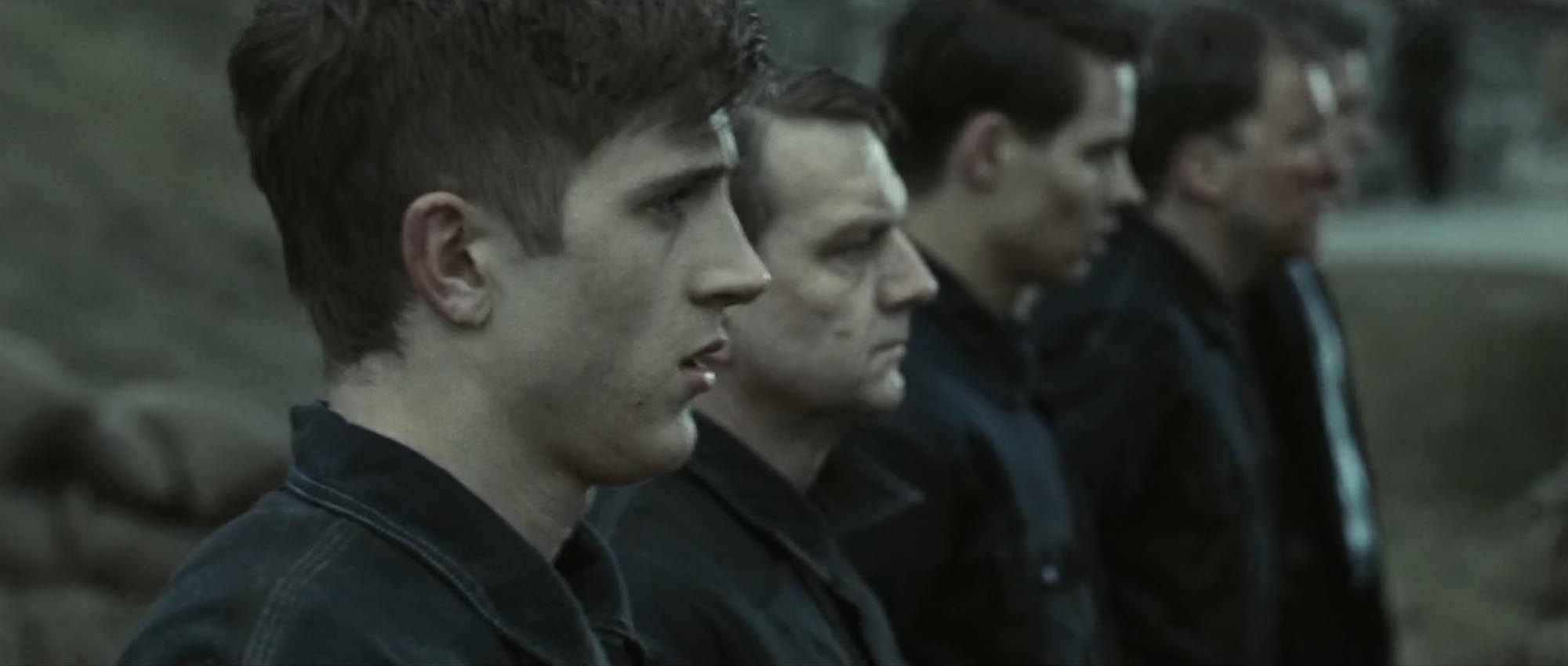
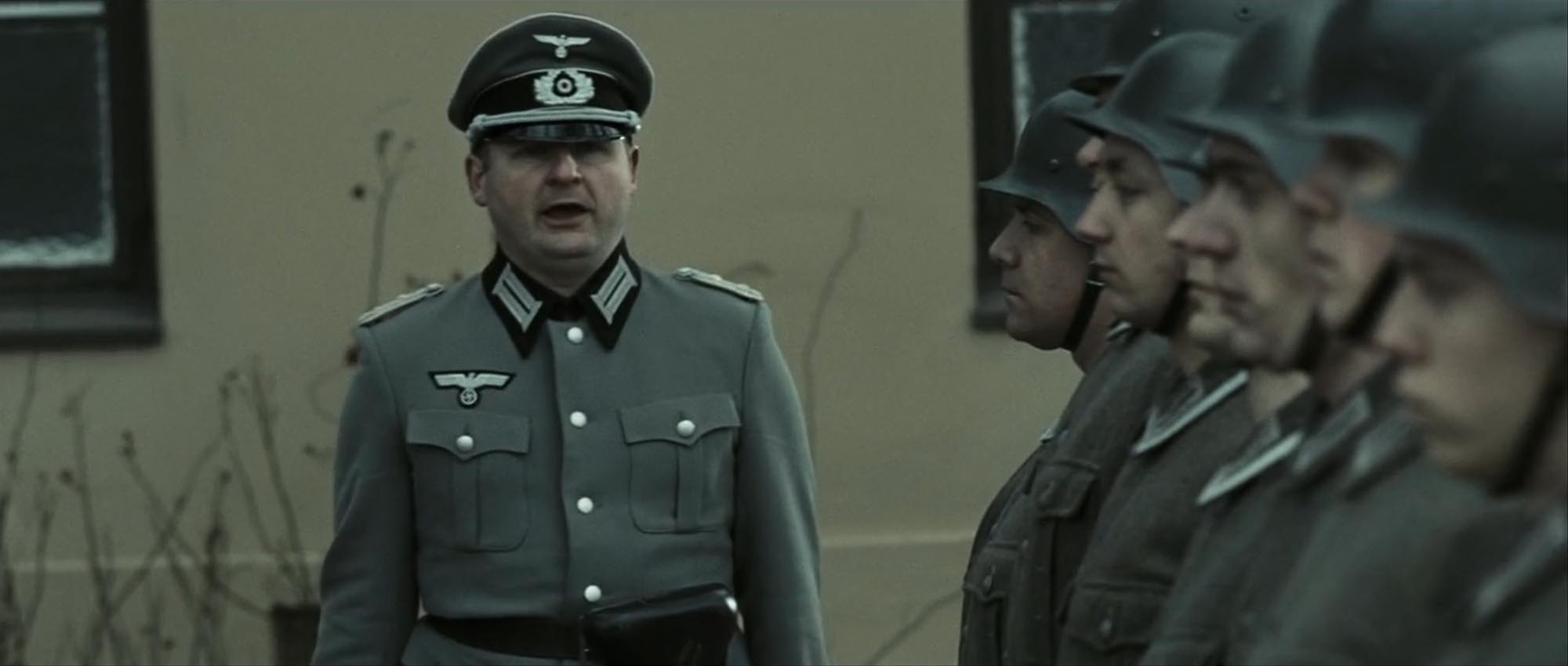
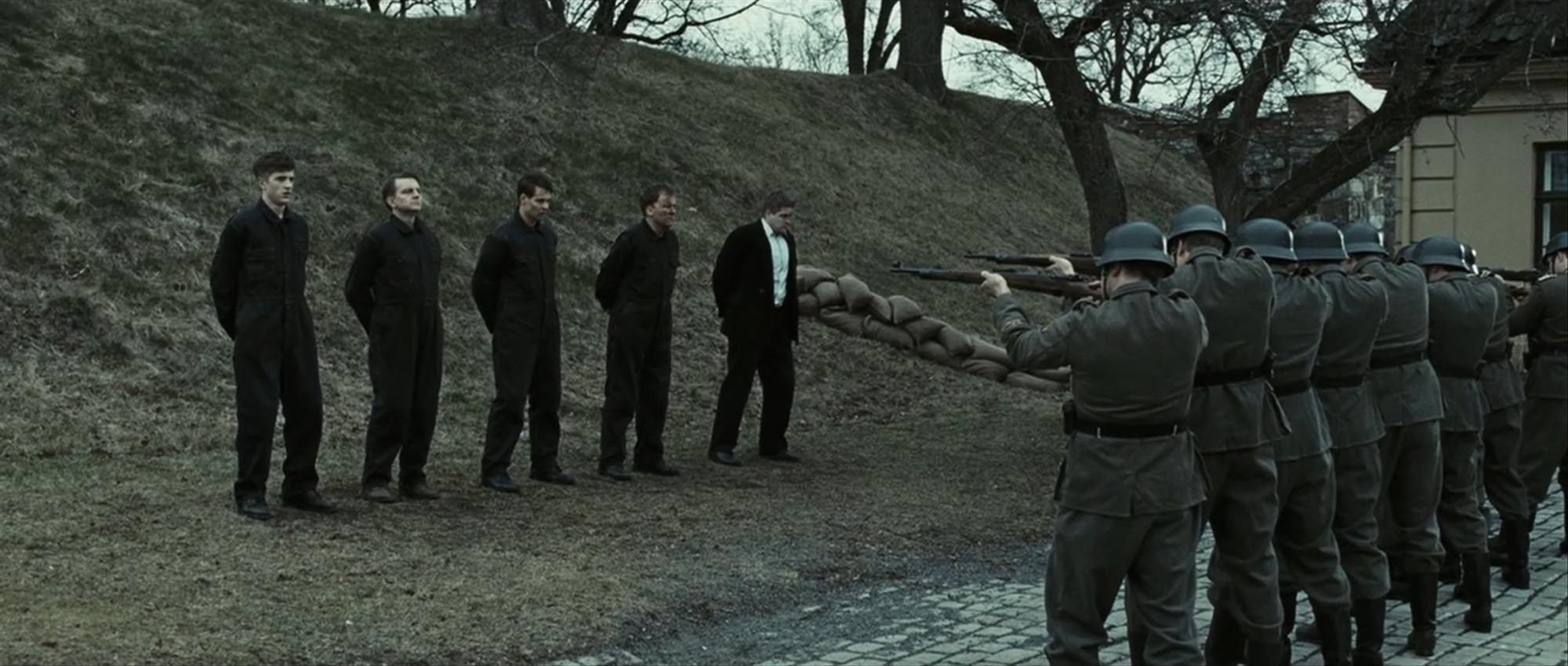
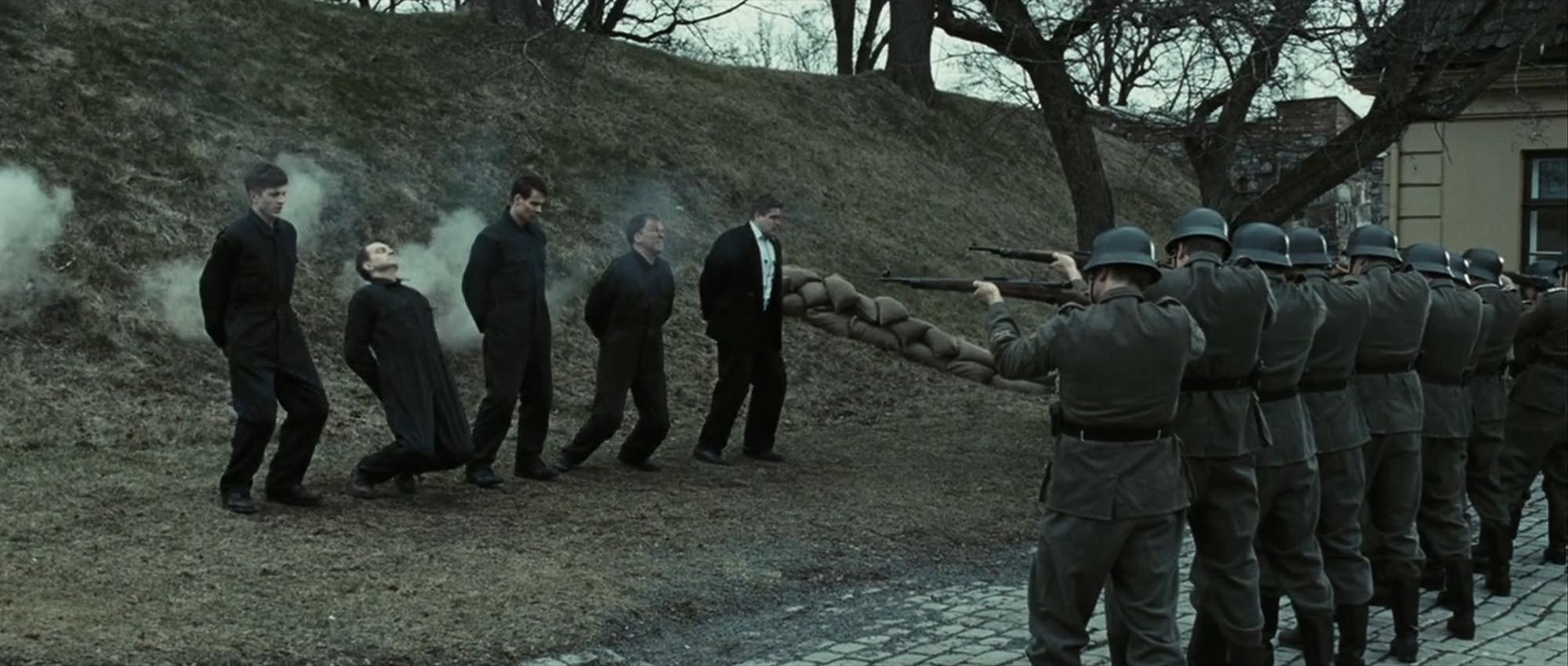
In Max Manus (2008), Akershus Fortress is used for a wartime execution scene. In the film, prisoners are executed by soldiers inside the fortress area. The scene is staged on the back side of the real execution site, near the area where the memorial stands today, and in the film this takes place behind the yellow building. This gives the scene a strong historical resonance, even though the exact filming position is not the same as the actual execution spot. The location connects the film directly to Akershus’ real occupation history and to the memory of those executed there during the Second World War.
Max Manus (2008)
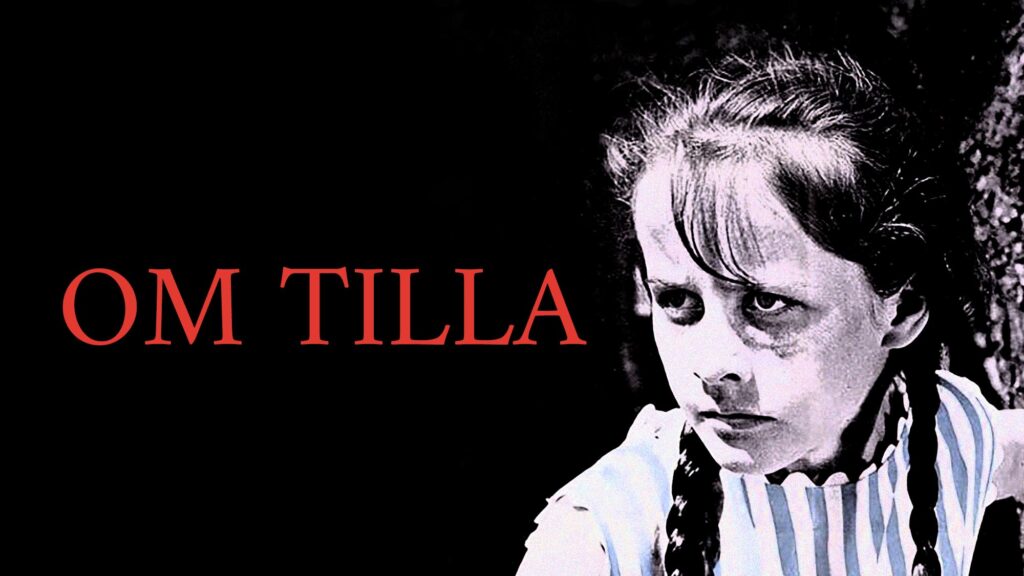
About Tilla
About Tilla was filmed in and around Oslo in Norway, in places like Botanisk Hage and Akershus Festning.
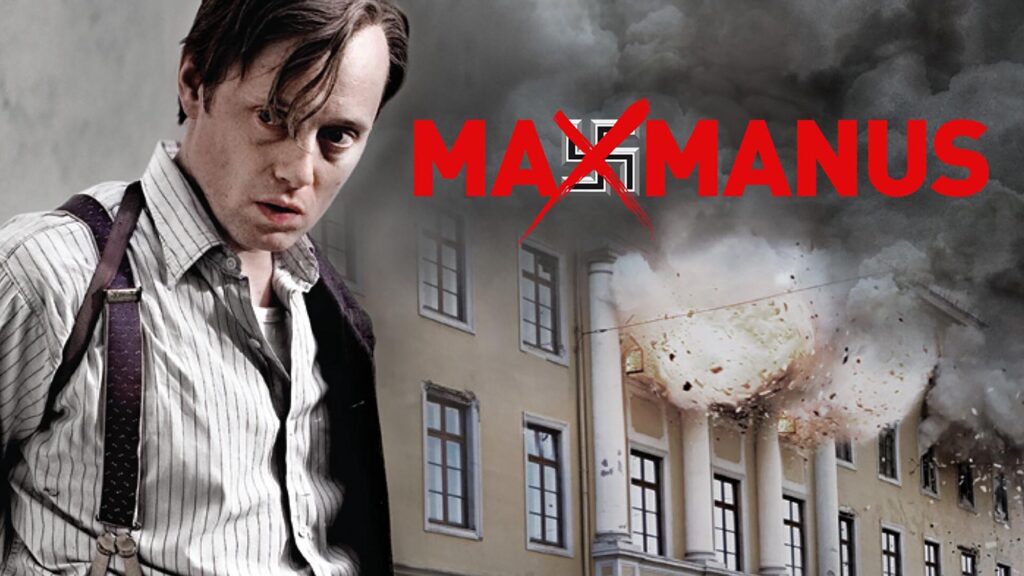
Max Manus
Max Manus: Man of War was primarily filmed on location in Oslo, Norway, with additional scenes shot in Scotland and studio work in Bærum.
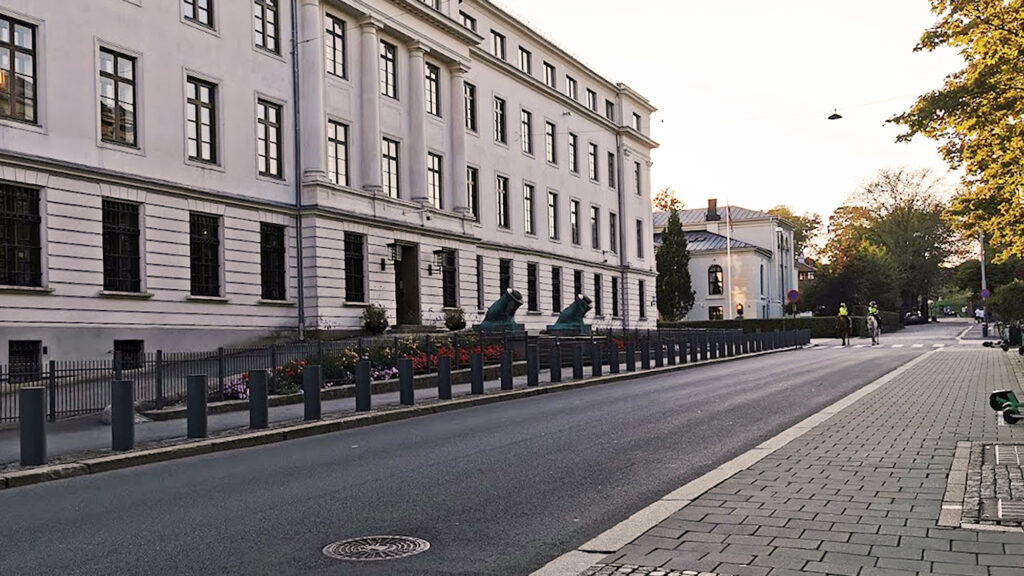
Ministry of Defence
The Royal Norwegian Ministry of Defence in Oslo is the government ministry responsible for developing and implementing Norwegian security and defense policy.
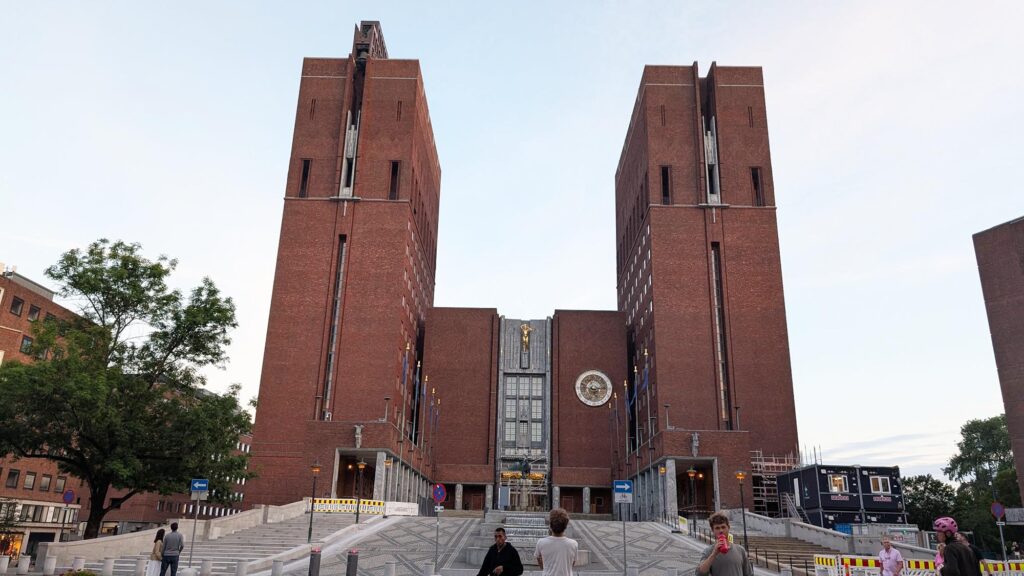
Oslo City Hall
Oslo City Hall (Rådhuset) is the administrative headquarters of the city council and municipal government in Oslo, Norway, inaugurated in 1950.

Vippetangen
Vippetangen is used in the Norwegian movies Pastor Jarman kommer hjem (1958), and in the war movie Max Manus (2008).
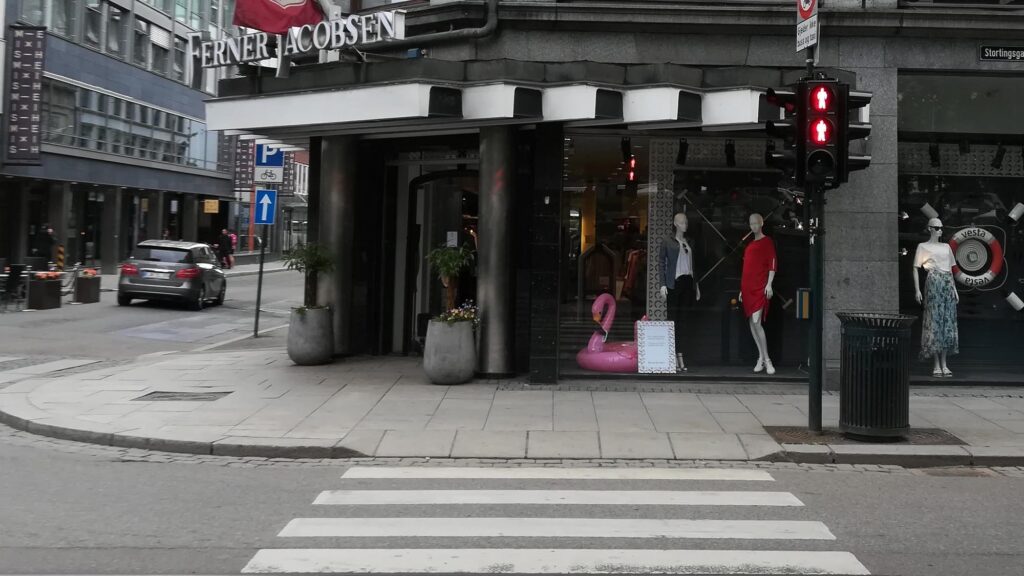
Ferner Jacobsen
In Grand Hotel, Ferner Jacobsen appears in a scene where Axel Farstad’s attempt to present himself with some dignity despite his chaotic personal situation.
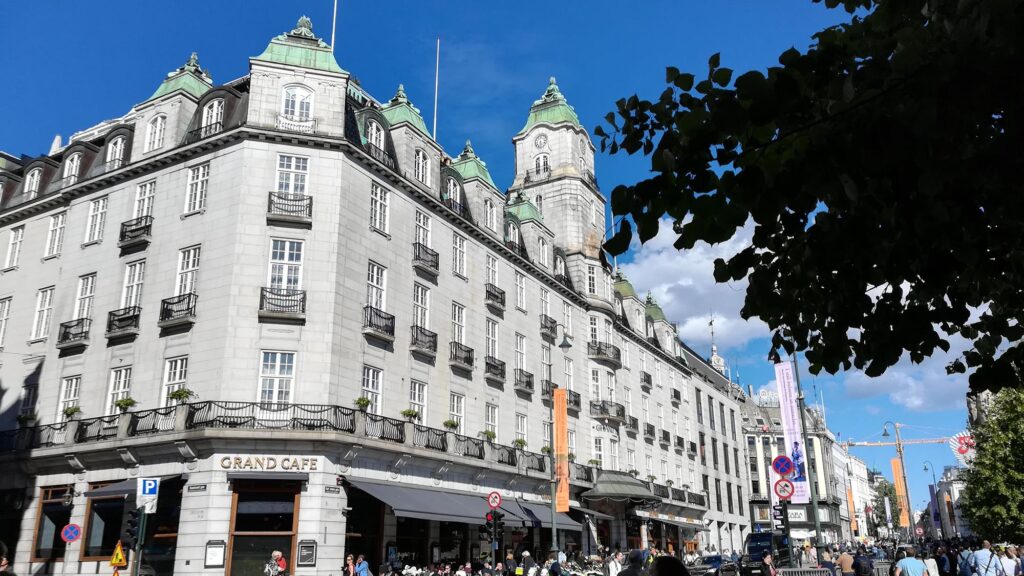
Grand Hotel Oslo
Grand Hotel is most directly connected to the Norwegian film Grand Hotel (2016), directed by Arild Fröhlich and starring Atle Antonsen, and Håkon Gomez Bøhmer.
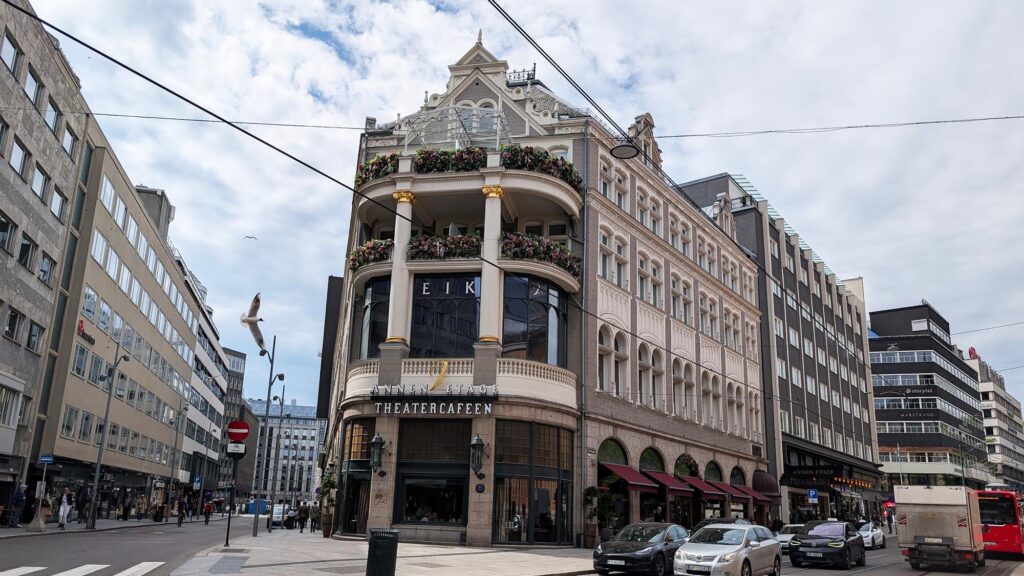
Theatercaféen
Theatercaféen appears in "Jo Nesbø’s Detective Hole" (2026), and is connected to a lunch that becomes very relevant to Harry Hole’s investigation.
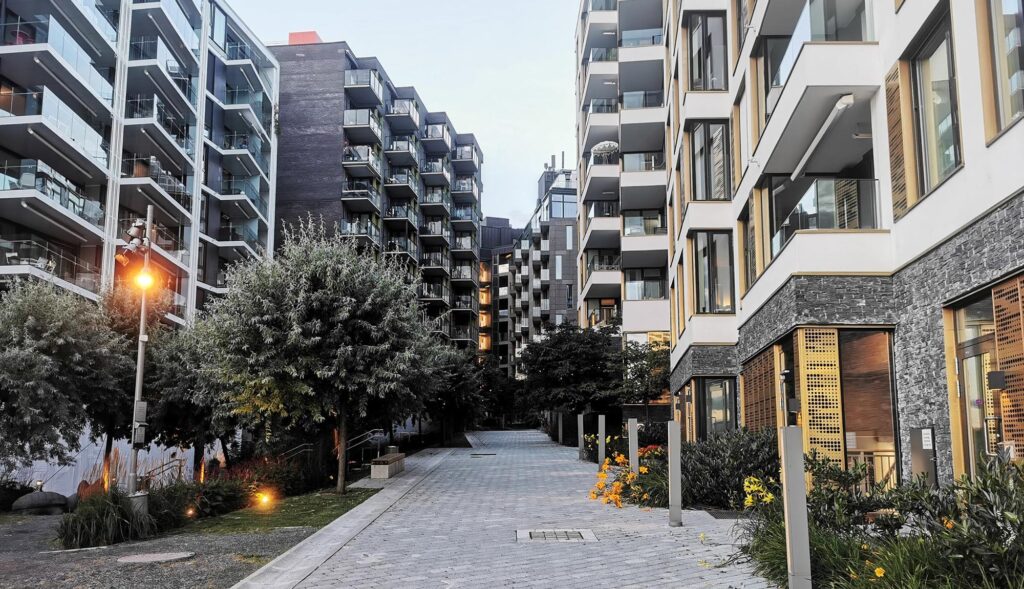
Tjuvholmen
The 2020 Christopher Nolan film Tenet filmed key action scenes at Tjuvholmen, specifically around Olav Selvaags Plass and near the Thief Hotel.
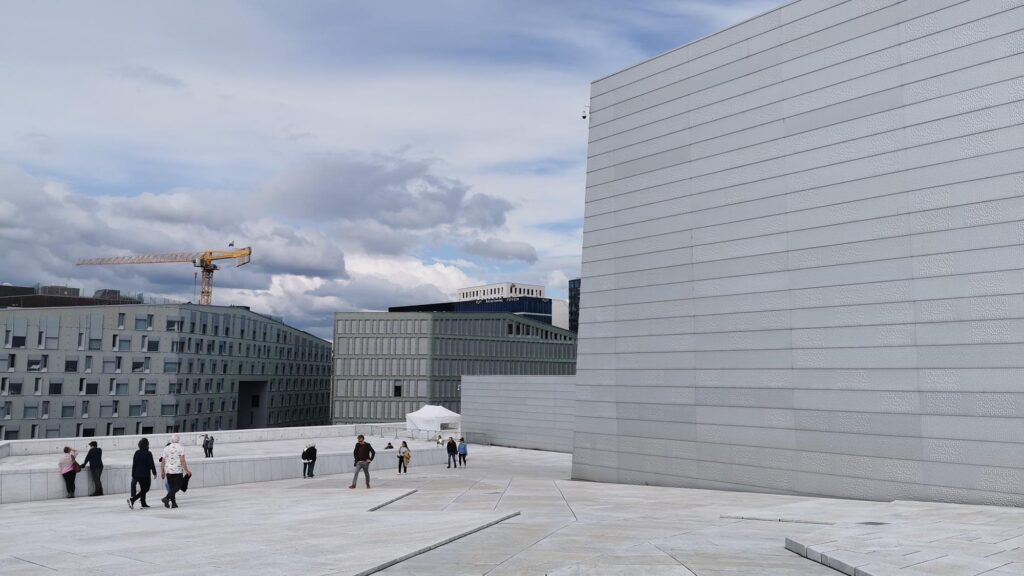
Oslo Opera House
As a screen location, the Oslo Opera House has been used in Pax (2011), 22 July, The Snowman (2017), The Worst Person in the World (2021) and Tenet (2020).
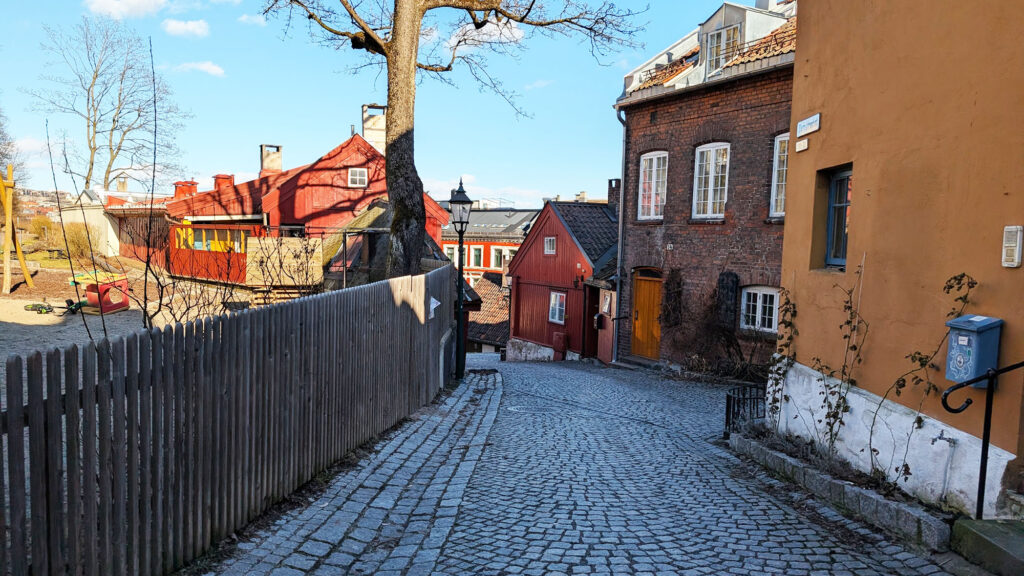
Damstredet
Damstredet appears in Lasse & Geir (1976), The Snowman (2017), and The Worst Person in the World (2021).
Leave a Reply