
Kill Bill: Vol. 1 is a 2003 martial-arts revenge film written and directed by Quentin Tarantino, with Uma Thurman starring as the Bride, a former assassin left for dead by her old colleagues on her wedding day. After waking from a four-year coma, she begins a brutal mission to hunt down the members of the Deadly Viper Assassination Squad, starting with Vernita Green and O-Ren Ishii. The film is built as a highly stylised blend of samurai cinema, kung fu, exploitation film, spaghetti western and anime, with its fragmented structure and chapter-based storytelling giving the revenge plot a mythic, comic-book-like quality.
The film was shot across Southern California, Japan and China, with its locations shifting between suburban revenge thriller, hospital nightmare and Japanese swordplay fantasy. The opening confrontation with Vernita Green was filmed in South Pasadena, while the hospital where the Bride wakes from her coma was shot at St. Luke’s Medical Center in Pasadena. The Tokyo material combines real Japanese city imagery with studio-built sets, especially for the House of Blue Leaves sequence, whose design was inspired by Tokyo nightlife but constructed for the film rather than simply filmed in an existing restaurant. Additional Asian material was created in Beijing studios, including elements connected to Hattori Hanzo’s Okinawa world. This mix of real streets, California suburbs, hospital corridors, stylised studio environments and East Asian genre imagery gives Kill Bill: Vol. 1 its distinctive feeling of moving through both real places and cinematic dream worlds.
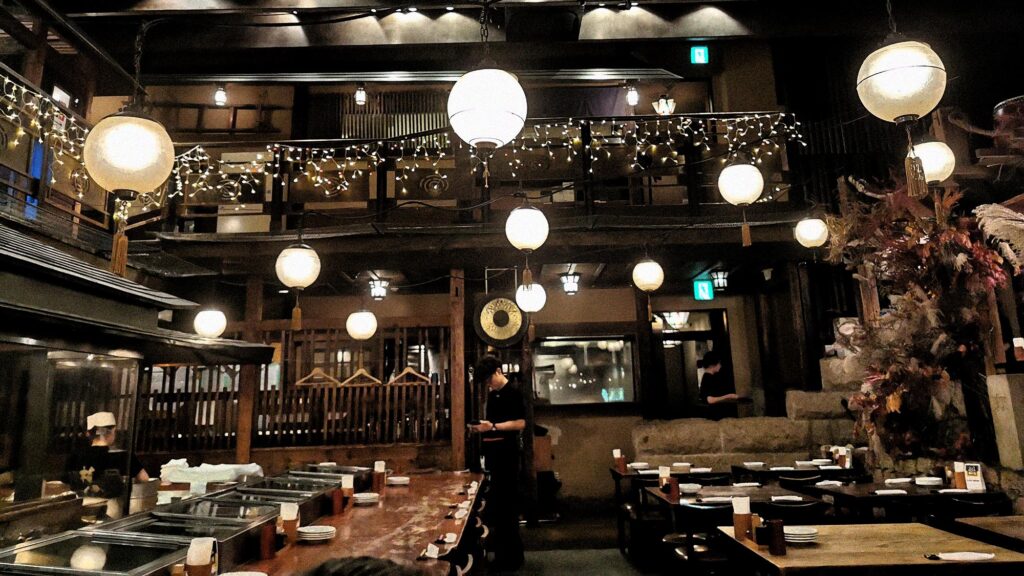
Gonpachi Nishi-Azabu
Gonpachi Nishi-Azabu is connected to Kill Bill: Vol. 1 (2003) as the inspiration for the House of Blue Leaves, the Tokyo restaurant where The Bride fights.
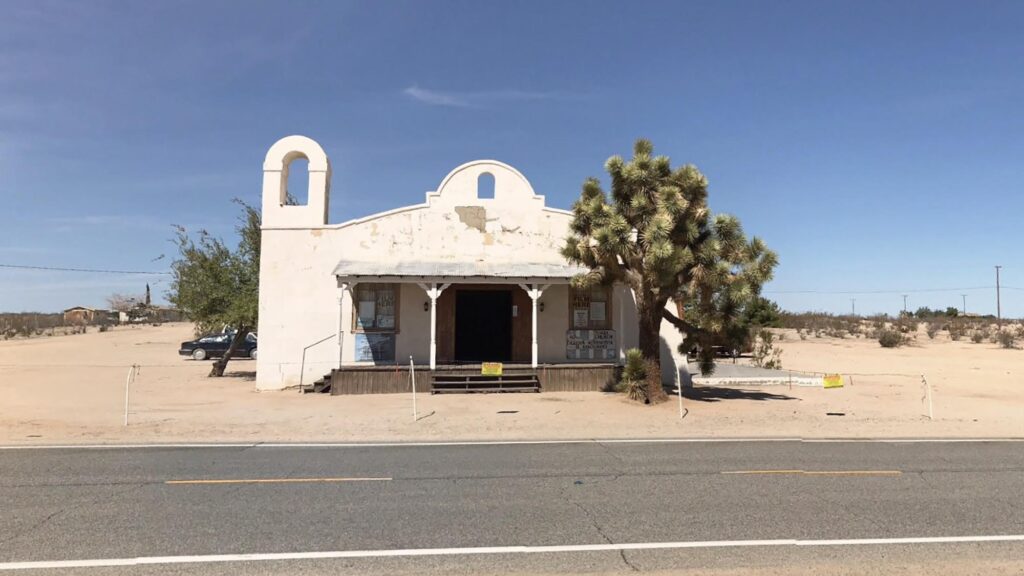
Two Pines Chapel
Two Pines Chapel appears in Kill Bill: Vol. 1 (2003), Kill Bill: Vol. 2 (2004), and True Confessions (1981).