
Jim Morrison’s Grave is located in Père Lachaise Cemetery in Paris, France. Morrison, best known as the lead singer and lyricist of The Doors, died in Paris in 1971 and was buried in the cemetery’s 6th division. The grave has become one of the most visited music-related burial sites in the world, drawing fans of The Doors, rock history and 1960s counterculture. Over the years, the site has changed in appearance because of crowd control, vandalism, fan tributes and alterations to the grave marker. Père Lachaise itself is one of Paris’s most famous cemeteries, also containing the graves of Oscar Wilde, Édith Piaf, Frédéric Chopin, Marcel Proust, Honoré de Balzac and many others.
Jim Morrison’s Grave appears in The Doors (1991) and The Walking Dead: Daryl Dixon (2023–). Both productions use the real grave in Père Lachaise Cemetery, but in very different ways: The Doors uses it as the closing image of Jim Morrison’s own story, while Daryl Dixon uses it as part of a post-apocalyptic Paris where famous cultural landmarks have become quiet, decaying remnants of the old world.
In The Doors (1991), Jim Morrison’s real grave appears at the end of the film. After the film has followed Morrison’s rise with The Doors, his relationship with Pamela Courson, his public self-destruction and his move toward death in Paris, the final scene brings the story to Père Lachaise Cemetery. The camera shows the grave as a real location rather than a recreated set, ending the film with the physical place where Morrison was buried. The grave looked different at the time of filming than it does today, as the marker and surrounding security have changed over the years because of the large number of visitors and repeated fan activity at the site.
In The Walking Dead: Daryl Dixon (2023), Jim Morrison’s Grave appears in “Paris Sera Toujours Paris”, episode 3 of season 1. Daryl, Isabelle, Laurent and Sylvie pass through Père Lachaise Cemetery on their way into Paris, and Daryl stops when he notices Morrison’s grave. Sylvie asks who it is, and Daryl explains that he was an American rock star. When Sylvie asks if he died in Paris, Daryl says that he supposes he did. Laurent then tells Daryl that he will not die in Paris, drawing a quiet parallel between Morrison and Daryl as two Americans who ended up in the city. The scene uses the grave as a brief moment of recognition for Daryl, while also giving Laurent a small but meaningful line about Daryl’s fate.
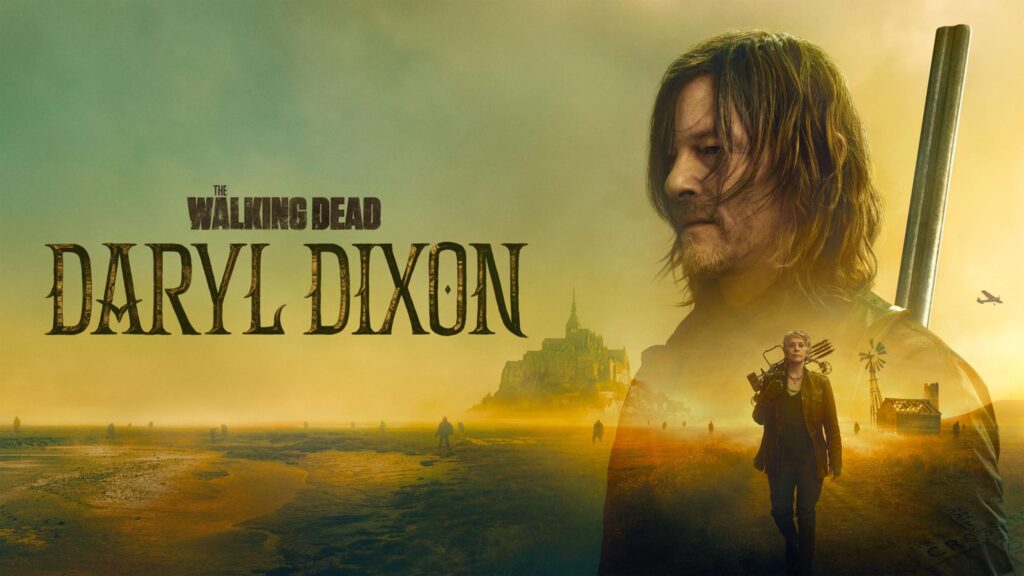
The Walking Dead: Daryl Dixon
The Walking Dead: Daryl Dixon is closely tied to France, and the country is far more than a generic backdrop.
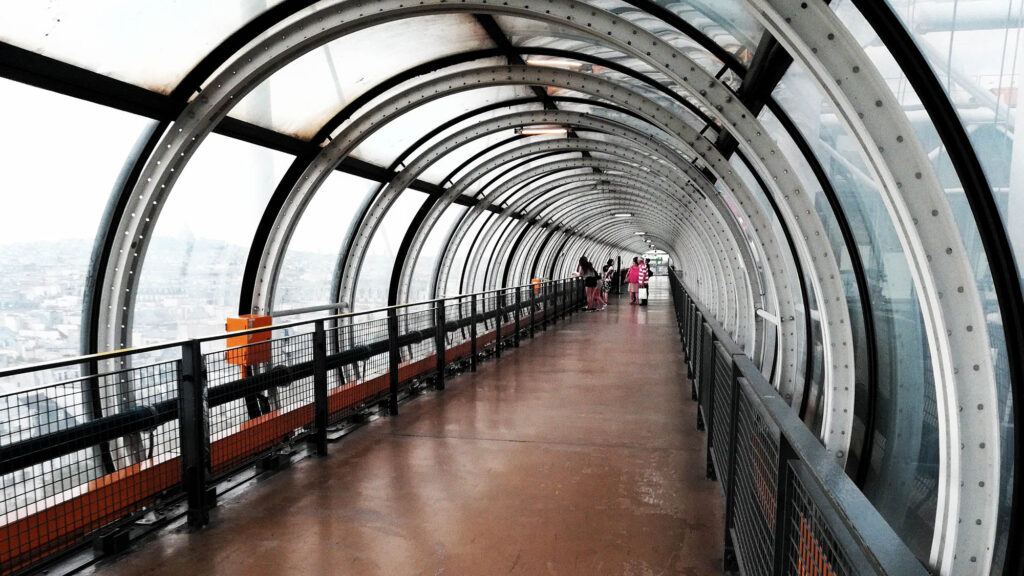
Centre Pompidou
The Centre Pompidou is a building complex in Paris, France. The Centre Pompidou served as a primary filming location for the 1979 James Bond film Moonraker.
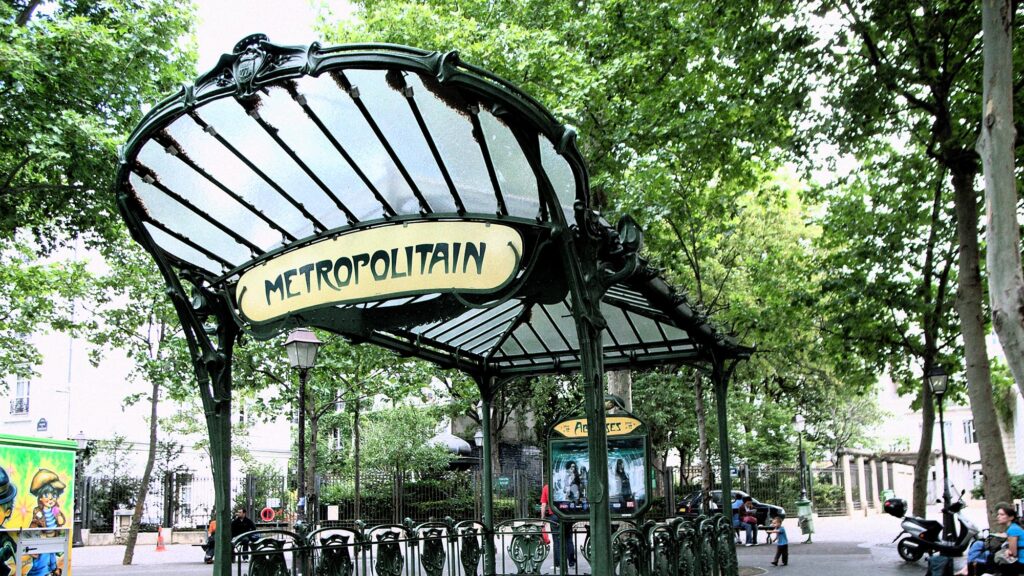
Abbesses Metro Station
Abbesses is a famous, historic Paris Métro station on Line 12 in Montmartre, renowned as the deepest station in the network at roughly 36 meters below ground.
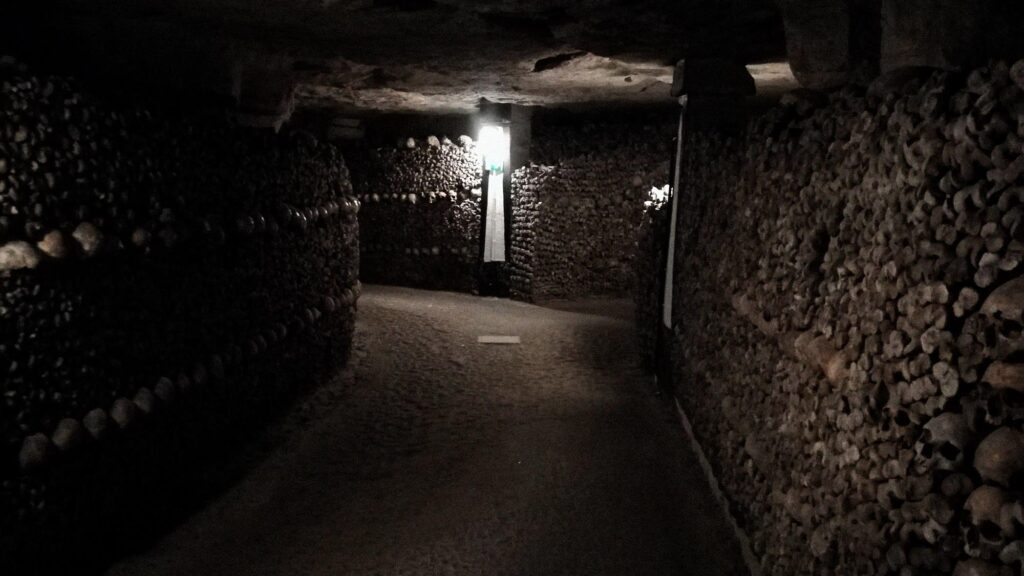
Catacombs of Paris
The Catacombs of Paris have appeared in As Above, So Below (2014) and The Walking Dead: Daryl Dixon (2023–).
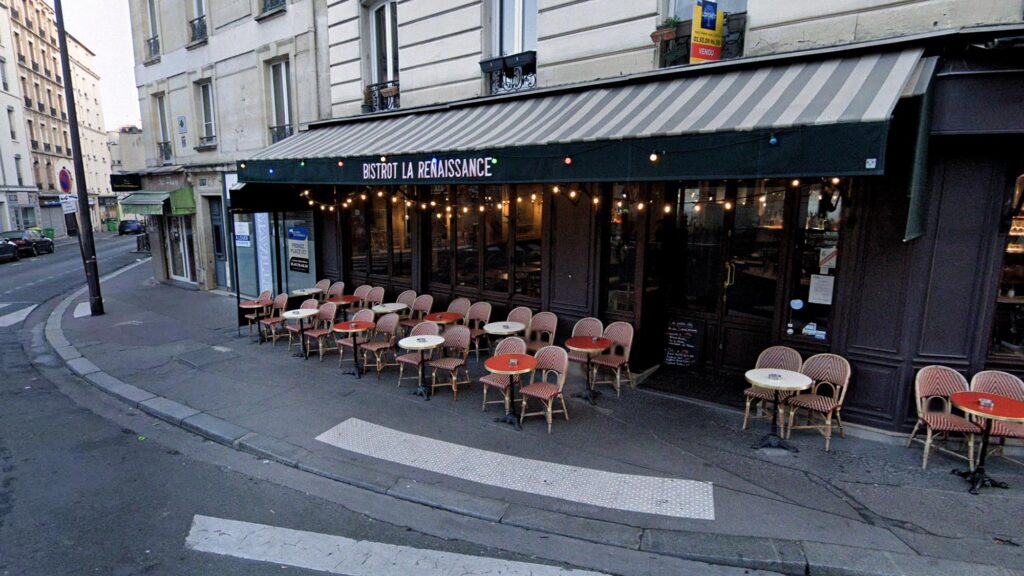
Bistrot La Renaissance
Bistrot La Renaissance is in Inglourious Basterds (2009), Le Mouton enragé (1974), Le Sang des autres (1984), My New Partner (1984) and Animal (2005).
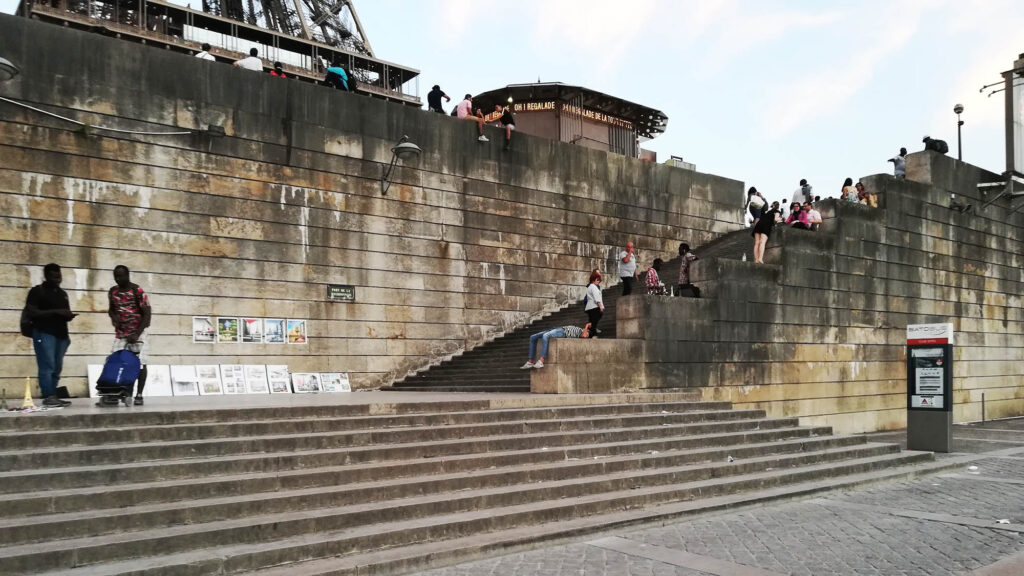
Pont d’Iéna Stairs
Pont d’Iéna Stairs appears in A View to a Kill (1985). The stairway is used as part of one of the film’s best-known Paris action sequences.
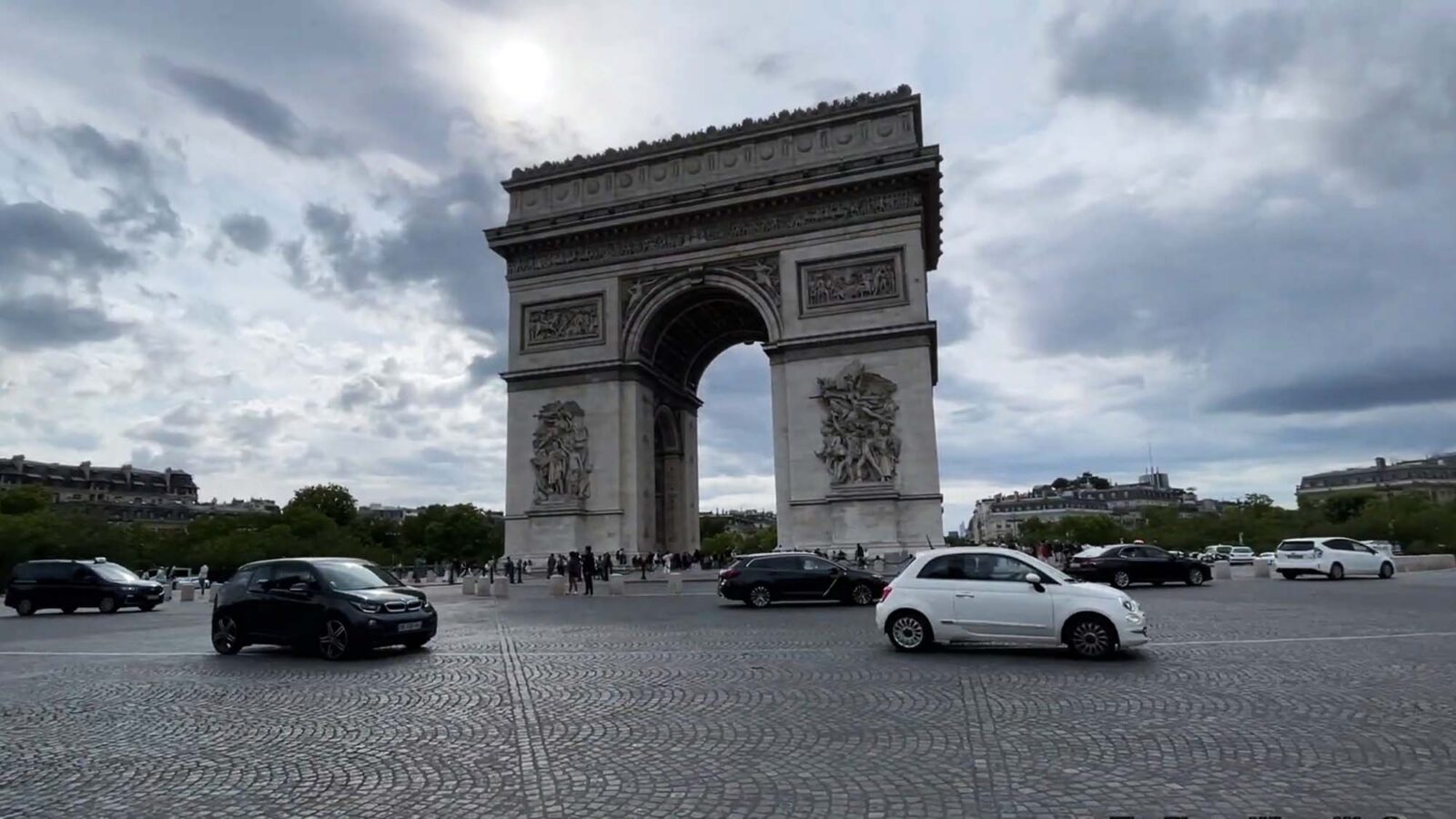
Arc de Triomphe
Arc de Triomphe has appeared in The Day of the Jackal, Ronin, National Treasure: Book of Secrets, Taken, Mission: Impossible – Fallout and Blindspot.
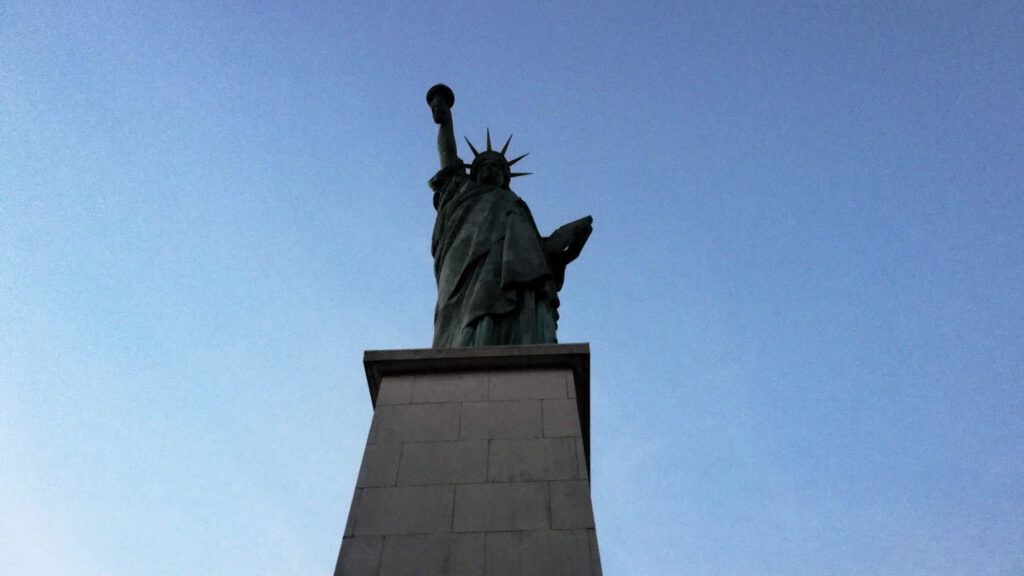
Statue of Liberty in Paris
Statue of Liberty in Paris appears in Frantic (1988), National Treasure: Book of Secrets (2007), Lost in Paris (2016), and The Fall (2006).
Grande Arche
Grande Arche has appeared in Until the End of the World, The Bourne Identity, Girlhood, The Walking Dead: Daryl Dixon and The Great Arch.
Fort de Cormeilles-en-Parisis
Fort de Cormeilles-en-Parisis is in Triple Cross, The Night of the Generals, Army of Shadows, The Seventh Company Has Been Found, L’Affaire Dominici and more.