
Klaus Kinski (18 October 1926 – 23 November 1991) was a German actor known for an intense, volatile screen presence and a career built around extreme characters. After a difficult early life in Germany during and after the Second World War, he entered acting through theatre and quickly gained a reputation for explosive performances. He appeared in dozens of European films across the 1950s and 1960s, ranging from crime films and war dramas to westerns and horror, often standing out for a mix of menace, charisma, and unpredictability.
Internationally, Kinski is most closely associated with his turbulent collaborations with director Werner Herzog. Their films together include Aguirre, the Wrath of God (1972), Nosferatu the Vampyre (1979), Woyzeck (1979), Fitzcarraldo (1982), and Cobra Verde (1987), works that turned Kinski into an enduring symbol of obsessive, larger-than-life intensity on screen. His legacy remains deeply polarising: he is widely praised as a uniquely powerful actor, while also remembered for notorious on-set behaviour and serious allegations about his personal life that have shaped how his career is viewed today.
Kinski died 65 years old on 23 November 1991 of a sudden heart attack at his home in Lagunitas, California. His body was cremated, and his ashes were scattered into the Pacific Ocean. Of his three children, only his son Nikolai attended his funeral. Posthumously, he was accused of physically and sexually abusing his daughters Pola and Nastassja.
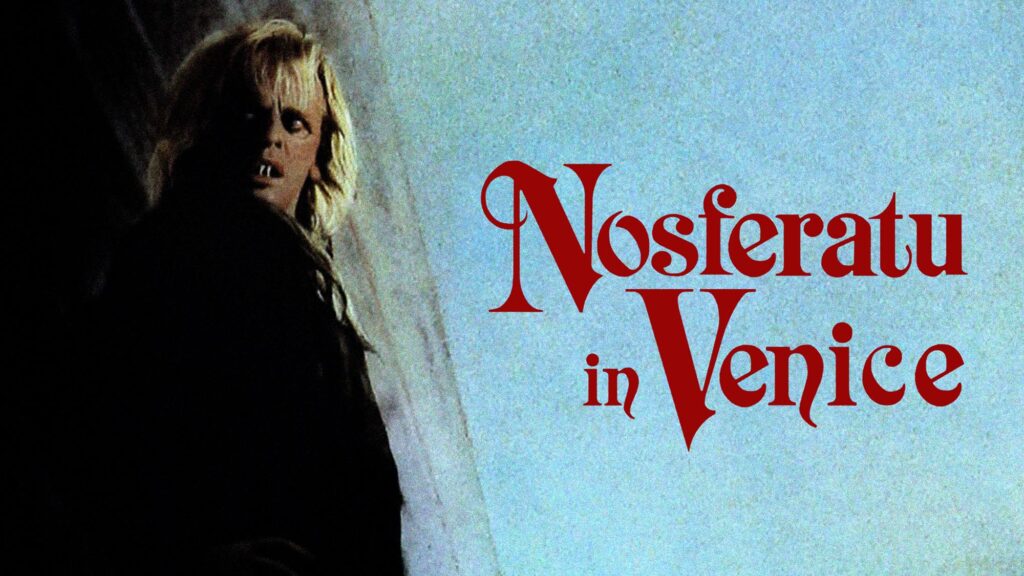
Nosferatu in Venice
Nosferatu in Venice is tied to Venice and uses the city’s decaying beauty, fog, and old palaces to create a gothic atmosphere that feels romantic and diseased.
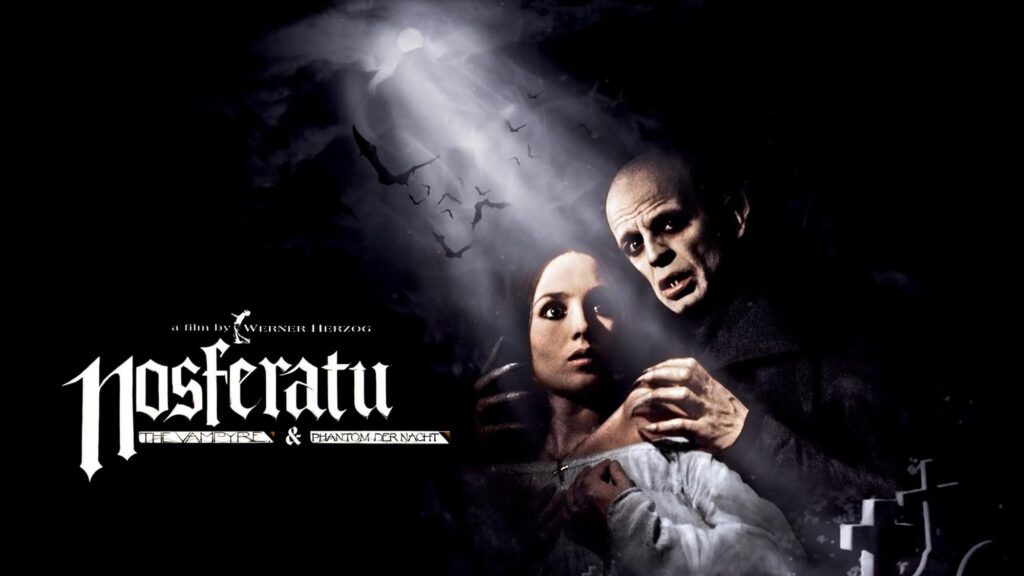
Nosferatu: Phantom der Nacht
Werner Herzog's Nosferatu: Phantom der Nacht (1979), aka Nosferatu the Vampyre, was primarily filmed in the Netherlands, Czechoslovakia, and West Germany.